Search Results for: cleaning mortar

Polished concrete floor with ocean view through large glass door

Concrete That Looks Patchy When Wet: Diagnosing porosity and finishing issues

Introduction Patching that looks patchy when wet means the surface is showing uneven water absorption due to porosity and finishing issues. It often happens when the concrete has inconsistent density or when the finish was applied without addressing bleed water and surface moisture. For DIYers, it’s a hands‑on check of how the surface feels, looks,

Concrete That Looks Patchy When Wet: Diagnosing porosity and finishing issues Read More »

Close-up of rough stucco wall texture with light beige paint

Painting Stucco Without Killing Texture: Coverage methods that keep the look

Introduction Painting stucco without killing texture means applying paint in a way that preserves the surface texture while offering even coverage. Start with a clean, dry surface and repair damaged areas, then check the paint label for compatibility with stucco and any prep steps. Choose a paint type that is appropriate for exterior stucco and

Painting Stucco Without Killing Texture: Coverage methods that keep the look Read More »

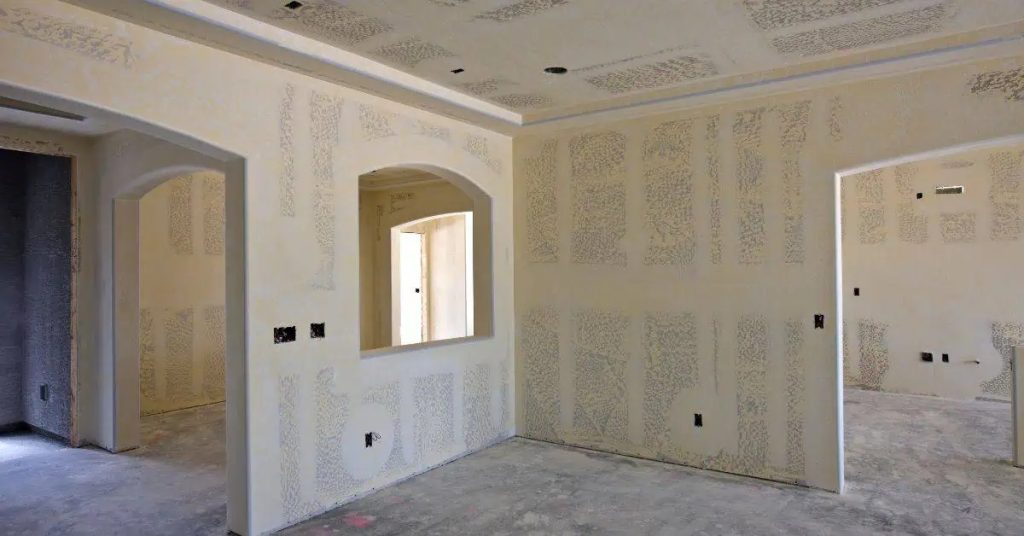
Room with drywall installed and joint compound patches visible

Repairing Raveled Joints: Rebuilding joint edges without creating a weak strip

Introduction Repairing raveled joints means rebuilding the edge of a concrete joint where the surface material has torn loose, without creating a weak, thin strip. Raveling happens when the joint edge flakes or spalls and exposes loose material that won’t hold up under movement. This is a hands-on job: you’ll remove the loose stuff, clean

Repairing Raveled Joints: Rebuilding joint edges without creating a weak strip Read More »

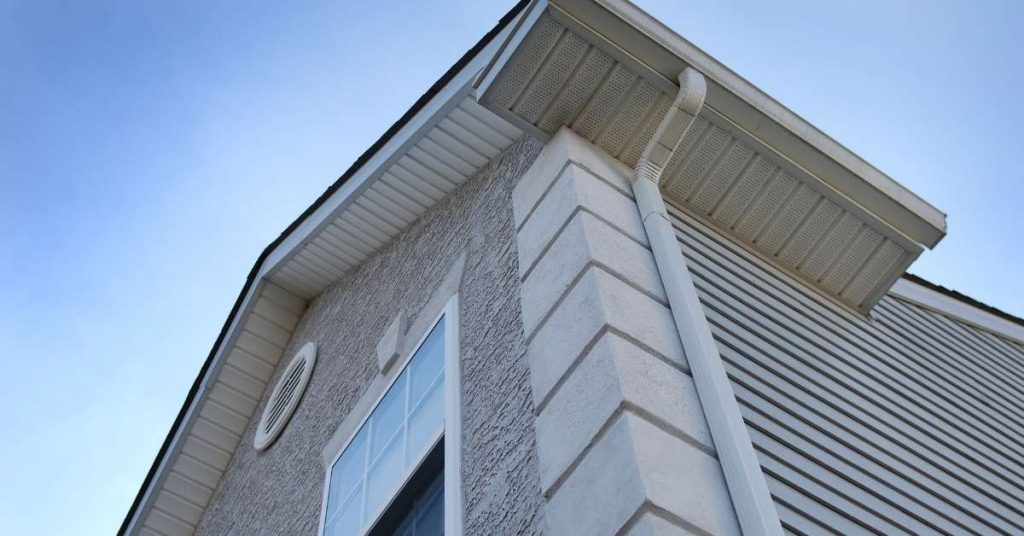
Close-up of outside stucco corner on house with clear sky

Outside Corner Stucco Damage: Stronger corner repairs that don’t chip out

Introduction Outside corner stucco damage refers to cracks or chips at the corner where two exterior walls meet. The goal is to make a repair that stays strong and looks even, without the chip coming back. This article walks you through practical, hands-on steps you can follow with common tools. You’ll want to check if

Outside Corner Stucco Damage: Stronger corner repairs that don’t chip out Read More »

Worker applying plaster over blue mesh on wall

Mesh Reinforcement for Stucco Patches: Overlaps, thickness, and common mistakes

Introduction Mesh reinforcement for stucco patches is a fabric mesh laid over the repair to help hold the patch in place. Follow the mesh overlap guidelines from the product label or manufacturer and ensure the mesh extends beyond the patch edges. Use the correct patch thickness and mesh type as directed, and verify compatibility with

Mesh Reinforcement for Stucco Patches: Overlaps, thickness, and common mistakes Read More »

Light gray rough stucco texture with uneven surface

Hot Weather Stucco Repairs: Preventing shrink cracks and weak patches

Introduction Hot weather stucco repairs are fixes done when heat causes the mix to dry too fast, increasing shrinkage and weak patches. Try to schedule work for the cooler parts of the day and keep the surface damp as you go. Always follow the product label and local guidelines for curing and application. Key takeaways

Hot Weather Stucco Repairs: Preventing shrink cracks and weak patches Read More »

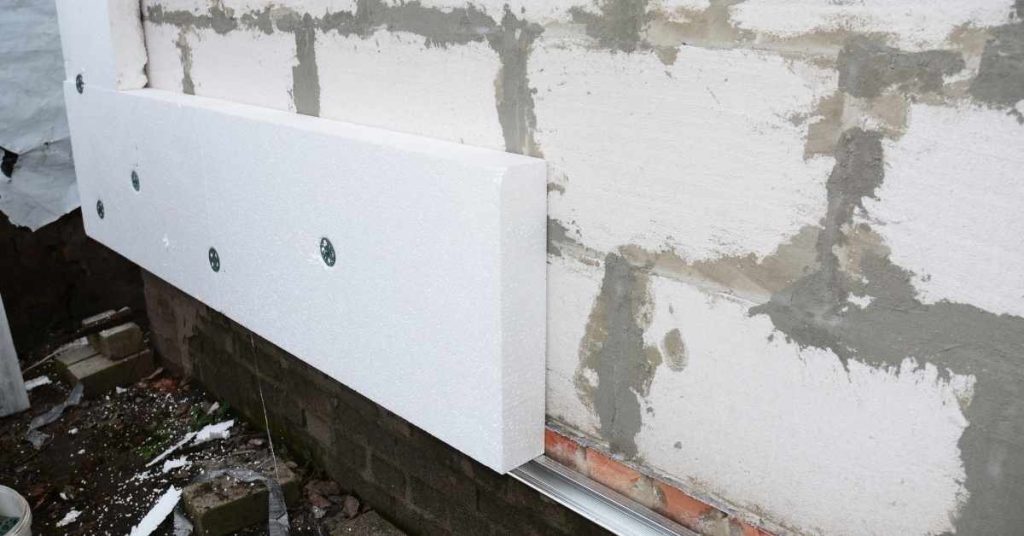
White EPS foam board attached to exterior masonry wall

Stucco at Rooflines: Fixing recurring leaks without relying on caulk alone

Introduction Fixing leaks at stucco rooflines means sealing and directing water so it doesn’t seep where the wall meets the roof. This job isn’t about slapping on caulk alone; you’ll often need proper flashing and surface prep to make a lasting fix. Approach it with a plan, check the manufacturer instructions for any products you

Stucco at Rooflines: Fixing recurring leaks without relying on caulk alone Read More »

Exterior stucco wall with multiple windows under clear sky

Cracks Around Stucco Windows: Why they form and how to fix them correctly

Introduction Cracks around stucco windows are caused by movement at the window opening and the surrounding stucco not moving the same way. Settling, temperature swings, and flashing or moisture issues are common culprits to look for. Note whether the crack runs along the frame, at corners, or where trim meets stucco to guide your fix.

Cracks Around Stucco Windows: Why they form and how to fix them correctly Read More »