Search Results for: cleaning mortar

Person drilling into a brick wall with a blue power drill

Common brick repair scams: what ‘miracle sealers’ can’t fix

Introduction Miracle sealers are scams that cannot fix brickwork. They may promise permanent repair of cracks, moisture, or damaged mortar, but they fail to address real defects. A straight, honest approach relies on proper assessment and proven repair methods. Before you start, understand what needs addressing and what a DIY repair can and cannot cover. […]

Common brick repair scams: what ‘miracle sealers’ can’t fix Read More »

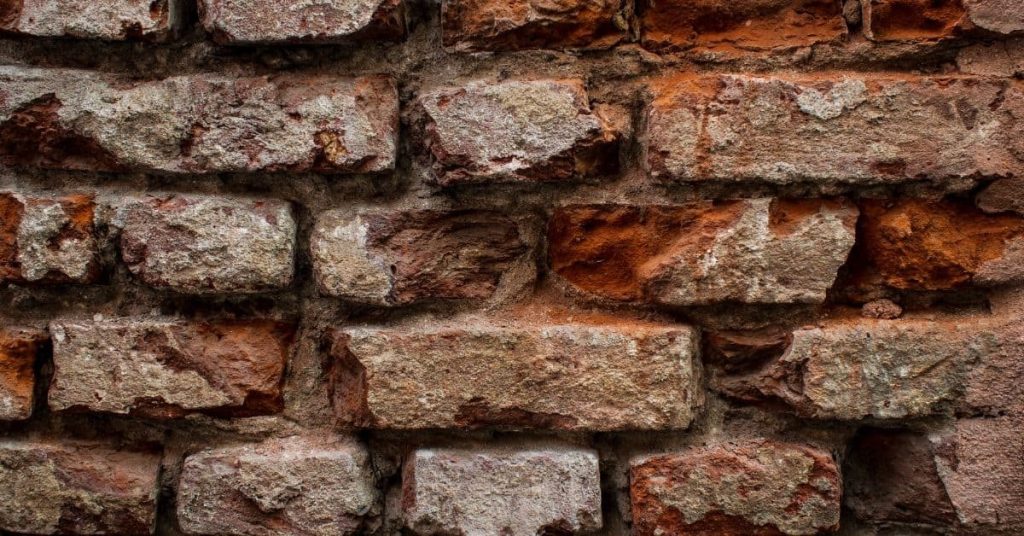
old red brick wall with mortar joints and some white stains

How to spot failed brick flashing: stain trails, damp sheathing clues, and inspection points

Introduction Failed brick flashing shows up as moisture intrusion at joints, leaving stain trails and damp spots on the wall. It signals that water is not being directed away properly. You’ll want to look for signs of staining, softness, or peeling where the flashing meets the surface. In practice, inspect for moisture clues around manufactured

How to spot failed brick flashing: stain trails, damp sheathing clues, and inspection points Read More »

Close-up of weathered red brick wall with white deposits

Efflorescence on brick that keeps returning: stop the water path before you scrub again

Introduction Efflorescence is mineral salt deposits that reappear on brick when moisture moves through the wall. If it keeps returning, the moisture path through the masonry is still active. Stopping that path is the first step before you scrub again. Start by tracing where the water is coming from and address leaks, irrigation, or poor

Efflorescence on brick that keeps returning: stop the water path before you scrub again Read More »

Interior wall with exposed brick and decorative furniture

Interior exposed brick sealing: dust control, sheen control, and breathability

Introduction Interior exposed brick sealing is the process of applying a suitable sealer to brick walls to control dust, adjust sheen, and maintain breathability. The goal is to seal the surface without creating a glossy, non-breathing barrier that traps moisture. This article covers practical steps for choosing products, preparing the surface, and applying sealers in

Interior exposed brick sealing: dust control, sheen control, and breathability Read More »

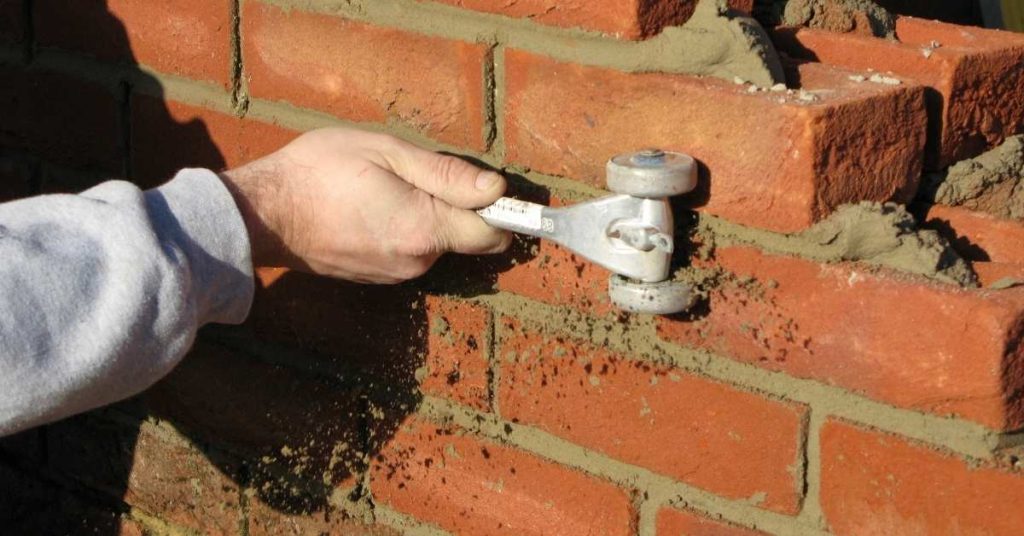
Hand using roller tool on fresh mortar between red bricks

Brick expansion joints: where they belong and how to reseal them

Introduction Brick expansion joints are gaps that allow movement between sections of brickwork as structures expand and contract. They help prevent cracking and mortar damage by accommodating seasonal and load changes. Identifying where these joints exist and how they should be resealed is a hands-on maintenance task rather than a cosmetic repair. Look for irregular

Brick expansion joints: where they belong and how to reseal them Read More »

Person holding green electric drill against white brick wall

Repairing chipped brick corners: patch materials that blend (and those that don’t)

Introduction Repairing chipped brick corners means restoring the edge with patch materials that match the surrounding masonry. This guide focuses on practical choices and steps you can take to blend or distinguish patches as needed. Material options range from blends that closely match color and texture to those that are meant to be obvious. Prepare

Repairing chipped brick corners: patch materials that blend (and those that don’t) Read More »

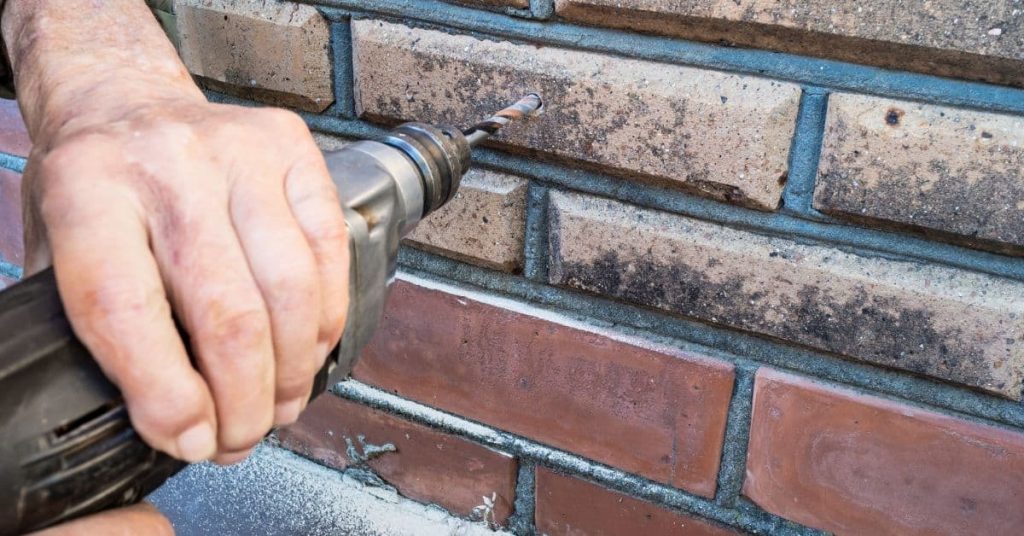
Hand holding drill making hole in brick wall

Salt damage to brick near sidewalks: preventing splashback and replacing compromised units

Introduction Salt damage to brick near sidewalks is deterioration caused by salt exposure that draws moisture and can cause spalling or flaking. This article explains how splashback occurs and what you can do to reduce damage before inspecting or replacing bricks. To approach the job, start by looking for efflorescence, cracks, or loose units near

Salt damage to brick near sidewalks: preventing splashback and replacing compromised units Read More »

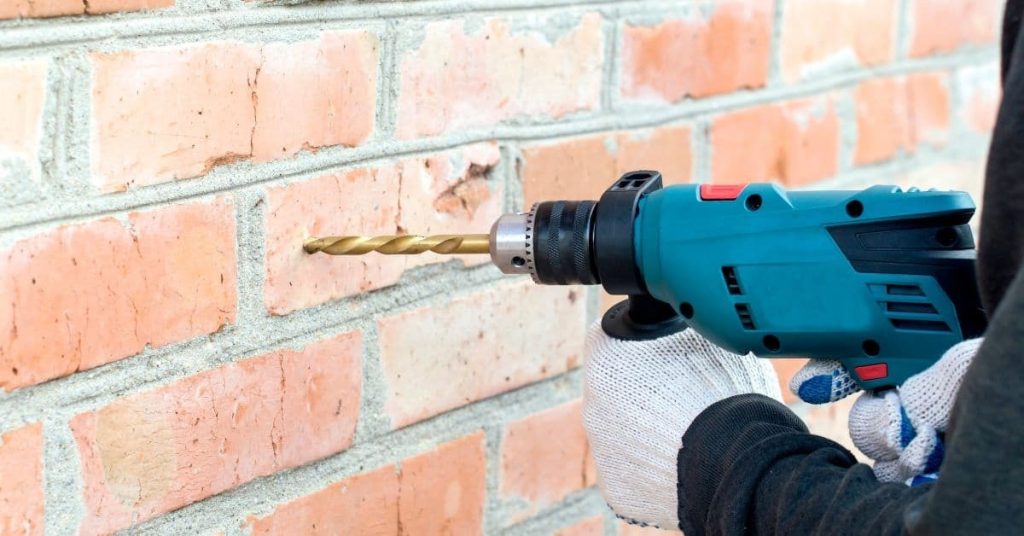
Person holding turquoise electric drill with gloves drilling wall

Drilling into brick: choosing anchors that won’t crack the face

Introduction Drilling into brick safely means selecting anchors that distribute load without cracking the face. It’s a hands-on task that starts with choosing the right anchor and understanding the brick surface. Plan to test a small area and work patiently to avoid damage. Tools you’ll need include a drill with adjustable speed, a masonry bit,

Drilling into brick: choosing anchors that won’t crack the face Read More »

black painted brick wall with uneven sheen in lighting

Breathable brick sealers in wet climates: picking products that don’t trap moisture

Introduction Breathable brick sealers allow moisture to pass through while protecting the surface. They help balance protection with drying, which is crucial in damp environments. This article covers how to pick products that won’t trap moisture and how to apply them safely. Two practical concepts to know are vapor-permeable sealers versus film-forming ones. A simple

Breathable brick sealers in wet climates: picking products that don’t trap moisture Read More »

Hand with orange glove laying a brick on mortar

Brick chimney caps and spark arrestors: sizing, attachment, and draft considerations

Introduction Brick chimney caps and spark arrestors are protective covers on top of a masonry chimney that help contain embers, reduce water intrusion, and influence draft, sizing, and attachment should fit the chimney opening and flue arrangement. Choose from material options that resist heat and weather, and plan for proper alignment and secure attachment to

Brick chimney caps and spark arrestors: sizing, attachment, and draft considerations Read More »