Search Results for: cleaning grout off tile floors

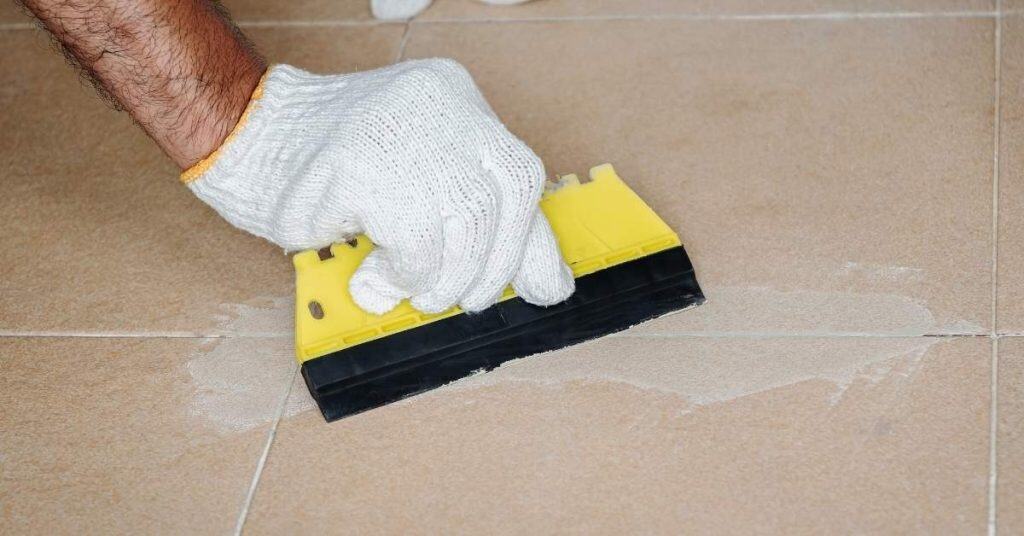
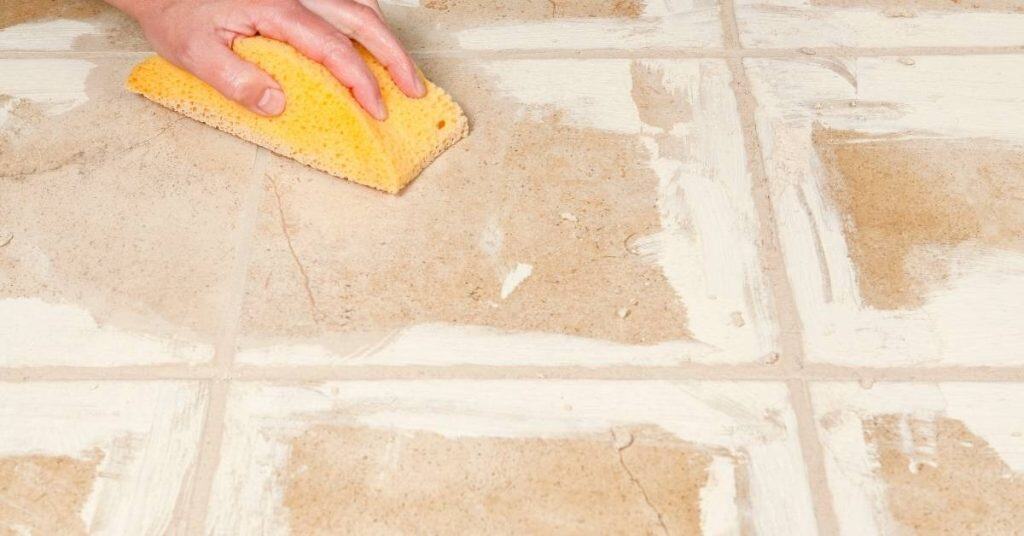
Person cleaning tile grout with sponge and hands

Grout Haze Prevention: Timing and Sponge Technique for Beginners

Introduction Grout haze is a thin film of cement residue that dries on tile surfaces after grouting. It can make the tile look cloudy and dull if not cleaned promptly. Timing matters—start cleaning within the window recommended by your grout product and tool manufacturer, or ask in-store if unsure. You’ll need basic tools like a […]

Grout Haze Prevention: Timing and Sponge Technique for Beginners Read More »
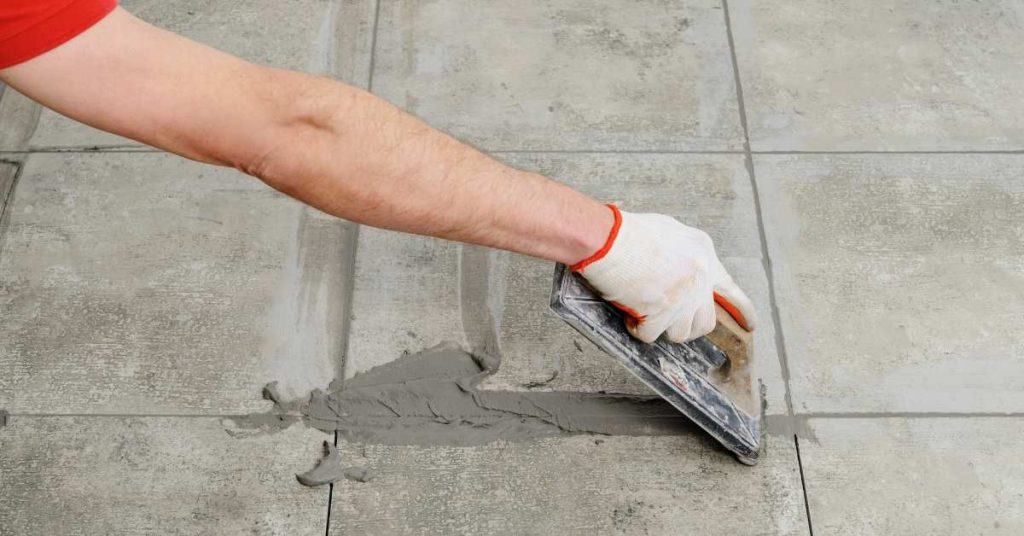
Hand with white glove spreading grout on floor tiles

Tile on Plywood: the Right Build-up so You Don’t Get Cracked Grout Lines

Introduction Tile on plywood is a build-up method that stabilizes a tile surface on a plywood base to prevent cracking. Prep the plywood by cleaning it, dulling any slick spots, and making sure the panel is firmly fastened. Choose an adhesive and any underlayment per the label and local rules, and follow the manufacturer’s prep

Tile on Plywood: the Right Build-up so You Don’t Get Cracked Grout Lines Read More »

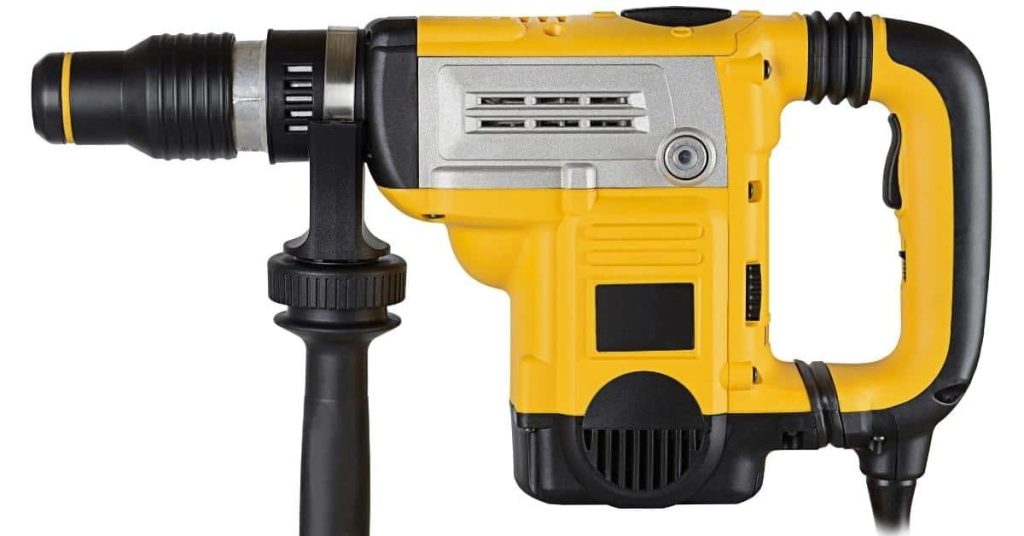
Yellow and black electric hammer drill on white background

Removing Tile Without Destroying the Substrate: Tool Choices and Realistic Expectations

Introduction Removing tile without destroying the substrate means lifting the tile and backing material carefully while protecting the surface underneath. Have the right tools ready, like a chisel, a pry bar, and an oscillating multi-tool with a scraper blade, and plan your work so you don’t pry blindly. Start by testing a corner tile and

Removing Tile Without Destroying the Substrate: Tool Choices and Realistic Expectations Read More »

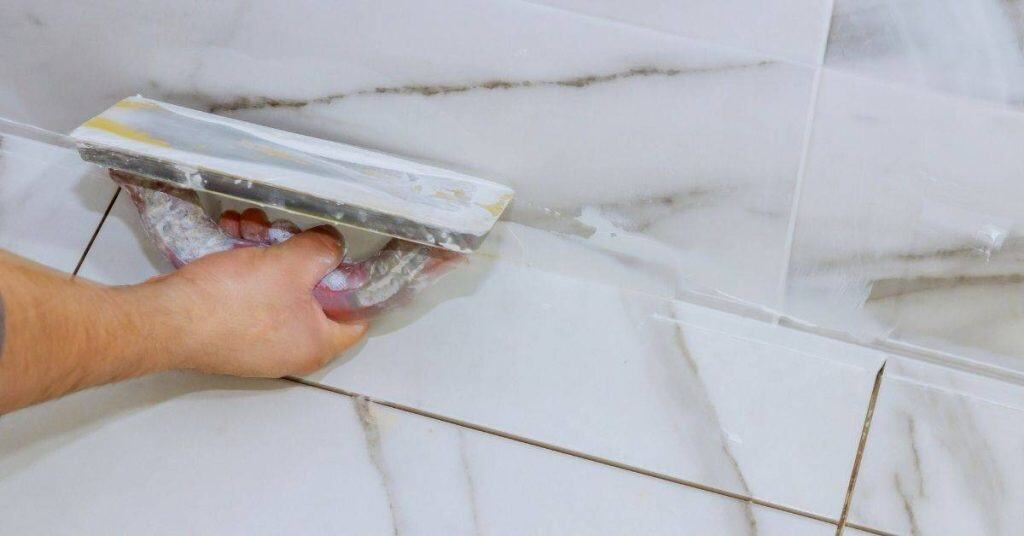
Hand applying white grout to ceramic tiles with a grout float

Tile over Tile: When It’s Acceptable and the Surface Prep That Makes It Work

Introduction Tile over tile is acceptable when the existing tile surface is sound, clean, and properly stabilized. If the current tile is loose or cracked, or the surface is delaminating, you’ll want to address that first. This article walks you through what to check and why, in plain DIY language. First, inspect the substrate for

Tile over Tile: When It’s Acceptable and the Surface Prep That Makes It Work Read More »

Preparing a Subfloor for Tile: Common Problems, Tests, and Fixes

Preparing a Subfloor for Tile: Common Problems, Tests, and Fixes

Introduction Prepare the subfloor properly before tile to prevent cracks and failures. You’ll learn how to identify common problems, perform practical tests, and apply fixes that set a solid base for tile installation. The guide walks through actionable steps, sensible rules of thumb, and real-world tips you can use on a project. Key takeaways Inspect

Preparing a Subfloor for Tile: Common Problems, Tests, and Fixes Read More »

Shower Tile Installation Problems Explained: Causes, Testing, and Fixes

Shower Tile Installation Problems Explained: Causes, Testing, and Fixes

Introduction Shower tile installation problems arise from inadequate waterproofing and surface prep, causing leaks and tile failures. In this guide you’ll learn how to diagnose common failures, test for moisture and adhesion, and apply practical fixes and best practices to prevent future issues. Key takeaways Confirm efflorescence deposits appear as white, powdery, salt-like stains on

Shower Tile Installation Problems Explained: Causes, Testing, and Fixes Read More »

Worker screeds freshly poured concrete with a straightedge; rebar grid visible.

Fixing a Chipped Slab Corner: Rebuild Techniques That Don’t Pop Off

Introduction Repair a chipped slab corner by rebuilding it securely so it won’t pop off. The guide walks through practical steps, tips, and rules of thumb for matching texture, choosing the right materials, and curing a patch to restore strength and appearance. You’ll learn how to assess the damage, prepare the surface, apply the repair,

Fixing a Chipped Slab Corner: Rebuild Techniques That Don’t Pop Off Read More »