Search Results for: cleaning grout off tile floors

Hands using pliers to pull wire from wall socket opening

Repairing Plaster After Removing Tile: Flattening, Bonding, and Preventing Future Cracks

Introduction Repairing plaster after removing tile means leveling the wall, applying a bonding layer, and getting it ready for plaster. Start by cleaning the surface, removing tile film, and filling any gouges or ridges to create a flat base. Then identify high spots and plan to flatten them with gentle passes and proper feathering of […]

Repairing Plaster After Removing Tile: Flattening, Bonding, and Preventing Future Cracks Read More »

Smooth concrete window sill below metal frame window

Concrete Delamination Under Tiles: Removing Thinset Residue and Preventing Re-Bond Failure

Introduction Delamination under tiles happens when the adhesive bond fails and thinset residue is left behind, leading to loose or cracked tile. It’s a sign you need to assess the substrate before continuing and plan how to remove it safely. Start with a clear look at what’s under the surface and what you’ll need to

Concrete Delamination Under Tiles: Removing Thinset Residue and Preventing Re-Bond Failure Read More »

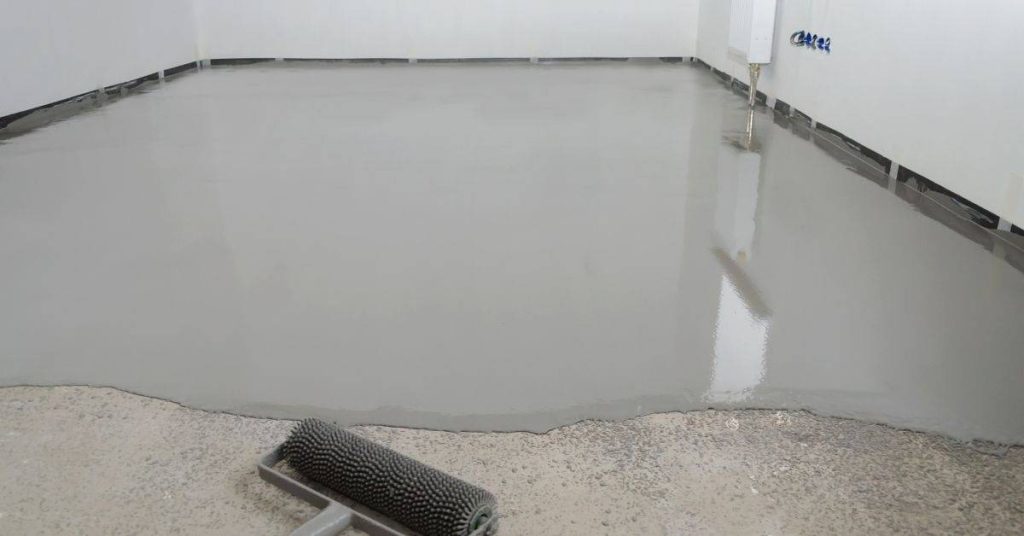
Freshly poured self-leveling concrete floor with a spiked roller

Leveling a Subfloor for Tile: Self-Leveling Underlayment Prep That Prevents Failure

Introduction Leveling a subfloor for tile means making the floor surface flat, stable, and ready to receive tile so you don’t get cracks or hollow spots. This is a hands-on task that starts with checking the current floor and ends with a smooth base for your tile setting. Take your time to plan out the

Leveling a Subfloor for Tile: Self-Leveling Underlayment Prep That Prevents Failure Read More »

Bucket with mortar mixing paddle and hand tools inside

Grout vs Mortar vs Thinset: Picking the Right Material for Each Job

Introduction Grout, mortar, and thinset are three distinct masonry materials used for different jobs: grout fills gaps between tiles, mortar binds bricks or blocks, and thinset is a cement-based adhesive for setting tiles. In DIY work, choose based on whether you need bonding, filling, or leveling, and adjust for indoor vs outdoor use. Standard blends

Grout vs Mortar vs Thinset: Picking the Right Material for Each Job Read More »

Black and white marble tile surfaces

Tadelakt vs Tile: Where Tadelakt Works, Where It Fails, and What to Use Instead

Introduction Tadelakt is a traditional lime plaster finish used on walls and wet areas. This article offers a plain‑spoken look at where it works well, where it doesn’t, and what you should consider as a DIYer. We cover the basic idea of applying it, the materials you’ll need, and when tiling might be a safer

Tadelakt vs Tile: Where Tadelakt Works, Where It Fails, and What to Use Instead Read More »

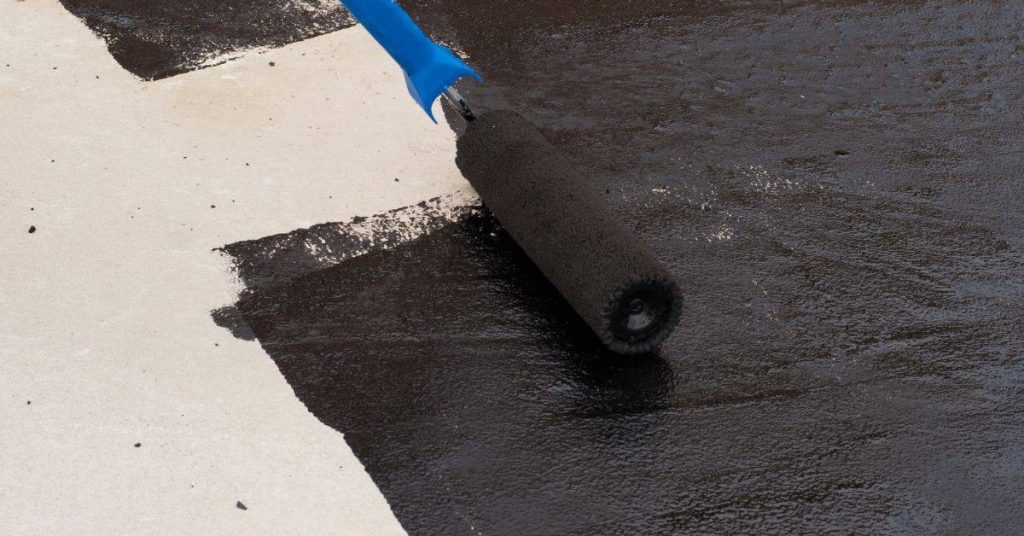
Paint roller applying black sealer on light tile surface

Microcement Over Tile: Prep, Base Coats, Sealer Choices, and DIY Success Factors

Introduction Microcement over tile is a system that coats existing tile with a cement-based finish after proper prep. This approach hinges on solid surface prep, compatible primers, and careful application to stay durable and look even. Base coats and layering are key, and you should follow the product instructions and check for compatibility with tile

Microcement Over Tile: Prep, Base Coats, Sealer Choices, and DIY Success Factors Read More »

Concrete surface showing pitting and rough patches

Fixing Concrete Surface Pop-Offs From Rusty Wire: Root-Cause Repair and Stain Blocking

Introduction Concrete surface pop-offs from rusty wire are spots where embedded wire corrodes and the surface flakes away. This happens when rust pushes on the cement and creates loose, powdery patches. The key is identifying the rust source and planning a safe repair path that restores the finish. First, expose the area, remove loose material,

Fixing Concrete Surface Pop-Offs From Rusty Wire: Root-Cause Repair and Stain Blocking Read More »

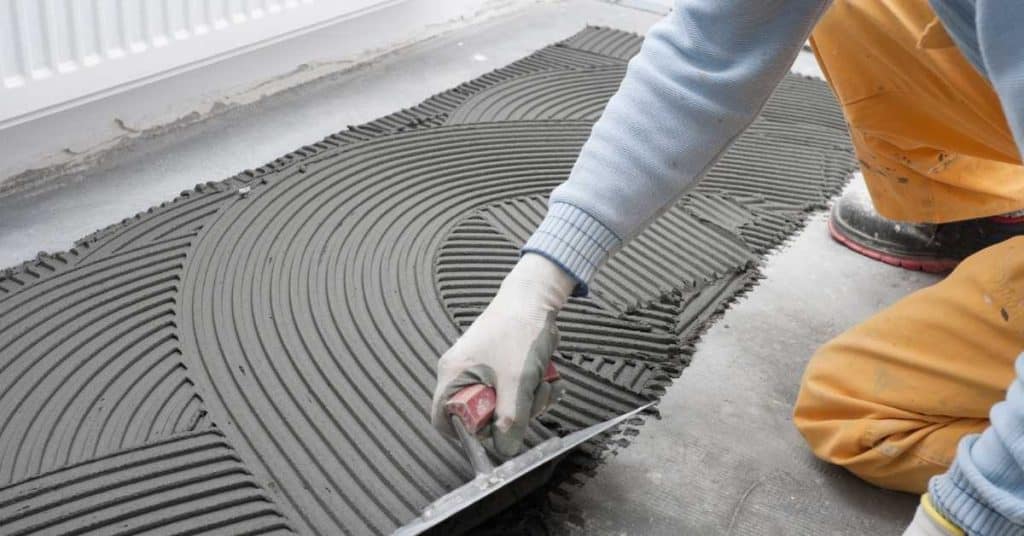
Person spreads thinset using a notched trowel, creating circular ridges.

Tile Leveling Systems Mistakes: When Clips Cause Lippage, Hollow Spots, or Wasted Time

Introduction Tile leveling systems are tools meant to hold tiles flat during setting, but when used wrong the clips and wedges can create lippage, hollow spots, or waste time. In plain terms: wrong clip placement, uneven mortar, or over-tightening are the usual culprits. This piece tells you what to watch for and how to think

Tile Leveling Systems Mistakes: When Clips Cause Lippage, Hollow Spots, or Wasted Time Read More »

Close-up of white subway tiles with visible grout lines

Do Subway Tiles Need Spacers? Layout Rules, Exceptions, and Best Practices

Introduction Subway tiles benefit from spacers to keep joints even and straight as you set rows. The idea is to create uniform grout lines while you work, and to understand that layout options come from pattern choices like running bond or stacked tile. Always check the tile manufacturer instructions and local rules for any specific

Do Subway Tiles Need Spacers? Layout Rules, Exceptions, and Best Practices Read More »

Hand holding grout float applying grout on mosaic tiles

Regrouting vs. Grout Refresh vs. Grout Stain: Which Fix Fits Which Problem

Introduction Regrouting, grout refresh, and grout stain are three ways to fix failing grout, each serving different needs. Regrouting means removing the old grout and putting in new grout where the joints have deteriorated. Grout refresh is a surface cleaning and sealing approach for grout that’s not structurally broken but looks dingy, while grout stain

Regrouting vs. Grout Refresh vs. Grout Stain: Which Fix Fits Which Problem Read More »