Search Results for: cement based filler

Worker smoothing plaster on drywall wearing safety helmet and mask

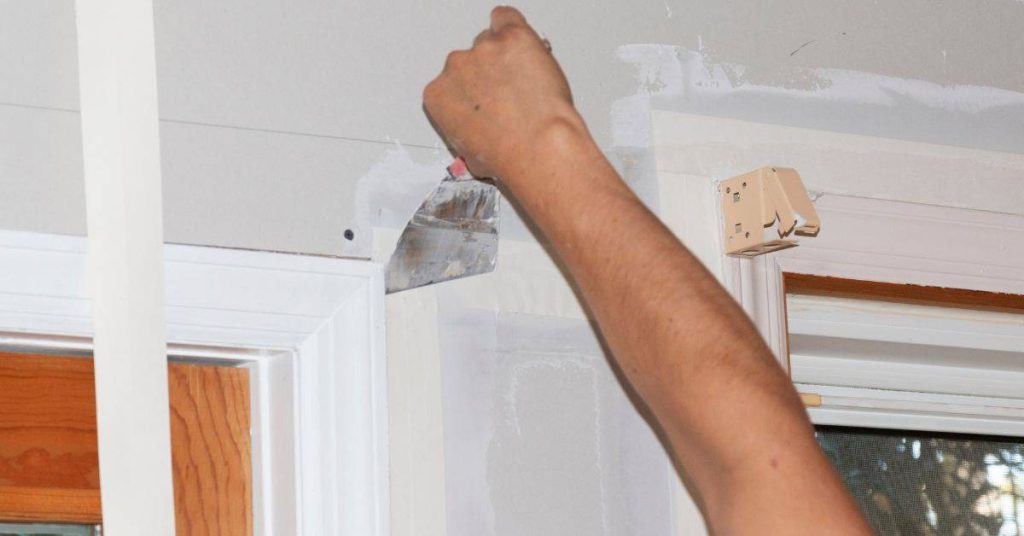
Gaps Between Trim and Wall: Fixing Wavy Drywall Without Replacing Trim

Introduction Gaps between trim and wall are gaps where the trim edge doesn’t sit tight against flat drywall. They happen when the drywall isn’t perfectly flush or the trim was fastened before the wall settled. You’ll see them most where corners and edges meet the wall surface. You can fix it without removing the trim

Gaps Between Trim and Wall: Fixing Wavy Drywall Without Replacing Trim Read More »

Worker in red overalls holding toolbox near garage door

Slab Insulation at Garage Door: Thermal Break Details That Actually Fit

Introduction A thermal break is a gap or barrier that reduces heat transfer between the concrete slab and the garage door opening. This introduction explains how slab insulation at the door area helps curb drafts and heat loss in plain, hands-on terms. We’ll keep it practical and avoid tech-heavy jargon so you can plan a

Slab Insulation at Garage Door: Thermal Break Details That Actually Fit Read More »

Worker applying grey epoxy floor coating with gloved hand

Primer for Overlays: Acrylic vs Epoxy (Choosing the Right System)

Introduction Acrylic and epoxy primers are two common options for preparing concrete overlays, each with distinct behavior and work styles. Acrylic primer typically dries faster and tolerates some movement, while epoxy primer tends to offer greater adhesion and chemical resistance. Look at the label for cure times, substrate compatibility, and any recommendations for overlays to

Primer for Overlays: Acrylic vs Epoxy (Choosing the Right System) Read More »

Concrete countertop with integrated sink and black faucet

Concrete Countertop Forms: Melamine vs Plastic vs Silicone Edges (Best Options)

Introduction Edge forms for a concrete countertop include melamine, plastic, and silicone options that shape and support the pour as it cures. Each type offers a different surface finish and release feel, so you’ll want to align your choice with the project needs. Always check the product label and manufacturer instructions, and confirm any local

Concrete Countertop Forms: Melamine vs Plastic vs Silicone Edges (Best Options) Read More »

Close-up of rough gray concrete wall surface

Backer Rod Sizing: How to Pick the Right Diameter for Concrete Joints

Introduction Backer rod sizing is choosing the right diameter to fit behind concrete joints before filling. For DIY projects, pick a diameter that fits the joint and leaves a small gap for the sealant. Always check the product label or manufacturer instructions for the recommended diameter for your joint, and measure the actual gap on

Backer Rod Sizing: How to Pick the Right Diameter for Concrete Joints Read More »

close up of gray concrete surface with visible cracks

Routing and Sealing Cracks: When a “V-Groove” Helps and When It Doesn’t

Introduction Routing and sealing cracks means cutting a V-shaped groove along the crack and sealing it to prevent further movement. It’s a technique that can help when the crack is stable and the substrate is sound, but it isn’t right for every crack or situation. Consider crack size, movement, and the surrounding material before choosing

Routing and Sealing Cracks: When a “V-Groove” Helps and When It Doesn’t Read More »