Search Results for: cement based filler

Light gray rough stucco texture with uneven surface

Hot Weather Stucco Repairs: Preventing shrink cracks and weak patches

Introduction Hot weather stucco repairs are fixes done when heat causes the mix to dry too fast, increasing shrinkage and weak patches. Try to schedule work for the cooler parts of the day and keep the surface damp as you go. Always follow the product label and local guidelines for curing and application. Key takeaways […]

Hot Weather Stucco Repairs: Preventing shrink cracks and weak patches Read More »

Brick chimney with smoke against clear blue sky

Chimney Stucco Cracks and Stains: Causes, repairs, and prevention

Introduction Chimney stucco cracks and stains are exterior flaws in the stucco coating caused by movement, moisture, or dirty runoff. These issues can signal underlying water intrusion or surface aging that needs attention. Identifying the cause helps you choose a safe, practical repair plan you can do yourself. Look for hairline cracks, efflorescence, or dark

Chimney Stucco Cracks and Stains: Causes, repairs, and prevention Read More »

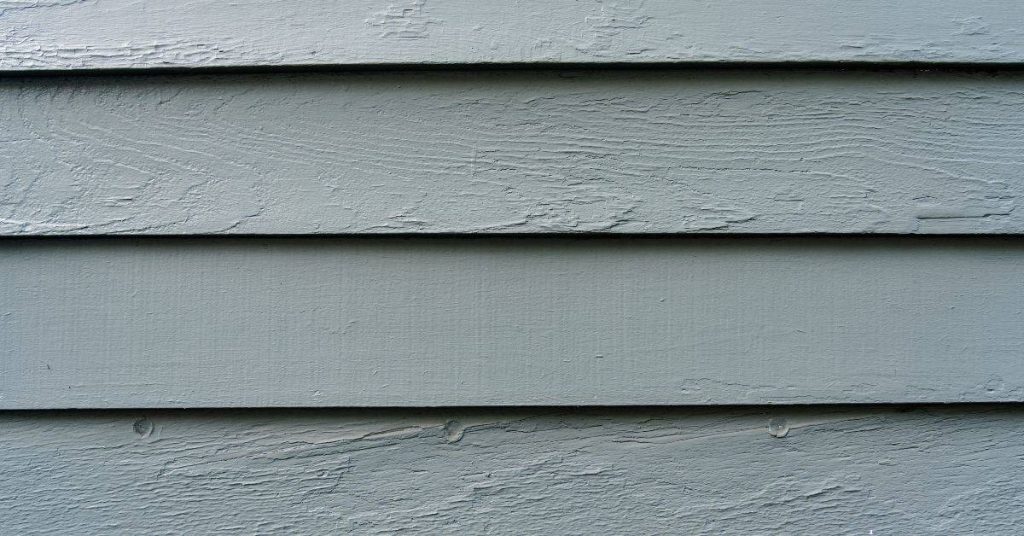
Closeup of painted wooden siding in gray color

Breathable Paint for Stucco: Choosing coatings that don’t trap moisture

Introduction Breathable paint for stucco lets moisture escape from the wall while protecting it from rain. As a DIYer, you want a coating that pins water to the surface but doesn’t trap it inside. Apply it with the right surface prep and follow the label for best results. When choosing coatings, look for breathable or

Breathable Paint for Stucco: Choosing coatings that don’t trap moisture Read More »

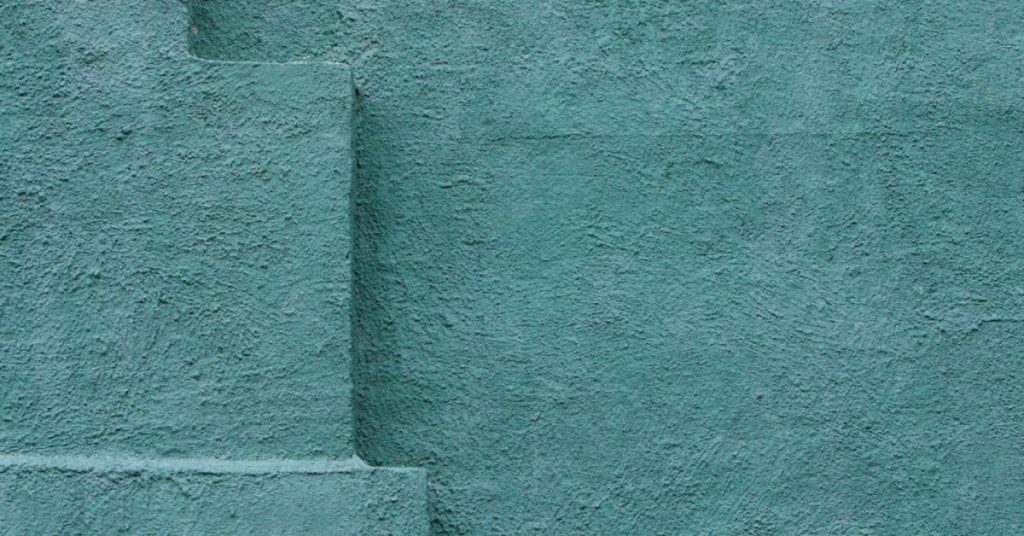
Close-up of blue stucco wall texture with slight indentations

Stucco Texture Repair After Pressure Washing Damage: How to rebuild the finish

Introduction This is the process of rebuilding a damaged stucco texture after pressure washing. You’ll assess the damage, prepare the surface, and re-apply texture to match the rest of the wall. Work in small sections and let your patch dry before finishing. Prepare the area by cleaning loose material and dampening the surface, then apply

Stucco Texture Repair After Pressure Washing Damage: How to rebuild the finish Read More »

Blue ladder in room with patched plaster walls

Baseboard Removal on Plaster: Patching without ripping out keys

Introduction Baseboard removal on plaster means carefully taking off the trim without damaging the plaster or its backing keys. It’s a hands-on task that requires gentle prying, small cuts with a utility knife, and patience. Plan to protect the wall surface and reuse or replace the trim as needed. Patching after removal focuses on backfilling

Baseboard Removal on Plaster: Patching without ripping out keys Read More »

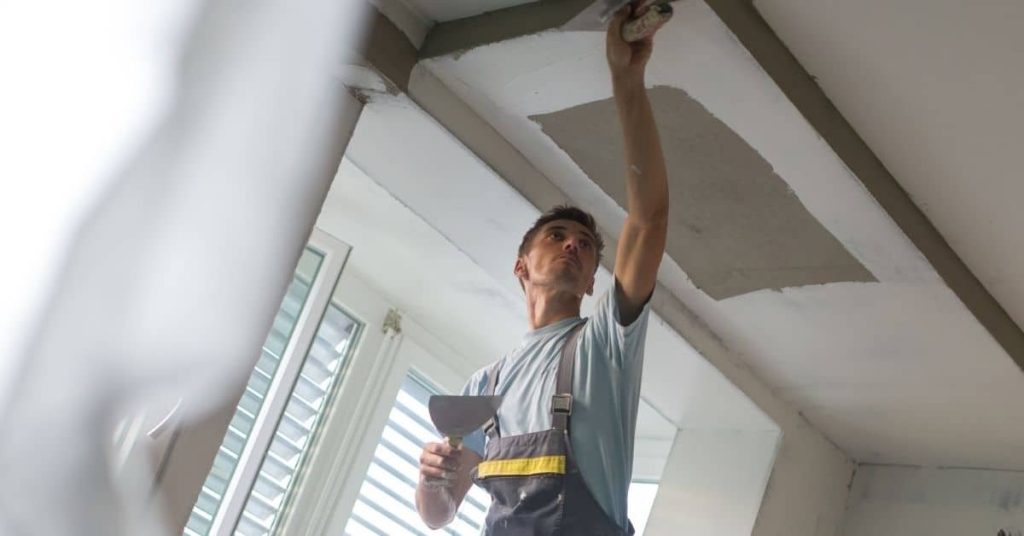
Smooth white plastered ceiling with single hanging light bulb

Blistering Plaster Finish Coats: Causes and a cleaner re-skim approach

Introduction Blistering plaster finish coats are finish layers that lift or bubble because moisture or poor adhesion gets trapped under the surface. In DIY work, heat, humidity, or applying a coat too thick can start blisters. A cleaner re-skim approach means removing the loose skin and reflowing the coat while following the product’s instructions. Begin

Blistering Plaster Finish Coats: Causes and a cleaner re-skim approach Read More »

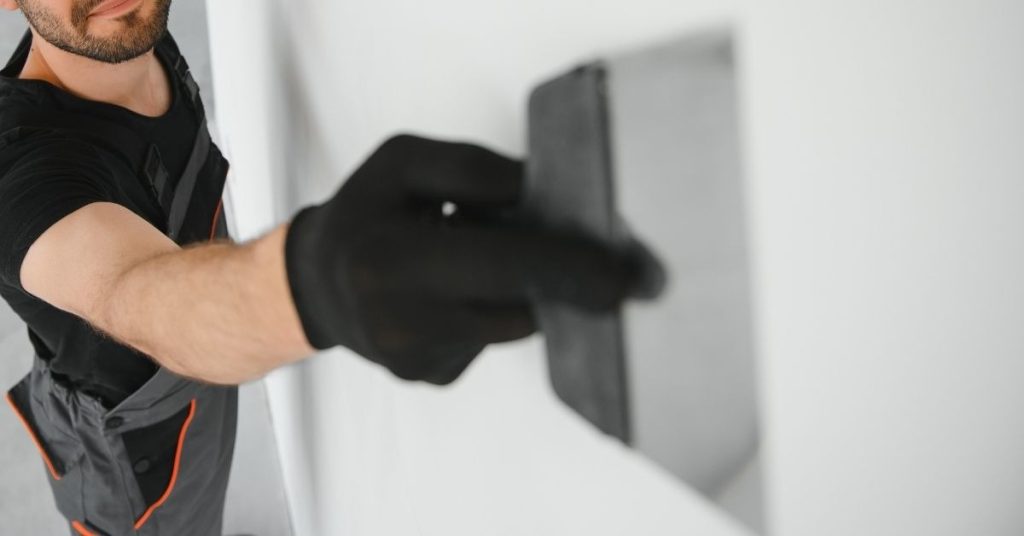
Worker smoothing plaster on wall with trowel

High-Suction Walls: Preventing plaster from flash-drying and tearing

Introduction High-suction walls pull moisture out of plaster too quickly, causing flash-drying and tearing. To work effectively, you need to control the wall’s thirst and pace your plastering. Keep the work steady and watch the surface for signs of fast drying. Control the suction by misting the wall lightly or using a wet bonding step

High-Suction Walls: Preventing plaster from flash-drying and tearing Read More »

Hands applying plaster on wall with trowel

Pinholes in Venetian Plaster: Causes and application tweaks to prevent them

Introduction Pinholes in Venetian plaster are small surface holes that appear when the plaster or glaze dries with trapped air. They usually come from air pockets formed during mixing, application, or drying, especially if coats are too thick or work is too wet. Filling them after the fact is harder than preventing them. To prevent

Pinholes in Venetian Plaster: Causes and application tweaks to prevent them Read More »