Search Results for: brown concrete

Gloved hand cleaning a wall with a green sponge

How to Paint Over Smoke Stains: Cleaning, sealing, and odor control

Introduction Painting over smoke stains means preparing the wall by cleaning soot, sealing to block odors, and applying fresh paint. This is a practical, hands-on job you can do with common tools. Assess the stains and follow the label on primers and paints for the right compatibility. Clean thoroughly with a suitable cleaner to lift […]

How to Paint Over Smoke Stains: Cleaning, sealing, and odor control Read More »

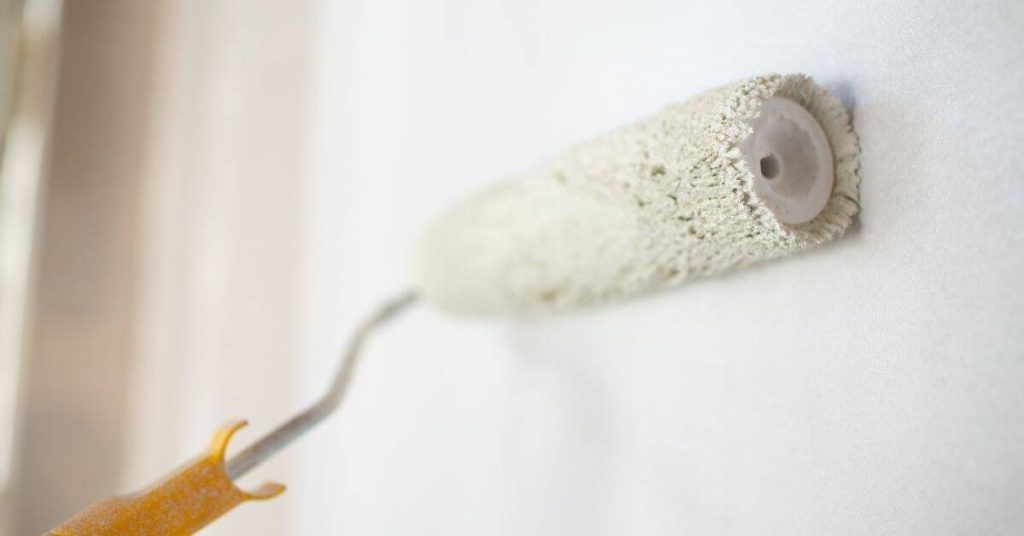
Worker wearing yellow helmet painting wall with roller

Painting Over Joint Compound: Priming to stop dull ‘dead spots’ on walls

Introduction Priming over joint compound means applying a primer to smooth, sealed drywall before painting to even out the surface. This helps dull spots and makes paint stick better across taped seams. Do the job with clean, dry surfaces and follow the primer label for dry times. Choose a primer designed for drywall and joint

Painting Over Joint Compound: Priming to stop dull ‘dead spots’ on walls Read More »

Man patching plaster on interior wall with putty knife

Patching Clay Plaster: Matching texture and color without a patch ring

Introduction Patching clay plaster means repairing damaged plaster by blending fresh material with the surrounding texture so the patch isn’t obvious. This guide treats texture and color matching as a hands-on, jobsite task you can do with basic tools. You’ll work in small steps, testing on a scrap area first. Start by cleaning the area,

Patching Clay Plaster: Matching texture and color without a patch ring Read More »

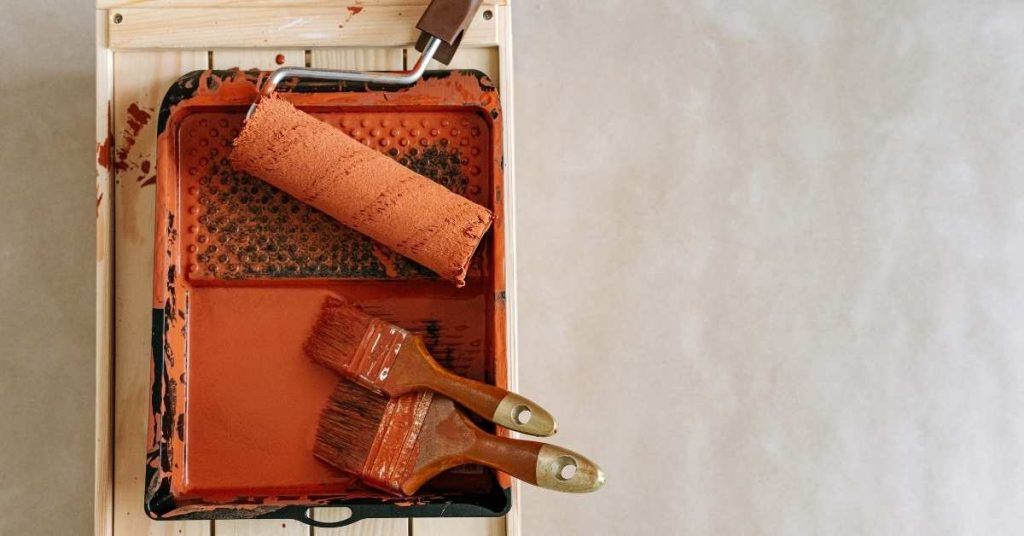
rust-colored paint roller and paintbrushes in tray on wooden surface

Painting Over Rust: Stopping bleed-through and preventing return rust

Introduction Painting over rust means sealing and coating metal surfaces to stop rust bleed-through and prevent future rust. You’ll assess the rust, clean the area, and choose a compatible primer and paint that sticks. Be sure to follow product labels and local rules. Plan to remove loose rust, neutralize corrosion as needed, and apply a

Painting Over Rust: Stopping bleed-through and preventing return rust Read More »

Construction worker painting a small yellow patch on white wall

Choosing Wall Sheen: Washability vs touch-up friendliness in real rooms

Introduction Choosing wall sheen means picking a paint feature that balances washability and touch-up ease in real rooms. In practice, you want a finish that cleans up without showing every scuff. Think about high-traffic areas and kitchens. Read the label or talk with the paint shop about washability and touch-up performance. If you want a

Choosing Wall Sheen: Washability vs touch-up friendliness in real rooms Read More »

Hand applying gray stucco to exterior wall with trowel

New Stucco Over Old Stucco: When it’s safe and how to prep properly

Introduction Yes—new stucco can go over old stucco when the base is sound. Look for cracks, loose sections, and obvious moisture problems and address them. Ask about local rules and follow manufacturer instructions for the products you choose. Prepare the surface by cleaning, repairing loose areas, and ensuring a stable bond. Prime as directed and

New Stucco Over Old Stucco: When it’s safe and how to prep properly Read More »

Light gray rough stucco texture with uneven surface

Hot Weather Stucco Repairs: Preventing shrink cracks and weak patches

Introduction Hot weather stucco repairs are fixes done when heat causes the mix to dry too fast, increasing shrinkage and weak patches. Try to schedule work for the cooler parts of the day and keep the surface damp as you go. Always follow the product label and local guidelines for curing and application. Key takeaways

Hot Weather Stucco Repairs: Preventing shrink cracks and weak patches Read More »

Person applying stucco plaster to wall with trowel

Winter Stucco Repairs: Temperature tricks that avoid powdery failures

Introduction Winter stucco repairs are methods to fix cracked or damaged stucco in cold weather while avoiding powdery failures by controlling temperature during mixing, application, and curing. Keep the mix and the surface warm enough before you work, and monitor the curing environment. Plan for a dry, protected area and test the surface feel before

Winter Stucco Repairs: Temperature tricks that avoid powdery failures Read More »