Search Results for: bricks vs stone wall strength

Closeup of red brick wall with mortar joints

Type N vs Type S Mortar: Which One to Use for Block, Brick, and Stone

Introduction Type N mortar is a medium-strength masonry mix used for general-purpose joints. It balances workability with enough strength for blocks, bricks, and stone in typical home projects. Check the product label and local requirements to confirm it fits your wall type and curing needs. Type S mortar is a higher-strength option that resists higher […]

Type N vs Type S Mortar: Which One to Use for Block, Brick, and Stone Read More »

Bucket with mortar mixing paddle and hand tools inside

Grout vs Mortar vs Thinset: Picking the Right Material for Each Job

Introduction Grout, mortar, and thinset are three distinct masonry materials used for different jobs: grout fills gaps between tiles, mortar binds bricks or blocks, and thinset is a cement-based adhesive for setting tiles. In DIY work, choose based on whether you need bonding, filling, or leveling, and adjust for indoor vs outdoor use. Standard blends

Grout vs Mortar vs Thinset: Picking the Right Material for Each Job Read More »

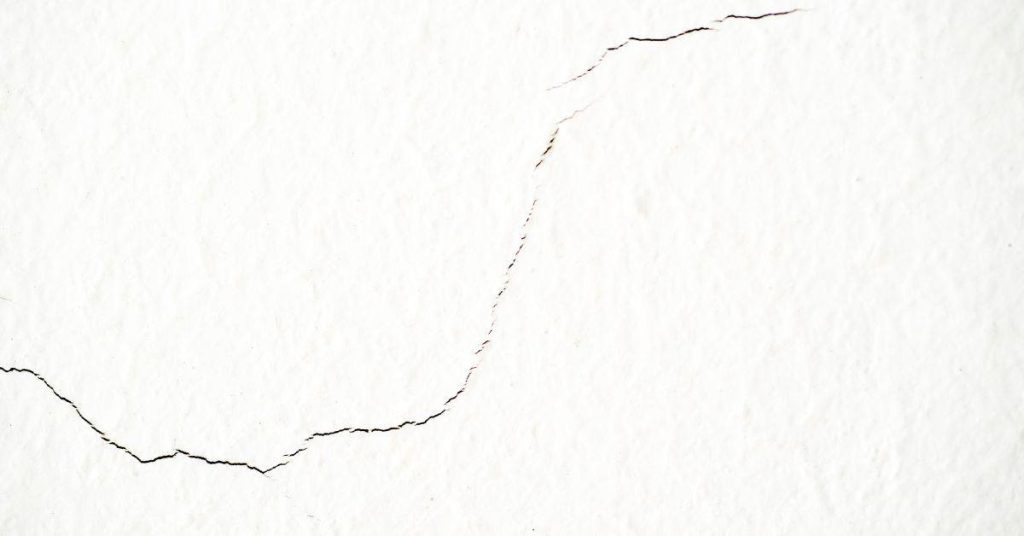
Close-up of thin crack on white stucco wall surface

Modulus of Rupture vs Compressive Strength: What Matters for Thin Overlays

Introduction MOR, or modulus of rupture, is a measure of how much bending a material can withstand before cracking. Compressive strength is how much load a material can bear when squeezed. For thin overlays, MOR often matters for crack resistance under bending, while compressive strength relates to overall crush resistance. Testing MOR usually involves bending

Modulus of Rupture vs Compressive Strength: What Matters for Thin Overlays Read More »

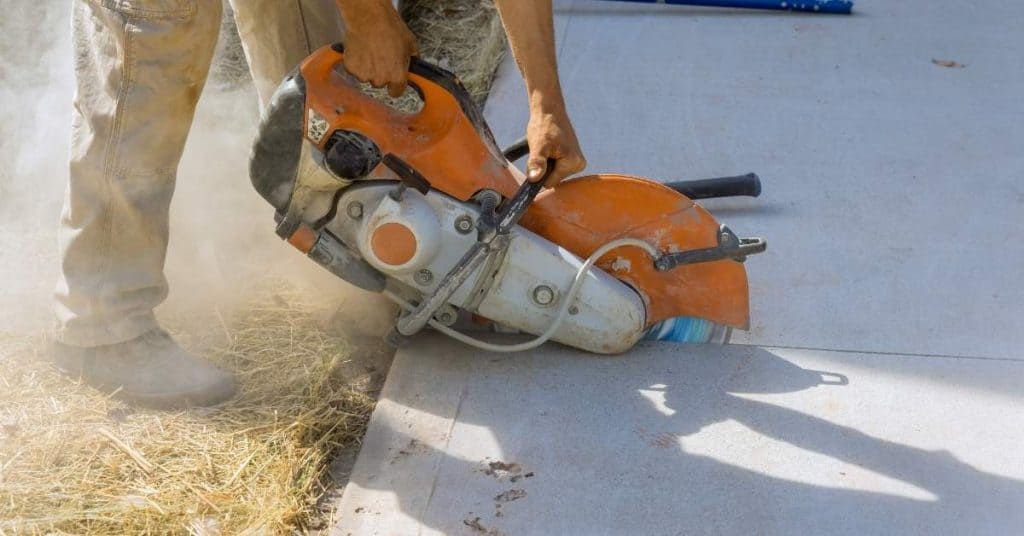
Worker using a concrete saw to cut a line in the driveway.

Tooled Joints Vs Sawed Joints: What to Choose on Small Patios and Walks

Introduction For small patios and walks, tooled joints generally provide tighter seams and greater durability than sawed joints. You’ll learn how to weigh appearance, maintenance, and installation considerations, and the guide walks you through practical tips for choosing and applying the method. Key takeaways Tooled joints resist uplift on mortar-less patios but require consistent jointing

Tooled Joints Vs Sawed Joints: What to Choose on Small Patios and Walks Read More »

Concrete mixer truck next to unfinished concrete building

Cement vs Concrete: Timeline & Duration – When to Use Each

Introduction The timeline and duration of your project are crucial factors when choosing between cement and concrete. Understanding the setting times, curing processes, and overall project timelines can help you plan effectively. This guide walks you through the key differences in timing for both materials, helping you make an informed decision based on your project’s

Cement vs Concrete: Timeline & Duration – When to Use Each Read More »

Casing Bead Vs J-Bead Vs L-Bead: Where Each Belongs Around Openings

Casing Bead Vs J-Bead Vs L-Bead: Where Each Belongs Around Openings

Introduction Casing bead, J-bead, and L-bead each serve different roles around openings, so choosing the right one improves fit, protection, and finish. This guide explains when to use each bead type and walks through practical tips, common installation scenarios, and rules of thumb you can apply on real projects. You’ll learn how to assess reveals,

Casing Bead Vs J-Bead Vs L-Bead: Where Each Belongs Around Openings Read More »

Preparing Damp Basement Walls for Paint: Drying, Dehumidifying, and Coating Solutions

Preparing Damp Basement Walls for Paint: Drying, Dehumidifying, and Coating Solutions

Introduction To prepare damp basement walls for painting, dry the walls, reduce humidity, and apply appropriate coatings. The guide explains practical drying methods, humidity control tips, and coating options you can use to prevent moisture problems and achieve a lasting, smooth finish. Related: 7 Common Causes of Watery Paint and How to Fix Them. Key

Preparing Damp Basement Walls for Paint: Drying, Dehumidifying, and Coating Solutions Read More »

Step-by-Step: Performing a Diy Moisture Scan Around Windows and Flashing in Stucco Walls

Step-by-Step: Performing a Diy Moisture Scan Around Windows and Flashing in Stucco Walls

Introduction You can perform a DIY moisture scan around windows and flashing in stucco walls to detect hidden moisture. The guide walks through practical steps, safety tips, and common signs of water intrusion, so you’ll learn how to inspect flashing, assess the condition around window openings, and understand what actions to take to protect the

Step-by-Step: Performing a Diy Moisture Scan Around Windows and Flashing in Stucco Walls Read More »

Using Polymer Sand Vs. Mortar in Wide Paver Joints on Concrete

Using Polymer Sand Vs. Mortar in Wide Paver Joints on Concrete

Table of Contents Quick comparison: polymeric sand vs mortar (summary) Suitable joint widths and depths for each material Prep steps for existing pavers on concrete Application process for polymeric sand (detailed how‑to) Application process for mortar (detailed how‑to) Drainage, substrate and edge restraint considerations Durability, flexibility, and lifecycle performance Cost, time and labor comparison (initial

Using Polymer Sand Vs. Mortar in Wide Paver Joints on Concrete Read More »

Reclaiming Leftover Concrete into Stepping Stones

Reclaiming Leftover Concrete into Stepping Stones

Table of Contents Why Reclaim Concrete for Stepping Stones? Assessing and Sorting Leftover Concrete Tools, Materials and Safety Gear Checklist Preparing Molds and Forms for Stepping Stones Recipes and Mixing Strategies for Variable Leftover Concrete Reinforcement, Layering and Structural Techniques Casting and Finishing Techniques Curing, Demolding and Post-Cure Treatments Design Ideas and Decorative Treatments Troubleshooting

Reclaiming Leftover Concrete into Stepping Stones Read More »