Search Results for: brick without cleaning mortar

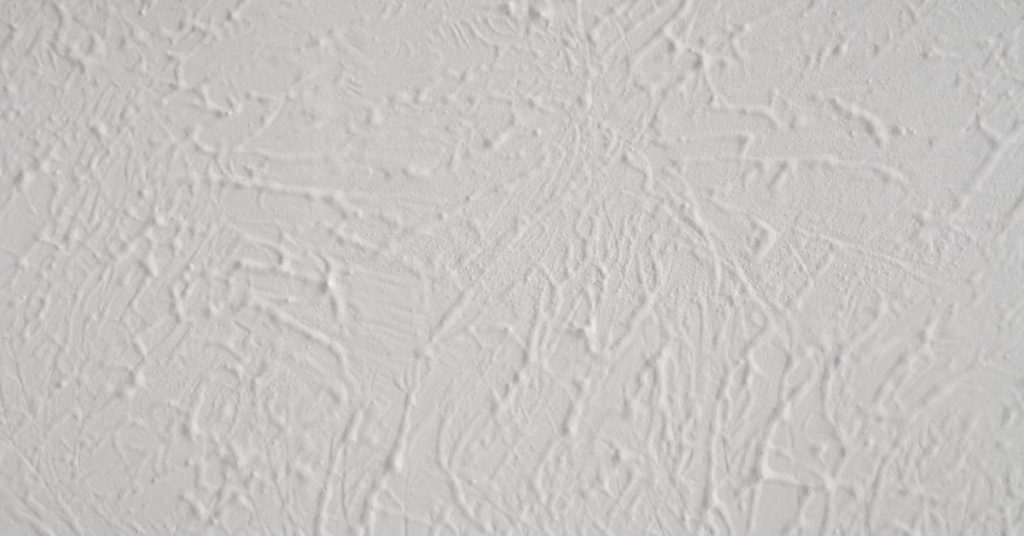
Close-up of textured white plaster wall finish

Plaster Feather Edges That Don’t Flake: Keying, Wetting, and Finish Timing

Introduction Plaster feather edges that don’t flake are thin finish edges keyed and bonded to the existing surface, wetted and timed correctly so the new plaster grabs without lifting. Check whether the area needs repair by tapping or scraping loose material and by checking for movement; if substrate is dusty, crumbling, or contaminated you must […]

Plaster Feather Edges That Don’t Flake: Keying, Wetting, and Finish Timing Read More »

Close-up of crack on textured stucco wall surface

Elastomeric Paint vs Masonry Paint: Thickness, Crack Bridging, and Recoat Timing

Introduction Elastomeric paint is a high-build, flexible coating designed to bridge small hairline cracks and move with the wall, while masonry paint is a thinner, protective finish for porous surfaces; choose by how much movement and build you need. In plain jobsite terms: elastomeric lays on thicker and stretches, masonry paint lays on thinner and

Elastomeric Paint vs Masonry Paint: Thickness, Crack Bridging, and Recoat Timing Read More »

Thick yellow paint strokes on a white surface

Mineral Paint vs Acrylic on Masonry: Breathability, Washability, and Best Use Cases

Introduction Mineral paint is a thin, breathable coating made from mineral binders that soaks into masonry while acrylic is a film-forming paint that sits on the surface and sheds water. For DIY use, think mineral paint where you need vapor permeability and historical compatibility, and acrylic where you need tougher washability and abrasion resistance. Check

Mineral Paint vs Acrylic on Masonry: Breathability, Washability, and Best Use Cases Read More »

Woman scraping paint from white interior wall

Removing Paint From Masonry: Chemical Strippers vs Grinding and How to Avoid Scarring

Introduction Removing paint from masonry means choosing between chemicals that soften coatings and mechanical grinding that abrades them, and the right choice depends on the paint type, the masonry surface, and how careful you need to be to avoid damage. For a DIYer that often means weighing slower, gentler chemical strippers against faster, more aggressive

Removing Paint From Masonry: Chemical Strippers vs Grinding and How to Avoid Scarring Read More »

Hand painting wooden cabinet door with blue paint roller

Painting Over Old Limewash: Identification, Neutralization, and Best Primers

Introduction Painting over old limewash can be a challenge due to its unique composition and properties. This guide will help you identify, neutralize, and prime your limewashed surfaces for successful painting. Key takeaways Identify limewash by chalky finish, mineral content, and matte, breathable film. Test adhesion with scrape and moisture penetration before priming. Contain dust,

Painting Over Old Limewash: Identification, Neutralization, and Best Primers Read More »

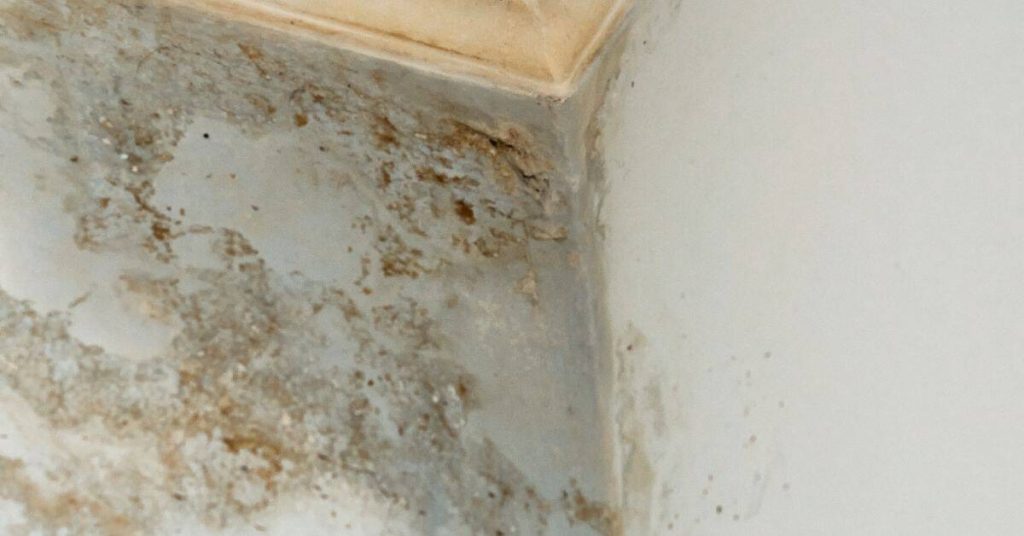
Wall corner with visible mold and water damage stains

Repainting After Mold Remediation: Drying Targets, Primers, and Mildew-Resistant Topcoats

Introduction Repainting after mold remediation means waiting until the surface is fully dry, priming any repaired or stained areas, and finishing with a mildew-resistant topcoat chosen for the substrate. Do the drying check yourself and follow product label instructions for primer and paint compatibility. Treat it like a site repair: clean, dry, prime, then topcoat.

Repainting After Mold Remediation: Drying Targets, Primers, and Mildew-Resistant Topcoats Read More »

Worker plastering ceiling with trowel in orange outfit

Plastering Over Painted Masonry: A Step-by-Step Timeline for Optimal Bonding

Introduction The process of plastering over painted masonry can be time-consuming, but with a well-planned timeline, you can ensure a strong bond and professional-looking results. This step-by-step guide walks you through the entire process, from surface preparation to application, with an emphasis on how long each stage takes. Understanding the duration of each step is

Plastering Over Painted Masonry: A Step-by-Step Timeline for Optimal Bonding Read More »

Close-up of a pointed metal scratch tool tip wrapped in paper

Plaster Over Cement Board: Step-by-Step Timeline and Duration Guide

Introduction The process of plastering over cement board involves several steps that require careful timing to ensure a successful outcome. Understanding the timeline and duration for each stage is crucial for planning your project effectively. In this guide, we’ll walk you through the step-by-step timeline of plastering over cement board, helping you allocate the right

Plaster Over Cement Board: Step-by-Step Timeline and Duration Guide Read More »

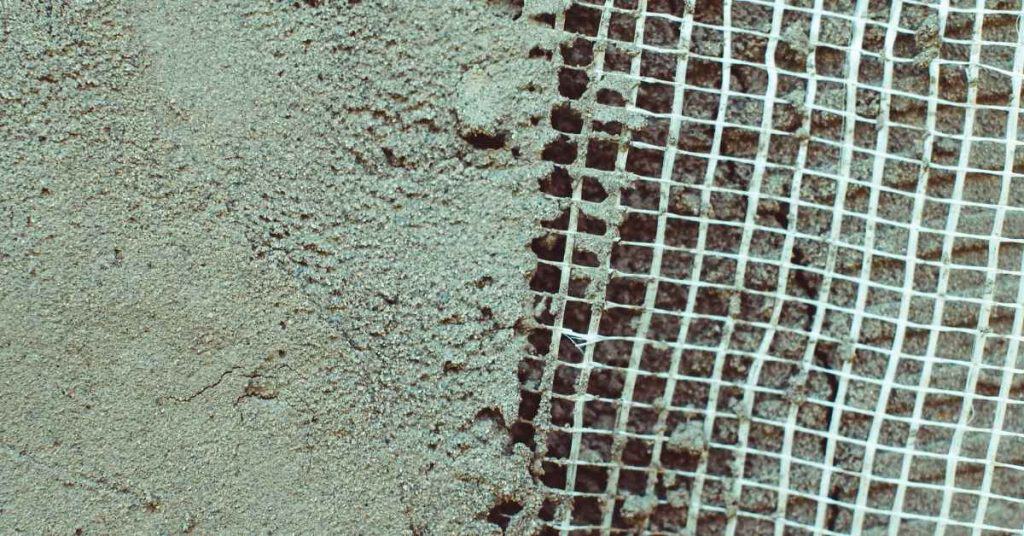
White mesh lath grid adjacent to cement-coated surface.

Replacing Rusted Metal Lath in a Small Area: Patch Boundaries and Fastener Choices

Introduction Replacing rusted metal lath in a small area means cutting out the corroded section, fitting a matching piece of new lath, and fastening it so the patch ties into solid surrounding material. Identify the rotted or rust-stained parts and pick a replacement lath type that matches or is compatible; check product labels or manufacturer

Replacing Rusted Metal Lath in a Small Area: Patch Boundaries and Fastener Choices Read More »

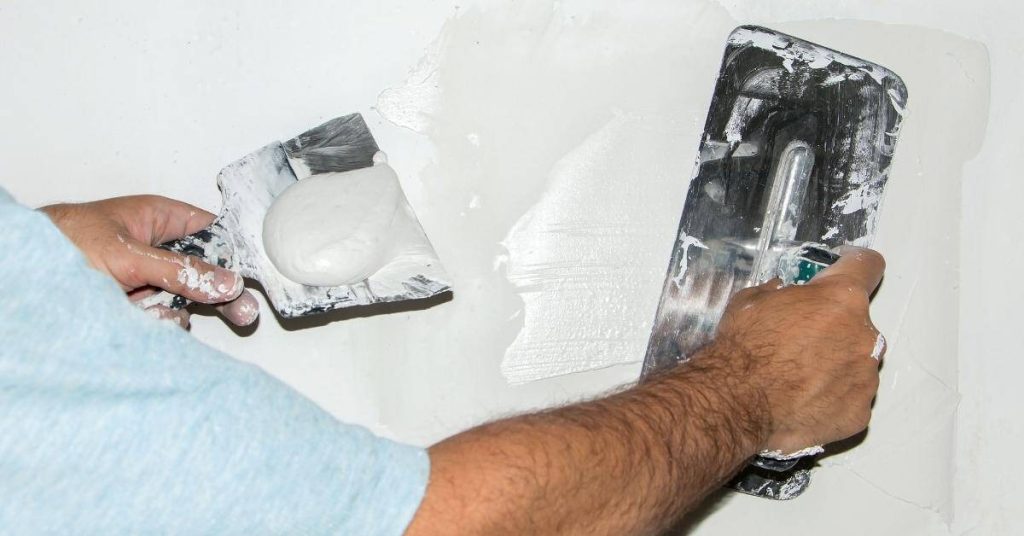
Person applying white plaster to wall with trowel and hawk

Plaster Undercoats on CMU: Step-by-Step Timeline and Duration Guide

Introduction The timeline for applying plaster undercoats on concrete masonry units (CMU) is crucial to ensure a successful, durable finish. Understanding the duration of each step helps you plan your DIY project efficiently. From surface preparation to cure timing, this guide walks you through the process, helping you allocate sufficient time for each task and

Plaster Undercoats on CMU: Step-by-Step Timeline and Duration Guide Read More »