Search Results for: brick without cleaning mortar

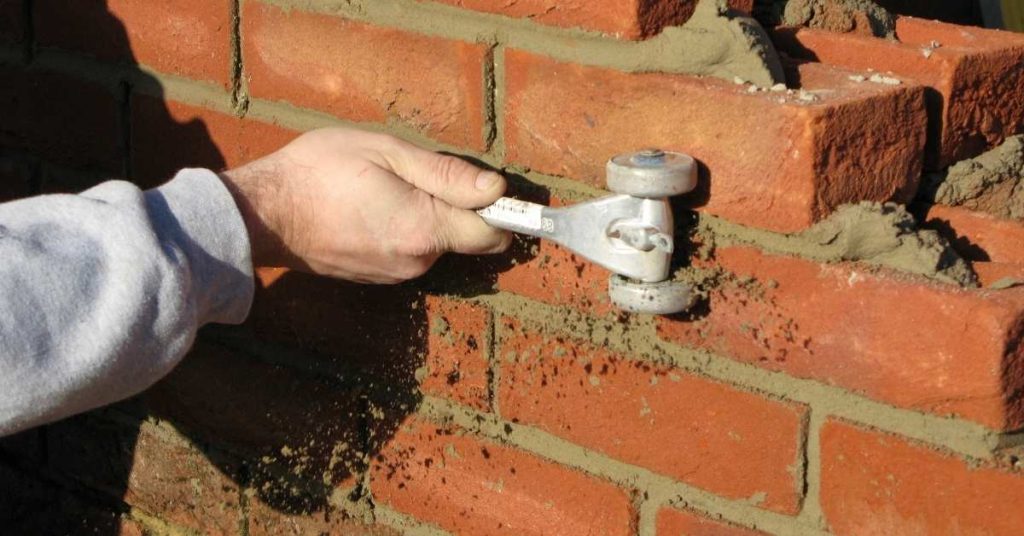
Hand using roller tool on fresh mortar between red bricks

Brick expansion joints: where they belong and how to reseal them

Introduction Brick expansion joints are gaps that allow movement between sections of brickwork as structures expand and contract. They help prevent cracking and mortar damage by accommodating seasonal and load changes. Identifying where these joints exist and how they should be resealed is a hands-on maintenance task rather than a cosmetic repair. Look for irregular […]

Brick expansion joints: where they belong and how to reseal them Read More »

Person holding green electric drill against white brick wall

Repairing chipped brick corners: patch materials that blend (and those that don’t)

Introduction Repairing chipped brick corners means restoring the edge with patch materials that match the surrounding masonry. This guide focuses on practical choices and steps you can take to blend or distinguish patches as needed. Material options range from blends that closely match color and texture to those that are meant to be obvious. Prepare

Repairing chipped brick corners: patch materials that blend (and those that don’t) Read More »

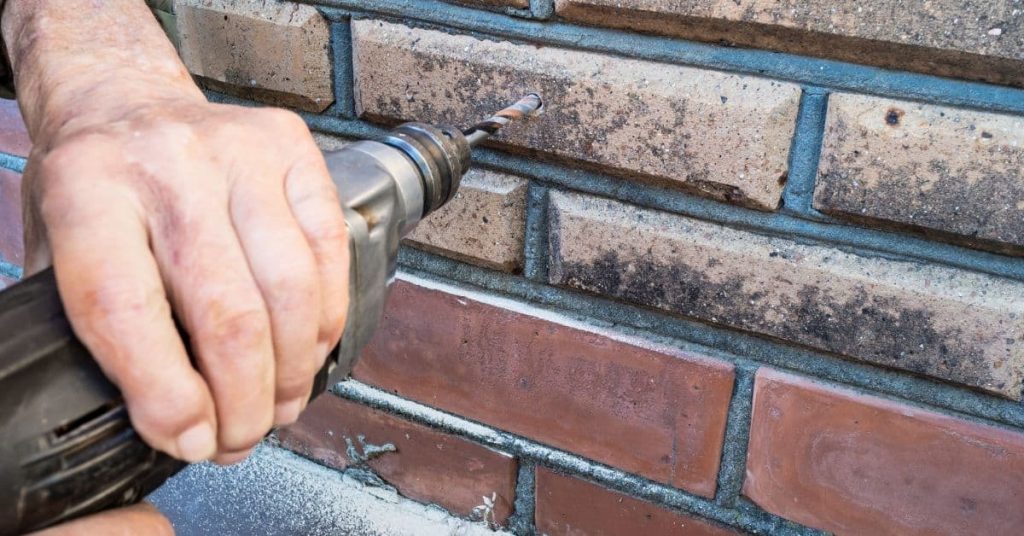
Hand holding drill making hole in brick wall

Salt damage to brick near sidewalks: preventing splashback and replacing compromised units

Introduction Salt damage to brick near sidewalks is deterioration caused by salt exposure that draws moisture and can cause spalling or flaking. This article explains how splashback occurs and what you can do to reduce damage before inspecting or replacing bricks. To approach the job, start by looking for efflorescence, cracks, or loose units near

Salt damage to brick near sidewalks: preventing splashback and replacing compromised units Read More »

Person holding turquoise electric drill with gloves drilling wall

Drilling into brick: choosing anchors that won’t crack the face

Introduction Drilling into brick safely means selecting anchors that distribute load without cracking the face. It’s a hands-on task that starts with choosing the right anchor and understanding the brick surface. Plan to test a small area and work patiently to avoid damage. Tools you’ll need include a drill with adjustable speed, a masonry bit,

Drilling into brick: choosing anchors that won’t crack the face Read More »

black painted brick wall with uneven sheen in lighting

Breathable brick sealers in wet climates: picking products that don’t trap moisture

Introduction Breathable brick sealers allow moisture to pass through while protecting the surface. They help balance protection with drying, which is crucial in damp environments. This article covers how to pick products that won’t trap moisture and how to apply them safely. Two practical concepts to know are vapor-permeable sealers versus film-forming ones. A simple

Breathable brick sealers in wet climates: picking products that don’t trap moisture Read More »

Hand with orange glove laying a brick on mortar

Brick chimney caps and spark arrestors: sizing, attachment, and draft considerations

Introduction Brick chimney caps and spark arrestors are protective covers on top of a masonry chimney that help contain embers, reduce water intrusion, and influence draft, sizing, and attachment should fit the chimney opening and flue arrangement. Choose from material options that resist heat and weather, and plan for proper alignment and secure attachment to

Brick chimney caps and spark arrestors: sizing, attachment, and draft considerations Read More »

Worker painting a wall with roller wearing yellow helmet

Brick staining vs painting: durability, appearance, and moisture risks

Introduction Brick staining and painting are two approaches to changing brick color and protection, with staining penetrating the surface and painting applying an opaque coating. Staining preserves the brick texture and natural variation, while painting hides texture and creates a solid color finish. Both options are DIY-friendly in concept, but they require different surface prep

Brick staining vs painting: durability, appearance, and moisture risks Read More »

close-up of weathered rough red brick wall texture

Brick step settlement: drainage fixes and reset strategies that hold

Introduction Brick step settlement occurs when the treads move out of level due to soil drainage and footing issues. Identifying stair-step cracks and understanding basic causes helps you decide if a DIY reset is feasible. This guide sticks to plain language and practical steps you can assess on the job. Drainage fixes and reset strategies

Brick step settlement: drainage fixes and reset strategies that hold Read More »

Man in red shirt working with toolbox and electric drill by pool

Brick walkway weeds: jointing options and maintenance that doesn’t erode sand

Introduction Brick walkway weeds occur when the joints between bricks are open enough for weed seeds to take root. This article looks at options to fill those joints and keep the sand in place without eroding. It’s written as a practical, hands-on guide you can use on a DIY project. Jointing sand options range from

Brick walkway weeds: jointing options and maintenance that doesn’t erode sand Read More »

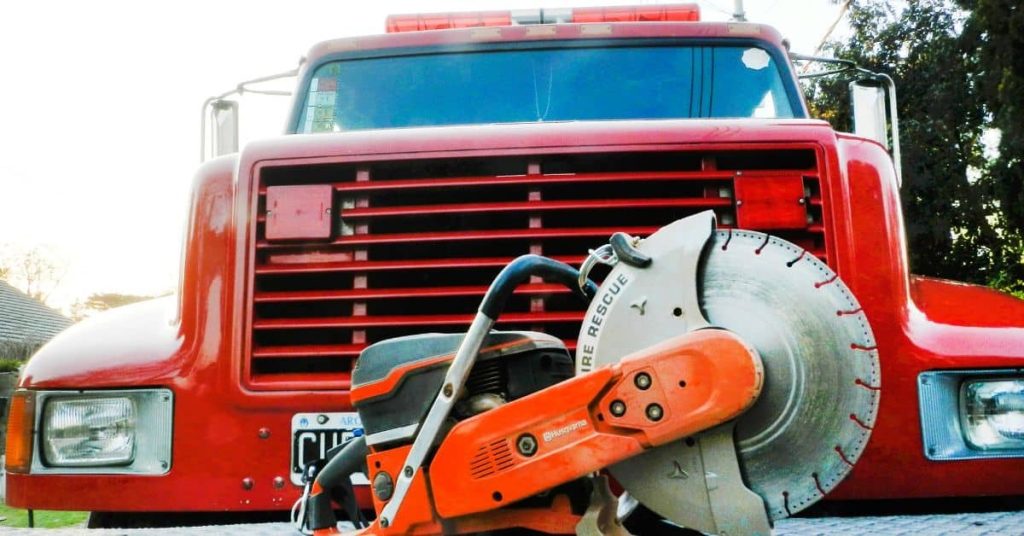
Close-up of red gas-powered cutting saw in front of vehicle

Cutting brick cleanly: blade choice, support, and minimizing blowout

Introduction Cutting brick cleanly means controlling the cut with the right blade, steady support, and careful technique. Choose a blade designed for brick and masonry, and pair it with proper support to reduce chipping. Always check the manufacturer instructions and local rules for your tool and material. Use a suitable diamond blade for brick, and

Cutting brick cleanly: blade choice, support, and minimizing blowout Read More »