Search Results for: brick joint height

Workers applying fresh stucco to exterior wall

How to Add a Control Joint to Existing Stucco (Is It Possible?)

Introduction Yes, you can add a control joint to existing stucco by creating a defined break and backing it with proper trim to control cracking. Key takeaways Assess stucco condition and substrate integrity before planning any control joint. Identify joint type (pre-molded, formed, or saw-cut) suitable for existing stucco. Gather tools: chisel, grinder with diamond […]

How to Add a Control Joint to Existing Stucco (Is It Possible?) Read More »

Closeup of red brick wall with visible mortar joints

Stucco Control Joints: Where They Go and Why They Prevent Cracks

Introduction Control joints are intentional breaks in stucco that give the wall somewhere to move, helping to prevent random cracks. They exist to manage movement from framing, temperature, and moisture rather than to hide cracks after they form. Always check manufacturer guidance and local rules for how wide, where to place, and how to install

Stucco Control Joints: Where They Go and Why They Prevent Cracks Read More »

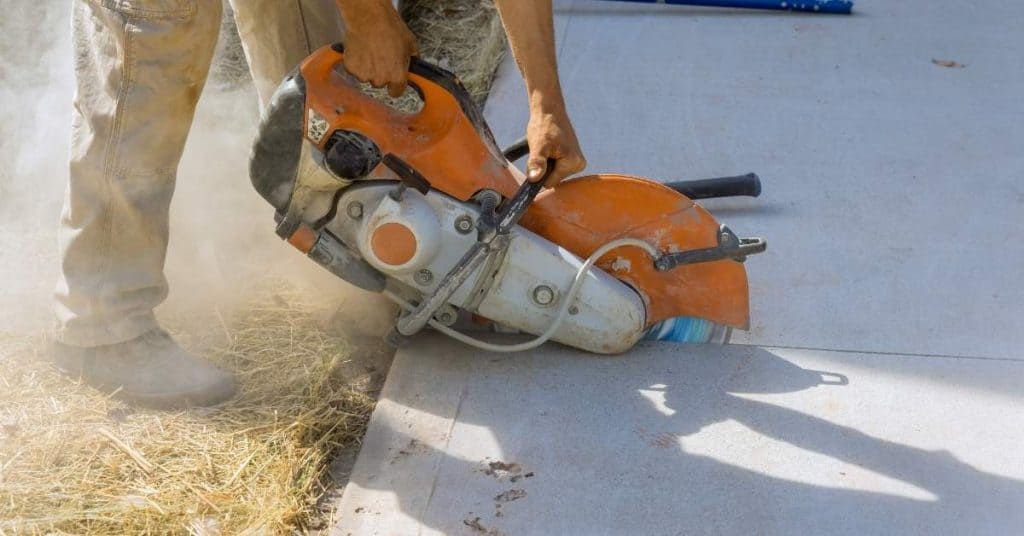
Worker using a concrete saw to cut a line in the driveway.

Tooled Joints Vs Sawed Joints: What to Choose on Small Patios and Walks

Introduction For small patios and walks, tooled joints generally provide tighter seams and greater durability than sawed joints. You’ll learn how to weigh appearance, maintenance, and installation considerations, and the guide walks you through practical tips for choosing and applying the method. Key takeaways Tooled joints resist uplift on mortar-less patios but require consistent jointing

Tooled Joints Vs Sawed Joints: What to Choose on Small Patios and Walks Read More »

How to Pour a Slab That Meets an Existing Doorway Height Without a Trip Lip

How to Pour a Slab That Meets an Existing Doorway Height Without a Trip Lip

Introduction You can pour a concrete slab that aligns with an existing doorway height without creating a trip lip. The guide walks you through measuring the opening, planning form setup, and making edge and level adjustments so the slab transitions smoothly into the door. You’ll learn practical steps, common pitfalls, and quick rules of thumb

How to Pour a Slab That Meets an Existing Doorway Height Without a Trip Lip Read More »

Expansion/Movement Joints: Where to Leave Gaps and How to Finish Them Cleanly

Expansion/Movement Joints: Where to Leave Gaps and How to Finish Them Cleanly

Introduction Leave proper gaps at expansion and movement joints to accommodate building movement and prevent cracking. This introduction explains how to choose appropriate gap sizes, where joints belong, and how to finish them cleanly with durable sealants and proper detailing. You’ll learn practical tips, common mistakes to avoid, and a straightforward approach to creating joints

Expansion/Movement Joints: Where to Leave Gaps and How to Finish Them Cleanly Read More »

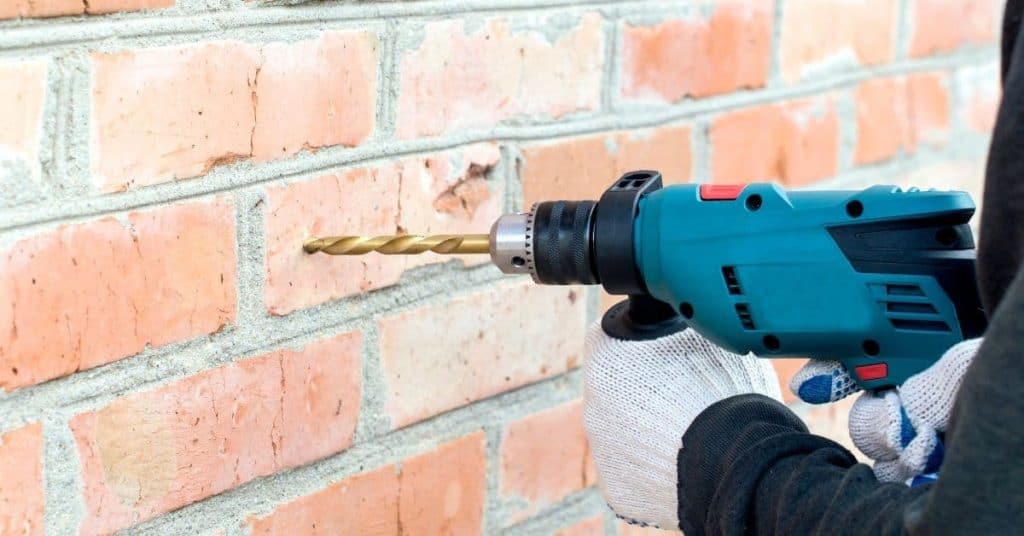
Anchorage in Old Brick—Safe Methods and Cautions

Anchorage in Old Brick—Safe Methods and Cautions

Table of Contents Overview and Purpose Assessing Brick & Mortar Condition Brick Types and Their Implications Mortar Joint Characteristics and Risks Anchor Types—Overview Choosing the Right Anchor Load Types and Calculations Drill Bits, Hole Preparation, and Cleaning Installing Mechanical Anchors (Step-by-Step) Installing Chemical (Adhesive) Anchors (Step-by-Step) Anchoring into Hollow Brick and Cavity Walls Anchorage for

Anchorage in Old Brick—Safe Methods and Cautions Read More »

Using Polymer Sand Vs. Mortar in Wide Paver Joints on Concrete

Using Polymer Sand Vs. Mortar in Wide Paver Joints on Concrete

Table of Contents Quick comparison: polymeric sand vs mortar (summary) Suitable joint widths and depths for each material Prep steps for existing pavers on concrete Application process for polymeric sand (detailed how‑to) Application process for mortar (detailed how‑to) Drainage, substrate and edge restraint considerations Durability, flexibility, and lifecycle performance Cost, time and labor comparison (initial

Using Polymer Sand Vs. Mortar in Wide Paver Joints on Concrete Read More »

Repointing Vertical Brick Joints Without Drool Lines

Repointing Vertical Brick Joints Without Drool Lines

Table of Contents Table of Contents Introduction Introduction to Repointing Brick Joints Tools and Materials Needed Mastering the Tools for Repointing Brick Joints Step-by-Step Repointing Process Techniques to Avoid Drool Lines Cleaning Excess Mortar Common Mistakes to Avoid Solving Common Problems in Repointing Work Maintenance Tips for Repointed Brickwork Differences Between Vertical and Horizontal Joint

Repointing Vertical Brick Joints Without Drool Lines Read More »

Tuckpointing Basics for Block and Brick Diyers

Tuckpointing Basics for Block and Brick Diyers

Table of Contents Introduction Understanding Tuckpointing Tools and Materials Needed Preparing for a Tuckpointing Project Step-by-Step Tuckpointing Guide Safety Precautions and Best Practices Cost Analysis: DIY vs. Professional Services Overcoming Common Tuckpointing Challenges Environmental Considerations Conclusion FAQ Introduction Tuckpointing involves removing old mortar from the joints of block and brick structures and replacing it with

Tuckpointing Basics for Block and Brick Diyers Read More »