Search Results for: breathable paint stucco

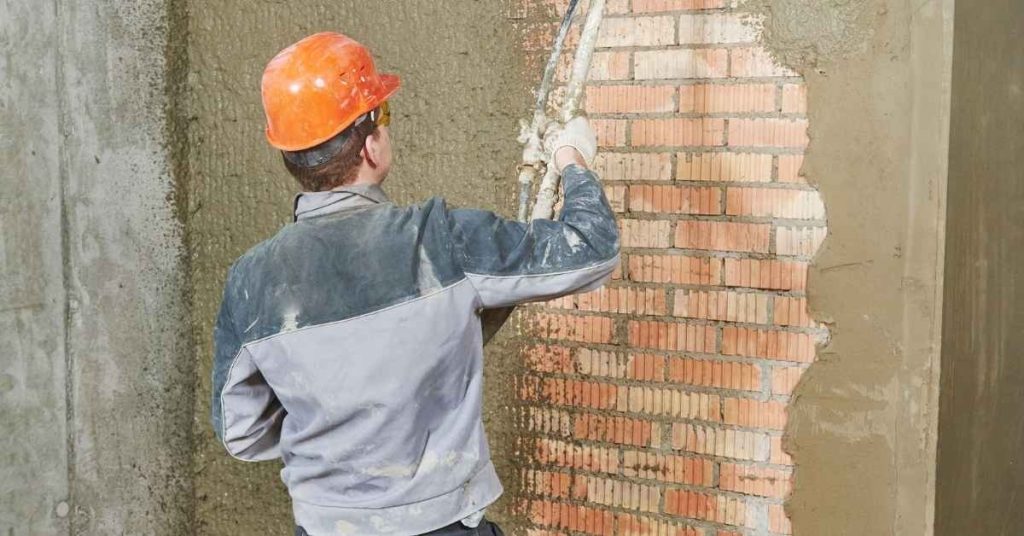
Worker applying stucco to brick wall wearing orange helmet

Rain Exposure on Fresh Stucco: What to do if it gets wet too soon

Introduction Wet stucco early can trap moisture and lead to a softer, compromised surface. If rain hits fresh stucco, you should assess the surface for shine, tackiness, or any cracking. Do not rush to finish or apply additional coats until you understand the current condition and what the material needs. If rain is still possible, […]

Rain Exposure on Fresh Stucco: What to do if it gets wet too soon Read More »

Close-up of blue stucco wall texture with slight indentations

Stucco Texture Repair After Pressure Washing Damage: How to rebuild the finish

Introduction This is the process of rebuilding a damaged stucco texture after pressure washing. You’ll assess the damage, prepare the surface, and re-apply texture to match the rest of the wall. Work in small sections and let your patch dry before finishing. Prepare the area by cleaning loose material and dampening the surface, then apply

Stucco Texture Repair After Pressure Washing Damage: How to rebuild the finish Read More »

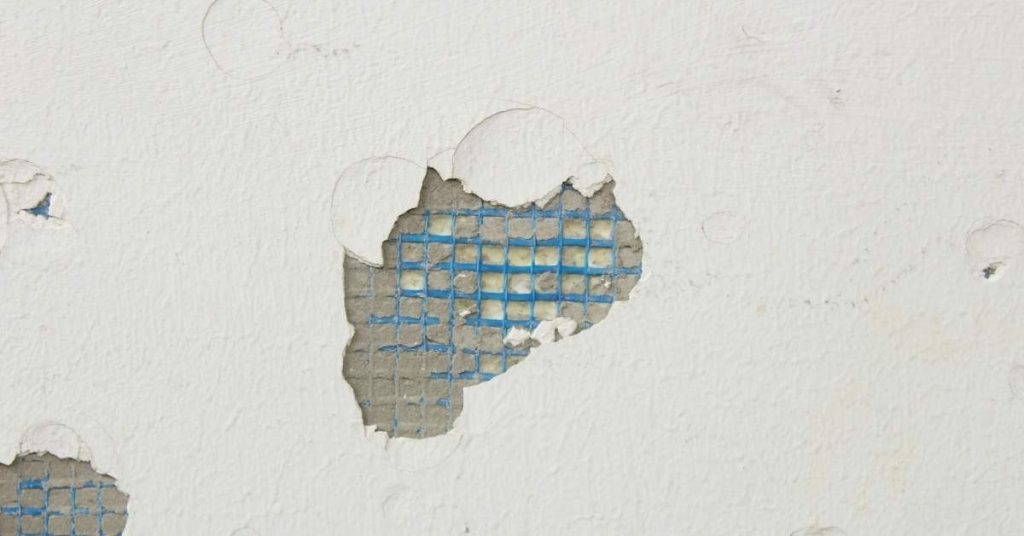
White stucco wall with holes revealing blue reinforcing mesh

How to Repair Stucco After Removing a Satellite Dish: Holes, mesh, and color matching

Introduction This article explains how to repair stucco after removing a satellite dish, focusing on filling holes, embedding mesh, and matching color. You’ll work from the outside in, prep the area, and choose the right patching compound for your surface. Plan for a gradual build up and smooth finish, then check local rules or manufacturer

How to Repair Stucco After Removing a Satellite Dish: Holes, mesh, and color matching Read More »

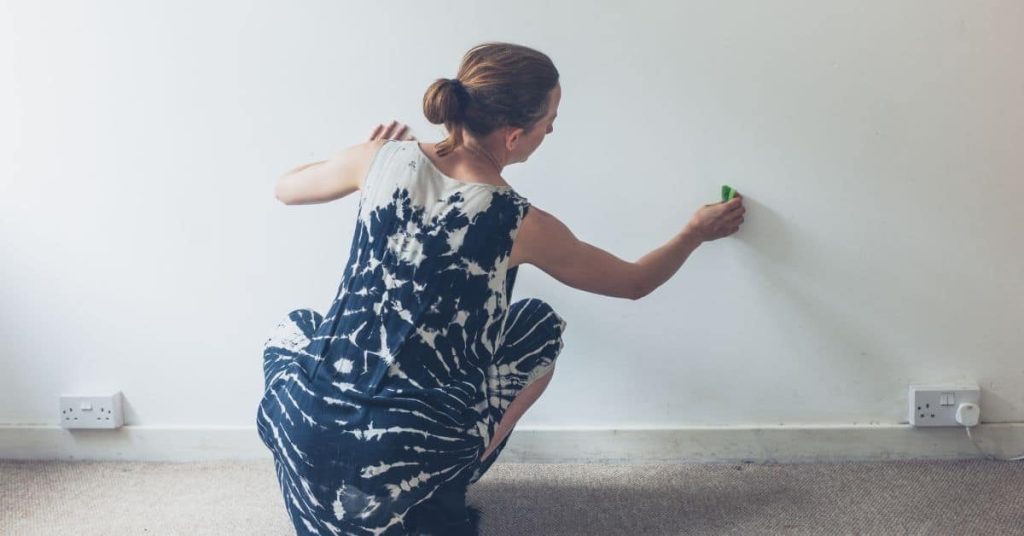
Man and woman painting white wall with green paint rollers

Painting Masonry Without Trapping Moisture: Breathability and prep that matter

Introduction Breathing masonry means choosing paints and prep that let moisture escape rather than trap it inside. That often means a breathable primer and coating, plus surface prep that removes loose material without sealing in dampness. Keep good airflow while you work and check for any damp spots before you start painting. Start with a

Painting Masonry Without Trapping Moisture: Breathability and prep that matter Read More »

White mesh embedded in wet stucco on white wall surface

Stucco Over ICF Walls: Mesh, Fasteners, and Crack Control at Openings

Introduction Stucco over ICF walls means applying a cement-based veneer to insulated concrete forms using a proper weather-resistive layer, reinforcement mesh, and secure fasteners so the finish sticks and moves with the wall. This job needs the right mesh type, fastener method, and detailing at windows and doors to control cracking; check the stucco manufacturer’s

Stucco Over ICF Walls: Mesh, Fasteners, and Crack Control at Openings Read More »

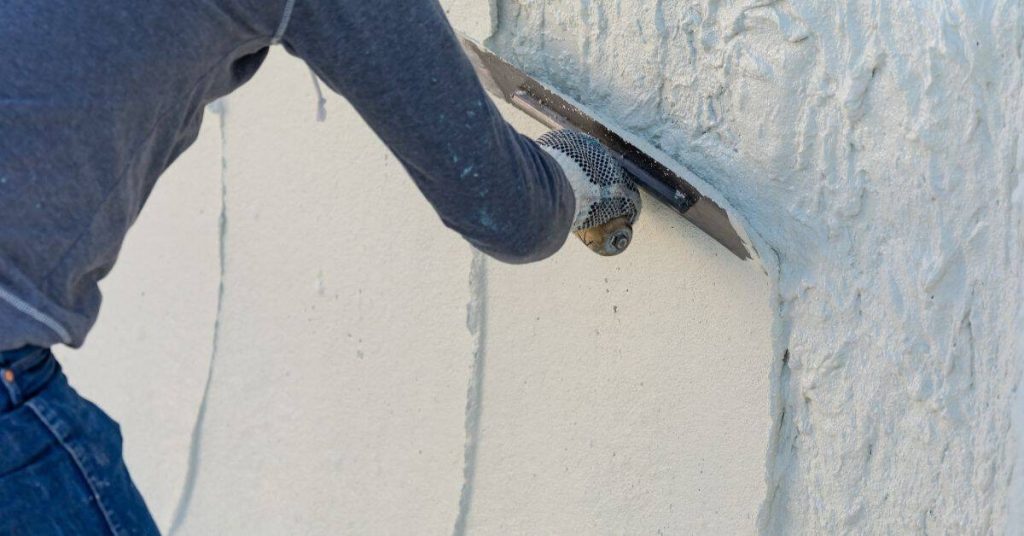
Person smoothing stucco on exterior wall with trowel

Drainage Stucco vs Barrier Stucco: How to Tell What You Have on Your House

Introduction Drainage stucco is a cladding system designed to let water that gets behind the finish drain out, while barrier stucco is meant to shed water at the surface and keep moisture out; that’s the practical difference. Think of drainage as a layered system with a gap or channels to manage moisture and barrier as

Drainage Stucco vs Barrier Stucco: How to Tell What You Have on Your House Read More »

Close-up of blue stucco wall texture

Diagnosing Moisture Behind Stucco: Basic Probe Holes, Borescopes, and What to Look For

Introduction Diagnosing moisture behind stucco means checking for where water has crossed the exterior and is wetting the wall assembly; that can be done with basic probe holes, borescopes, and non‑invasive tools to confirm wet areas. Start by looking for staining, soft or sagging finishes, efflorescence, or indoor musty odors that suggest intrusion, and use

Diagnosing Moisture Behind Stucco: Basic Probe Holes, Borescopes, and What to Look For Read More »

Hand marking wall near electronic stud finder device

Stucco Clearance Over Walkways: How to Fix Wicking Without Full Removal

Introduction Stucco clearance over walkways means keeping the bottom edge of an EIFS or stucco finish high enough and detailed so moisture doesn’t wick into the walking surface; in plain terms, it’s about creating a gap and proper flashing so water drains away instead of soaking the path. For DIYers that can mean trimming finish,

Stucco Clearance Over Walkways: How to Fix Wicking Without Full Removal Read More »

Hand applying stucco on brick wall with trowel

Stucco Termination at Brick or Stone: Transition Details That Don’t Crack or Trap Water

Introduction Stucco termination at brick or stone is the method of finishing and sealing the edge where stucco meets masonry so water is kept out and movement doesn’t crack the finish. Do the job with a clear gap for flashing, a solid backstop, and a termination trim that lets water drain; check product labels and

Stucco Termination at Brick or Stone: Transition Details That Don’t Crack or Trap Water Read More »

Close-up of textured white gypsum plaster surface

Plaster Drying vs Curing: Why Waiting Longer Can Prevent Paint Failure

Introduction Plaster drying is the loss of surface moisture while curing is the chemical hardening process that gives plaster strength; both happen but on different timelines. In plain jobsite terms, the surface can look dry long before the gypsum or cement bond fully sets, so painting too soon risks adhesion problems. Check product labels and

Plaster Drying vs Curing: Why Waiting Longer Can Prevent Paint Failure Read More »