Search Results for: bonding agent plaster

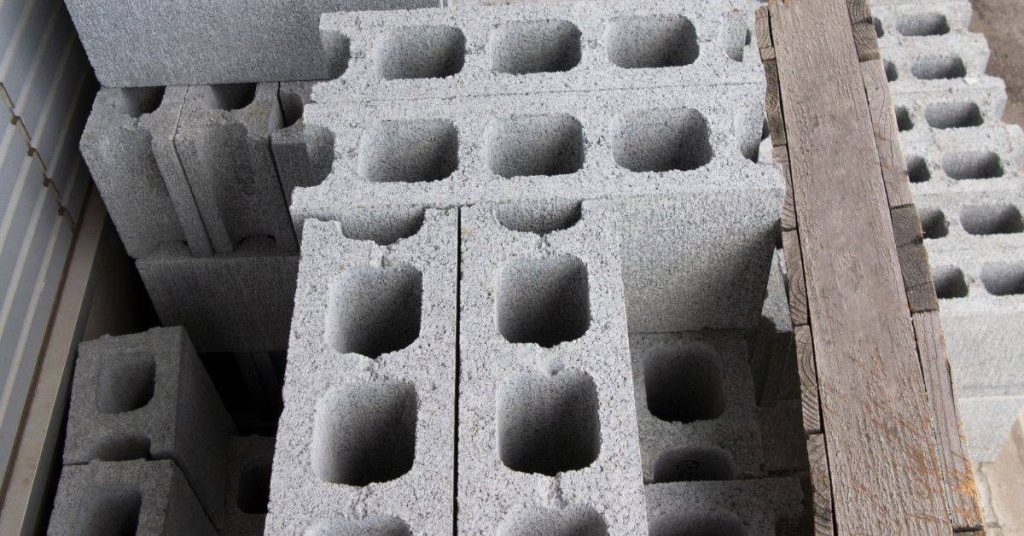
Stacked gray concrete cinder blocks with hollow centers

Rammed Earth vs Concrete Block Outdoors: Cost, Durability, and Maintenance Compared

Introduction Rammed earth and concrete block outdoors are two exterior wall options to compare in terms of cost, durability, and maintenance. This quick, hands-on look will help you decide what fits a DIY setup in your climate and budget. You’ll want to weigh initial costs, long-term upkeep, and how each holds up under weather and […]

Rammed Earth vs Concrete Block Outdoors: Cost, Durability, and Maintenance Compared Read More »
Empty unfinished room with smooth white plastered walls

Hempcrete Walls: DIY Build Basics, Drying Time, and Moisture Failure Modes

Introduction Hempcrete walls are walls built from a lime-hemp composite that forms a lightweight, breathable enclosure. As a DIY builder, you’ll mix a lime-hemp composite and place it into formwork, then let it cure with good airflow. The key is understanding that these walls are different from cement blocks and rely on porous curing and

Hempcrete Walls: DIY Build Basics, Drying Time, and Moisture Failure Modes Read More »

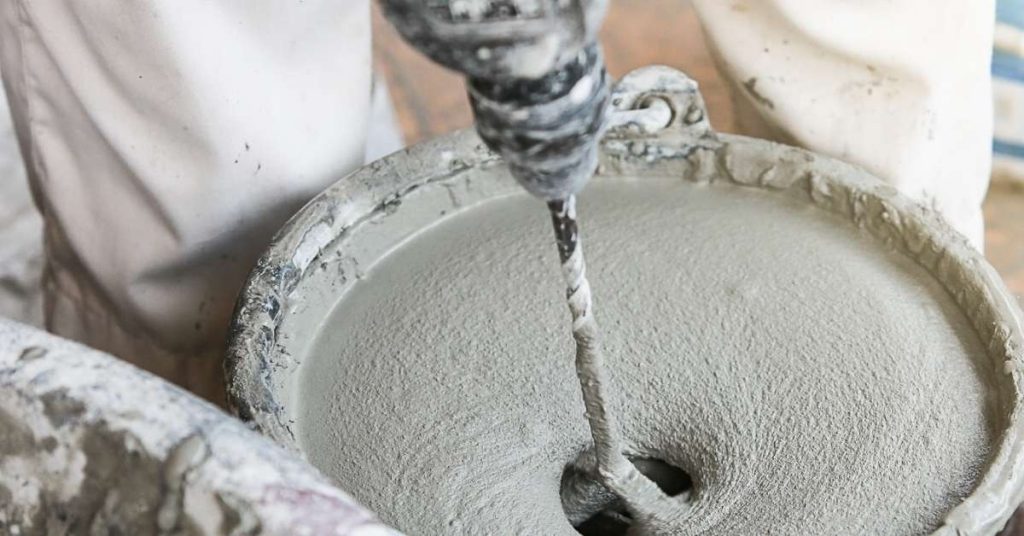
Mixing gray cement mixture in a bucket with drill paddle

Polymer-Modified Overlays: Mixing, Thickness, and Curing for Durability

Introduction Polymer-modified overlays are thin concrete toppings that use polymer additives to improve adhesion and durability. Mix according to the product label and manufacturer instructions; mix until uniform. Apply in an even coat to the prepared surface, checking that the mixture stays workable. The right thickness and proper curing are key to long‑lasting results. Follow

Polymer-Modified Overlays: Mixing, Thickness, and Curing for Durability Read More »

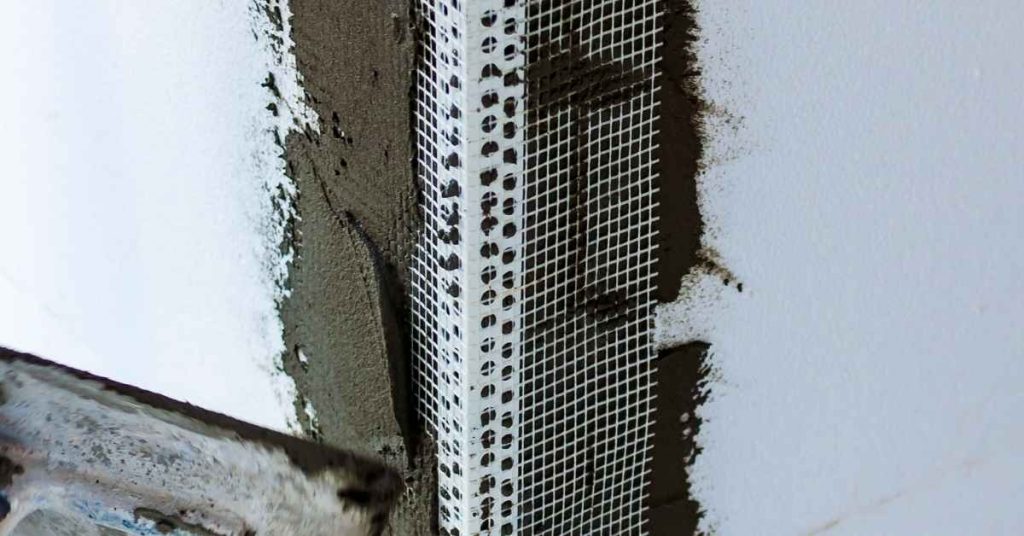
White mesh embedded in wet stucco on white wall surface

Stucco Over ICF Walls: Mesh, Fasteners, and Crack Control at Openings

Introduction Stucco over ICF walls means applying a cement-based veneer to insulated concrete forms using a proper weather-resistive layer, reinforcement mesh, and secure fasteners so the finish sticks and moves with the wall. This job needs the right mesh type, fastener method, and detailing at windows and doors to control cracking; check the stucco manufacturer’s

Stucco Over ICF Walls: Mesh, Fasteners, and Crack Control at Openings Read More »

Stacks of orange hollow clay bricks on wooden pallets

Roman Clay Maintenance: Spot Repair, Re-Seal, and How to Avoid Shiny Patches

Introduction Roman Clay maintenance means keeping the finish patched, resealed, and matte where you want it, not shiny where you don’t — spot repairs and the right re-seal process fix most problems. This is a hands-on job: check the product label and manufacturer’s instructions for compatible patch mixes and sealers before you start. Expect to

Roman Clay Maintenance: Spot Repair, Re-Seal, and How to Avoid Shiny Patches Read More »

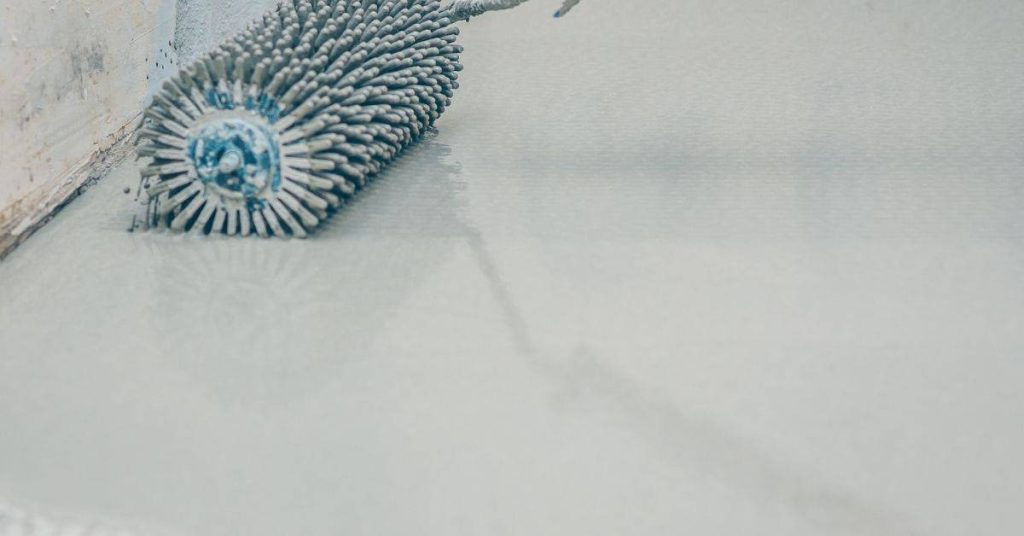
Spiked roller tool on wet floor coating surface

Polyaspartic Floor Coatings for DIY: Working Time, Odor, and Surface Prep Requirements

Introduction Polyaspartic floor coatings are fast-curing two-part coatings used to protect and finish concrete, and for a DIYer that means short working time, noticeable odor, and careful surface prep. Think like a tradesperson: plan your mixing and application in short, deliberate steps and check the product label for working time, recommended respirators, and substrate requirements.

Polyaspartic Floor Coatings for DIY: Working Time, Odor, and Surface Prep Requirements Read More »

White painted horizontal wooden shiplap planks

Clear Coating Painted Surfaces: When It Helps, When It Yellows, and What to Use Instead

Introduction Clear coating painted surfaces means applying a transparent protective finish over existing paint to protect it and change the sheen; it helps when the paint is sound and you want extra durability or a uniform look. Use a clear product compatible with the paint type and follow the manufacturer’s instructions; if you’re unsure about

Clear Coating Painted Surfaces: When It Helps, When It Yellows, and What to Use Instead Read More »

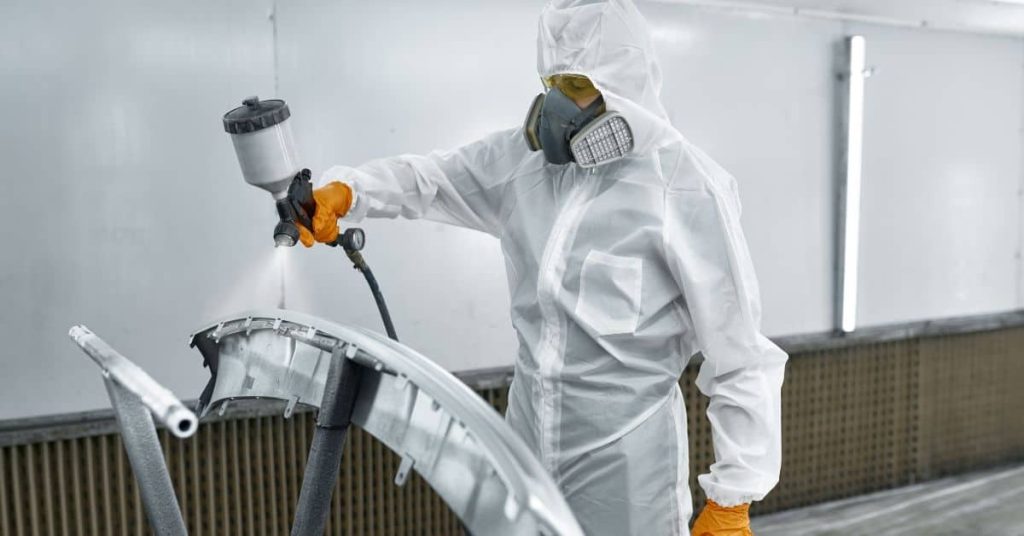
Person in protective suit spray painting a metal car part

Painting Copper and Brass: Preventing Tarnish Under Clear Coats

Introduction Painting copper and brass to prevent tarnish under clear coats means preparing the metal, using the right sealer or barrier primer, and choosing a clear finish that won’t allow corrosion to spread. In plain terms: clean and remove tarnish, treat or isolate reactive metal, and topcoat with a compatible clear product. Check product labels

Painting Copper and Brass: Preventing Tarnish Under Clear Coats Read More »

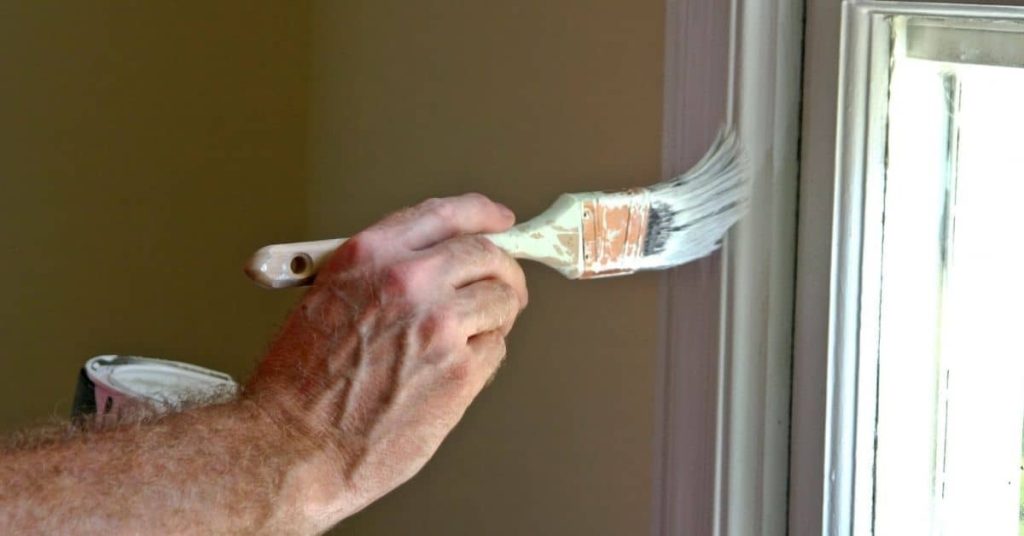
Hand painting white trim near window with brush

Painting PVC Trim: Scuff, Solvent Wipe, and Topcoats That Stay Flexible

Introduction Painting PVC trim means preparing the surface so paint sticks and stays flexible enough to move with the plastic; that starts with scuffing, a solvent wipe, and using the right flexible topcoat. This is a hands-on sequence more like sanding, cleaning, and choosing paints than a chemistry test, but check product labels for adhesion

Painting PVC Trim: Scuff, Solvent Wipe, and Topcoats That Stay Flexible Read More »