Search Results for: bonding agent plaster

Power drill mixing gray cement in black bucket

Mixing Gypsum Basecoat for Patches: Water Ratios, Set Control, and No-Retemper Rules

Introduction Mixing gypsum basecoat for patches means preparing a plaster-like mix by combining gypsum with water to arrive at a workable, patch-ready consistency. Follow the product label and manufacturer instructions to determine the proper water amount and mix texture. Check local rules or codes if they govern patch work or setting times in your area. […]

Mixing Gypsum Basecoat for Patches: Water Ratios, Set Control, and No-Retemper Rules Read More »
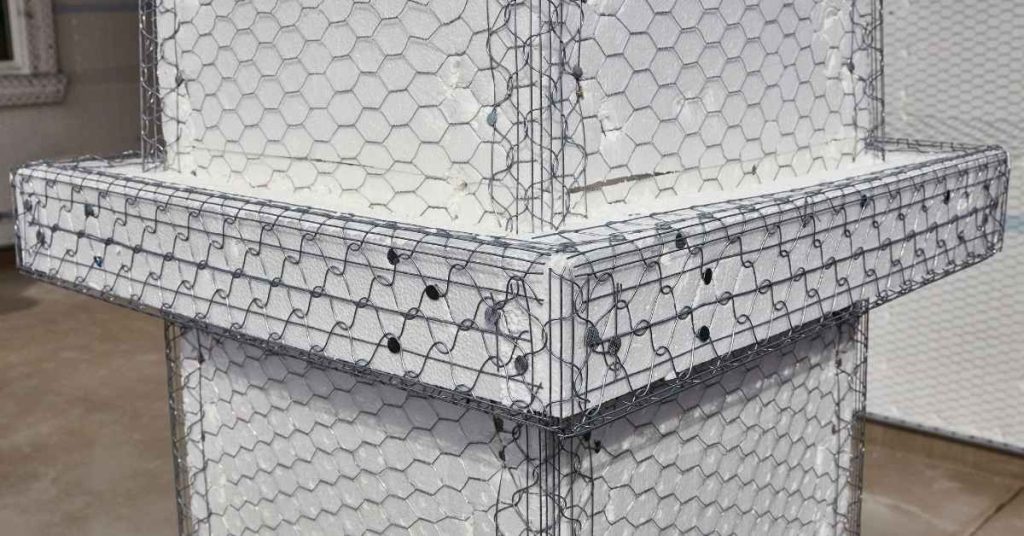
Wire lath attached over foam insulation at inside corner

Inside-Corner Stucco Cracks: Reinforcement That Works Without Bulking

Introduction Inside-corner stucco crack reinforcement is a way to strengthen the joint without making it bulky. It focuses on tying the corner back together and borrowing the surrounding material’s strength so the crack doesn’t widen. Check local guidelines and product instructions to choose a method that fits your wall and climate. Different stucco types and

Inside-Corner Stucco Cracks: Reinforcement That Works Without Bulking Read More »

Partially removed stucco revealing brick wall underneath

Crumbling Stucco Bottom Edges: Rebuild Steps and Keeping the Base Dry

Introduction Crumbling stucco bottom edges are where the material pulls away from the base near the ground, often letting moisture into the wall. This article shows you how to inspect the problem, remove damaged stucco safely, and plan repairs in plain, hands-on terms. You’ll learn what to look for so you can decide what needs

Crumbling Stucco Bottom Edges: Rebuild Steps and Keeping the Base Dry Read More »

Stucco exterior walls of beige house with visible horizontal control joints

Stucco Control Joint Layout for Big Walls: Spacing That Prevents Map Cracking

Introduction Control joints are designed gaps in stucco that allow movement and prevent cracks on big walls. They give the plaster somewhere to flex instead of tearing apart as the wall expands and contracts. If you skip them on a large surface, you’re inviting map cracking and uneven textures. Plan joint placement based on wall

Stucco Control Joint Layout for Big Walls: Spacing That Prevents Map Cracking Read More »

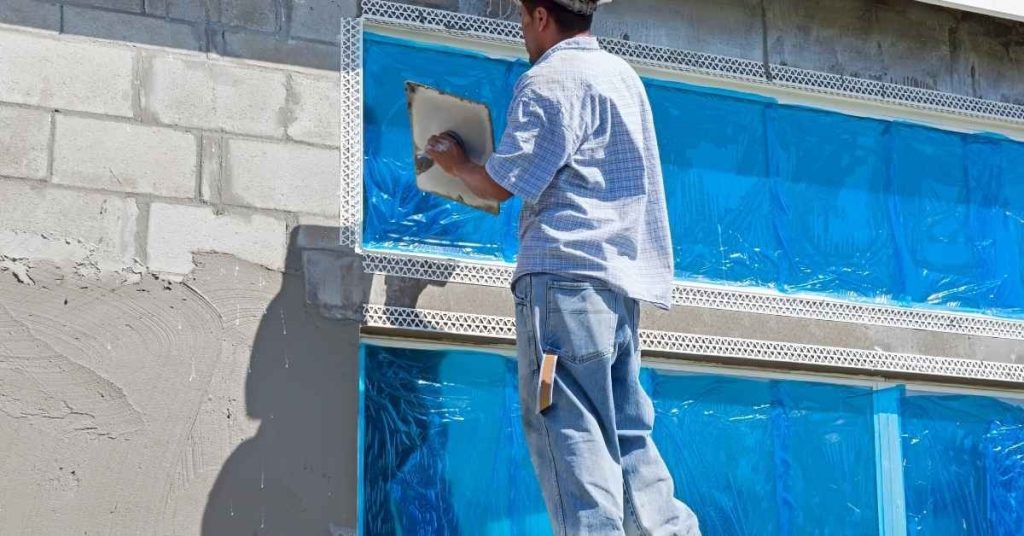
Worker applying stucco over concrete block wall near blue covered windows

Stucco Over Painted Concrete Block: Adhesion Tests and Prep That Prevents Delamination

Introduction Stucco over painted concrete block requires proper surface prep and adhesion testing to prevent delamination. We’ll walk through simple checks you can do with basic tools to judge if the old paint will hold and what to rough up or clean. This is a hands-on, DIY-friendly overview, not a full contractor guide. You’ll start

Stucco Over Painted Concrete Block: Adhesion Tests and Prep That Prevents Delamination Read More »

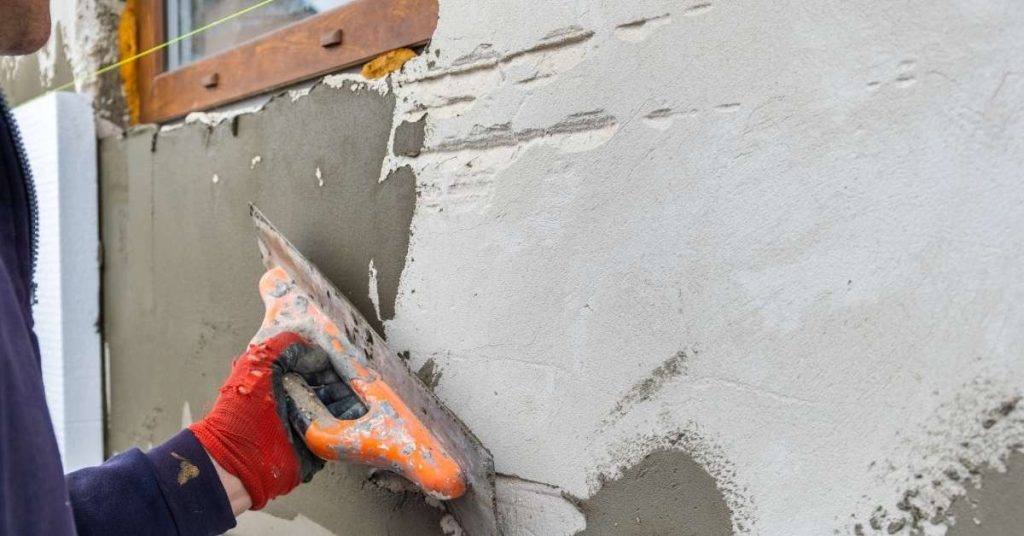
Hand applying brown stucco coat with trowel on wall

Stucco Over AAC or Soft Masonry: Suction Control and Base Coat Choices

Introduction Stucco over AAC or soft masonry requires managing suction and choosing a suitable base coat to ensure a durable finish. Prepare the substrate properly and assess suction levels before applying any finish coat. Always check the product labels and manufacturer instructions for compatible base coats and local requirements. Practice proper application techniques for plaster

Stucco Over AAC or Soft Masonry: Suction Control and Base Coat Choices Read More »

Person applying stucco to exterior wall with trowel

How Thick Is Your Stucco? Measuring Without Full Demo (and Patching Cleanly)

Introduction Measuring stucco thickness without full demolition means estimating how thick the outer layer sits on the wall. In plain terms, you’re looking for clues you can verify without tearing the surface apart. Use simple tools and a careful approach to avoid creating new cracks or exposing the substrate. Tools you can rely on include

How Thick Is Your Stucco? Measuring Without Full Demo (and Patching Cleanly) Read More »

Open can of white paint with color swatch cards on colored paper

Breathable Paint for Stucco vs Elastomeric: When “Waterproof” Becomes a Problem

Introduction Breathable paint is a coating that lets moisture escape from the wall while still blocking water on the surface. When used on stucco, it helps the wall “breathe” so moisture isn’t trapped inside the coating or substrate. For DIY work, read the label and follow the manufacturer instructions to ensure proper surface prep and

Breathable Paint for Stucco vs Elastomeric: When “Waterproof” Becomes a Problem Read More »

Closeup of rough stucco texture with grooves and patches

Dash-and-Lace Stucco Repairs: Hiding Patches Under Raking Light

Introduction Dash-and-Lace Stucco Repairs are patch-and-texture fixes designed to hide patches when light hits the wall. This hand-on method relies on small, deliberate texture changes to blend repairs with the surrounding surface under raking light. It’s a straightforward, bottom-line approach you can do with basic tools and patience. Work up-close so you can see the

Dash-and-Lace Stucco Repairs: Hiding Patches Under Raking Light Read More »

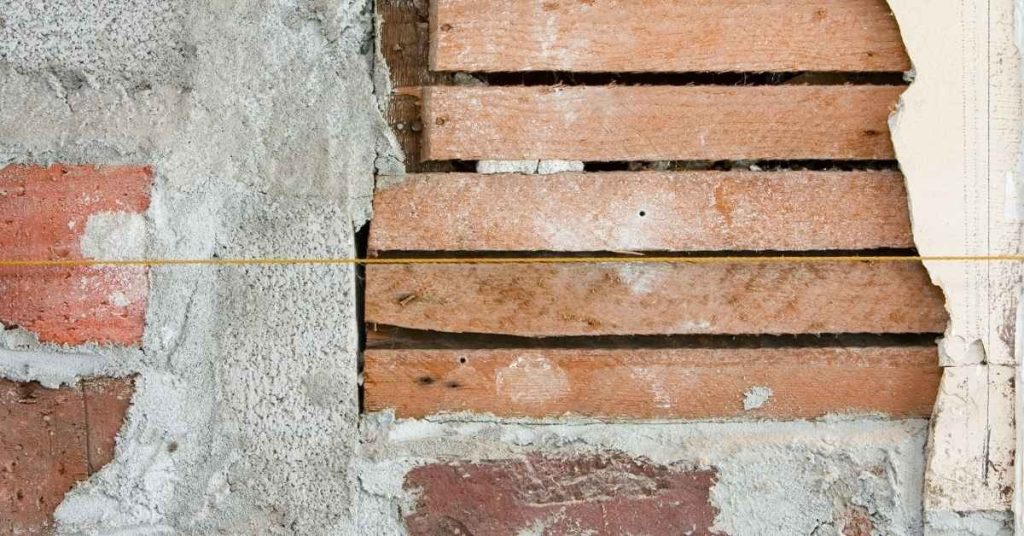
Exposed wooden lath under cracked plaster wall section

Rusting Stucco Lath in a Patch: Safe Cutback Limits and Better Refastening

Introduction Rusting stucco lath in a patch means the metal lath under the plaster has corroded and loosened, reducing support for the patch. That corrosion can cause the patch to crack or fall away if not addressed. Start by pulling back loose plaster and securing any loose lath pieces, then replace or tie back missing

Rusting Stucco Lath in a Patch: Safe Cutback Limits and Better Refastening Read More »