Search Results for: best paint remover on concrete

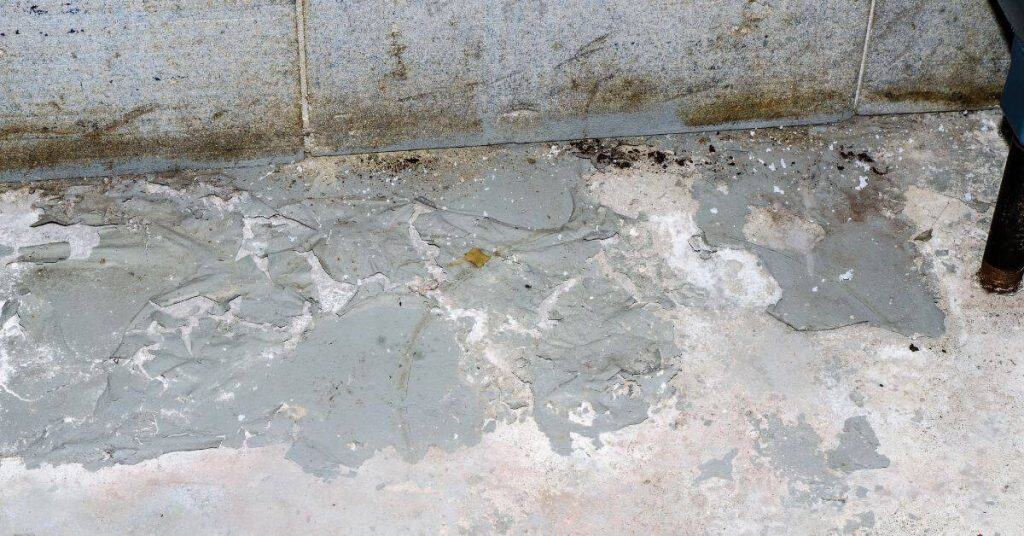
Peeling gray coating on concrete surface near wall

How to Recoat a Concrete Sealer Without Peeling: Adhesion Tests and Prep Steps

Introduction Recoating a concrete sealer means applying a fresh layer over a sealed concrete surface after confirming the old layer sticks well. Before you open a new can, inspect the old finish for peeling or staining and prepare to clean and roughen the surface as needed. Keep the goal simple: the new coat should bond […]

How to Recoat a Concrete Sealer Without Peeling: Adhesion Tests and Prep Steps Read More »

black painted brick wall with uneven paint coverage

How to Paint a Brick Fireplace Safely: Heat Considerations and Soot-Sealing Prep

Introduction Painting a brick fireplace safely means choosing heat‑rated paint and preparing the surface to handle heat and soot. Start by inspecting for damaged bricks and planning to seal soot before painting. This article explains preparation steps, how to seal soot, and how to pick the right finish in plain, hands‑on language. Benefits of painting

How to Paint a Brick Fireplace Safely: Heat Considerations and Soot-Sealing Prep Read More »

Row of modern industrial metal building units with large doors

Painting Over Rusty Metal Railings: Rust Converter vs. Full Removal (Decision Guide)

Introduction Painting over rusty metal railings means deciding between rust-conversion sealing or full removal. It covers how to prep the surface, what to expect from each method, and how a DIYer can approach the job safely. This guide keeps things practical and hands-on, without fancy jargon. When choosing, start with surface prep and then compare

Painting Over Rusty Metal Railings: Rust Converter vs. Full Removal (Decision Guide) Read More »

Paintbrush resting on an open paint can with colorful background

How to Fix Overspray Dust on Cars/Windows After DIY Painting (Safely, Without Scratches)

Introduction Overspray dust on cars and windows is paint or film that lands on the surface and must be removed carefully to avoid scratches. Start by rinsing with plenty of water to loosen dust, then choose a gentle cleaning approach. Always check product labels and local rules to pick safe methods and avoid damage. Use

How to Fix Overspray Dust on Cars/Windows After DIY Painting (Safely, Without Scratches) Read More »

White spackle putty in tub with putty knife

How to Fix ‘Crawling’ Paint on Previously Waxed Surfaces (Decontamination Steps)

Introduction Crawling paint on previously waxed surfaces is paint that beads and drags, failing to adhere because a wax film repels the coating. This usually shows up where wax or cleaners were used before painting. You’ll fix it by cleaning, removing the wax, and preparing the surface for a fresh coat. Decontamination means removing the

How to Fix ‘Crawling’ Paint on Previously Waxed Surfaces (Decontamination Steps) Read More »

Hand applying white silicone caulk around window frame

Painting Over Silicone Caulk: When It Works, When It Peels, and How to Prep

Introduction Painting over silicone caulk is not reliably paintable, and it often peels later. Silicone tends to resist most paints, so prep and choices matter. If the goal is a solid paint job, plan for alternative routes like replacing or masking. To prep, clean the joint and dry it thoroughly before any paint effort. Lightly

Painting Over Silicone Caulk: When It Works, When It Peels, and How to Prep Read More »

wood stairs with white trim and caulking gun on step

How to Paint Over Old Oil-Based Trim With Water-Based Paint (No Mystery Peeling)

Introduction Painting over oil-based trim with water-based paint is possible with the right prep. It means you’ll remove grime, scuff the surface, and use a compatible primer before applying the water-based finish. This article walks you through a practical, step-by-step approach you can do with basic tools. First, clean the trim and roughen the surface

How to Paint Over Old Oil-Based Trim With Water-Based Paint (No Mystery Peeling) Read More »

Paint roller applying sealer on outdoor concrete pavers

Sealing Concrete Outdoors: Penetrating vs Film-Forming and When to Use Each

Introduction Penetrating sealers soak into the concrete to guard against moisture and stains, while film-forming sealers sit on the surface as a protective layer. That choice changes how you clean, maintain, and how it handles water. If you want a low-maintenance, breathable finish, penetrating is often better; if you want a slick surface or easier

Sealing Concrete Outdoors: Penetrating vs Film-Forming and When to Use Each Read More »

Empty wheelbarrow laying on wet concrete surface

Concrete Sealer Whitening: Moisture Trapping vs Application Errors

Introduction Concrete sealer whitening is when the finish looks cloudy or white after sealing. This can happen from moisture trapped beneath the film or from mistakes during application. Common symptoms are cloudy patches and a milky look that won’t cure clear. Fixes involve addressing moisture sources and correcting application errors. Make sure the surface is

Concrete Sealer Whitening: Moisture Trapping vs Application Errors Read More »