Search Results for: best concrete overlay for patio

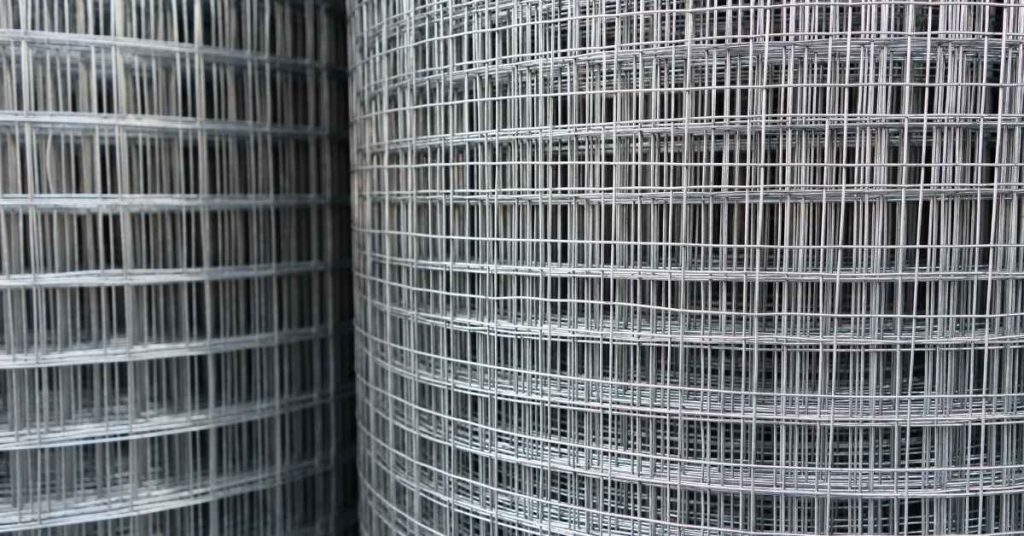
Close-up of two rolls of metal wire mesh

Fiber + Wire Mesh Together: When It’s Redundant and When It Helps

Introduction Fiber + wire mesh together is a reinforced concrete setup where fibers help control cracking and mesh provides added structural distribution. Redundancy can mean extra fibers or extra mesh ends up overlapping; watch for overcomplicating the pour. Combining fiber with mesh can help in slabs with control joints or poor soil, but it can […]

Fiber + Wire Mesh Together: When It’s Redundant and When It Helps Read More »
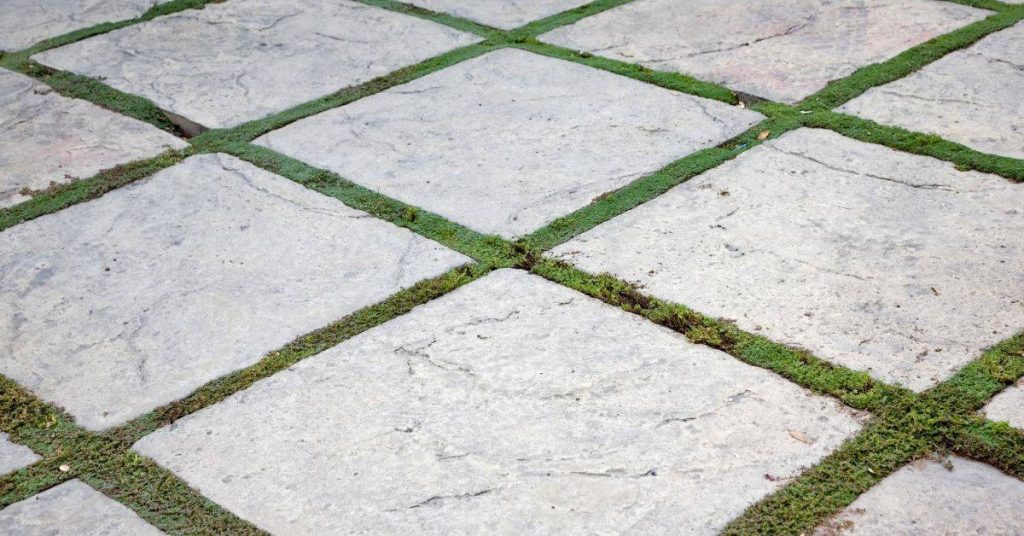
Gray square stone pavers with green moss-filled joints

How to Hide Control Joints Visually: Layout Tricks That Look Intentional

Introduction Control joints are planned gaps in concrete that you hide with layout tricks to look intentional. This article covers simple, hands-on steps you can follow on your own slab without fancy equipment. Think lines, patterns, and edges that camouflage joints while staying within manufacturer instructions and local rules. Start by choosing a location that

How to Hide Control Joints Visually: Layout Tricks That Look Intentional Read More »

Close up of a smooth brown hardboard surface

Acid Etching for Decorative Texture: When It Works and When It Just Exposes Laitance

Introduction Acid etching is the process of using acid to roughen concrete surfaces to create texture. When it works, it roughens the surface enough for coatings to grab; when not, it can just expose laitance. Check the surface and follow label instructions before starting. Common applications include decorative textures in low-traffic areas where a mechanical

Acid Etching for Decorative Texture: When It Works and When It Just Exposes Laitance Read More »

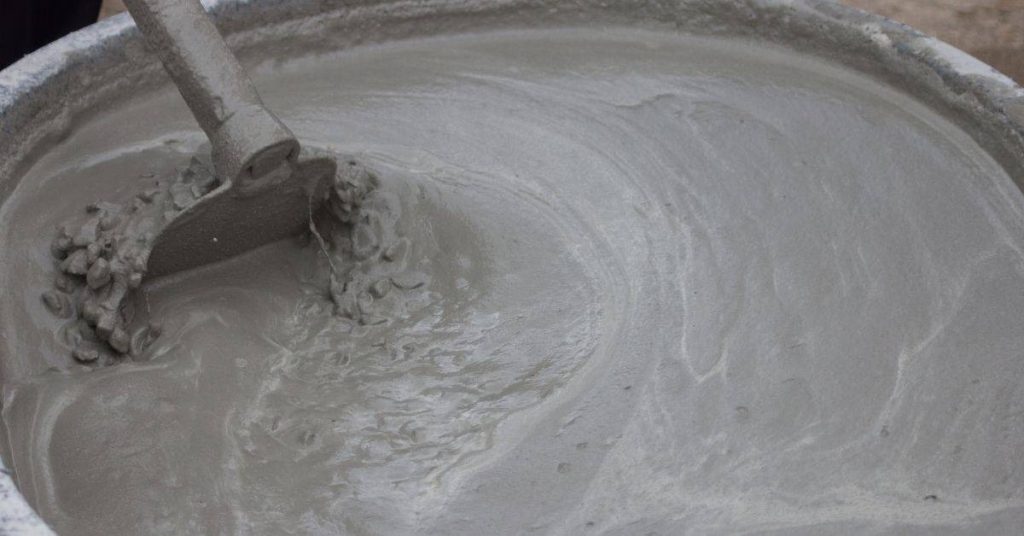
Trowel mixing wet cement mortar in a large container

Shrinkage-Compensating Cement: Where It Shines, Detailing Rules, and DIY Reality

Introduction Shrinkage-compensating cement is a concrete mix designed to offset shrinkage as it cures. In DIY projects, it helps reduce cracking on slabs and pads. Use it when you expect movement or large flat surfaces; check product instructions for mixing and cure guidance. For rules and specifications, follow the manufacturer’s directions and any local rules.

Shrinkage-Compensating Cement: Where It Shines, Detailing Rules, and DIY Reality Read More »

Close-up of drill bit covered in reddish dust on powder surface

Shot Blasting for DIY? Rental Options, Dust Control, and When It’s Worth It

Introduction Shot blasting is a surface preparation method that uses high-velocity abrasive to clean and roughen a surface. For DIY projects, you can rent equipment and compare how it fits your time, budget, and safety plan. Always check the operator’s manual and local rules for ventilation and containment before you start. There are walk-behind, self-propelled,

Shot Blasting for DIY? Rental Options, Dust Control, and When It’s Worth It Read More »

Hand using steel trowel to smooth wet concrete surface

Steel Trowel vs Magnesium Float: Which Finish Fits Which Job

Introduction Steel trowel finish is a smooth, hard surface created by pulling steel blades across fresh concrete to close the surface. It yields a dense, glassy look when done correctly. Use it carefully, as over-troweling can trap moisture or create a brittle surface. Magnesium float finish is a light, textured surface achieved by smoothing with

Steel Trowel vs Magnesium Float: Which Finish Fits Which Job Read More »

close up of white textured plaster finish surface

Repairing EIFS Impact Damage: Base Coat Build, Mesh, and Finish Matching

Introduction Repairing EIFS impact damage means rebuilding the base coat, reapplying the reinforcing mesh, and matching the textured finish so the patch looks and performs like the existing wall. This is a hands-on job that focuses on cleanup, solid bonding of the base coat, correct embedding of mesh, and careful texture and color matching. Check

Repairing EIFS Impact Damage: Base Coat Build, Mesh, and Finish Matching Read More »

Person applying stain to outdoor wooden table with brush

Integral Color vs. Stain vs. Dye: A Homeowner Decision Guide by Location

Introduction Integral color is color mixed into the concrete mix before it sets. Stain and dye sit on or in the surface rather than throughout the slab. This guide helps homeowners decide by location and conditions. Applications differ: integral color is mixed in, stain is applied to the surface, and dye is usually sprayed or

Integral Color vs. Stain vs. Dye: A Homeowner Decision Guide by Location Read More »