Search Results for: best concrete floor repair

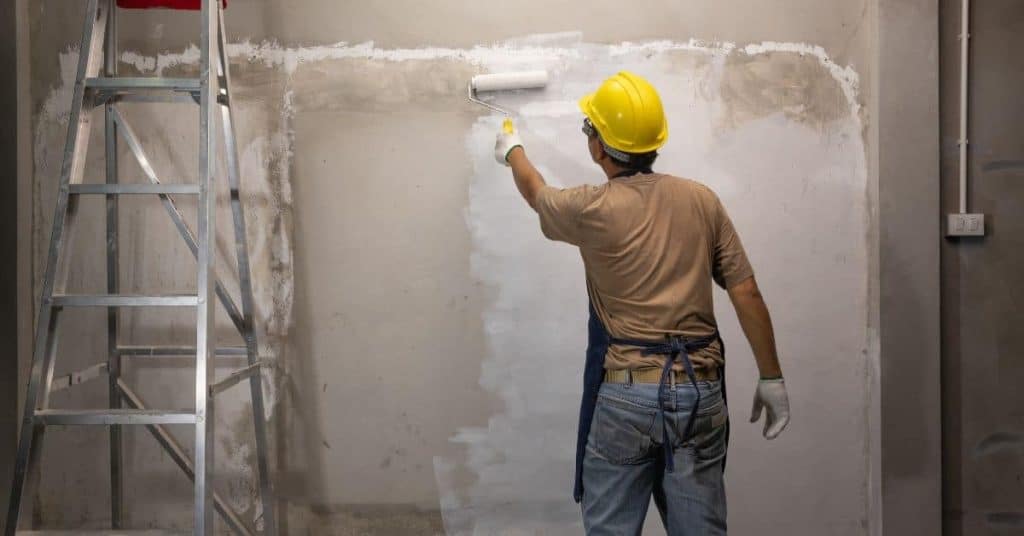
Worker rolling white paint on concrete wall

How to Seal Hairline Cracks Before Painting a Concrete Wall (So They Don’t Print Through)

Introduction Sealing hairline cracks before painting means filling and smoothing tiny cracks in a concrete wall so the paint won’t show through. Start by cleaning the crack and removing dust, then pick a filler recommended for concrete and apply it according to its instructions. Let the filler cure as directed and lightly sand smooth if […]

How to Seal Hairline Cracks Before Painting a Concrete Wall (So They Don’t Print Through) Read More »

Fresh concrete pouring onto existing concrete slab

Pouring a Small Concrete Slab Over Existing Concrete: Bonding, Thickness, and Joints

Introduction Pouring a small concrete slab over existing concrete means laying a new concrete layer on top of an existing slab. Before you start, clean and roughen the surface so the new mix can grip. Check the old slab for cracks and moisture and fix obvious issues before pouring. Think about how thick you pour

Pouring a Small Concrete Slab Over Existing Concrete: Bonding, Thickness, and Joints Read More »

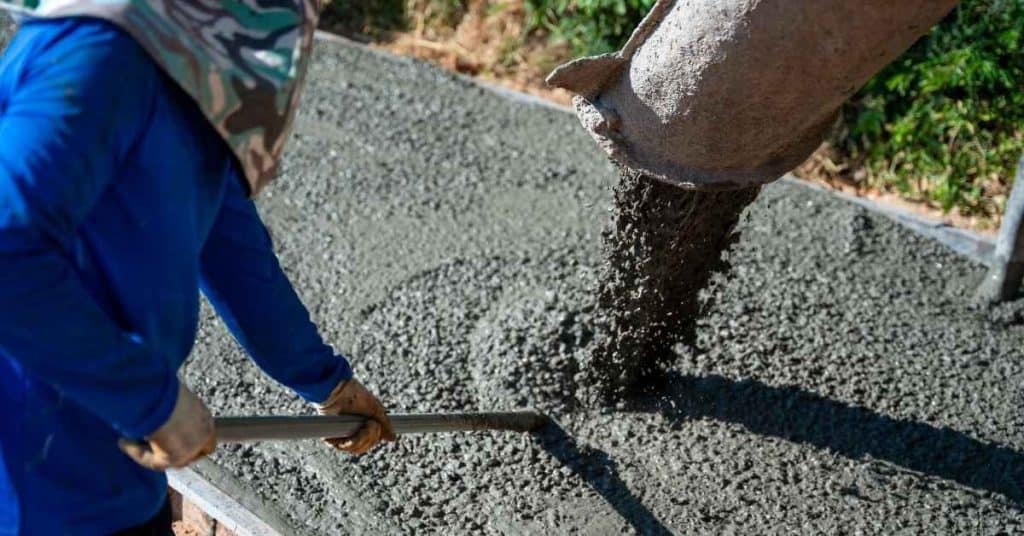
Worker pouring and leveling wet concrete outdoors

Repairing a Concrete Slab That’s Sinking at One Corner: DIY Foam vs. Mudjacking Basics

Introduction Repairing a Concrete Slab That’s Sinking at One Corner: DIY Foam vs. Mudjacking Basics means choosing a DIY-friendly way to lift a sunken corner using either foam injection or mud-based slurry under the slab. The goal is to restore level support by filling voids and stabilizing the edge that has dropped. You should always

Repairing a Concrete Slab That’s Sinking at One Corner: DIY Foam vs. Mudjacking Basics Read More »

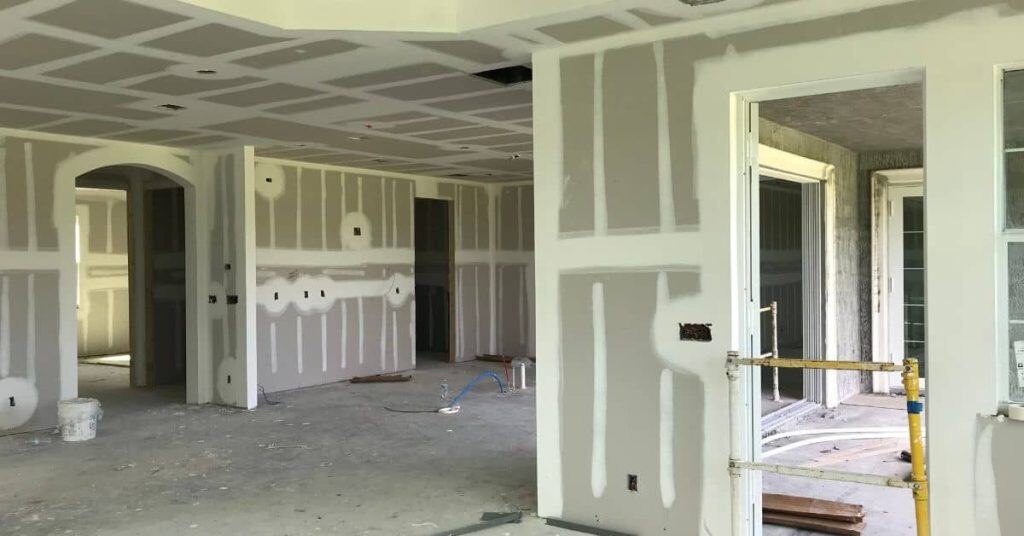
Interior room with drywall panels taped and mudded

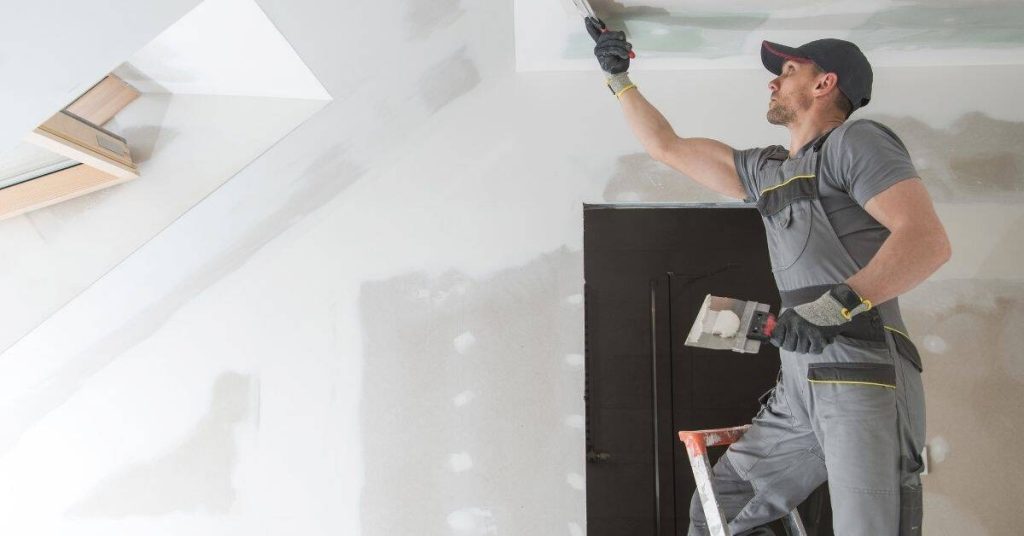
Repairing Drywall After a Plumbing Leak: Drying, Mold Checks, and Rebuild Steps

Introduction Repairing drywall after a plumbing leak means drying the area, assessing damage, and preparing for a rebuild. Start by removing standing water and letting the space dry thoroughly before touching the wall. Check for soft spots or blistering drywall and note any areas that need removal. Then look for mold signs like stains or

Repairing Drywall After a Plumbing Leak: Drying, Mold Checks, and Rebuild Steps Read More »

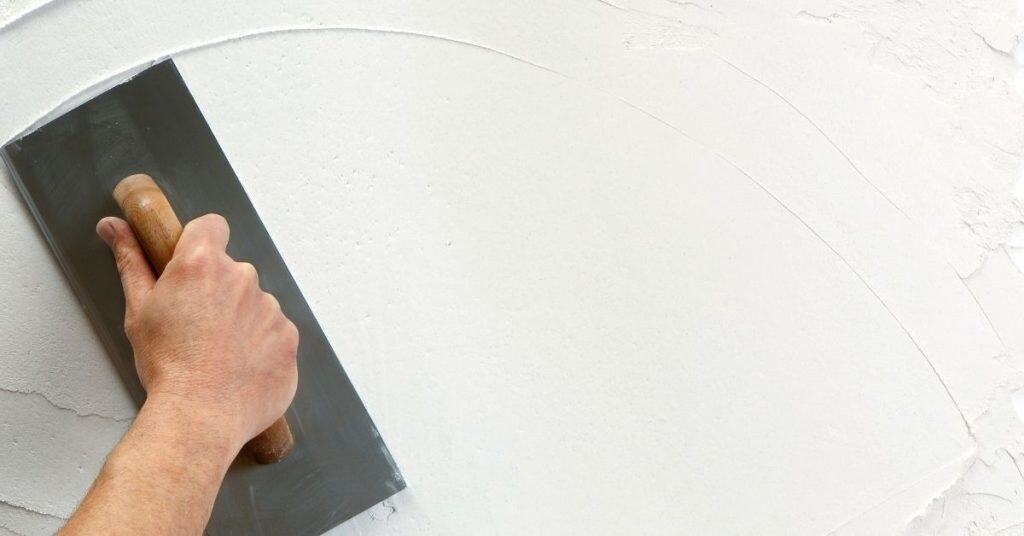
Hand holding trowel smoothing plaster on wall

Plaster Crack Repair That Lasts: Stabilize Movement Before You Patch

Introduction Stabilizing movement before patching means stopping the wall from shifting so the patch can stick. This is a hands-on job, not a quick cover-up. You’ll address the underlying cause first, then patch. Start by locating what’s moving in the wall and take steps to stop it. Secure loose framing with basic fixes and let

Plaster Crack Repair That Lasts: Stabilize Movement Before You Patch Read More »

Paint roller applying sealer on outdoor concrete pavers

Sealing Concrete Outdoors: Penetrating vs Film-Forming and When to Use Each

Introduction Penetrating sealers soak into the concrete to guard against moisture and stains, while film-forming sealers sit on the surface as a protective layer. That choice changes how you clean, maintain, and how it handles water. If you want a low-maintenance, breathable finish, penetrating is often better; if you want a slick surface or easier

Sealing Concrete Outdoors: Penetrating vs Film-Forming and When to Use Each Read More »

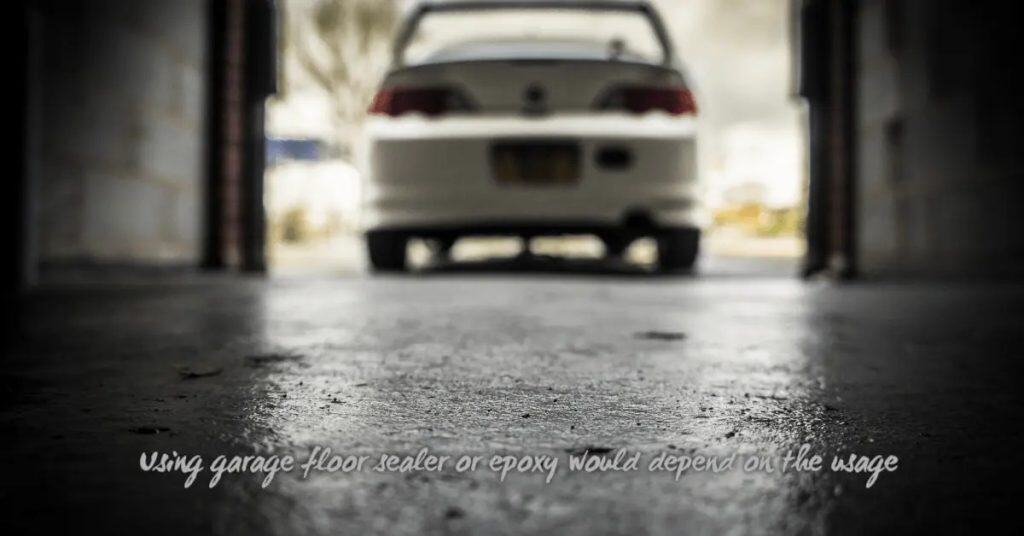
Close-up of textured concrete garage floor with white car in background

Moisture-Safe Concrete Coatings: What Works, What Doesn’t, and Why

Introduction Moisture-safe concrete coatings are sealers and finishes that slow or block water from the concrete surface. They help keep moisture from moving into basements, garages, or workshops. Choose options that fit your climate and surface, and always follow label directions. What doesn’t work for everyone can be a waste of time and money. In

Moisture-Safe Concrete Coatings: What Works, What Doesn’t, and Why Read More »

Close-up of concrete floor grinding machine on rough concrete surface

Fixing Form Lines on Exposed Concrete: Grinding, Skim Coats, and Texture Matching

Introduction Fixing form lines on exposed concrete means smoothing or concealing the raised lines left by the forms so the surface looks even. In this DIY approach, you’ll grind the lines down, skim-coat areas as needed, and texture-match the rest of the surface. Plan to work methodically, wear a dust mask, and always check the

Fixing Form Lines on Exposed Concrete: Grinding, Skim Coats, and Texture Matching Read More »