Search Results for: basement concrete floor repair

Four concrete test slabs with markings on reddish ground

Isolation Joints vs Control Joints: Where Each Belongs on DIY Slabs

Introduction Isolation joints separate a slab from vertical or fixed elements, while control joints are intentional shallow cuts that encourage where a slab cracks; put simply, isolation keeps things apart and control tells concrete where to crack. These are different tools for the same problem of movement and cracking, and you choose based on what […]

Isolation Joints vs Control Joints: Where Each Belongs on DIY Slabs Read More »
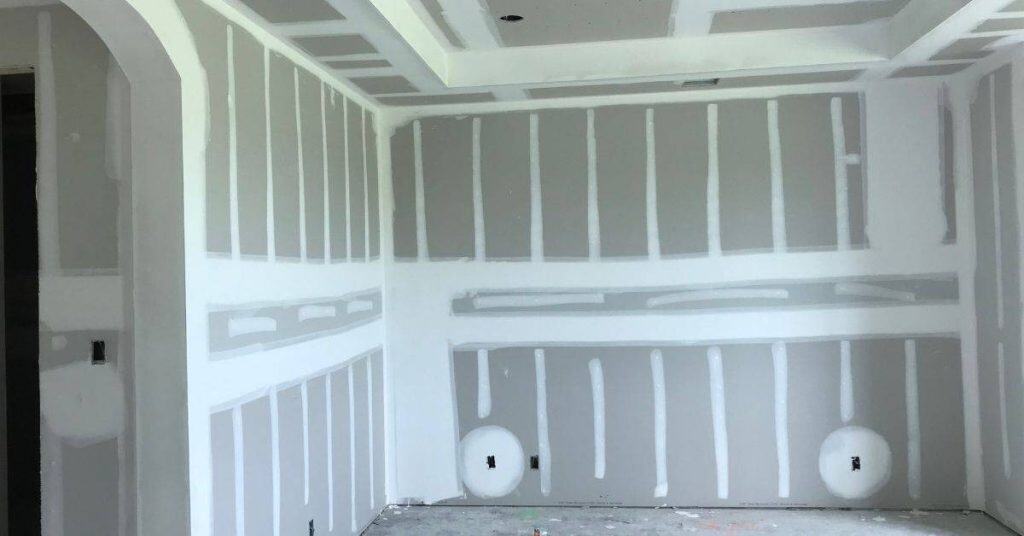
Interior walls with drywall joint tape and joint compound applied

Choosing Joint Tape: Paper vs. Fiberglass vs. FibaFuse (Use Cases and Failure Modes)

Introduction Joint tape is the thin strip that reinforces drywall joints when you compound them. Choosing between paper, fiberglass, and FibaFuse comes down to how you want the joint to behave and how much you’re willing to feather and sand. No matter which you pick, follow the product label and manufacturer instructions for application and

Choosing Joint Tape: Paper vs. Fiberglass vs. FibaFuse (Use Cases and Failure Modes) Read More »

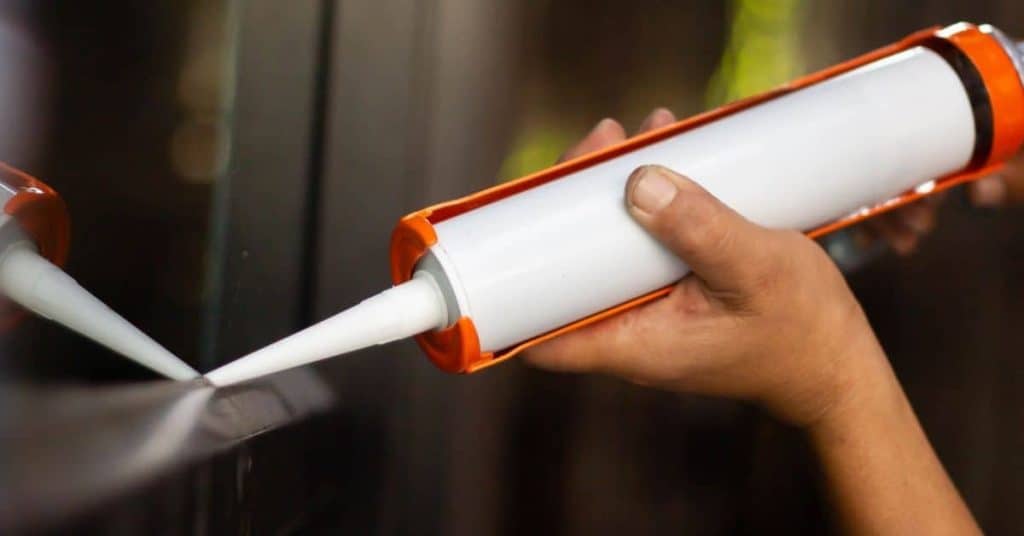
Hand holding caulking gun applying white caulk to surface

Air-Sealing at Drywall Perimeters: Caulk vs. Gasket vs. Spray Foam (What to Use Where)

Introduction Air-sealing at drywall perimeters means closing gaps around the edges of drywall to stop drafts and air leaks. It focuses on where drywall meets studs, ceilings, and other assemblies. You’ll choose materials based on where the gap is and what can be painted or finished to match. Caulk is good for small, fixed gaps

Air-Sealing at Drywall Perimeters: Caulk vs. Gasket vs. Spray Foam (What to Use Where) Read More »

Close-up of blue fiberglass mesh rolls

Paperless Drywall (Fiberglass-Faced): Where It Helps, How to Finish It, and Common Pitfalls

Introduction Paperless drywall with fiberglass facing is a gypsum board that uses a fiberglass mat instead of paper on the surface. It’s designed to resist moisture and mold better in damp spaces, though it still needs proper installation and sealing. This article covers where it helps, how to finish it, and common pitfalls. When finishing,

Paperless Drywall (Fiberglass-Faced): Where It Helps, How to Finish It, and Common Pitfalls Read More »

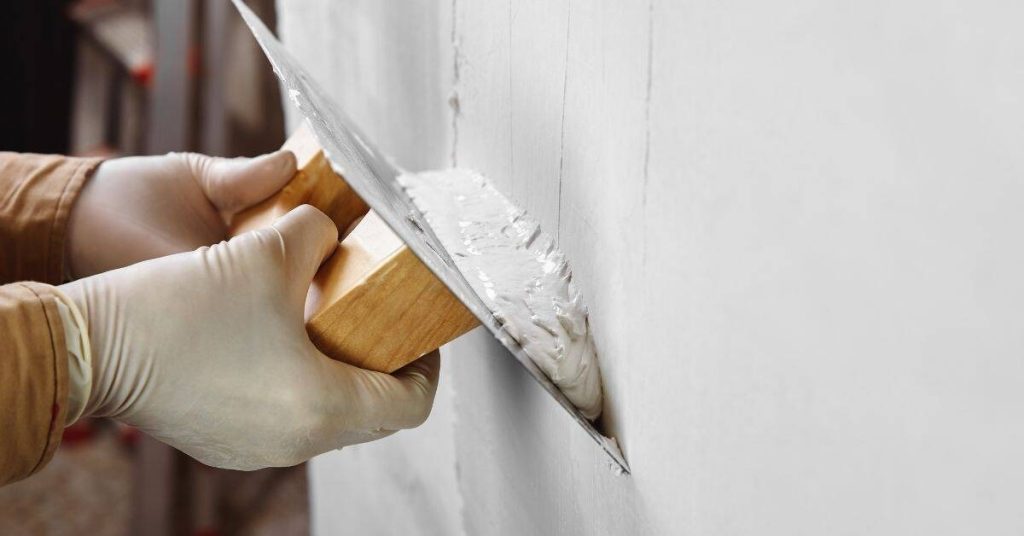
Hands applying plaster smoothly on interior wall

Plaster Soundproofing Add-Ons: When an Extra Coat Helps and When It’s Wishful Thinking

Introduction Extra plaster coats provide additional mass and seal to help reduce sound transmission when the first layer isn’t enough. A second coat can improve sound dampening by filling gaps and smoothing the surface. But it’s not a magic fix for loud environments or structural issues. Whether to add another coat depends on the room,

Plaster Soundproofing Add-Ons: When an Extra Coat Helps and When It’s Wishful Thinking Read More »

Reinforcing mesh embedded in stucco corner near white wall

Stucco Corner Cracks at Windows: Mesh Layout That Actually Stops the Repeat Cracks

Introduction A proper mesh layout at window corners is a reinforcement plan that helps stop cracks from reappearing. It keeps the stucco from pulling away where the frame meets the opening. Check manufacturer instructions and local rules for acceptable mesh sizes and application methods. I lay out the mesh so it overlaps the corner edges

Stucco Corner Cracks at Windows: Mesh Layout That Actually Stops the Repeat Cracks Read More »

Person applying stain to outdoor wooden table with brush

Integral Color vs. Stain vs. Dye: A Homeowner Decision Guide by Location

Introduction Integral color is color mixed into the concrete mix before it sets. Stain and dye sit on or in the surface rather than throughout the slab. This guide helps homeowners decide by location and conditions. Applications differ: integral color is mixed in, stain is applied to the surface, and dye is usually sprayed or

Integral Color vs. Stain vs. Dye: A Homeowner Decision Guide by Location Read More »

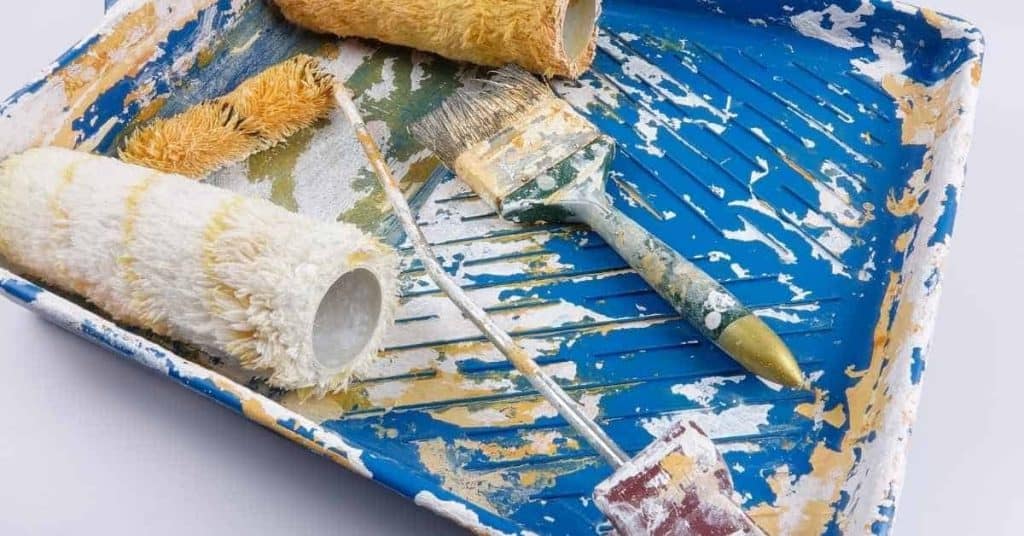
paint tray with paint roller covers and a paintbrush covered in dried paint

How to Store Partially Used Paint for Years: Skin Prevention and Remix Steps

Introduction Long-term storage of partially used paint means keeping the can sealed, preventing skin from forming, and preserving it for future remix. Keep containers tightly closed, label clearly, and store upright in a cool, stable spot away from direct heat or freezing conditions. Check the product label and manufacturer instructions for any shelf-life notes or

How to Store Partially Used Paint for Years: Skin Prevention and Remix Steps Read More »

Vinyl corner bead strip with perforations beside orange safety mesh.

Corner Bead Choices: Metal vs. Vinyl vs. Paper-Faced (When Each One Wins)

Introduction Corner bead choices are metal, vinyl, or paper-faced trims used to form and protect drywall corners. Metal beads are sturdy, vinyl beads stay flexible, and paper-faced beads rely on drywall paper and mud to hold shape. This article keeps the talk practical for DIY installs. To pick one, consider where the corner will see

Corner Bead Choices: Metal vs. Vinyl vs. Paper-Faced (When Each One Wins) Read More »

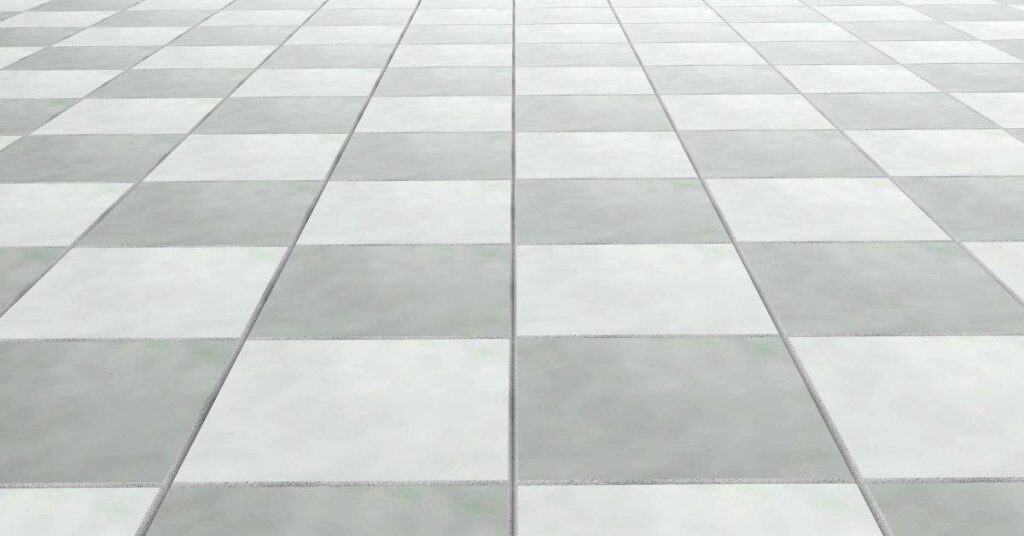
Checkerboard pattern floor tile in light gray and white

Peel-and-Stick Tile: What to Know Before You Buy and Before It Peels

Introduction Peel-and-stick tile is self-adhesive tile that you press onto a prepared surface. This intro covers how to choose, prep, cut, and install it without surprises. Always check the product label and manufacturer instructions for any surface prep or adhesion requirements. Surface preparation, material selection, cutting technique, and careful installation all impact how long it

Peel-and-Stick Tile: What to Know Before You Buy and Before It Peels Read More »