Search Results for: anti slip additive for concrete sealer

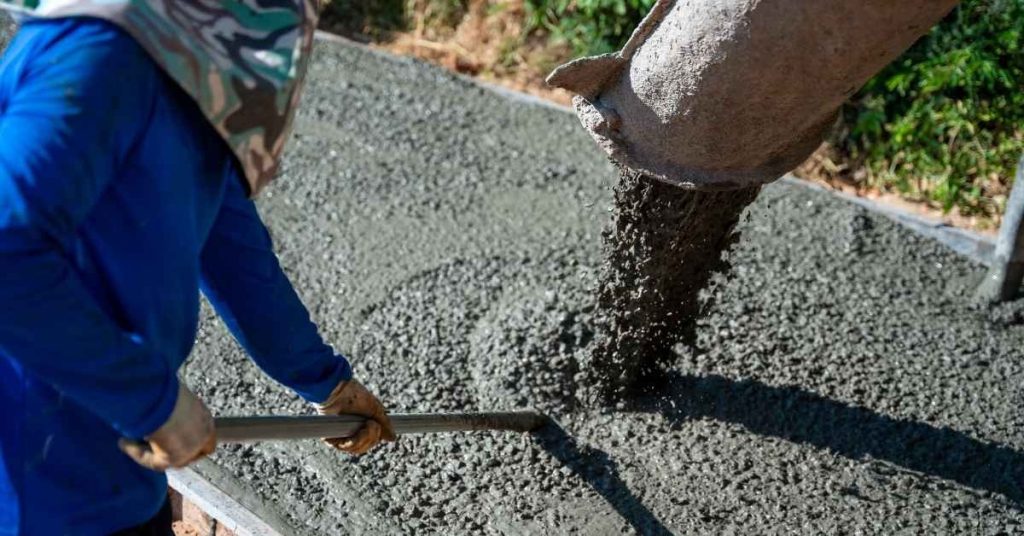
Worker spreading wet concrete from chute with shovel

Adding Gravel to Bagged Concrete: Correct Ratios and Compaction Tips

Introduction Adding gravel to bagged concrete is blending an appropriate amount of aggregate with a pre-mixed concrete product to improve stability and workability. Check the bag or manufacturer instructions for the recommended ratio and how the aggregate should be added. The aim is a consistent mix with fewer voids and a solid, workable set without […]

Adding Gravel to Bagged Concrete: Correct Ratios and Compaction Tips Read More »
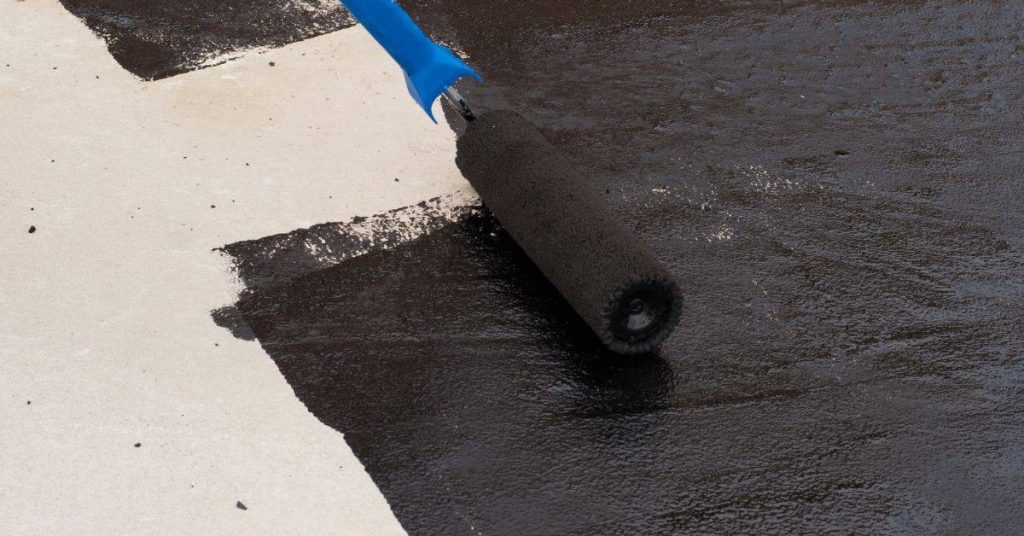
Paint roller applying black sealer on light tile surface

Microcement Over Tile: Prep, Base Coats, Sealer Choices, and DIY Success Factors

Introduction Microcement over tile is a system that coats existing tile with a cement-based finish after proper prep. This approach hinges on solid surface prep, compatible primers, and careful application to stay durable and look even. Base coats and layering are key, and you should follow the product instructions and check for compatibility with tile

Microcement Over Tile: Prep, Base Coats, Sealer Choices, and DIY Success Factors Read More »

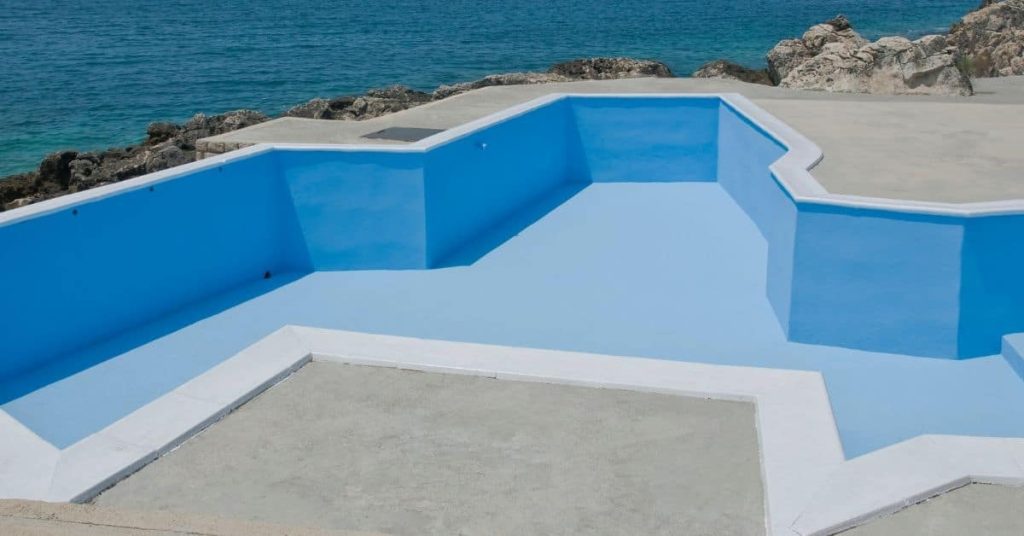
Empty painted concrete pool shell by the sea

How to Reduce Concrete Permeability: Mix Design vs Sealers (What Holds Up Longer)

Introduction Mix design and sealers are two ways to curb concrete permeability. For DIY projects, focus on practical changes that you can control in the mix and on the surface, rather than quick fixes. Check product labels and manufacturer guidelines for any admixtures and mixing instructions. Sealants can protect the surface after it cures, but

How to Reduce Concrete Permeability: Mix Design vs Sealers (What Holds Up Longer) Read More »

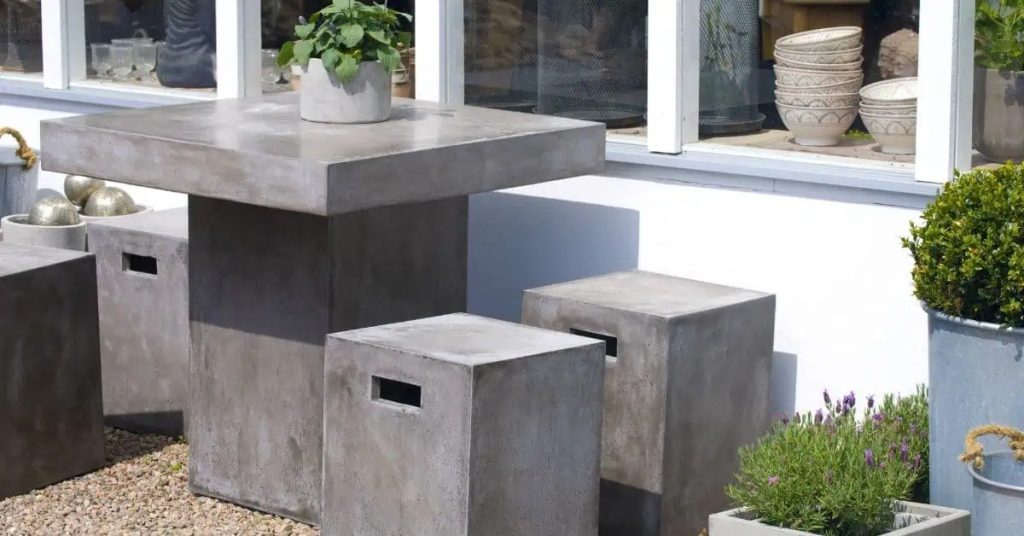
Concrete outdoor table with cube stools on gravel patio

Metakaolin for DIY Concrete Countertops: Mix Tweaks, Sealing, and Troubleshooting

Introduction Metakaolin is a pozzolanic additive that can improve the workability and durability of DIY concrete countertops. In practice, it can tighten the mix and help reduce cracking when you’re pouring custom countertops. Always follow product labels and local rules when mixing. Sealing and curing: use a proper sealer compatible with metakaolin-enhanced mixes and follow

Metakaolin for DIY Concrete Countertops: Mix Tweaks, Sealing, and Troubleshooting Read More »

Close-up of rough concrete surface with blurred background lights

Concrete Surface Blisters: Finishing Causes and How to Prevent Them

Introduction Concrete surface blisters are raised pockets on the finish caused by trapped air or moisture beneath the surface. They usually form when the surface dries too quickly or moisture moves upward as the concrete sets. Causes include finishing while the surface is still soft, excessive water in the mix, or rapid evaporation from sun,

Concrete Surface Blisters: Finishing Causes and How to Prevent Them Read More »

Man working on pool deck installation using tools and safety glasses

Painting Pool Decks: Slip Resistance, Chlorine, and Cool-Deck Options

Introduction Painting pool decks means choosing a coating that resists slipping, stands up to chlorine and pool chemicals, and stays cooler underfoot; it’s a practical surface upgrade, not a decorative paint job. Think about slip additives, chemical resistance, and reflective or “cool” coatings when you pick products, and always check the label and manufacturer instructions

Painting Pool Decks: Slip Resistance, Chlorine, and Cool-Deck Options Read More »

Three paintbrushes and one paint roller on yellow background

How to Paint Stairs for Grip: Additives, Abrasion Resistance, and Maintenance

Introduction Painting stairs for grip means using paint and additives that improve traction and hold up to foot traffic while keeping the surface safe and durable. This is a hands-on job: pick the right paint for the stair material, choose a compatible anti-slip additive or aggregate, and follow the product directions and local rules for

How to Paint Stairs for Grip: Additives, Abrasion Resistance, and Maintenance Read More »

Concrete surface showing pitting and rough patches

Fixing Concrete Surface Pop-Offs From Rusty Wire: Root-Cause Repair and Stain Blocking

Introduction Concrete surface pop-offs from rusty wire are spots where embedded wire corrodes and the surface flakes away. This happens when rust pushes on the cement and creates loose, powdery patches. The key is identifying the rust source and planning a safe repair path that restores the finish. First, expose the area, remove loose material,

Fixing Concrete Surface Pop-Offs From Rusty Wire: Root-Cause Repair and Stain Blocking Read More »

Stacked precast concrete beams covered with snow outdoors

Air-Entrained vs Non-Air-Entrained Concrete: What to Order for Freeze-Thaw Areas

Introduction Air-entrained concrete contains tiny, intentionally created air bubbles to help it survive freeze-thaw cycles, while non-air-entrained concrete does not have those bubbles and is denser. In plain jobsite terms: air-entrained mixes are commonly recommended where water can freeze inside the slab, and non-air-entrained mixes are used where freeze-thaw exposure is minimal or controlled. Check

Air-Entrained vs Non-Air-Entrained Concrete: What to Order for Freeze-Thaw Areas Read More »

Close-up of concrete floor grinding machine in use

Grinding vs Scarifying for Concrete Prep: Choosing the Right Texture for Coatings

Introduction Grinding means removing surface material with rotating diamond wheels to smooth or level concrete, while scarifying uses a drum of carbide cutters to aggressively cut grooves and remove heavy coatings; pick grinding for light profiling and scarifying for fast, deep removal. This is a practical, hands-on choice: think about how much material you must

Grinding vs Scarifying for Concrete Prep: Choosing the Right Texture for Coatings Read More »