Search Results for: andy concrete

Person painting wooden furniture frame with brush

Painting New MDF: Sealing Fuzzy Edges and Getting a Furniture-Like Finish

Introduction Painting new MDF to seal fuzzy edges and achieve a furniture-like finish means prepping the board, sealing the edges, and applying multiple coats of paint. This is a hands-on, methodical process you can do with basic tools and careful sanding. Start with light sanding and clean dust off the surface. Choose a sealer or […]

Painting New MDF: Sealing Fuzzy Edges and Getting a Furniture-Like Finish Read More »

Worker in protective suit spray painting white wall indoors

Painting Around HVAC Registers and Returns: Clean Edges Without Gummed-Up Grilles

Introduction Painting around HVAC registers and returns means masking and preparing the edges so paint doesn’t bleed into the grilles. Prep the area by removing loose debris and laying down drop cloths, then set up masking to protect the grille openings. Keep grilles clean before you start to help the paint stick and to prevent

Painting Around HVAC Registers and Returns: Clean Edges Without Gummed-Up Grilles Read More »

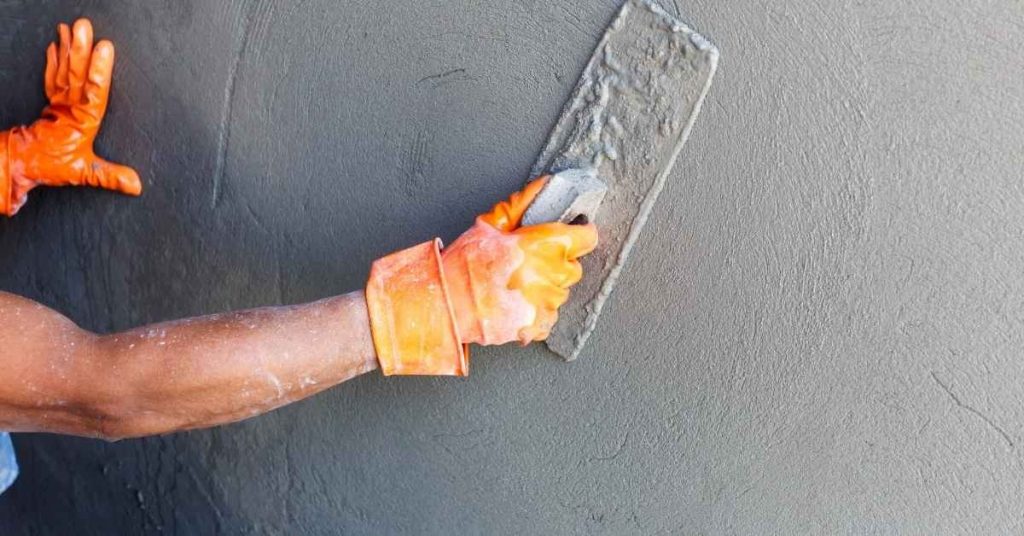
Person applying plaster on wall with trowel wearing orange gloves

Drywall Texture Matching: Orange Peel vs. Knockdown vs. Skip Trowel (DIY Spray vs. Hand)

Introduction Drywall texture matching is the process of reproducing a wall’s texture so new work blends with the old. It covers orange peel, knockdown, and skip trowel textures, whether you spray or hand‑apply. You’ll decide based on what you’re trying to reproduce and what tools you have on hand. Start by inspecting the existing surface

Drywall Texture Matching: Orange Peel vs. Knockdown vs. Skip Trowel (DIY Spray vs. Hand) Read More »

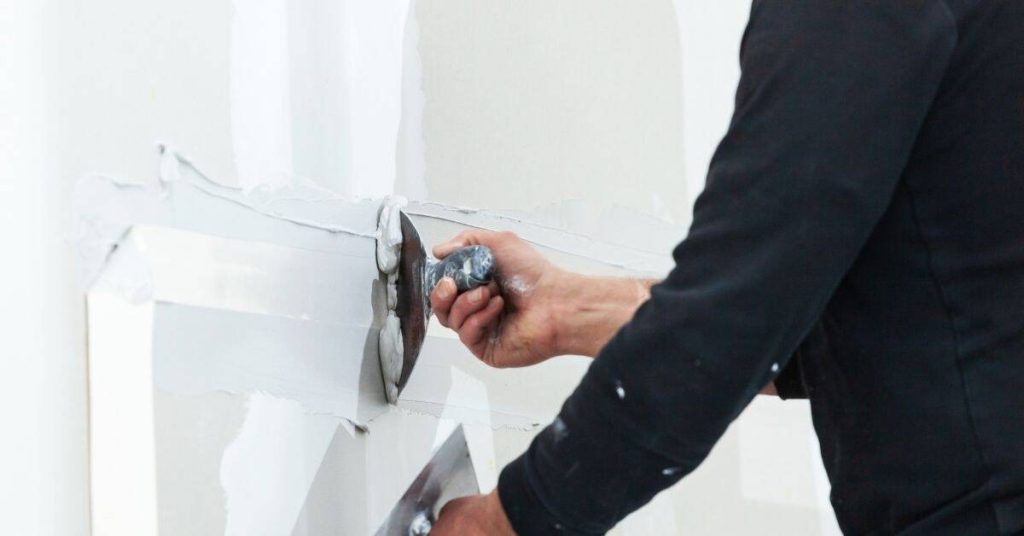
Person applying plaster to drywall seam with putty knife

Fixing ‘Picture Framing’ on Drywall: Why Edges Show Through and How to Reset the Surface

Introduction Picture framing on drywall is when the edge of a wall surface shows a frame-like line where joints or tape peek through. That happens after you paint or texture and the details of the tape or joint compound show along the edge. Fixing it means rebuilding a clean, smooth edge before you repaint. First,

Fixing ‘Picture Framing’ on Drywall: Why Edges Show Through and How to Reset the Surface Read More »

Person holding paint roller with rust-colored paint near paint-splattered ladder

Surfactant Leaching vs. Tannin Bleed vs. Rust Stains: A Homeowner Spotting Guide

Introduction This guide explains how to tell apart three common concrete stains: surfactant leaching, tannin bleed, and rust stains. Surfactant leaching shows up as a misty haze or shiny film as cleaners dry. Tannin bleed comes from wood and leaves brown hues, while rust stains look reddish and originate from metal. To identify which you

Surfactant Leaching vs. Tannin Bleed vs. Rust Stains: A Homeowner Spotting Guide Read More »

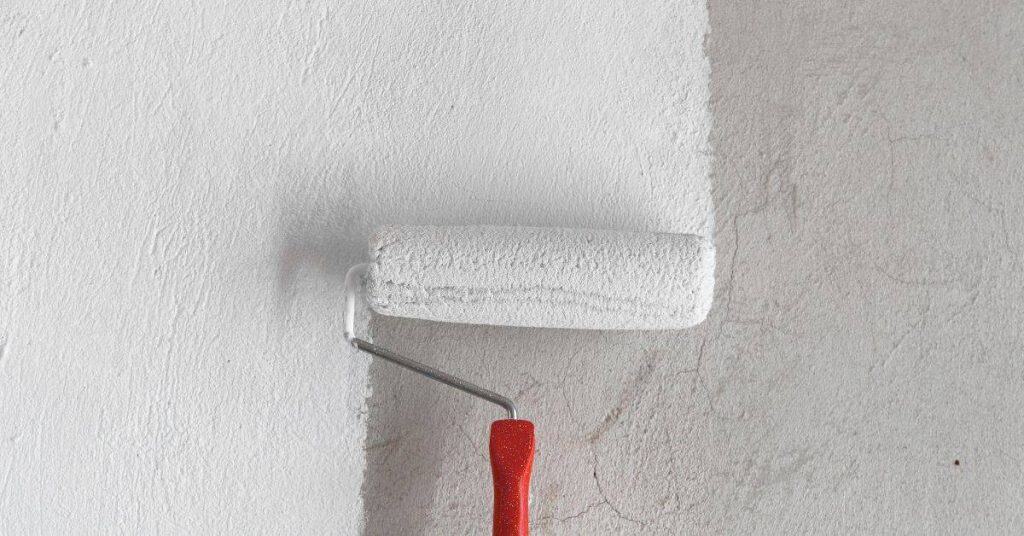
Paint roller applying white paint on textured wall surface

Roller Shedding and Lint in Paint: Prevention and Cleanup Without Repainting the Whole Wall

Introduction Roller shedding and lint in paint happen when fibers from the roller or surface lint mix with wet paint and leave fibers on the wall. This article shows practical, hands-on steps to prevent it and clean up without repainting the whole wall. Use a clean roller and check for loose fibers before you start.

Roller Shedding and Lint in Paint: Prevention and Cleanup Without Repainting the Whole Wall Read More »

Stucco wall with a long patch near basement window

Fixing Hollow-Sounding Stucco: When to Patch vs When to Rebuild

Introduction Hollow-sounding stucco means the outer layer isn’t firmly attached to the wall and loose areas rattle. For small, localized hollows, you can patch; for wide or underlying damage, you’ll likely need to rebuild the affected area. This is a hands-on decision that depends on what’s beneath the surface and how stable the substrate feels.

Fixing Hollow-Sounding Stucco: When to Patch vs When to Rebuild Read More »

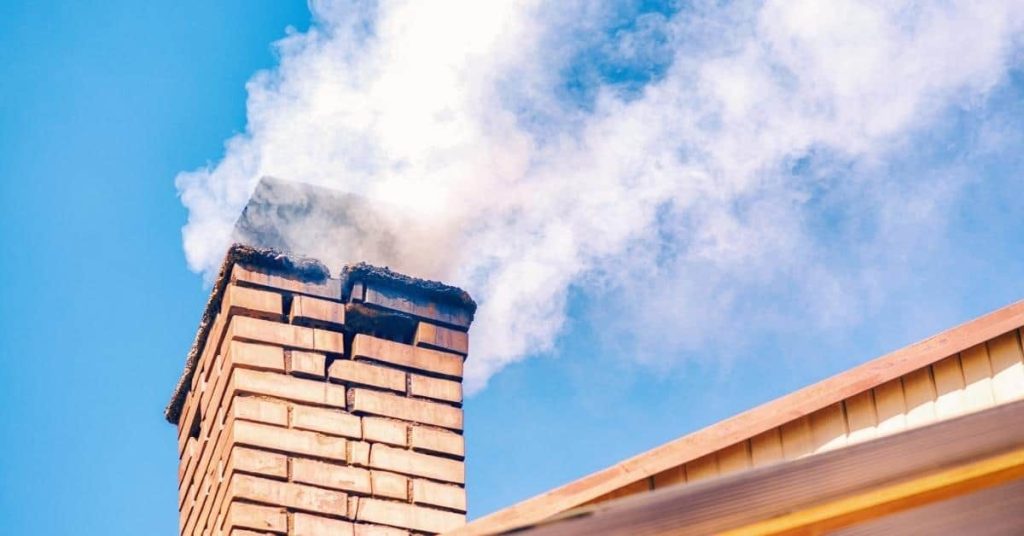
Brick chimney with smoke emitting against blue sky

Chimney Stucco Failures: Heat, Cracks, and Repair Choices

Introduction Chimney stucco failures are cracks and deterioration in the exterior plaster caused by heat exposure, moisture, and movement. These issues show up as hairline cracks, spalling, or texture changes that let water in. Addressing them early keeps water out and protects the brick or block behind the finish. To start, inspect for cracks that

Chimney Stucco Failures: Heat, Cracks, and Repair Choices Read More »