Search Results for: adhesive for stone bonding

Empty room with polished concrete floor and large windows

Moisture Mitigation Systems for Concrete Floors: When You Need One

Introduction A moisture mitigation system blocks moisture from a concrete floor before you install finishes. It helps prevent staining, mold, and fast finish failures. The approach varies, but the goal is to keep dampness from wicking into your flooring. Watch for signs of moisture damage like peeling coatings, dark patches, or a musty smell. Give

Moisture Mitigation Systems for Concrete Floors: When You Need One Read More »

Bucket with mortar mixing paddle and hand tools inside

Grout vs Mortar vs Thinset: Picking the Right Material for Each Job

Introduction Grout, mortar, and thinset are three distinct masonry materials used for different jobs: grout fills gaps between tiles, mortar binds bricks or blocks, and thinset is a cement-based adhesive for setting tiles. In DIY work, choose based on whether you need bonding, filling, or leveling, and adjust for indoor vs outdoor use. Standard blends

Grout vs Mortar vs Thinset: Picking the Right Material for Each Job Read More »

Black and white marble tile surfaces

Tadelakt vs Tile: Where Tadelakt Works, Where It Fails, and What to Use Instead

Introduction Tadelakt is a traditional lime plaster finish used on walls and wet areas. This article offers a plain‑spoken look at where it works well, where it doesn’t, and what you should consider as a DIYer. We cover the basic idea of applying it, the materials you’ll need, and when tiling might be a safer

Tadelakt vs Tile: Where Tadelakt Works, Where It Fails, and What to Use Instead Read More »

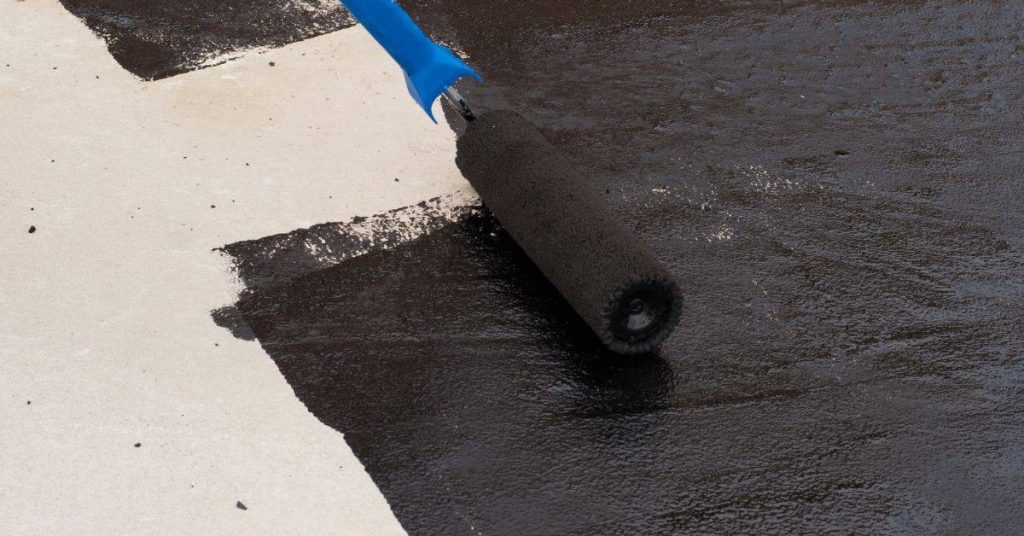
Paint roller applying black sealer on light tile surface

Microcement Over Tile: Prep, Base Coats, Sealer Choices, and DIY Success Factors

Introduction Microcement over tile is a system that coats existing tile with a cement-based finish after proper prep. This approach hinges on solid surface prep, compatible primers, and careful application to stay durable and look even. Base coats and layering are key, and you should follow the product instructions and check for compatibility with tile

Microcement Over Tile: Prep, Base Coats, Sealer Choices, and DIY Success Factors Read More »

Concrete floor grinding machine on dusty floor surface

Foamed Concrete for Insulation: Common Failures, Protection Details, and When to Avoid It

Introduction Foamed concrete for insulation is lightweight concrete that includes air voids or foam to slow heat transfer. This article gives a practical, hands-on overview for DIY homeowners. It helps you know what to check on labels or with the manufacturer before you mix or apply it. Common failures include moisture intrusion, cracking, and poor

Foamed Concrete for Insulation: Common Failures, Protection Details, and When to Avoid It Read More »

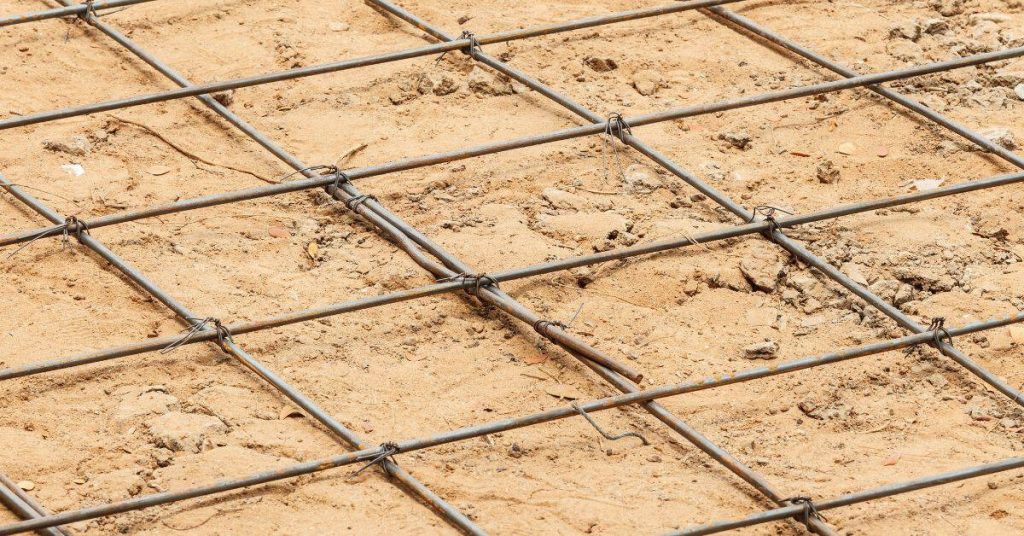
Steel rebar grid tied with wire on sandy ground

Reinforcement Beyond Steel Rebar: Basalt, FRP, Couplers, and Headed Bars

Introduction Reinforcement beyond steel rebar means using non-metallic or alternative materials to strengthen concrete, such as basalt fibers, FRP, couplers, and headed bars. They can resist corrosion and may install differently than traditional rebar. Always check manufacturer instructions and local rules to confirm suitability for your project. FRP rebar offers a value proposition in durability

Reinforcement Beyond Steel Rebar: Basalt, FRP, Couplers, and Headed Bars Read More »

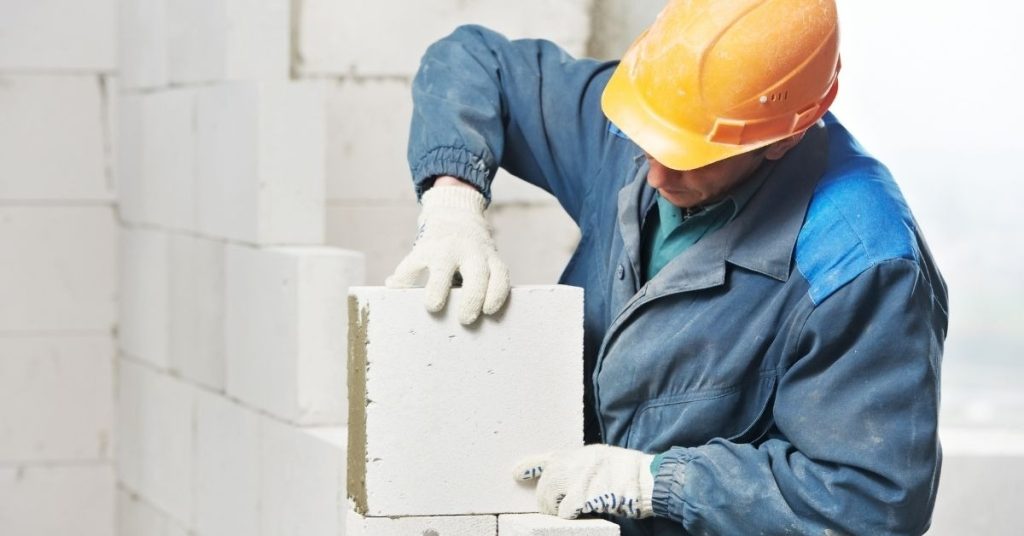
Construction worker placing foam concrete blocks on wall

Bentonite Waterstops: Controlling Swell, Preventing Gaps, and Common Mistakes

Introduction Bentonite waterstops are flexible liners embedded in concrete joints that swell when they get wet to seal the gap. They help control swelling and reduce leaks in walls, foundations, and slabs. Used in place of rigid seals, they require proper placement and overlap for a good seal. Installing bentonite waterstops involves placing the strip

Bentonite Waterstops: Controlling Swell, Preventing Gaps, and Common Mistakes Read More »

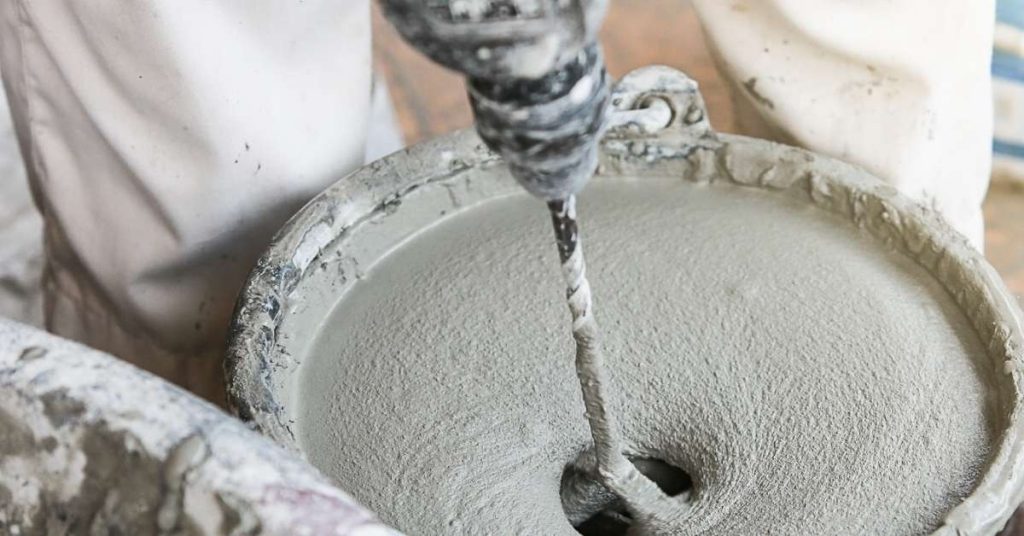
Mixing gray cement mixture in a bucket with drill paddle

Polymer-Modified Overlays: Mixing, Thickness, and Curing for Durability

Introduction Polymer-modified overlays are thin concrete toppings that use polymer additives to improve adhesion and durability. Mix according to the product label and manufacturer instructions; mix until uniform. Apply in an even coat to the prepared surface, checking that the mixture stays workable. The right thickness and proper curing are key to long‑lasting results. Follow

Polymer-Modified Overlays: Mixing, Thickness, and Curing for Durability Read More »