Search Results for: adhesive for stone bonding

Flattening a Wall for Tile: the “before Tile” Step That Prevents Lippage

Flattening a Wall for Tile: the “before Tile” Step That Prevents Lippage

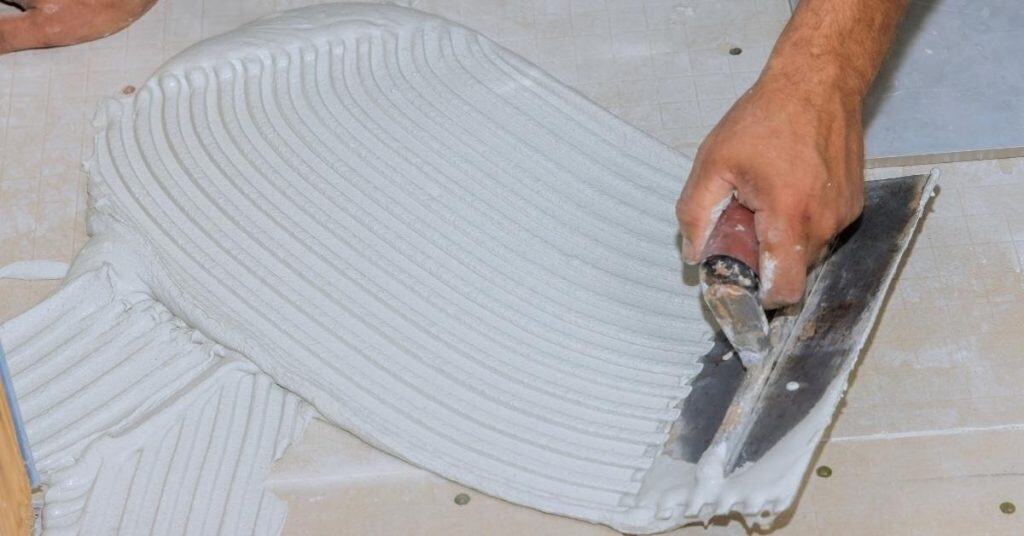
Introduction Flattening a wall before tiling prevents lippage and creates a flat, durable tile surface. In this guide you’ll learn how to assess wall flatness, identify common high and low spots, and apply practical steps to bring every area to level before you lay tile. The approach covers simple checks, common techniques, and ways to […]

Flattening a Wall for Tile: the “before Tile” Step That Prevents Lippage Read More »
Expansion/Movement Joints: Where to Leave Gaps and How to Finish Them Cleanly

Expansion/Movement Joints: Where to Leave Gaps and How to Finish Them Cleanly

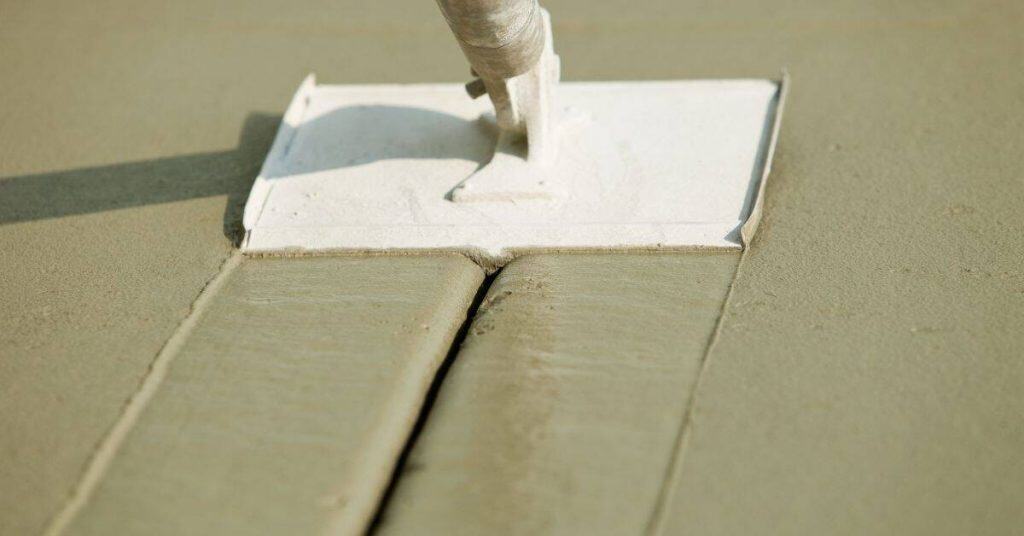
Introduction Leave proper gaps at expansion and movement joints to accommodate building movement and prevent cracking. This introduction explains how to choose appropriate gap sizes, where joints belong, and how to finish them cleanly with durable sealants and proper detailing. You’ll learn practical tips, common mistakes to avoid, and a straightforward approach to creating joints

Expansion/Movement Joints: Where to Leave Gaps and How to Finish Them Cleanly Read More »

The Hidden Danger of Using Styrofoam Insulation Behind Stucco: Fire Risks and Moisture Traps

The Hidden Danger of Using Styrofoam Insulation Behind Stucco: Fire Risks and Moisture Traps

Introduction Styrofoam insulation, while affordable and easy to install, hides significant risks when used behind stucco. This guide explores these dangers, focusing on fire hazards and moisture traps. Key takeaways Identify foam types (EPS, XPS, EIFS) and their compatibility with stucco. Inspect installation flaws: gaps, flashing failures, or improper fastening that trap moisture. Fire risks

The Hidden Danger of Using Styrofoam Insulation Behind Stucco: Fire Risks and Moisture Traps Read More »

Flashing and WRB: the Seasonal Pattern of Spring Showers That Tests Your Home’s Defense

Flashing and WRB: the Seasonal Pattern of Spring Showers That Tests Your Home’s Defense

Introduction Flashing and WRB define how seasonal spring rain can test a home’s weatherproofing and structural defenses. The article explains why this matters for your home and walks you through practical steps to assess, seal, and maintain flashing and WRB details, with tips and rules of thumb to prevent leaks. You’ll learn what signs to

Flashing and WRB: the Seasonal Pattern of Spring Showers That Tests Your Home’s Defense Read More »

Stucco Cracks: the Myth of ‘just Cosmetic’ Damage That Can Cost You Thousands

Stucco Cracks: the Myth of ‘just Cosmetic’ Damage That Can Cost You Thousands

Introduction Stucco cracks are rarely cosmetic and can signal costly structural or moisture issues. This guide explains why cracks matter, how to assess severity, and what steps you can take to prevent further damage. You’ll learn practical tips for inspection, signs to watch for, and the kind of expert advice to seek before repairs. Back

Stucco Cracks: the Myth of ‘just Cosmetic’ Damage That Can Cost You Thousands Read More »

A Diyer’s Guide to Recognizing When Cracks Signal Foundation Problems Vs. Surface Issues

A Diyer’s Guide to Recognizing When Cracks Signal Foundation Problems Vs. Surface Issues

Introduction Cracks in a home can indicate serious foundation problems or simply surface issues, and this guide helps you tell the difference. You’ll learn practical ways to assess crack type and progression, so you can decide what actions are necessary. The guide walks through common crack patterns, simple observations you can make, and when it’s

A Diyer’s Guide to Recognizing When Cracks Signal Foundation Problems Vs. Surface Issues Read More »

Why Mortar Isn’t Always the Right Pick for Thinset Replacement in Your Tile Projects

Why Mortar Isn’t Always the Right Pick for Thinset Replacement in Your Tile Projects

Introduction Mortar isn’t always the right choice for replacing thinset in tile projects. This article explains when mortar can work, when it can’t, and how to choose the best substrate and technique for a durable tile installation. You’ll learn practical guidance on evaluating your substrate, selecting appropriate materials, and applying them correctly to avoid failures.

Why Mortar Isn’t Always the Right Pick for Thinset Replacement in Your Tile Projects Read More »

How to Spot Common Basement Waterproofing Problems Before You Dig in

How to Spot Common Basement Waterproofing Problems Before You Dig in

Introduction Identify common basement waterproofing problems before you dig by recognizing moisture, cracks, and drainage issues. Exterior drainage planning is essential: set a concrete workflow for grading, drainage elevation targets, verification tests after heavy rain, and coordination with landscapers or backfill contractors to avoid reintroducing moisture. Design grading with a continuous slope away from the

How to Spot Common Basement Waterproofing Problems Before You Dig in Read More »

Two basement windows with closed white roller shutters in brick wall

How to Diagnose and Fix Air Leaks Around Your Basement Windows

Introduction Identify and seal air leaks around basement windows to reduce drafts and improve energy efficiency. The guide walks you through practical steps, common leak-prone spots, and simple fixes you can apply to diagnose problems and stop cold air from entering your home. Key takeaways Inspect seals around frame, sill, and trim for cracks and

How to Diagnose and Fix Air Leaks Around Your Basement Windows Read More »