Search Results for: Non sag repair mortar

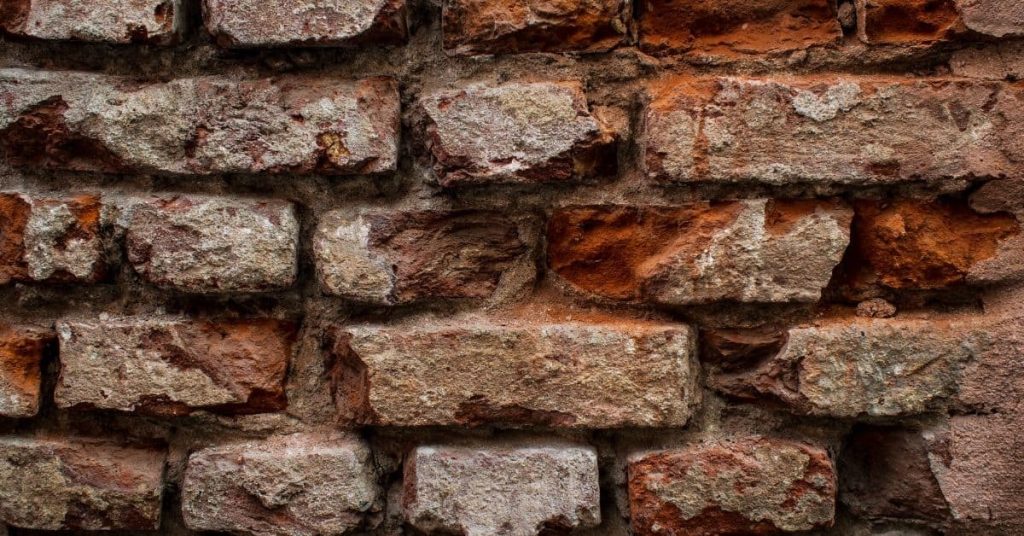
old red brick wall with mortar joints and some white stains

How to spot failed brick flashing: stain trails, damp sheathing clues, and inspection points

Introduction Failed brick flashing shows up as moisture intrusion at joints, leaving stain trails and damp spots on the wall. It signals that water is not being directed away properly. You’ll want to look for signs of staining, softness, or peeling where the flashing meets the surface. In practice, inspect for moisture clues around manufactured […]
How to spot failed brick flashing: stain trails, damp sheathing clues, and inspection points Read More »

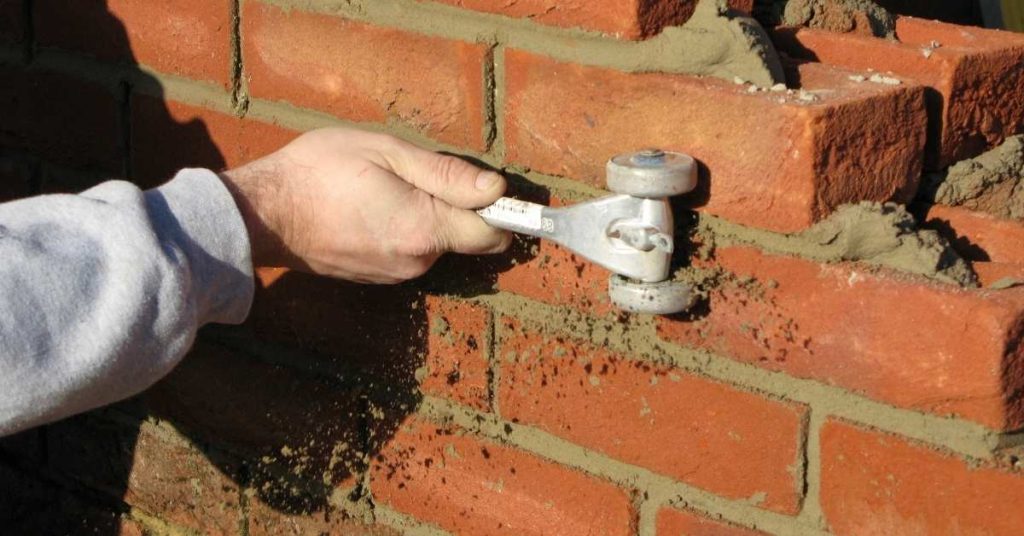
Hand using roller tool on fresh mortar between red bricks

Brick expansion joints: where they belong and how to reseal them

Introduction Brick expansion joints are gaps that allow movement between sections of brickwork as structures expand and contract. They help prevent cracking and mortar damage by accommodating seasonal and load changes. Identifying where these joints exist and how they should be resealed is a hands-on maintenance task rather than a cosmetic repair. Look for irregular

Brick expansion joints: where they belong and how to reseal them Read More »

Person holding turquoise electric drill with gloves drilling wall

Drilling into brick: choosing anchors that won’t crack the face

Introduction Drilling into brick safely means selecting anchors that distribute load without cracking the face. It’s a hands-on task that starts with choosing the right anchor and understanding the brick surface. Plan to test a small area and work patiently to avoid damage. Tools you’ll need include a drill with adjustable speed, a masonry bit,

Drilling into brick: choosing anchors that won’t crack the face Read More »

Closeup of three steel lag screws with hex heads

Rusting steel lintels over brick openings: expansion cracks, temporary fixes, and proper replacement

Introduction Rusting steel lintels over brick openings are corroded structural supports that span the opening and can threaten the masonry. Early signs include rusty stains, cracking joints, and subtle movement around the opening. These issues arise from moisture, age, or poor installation and call for careful assessment before any fixes. Addressing them involves identifying causes

Rusting steel lintels over brick openings: expansion cracks, temporary fixes, and proper replacement Read More »

Brick two-story house exterior with windows and front door

Brick chimney crowns: why they fail and the upgrade that stops water entry

Introduction Chimney crowns fail when water enters through cracks or porous material, leading to damage over time. This article explains how cracks form, what freeze–thaw cycles do, and why proper crown sealing matters. It keeps the discussion practical for a hands-on DIY approach you can reasonably attempt with common tools. A durable upgrade involves a

Brick chimney crowns: why they fail and the upgrade that stops water entry Read More »

close-up of weathered rough red brick wall texture

Brick step settlement: drainage fixes and reset strategies that hold

Introduction Brick step settlement occurs when the treads move out of level due to soil drainage and footing issues. Identifying stair-step cracks and understanding basic causes helps you decide if a DIY reset is feasible. This guide sticks to plain language and practical steps you can assess on the job. Drainage fixes and reset strategies

Brick step settlement: drainage fixes and reset strategies that hold Read More »

Man in red shirt working with toolbox and electric drill by pool

Brick walkway weeds: jointing options and maintenance that doesn’t erode sand

Introduction Brick walkway weeds occur when the joints between bricks are open enough for weed seeds to take root. This article looks at options to fill those joints and keep the sand in place without eroding. It’s written as a practical, hands-on guide you can use on a DIY project. Jointing sand options range from

Brick walkway weeds: jointing options and maintenance that doesn’t erode sand Read More »

concrete block basement wall wooden stairs hand tools hanging

Winter salt and brick efflorescence: how de-icing habits show up on your walls

Introduction Winter salt use and brick efflorescence are the mineral deposits and moisture issues that appear on brick walls due to de-icing salts moving through the masonry. This article explains how everyday snow and ice removal can affect joints and surface finishes. You’ll learn how to spot the signs and why maintaining joints matters. Watch

Winter salt and brick efflorescence: how de-icing habits show up on your walls Read More »

close-up of weathered rough red brick wall texture

Cleaning soot on brick fireplaces: products that won’t etch and how to avoid streaks

Introduction Soot on brick fireplaces can be cleaned safely with non-etching cleaners and careful scrubbing. Soot is a byproduct that can stain surfaces and leave a dusty film. Choose cleaners labeled gentle for masonry and follow the product directions. Gather soft brushes, sponges, and a bucket of warm water, and avoid abrasive pads that can

Cleaning soot on brick fireplaces: products that won’t etch and how to avoid streaks Read More »