Search Results for: Non sag repair mortar

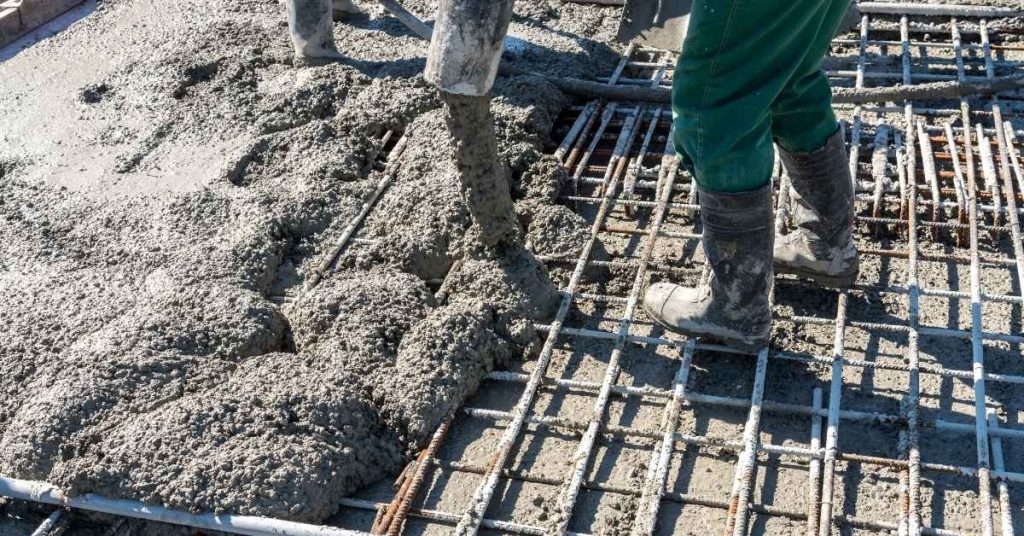
Worker pouring wet concrete over steel rebar grid

Repairing Concrete After Jackhammering Nearby: Microcracks, Prep, and Patch Adhesion

Introduction Repairing concrete after jackhammering nearby means fixing hairline cracks and damaged patches so the surface can take load again and look even. Microcracks form from vibration and shifts, and prep is needed to keep new material from pulling away. Start by cleaning dust and debris, then let the area dry. Roughen the surrounding concrete […]

Repairing Concrete After Jackhammering Nearby: Microcracks, Prep, and Patch Adhesion Read More »
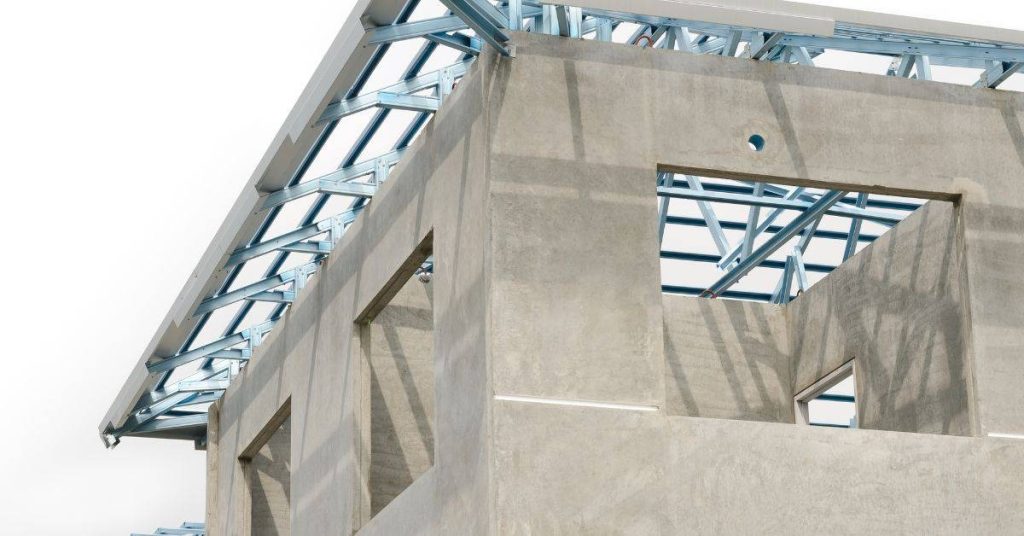
Precast concrete wall panels and steel roof framing

Repairing Honeycombed Concrete: When to Patch, When to Inject, and When to Rebuild

Introduction Repairing honeycombed concrete means fixing voids and loose pockets in the surface by choosing patching, injecting, or rebuilding. You evaluate how severe the honeycombing is and start with the simplest, most straightforward method. If the concrete has hollow spots you can reach, patching is usually the first option; deeper voids may need injecting, and

Repairing Honeycombed Concrete: When to Patch, When to Inject, and When to Rebuild Read More »

Cracked white mortar on red brick wall in sunlight

Latex (SBR) Modifiers in Repair Mortars: Strength Gains vs Breathability Losses

Introduction Latex (SBR) modifiers are synthetic rubber additives used in repair mortars to improve flexibility and adhesion. They help the mortar resist cracking as concrete moves, but they can reduce breathability if overused. Always check the product label and manufacturer instructions for recommended usage and cure expectations. In textile-reinforced mortars (TRMs), SBR modifiers can boost

Latex (SBR) Modifiers in Repair Mortars: Strength Gains vs Breathability Losses Read More »

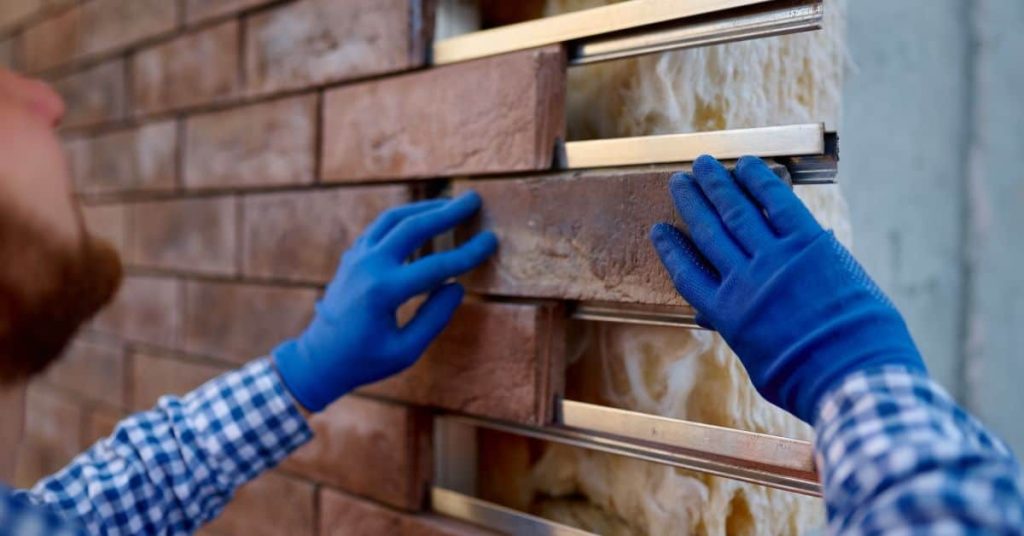
Person installing faux brick GFRC panels with blue gloves

GFRC Panels for DIY Projects: Mix Basics, Fiber Dosage, and Common Failures

Introduction GFRC panels are lightweight, fiber-reinforced cement panels that you can cast for DIY projects. They mix cement, fine aggregates, water, plus short glass fibers to add strength. Proper mixing and curing matter to avoid cracks. Getting the mix right means watching the ratio of cement to aggregate and ensuring the fiber dosage is even.

GFRC Panels for DIY Projects: Mix Basics, Fiber Dosage, and Common Failures Read More »

Orange road work ahead sign with workers in safety gear

Ferrocement Repair Shells: When They Work, How to Build Them, and How They Fail

Introduction A ferrocement repair shell is a thin, reinforced mortar skin applied over a frame to repair or rebuild a boat or similar surface. Work is done in stages—from prep to application to curing—and relies on a solid bond to the existing substrate. This article walks you through what you need to know to decide

Ferrocement Repair Shells: When They Work, How to Build Them, and How They Fail Read More »

White concrete pump truck boom arm above building railing

Concrete Repair Shrinkage: How to reduce edge cracking in patches

Introduction Shrinkage edge cracking is cracks that form along the edges as concrete hardens and dries. This happens when moisture leaves the mix and the surface contracts more than the underlying material. It’s common in patches, especially with rapid drying or temperature swings. Cracks come in different kinds, like hairline shrinkage cracks or wider splits

Concrete Repair Shrinkage: How to reduce edge cracking in patches Read More »

Close-up of concrete screed tool smoothing wet concrete slab

Concrete Bonding Agents: When they help and when they make repairs weaker

Introduction Bonding agents are products that help new concrete stick to old surfaces. They improve adhesion when the surface is clean, sound, and properly prepared. If you skip cleaning or misapply them, they can weaken the repair. Before choosing a method, decide whether you should repair or replace based on damage and load. Focus on

Concrete Bonding Agents: When they help and when they make repairs weaker Read More »

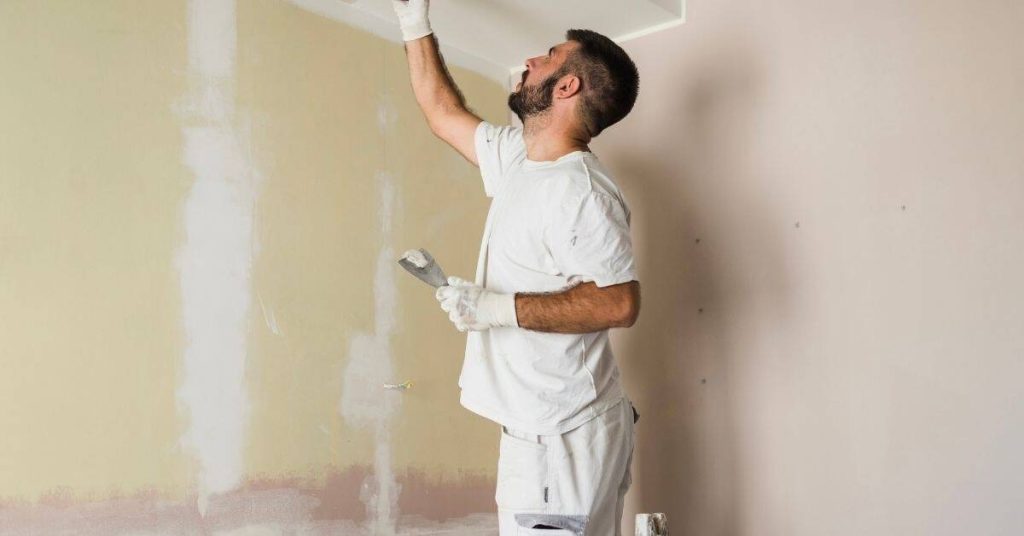
Man patching interior wall with plaster using putty knife

Patching Lime Plaster: Blending repairs without a color mismatch

Introduction Patching lime plaster is the process of repairing damaged areas so the new work matches the old finish. Work with lime plaster that matches the existing mix and color, and test color while it’s still workable to avoid a mismatch. Use feathered, gradual transitions and don’t overfill; the goal is a seamless repair. Prepare

Patching Lime Plaster: Blending repairs without a color mismatch Read More »