Search Results for: Non sag repair mortar

Person applying plaster over blue mesh on wall

Clay Plaster Over Plywood: Movement Joints and Mesh Choices That Reduce Cracking

Introduction Clay plaster over plywood is a breathable, clay-based wall finish bonded to a plywood base. If you’re DIYing, expect a more flexible layer that can absorb minor movement without cracking. Plan for movement joints and appropriate reinforcement to guide cracks where you want them. Placement of joints and the right mesh help the plaster […]

Clay Plaster Over Plywood: Movement Joints and Mesh Choices That Reduce Cracking Read More »

Stacked rough red bricks with varying colors and textures

Lithium Nitrate Admixture for ASR Mitigation: When It’s Used and DIY Considerations

Introduction Lithium nitrate admixture is used to help mitigate ASR in concrete. This article explains when it’s typically considered and what it means for a DIY project. It’s about practical decision points you’ll face on site. Choosing lithium nitrate involves looking at product instructions, mix design goals, and local guidance. This piece covers how it

Lithium Nitrate Admixture for ASR Mitigation: When It’s Used and DIY Considerations Read More »

Hand applying white plaster with metal putty knife

Lime Putty Storage and Aging: What ‘Mature’ Lime Changes in Workability and Strength

Introduction Aging lime putty changes its workability and strength with time. Store it in breathable containers and keep it from direct moisture and temperature swings. In practice, older lime can feel different to work with than fresh material; check the manufacturer’s storage guidance for specifics. What you notice in the mix tells you how mature

Lime Putty Storage and Aging: What ‘Mature’ Lime Changes in Workability and Strength Read More »

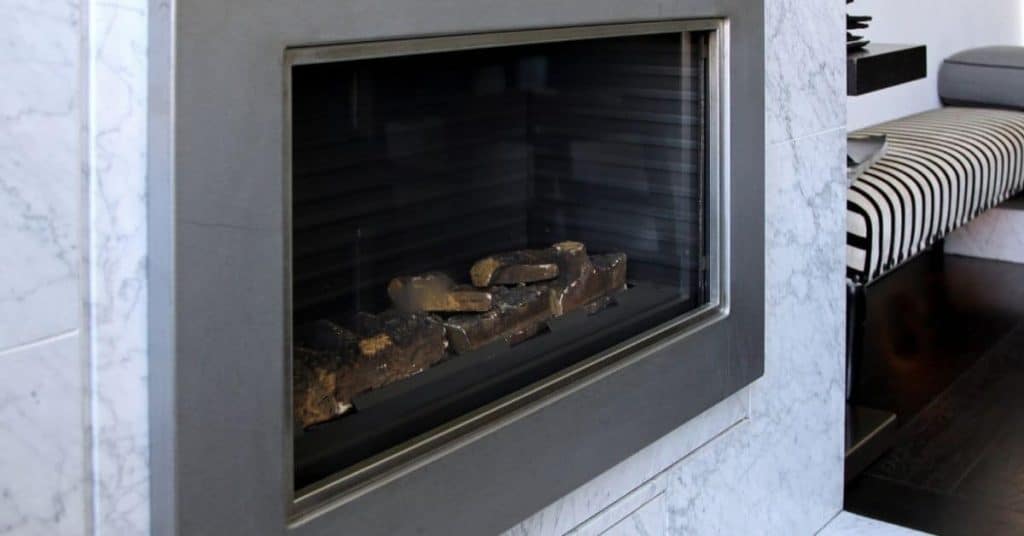
Modern gas fireplace with marble surround and striped bench nearby

Concrete Fireplace Surrounds: Heat Cycling, Crack Control, and Safe Clear-Coat Options

Introduction Concrete fireplace surrounds are finished concrete frames around a fireplace that can handle heat cycling with proper care. They need attention to how heat shifts and ages the surface, especially where the surround meets the hearth and mantel. The goal is a durable, even finish that resists cracking and looks good for years. Crack

Concrete Fireplace Surrounds: Heat Cycling, Crack Control, and Safe Clear-Coat Options Read More »

Close-up of exposed aggregate concrete pool edge with water

Concrete Furniture Outdoors: Mix Tweaks and Detailing to Avoid Edge Spalls and Staining

Introduction Concrete furniture outdoors is solid, weather-ready seating and tabletops cast from concrete that you use outside. Tweaks to the mix and detailing at the edges help prevent edge spalls and reduce staining over time. This article keeps things practical, focusing on what to check in your mix, forms, and finishes before you pour. Maintenance

Concrete Furniture Outdoors: Mix Tweaks and Detailing to Avoid Edge Spalls and Staining Read More »

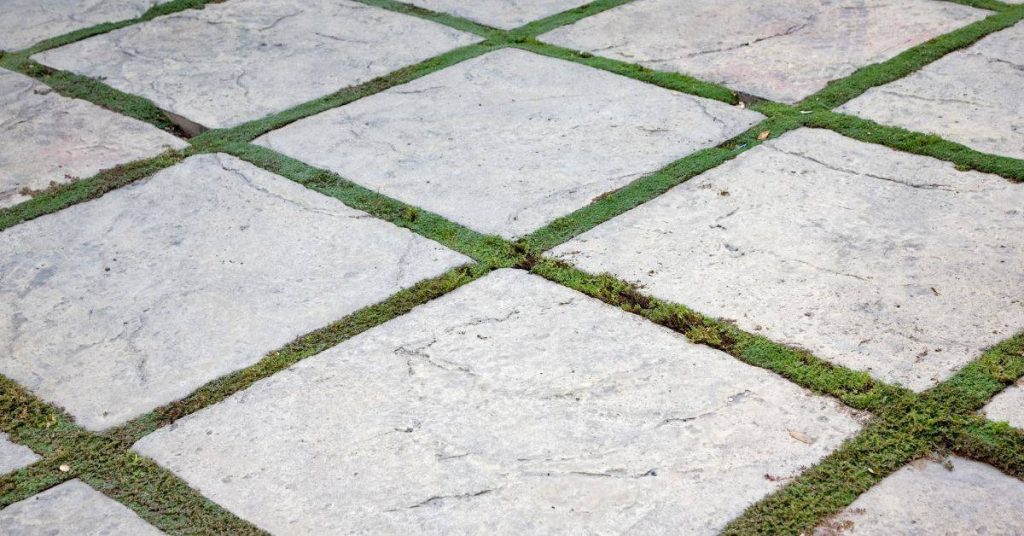
Square stone pavers with green moss in the joints

Sandblasted Finishes: Uniformity Tricks and How to Avoid Shadowing Around Joints

Introduction Sandblasted finishes are a textured surface created by blasting marble with abrasive media to reveal the stone’s grain. The result is a matte, slip-resistant look that hides tiny flaws and can add character to a space. As a DIY project, it’s important to understand that consistency comes from planning, the right media, and steady

Sandblasted Finishes: Uniformity Tricks and How to Avoid Shadowing Around Joints Read More »

Stacked white cement bags arranged in rows

White Concrete Mix for Clean Architectural Pieces: Cement Choice, Sand Color, and Plasticizer Options

Introduction White concrete mix is a cement-based blend designed to produce a light, pale finish for clean architectural pieces. When choosing cement, look for options that emphasize whiteness and low tint; check the label and manufacturer instructions to understand allowable color ranges. If in doubt, ask the supplier about pigments or whitening additives and how

White Concrete Mix for Clean Architectural Pieces: Cement Choice, Sand Color, and Plasticizer Options Read More »

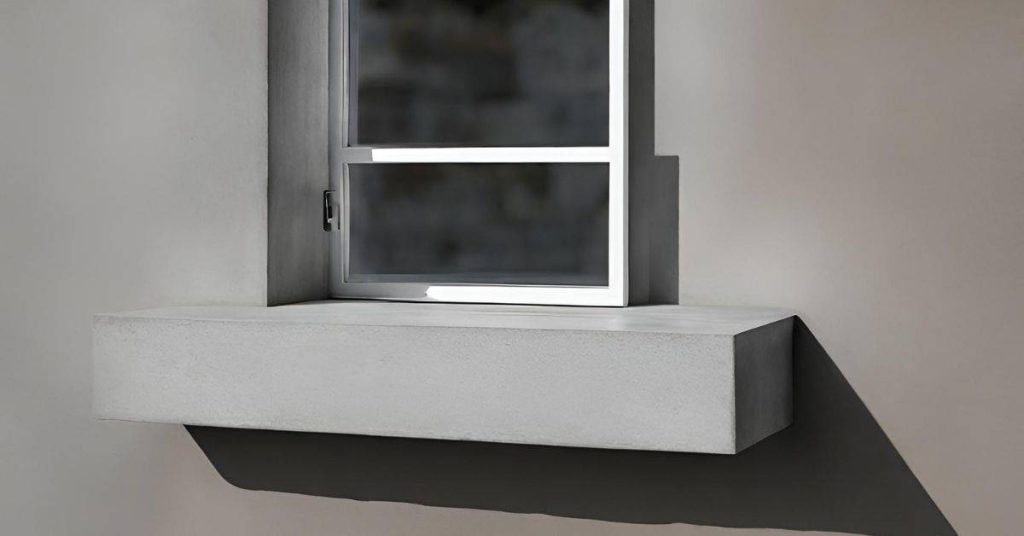
open window above wide concrete window sill casting shadow

Waterproofing Cast Concrete Fountains and Birdbaths: Coatings vs Liners and Maintenance

Introduction Waterproofing cast concrete fountains and birdbaths means choosing a method to keep water from leaking through the concrete. You can use coatings or liners, and each has its own pros for DIY setup and long-term maintenance. Check the product instructions and local rules to confirm compatibility with your concrete, climate, and any decorative finishes.

Waterproofing Cast Concrete Fountains and Birdbaths: Coatings vs Liners and Maintenance Read More »

Freshly poured wet concrete slab inside an unfinished room

Preventing Efflorescence From New Concrete: Water Sources, Curing, and Breathable Protection

Introduction Efflorescence is the white, powdery or crusty mineral deposit that appears on concrete when water moves minerals to the surface. It happens when moisture inside the slab or plaster carries soluble salts to the surface as it evaporates. Identify sources of moisture—wet curing, rain exposure, groundwater, or humid environments—and understand that surface coatings can

Preventing Efflorescence From New Concrete: Water Sources, Curing, and Breathable Protection Read More »

Wooden formwork and rebar cages for concrete column construction

Concrete Stair Stringer Pockets: Forming and Patching Without Weak Cold Joints

Introduction Stringer pockets in concrete stairs are recessed areas that receive the stair stringers so the stairs sit solidly. This article covers how to form and patch them without creating weak cold joints. You’ll do this with basic forms, timing, and careful patching. Plan ahead, check form fit, and keep joints clean and well-tied when

Concrete Stair Stringer Pockets: Forming and Patching Without Weak Cold Joints Read More »