Search Results for: MS with epoxy

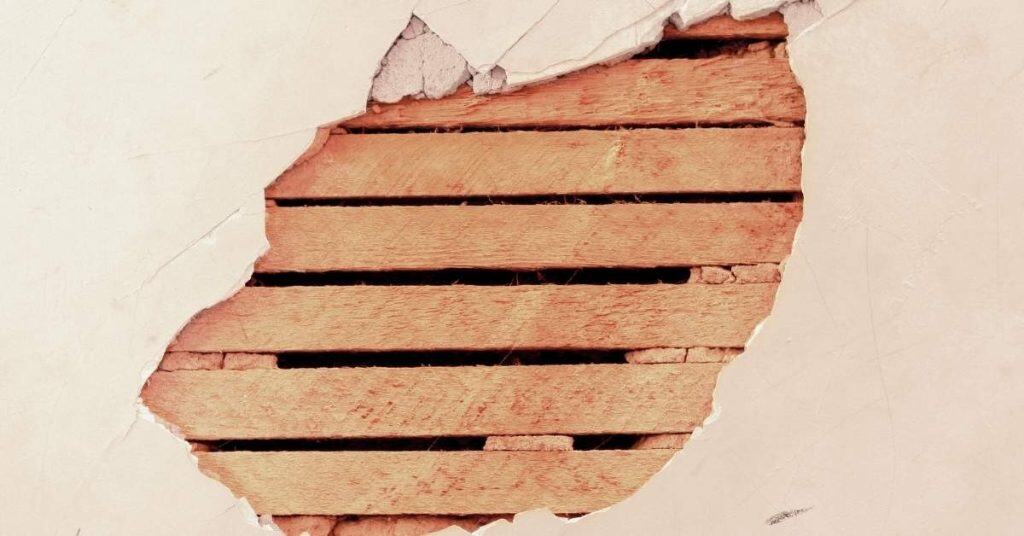
Plaster Keys 101: How to Tell If Plaster Has Detached from Lath

Plaster Keys 101: How to Tell If Plaster Has Detached from Lath

Introduction Plaster has detached from lath when you notice sagging, cracking, or hollow-sounding patches behind the surface. The guide walks you through identifying common signs, understanding the risks, and learning practical steps you can take to evaluate the extent of damage and plan safe, lasting repairs. Key takeaways Plaster keys bind plaster to wood lath, […]

Plaster Keys 101: How to Tell If Plaster Has Detached from Lath Read More »
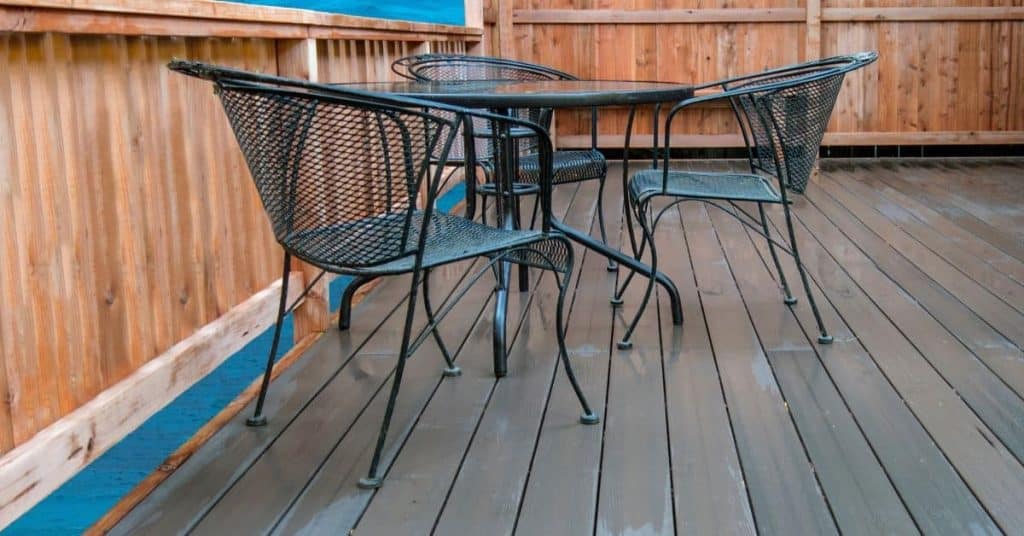
Deck Ledger Flashing: the One Detail That Prevents Rot in Rim Joists

Deck Ledger Flashing: the One Detail That Prevents Rot in Rim Joists

Introduction Deck ledger flashing is the one detail that prevents rot in rim joists. You’ll learn how proper flashing interrupts water intrusion, the steps to inspect and install it correctly, and common pitfalls to avoid. The guide walks through practical tips, real-world best practices, and rules of thumb to keep exterior decks dry and long-lasting.

Deck Ledger Flashing: the One Detail That Prevents Rot in Rim Joists Read More »

Venetian Plaster Maintenance Cleaning and Resealing

Venetian Plaster Maintenance: Cleaning and Resealing

Introduction Enetian plaster maintenance focuses on cleaning and resealing to protect and refresh the finish. You’ll learn practical steps for safe cleaning, how to select appropriate sealants, and the maintenance routine that keeps the plaster looking its best. The guide walks through common challenges and real-world tips you can apply to keep walls durable and

Venetian Plaster Maintenance: Cleaning and Resealing Read More »

Limewashing over Cement Stucco: Prep That Sticks

Limewashing over Cement Stucco: Prep That Sticks

Introduction Limewashing cement stucco can be made to stick if you properly prep and choose a breathable, compatible limewash. You’ll learn practical steps for surface cleaning, repairs, moisture management, and application tips to ensure lasting adhesion. Key takeaways Use breathable limewash to allow moisture evaporation without trapping in stucco. Clean surface thoroughly, remove efflorescence, and

Limewashing over Cement Stucco: Prep That Sticks Read More »

Build a Stucco Sample Board Rack for Client Choices

Build a Stucco Sample Board Rack for Client Choices

Introduction Build a sturdy stucco sample board rack to showcase finish options for client decisions. You’ll learn how to choose durable materials, organize swatches by color and texture, and present samples in a way that helps clients compare options quickly. The guide walks through practical steps for assembly, labeling, and arranging the display so you

Build a Stucco Sample Board Rack for Client Choices Read More »

Efflorescence: the Silent Warning Sign Your Concrete Basement Needs Attention

Efflorescence: the Silent Warning Sign Your Concrete Basement Needs Attention

Introduction Efflorescence is a silent warning sign that your concrete basement needs attention. This article explains why it matters and what it signals about moisture, and it will guide you through practical steps to identify the source and begin addressing it. You’ll learn how to spot signs, assess moisture risk, and apply simple, effective strategies

Efflorescence: the Silent Warning Sign Your Concrete Basement Needs Attention Read More »

The Freezing Point Myth That Leaves Concrete Vulnerable Every Winter

The Freezing Point Myth That Leaves Concrete Vulnerable Every Winter

Introduction The freezing point myth undermines proper care and leaves concrete vulnerable every winter. You’ll learn how water behavior and ice affect concrete, why winter exposure matters, and practical steps to prevent cracking and degradation. The guide walks through simple maintenance tips, common mistakes to avoid, and rules of thumb you can apply each season.

The Freezing Point Myth That Leaves Concrete Vulnerable Every Winter Read More »

Why Weirdly Shaped Concrete Slabs Crack More—and How to Fix Them at Home

Why Weirdly Shaped Concrete Slabs Crack More—and How to Fix Them at Home

Introduction Weirdly shaped concrete slabs crack more because irregular geometry concentrates stress at corners, edges, and transitions. In this guide you’ll learn practical steps to identify problem shapes, assess drainage and reinforcement needs, and perform at-home fixes to reduce cracking. Back to top ↑ Key takeaways Irregular slab shapes create tension paths that widen cracks

Why Weirdly Shaped Concrete Slabs Crack More—and How to Fix Them at Home Read More »

Why ‘more Is Better’ Doesn’t Work When Applying Concrete Sealer

Why ‘more Is Better’ Doesn’t Work When Applying Concrete Sealer

Introduction More isn’t always better when applying concrete sealer; over-application can trap moisture, cause uneven finishes, and shorten the coating’s life. You’ll learn how to apply the right amount in even coats, how to test compatibility with your surface, and how to avoid common mistakes that lead to blotches or peeling. The guide walks through

Why ‘more Is Better’ Doesn’t Work When Applying Concrete Sealer Read More »