Search Results for: MS with epoxy

Fixing Uneven Color After a Wash: How to “reset” the Surface Without Making It Worse

Fixing Uneven Color After a Wash: How to “Reset” the Surface Without Making It Worse

Introduction You can reset uneven color after a wash by carefully rebalancing the surface without making it worse. This guide walks through practical steps, common pitfalls to avoid, and general tips you can apply to restore an even look. Key takeaways Assess underlying causes of color inconsistency before attempting remedies. Clean surfaces with mild, compatible […]

Fixing Uneven Color After a Wash: How to “Reset” the Surface Without Making It Worse Read More »
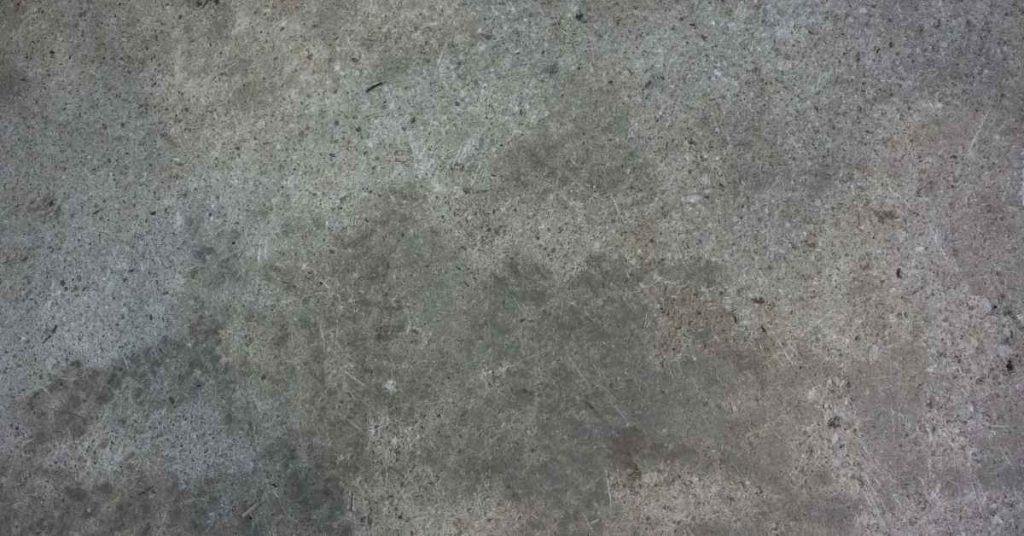
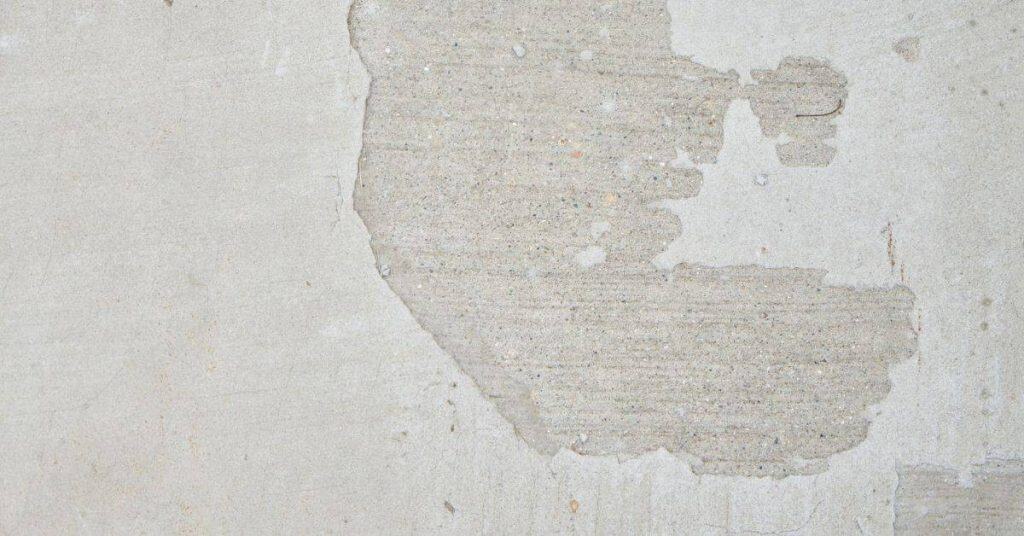
Rough concrete surface with blotchy stains and texture variations.

Concrete Stain Compatibility: Why Some Stains Fail on Dense Troweled Floors

Introduction Dense troweled concrete floors can resist stain absorption, causing many stains to fail. You’ll learn why this happens, and how to select compatible stains and proper surface prep to achieve reliable color results. Key takeaways Dense troweled floors have low porosity; stain requires compatible penetrating formulas and proper surface prep protocols. Epoxy sealers or

Concrete Stain Compatibility: Why Some Stains Fail on Dense Troweled Floors Read More »

Joint Filler Options for Garage Slabs: Rigid Vs Semi-Rigid Explained Simply

Joint Filler Options for Garage Slabs: Rigid Vs Semi-Rigid Explained Simply

Introduction Rigid and semi-rigid joint fillers are the main options for garage slabs, with different movement tolerances and durability. This article explains how to tell which is best for your slab and walks you through practical considerations, installation tips, and real-world examples. You’ll learn how to assess slab movement, select materials, and apply simple rules

Joint Filler Options for Garage Slabs: Rigid Vs Semi-Rigid Explained Simply Read More »

Sealing Control Joints: Backer Rod + Sealant Basics for Outdoor Slabs

Sealing Control Joints: Backer Rod + Sealant Basics for Outdoor Slabs

Introduction Backer rod and sealant basics are essential for sealing control joints in outdoor slabs. You’ll learn practical tips on joint prep, material selection, and sealant application that help prevent leaks and cracking. Key takeaways Proper backer rod fills space, prevents sealant sag and reduces adhesion issues. Clean joints thoroughly before sealing; remove dust, oils,

Sealing Control Joints: Backer Rod + Sealant Basics for Outdoor Slabs Read More »

Cracks at Inside Corners: Re-Entrant Corner Relief Cuts That Reduce Risk

Cracks at Inside Corners: Re-Entrant Corner Relief Cuts That Reduce Risk

Introduction Re-entrant corner relief cuts reduce the risk of cracks forming at inside corners. This article explains why inside corners are prone to stress and how relief cuts can mitigate that risk, with practical guidelines you can apply in common fabrication and design scenarios. You’ll learn simple rules of thumb, example layouts, and step-by-step considerations

Cracks at Inside Corners: Re-Entrant Corner Relief Cuts That Reduce Risk Read More »

Slab Curling at Edges: Why It Happens and How to Reduce It

Slab Curling at Edges: Why It Happens and How to Reduce It

Introduction Slab curling at edges happens when the outer parts dry or cool faster than the center, causing the edges to lift. Understanding this helps you prevent issues with fit, finish, and performance in real-world projects. The guide walks through practical cues and tips to reduce curling, including moisture management, substrate considerations, and realistic expectations

Slab Curling at Edges: Why It Happens and How to Reduce It Read More »

Concrete mixer truck delivering concrete at construction site

Removing Curing Compounds Before Coatings: How to Test and Strip the Film

Introduction Remove curing compounds before coatings to ensure proper adhesion and a clean, durable finish. The guide walks through how to test for residual film, choose practical stripping methods, and apply steps that balance effectiveness with surface safety, so you’ll know what to check and how to proceed in real-world applications. Key takeaways Test cure

Removing Curing Compounds Before Coatings: How to Test and Strip the Film Read More »

Grinding Vs Acid Etching: Choosing the Right Prep Method for Your Goal

Grinding Vs Acid Etching: Choosing the Right Prep Method for Your Goal

Introduction Grinding vs. acid etching comes down to choosing the right surface prep method for your goal. You’ll learn how to evaluate when to use grinding or etching, what practical outcomes to expect, and simple tips to apply the method effectively. Key takeaways Assess substrate type and coating compatibility before selecting grinding or etching methods.

Grinding Vs Acid Etching: Choosing the Right Prep Method for Your Goal Read More »

Concrete Surface Profile for Coatings: How to “feel” If It’s Ready

Concrete Surface Profile for Coatings: How to “Feel” If It’s Ready

Introduction You can determine a concrete surface’s readiness for coatings by assessing its surface profile. The guide explains why this matters for adhesion and durability, and it walks you through practical steps, tips, and rules of thumb to evaluate texture, cleanliness, and uniformity. You’ll learn how to identify when the surface meets basic criteria and

Concrete Surface Profile for Coatings: How to “Feel” If It’s Ready Read More »