Search Results for: MS with epoxy

Concrete beam and metal frame structure under clear blue sky

Concrete Anchor Selection for DIY Projects: Wedge vs Sleeve vs Drop-In vs Epoxy

Introduction Concrete anchor selection for DIY projects means matching the anchor type—wedge, sleeve, drop-in, or epoxy—to the load, base material, and environment so your fastener actually holds; pick by how the load is applied, whether the concrete is cracked or uncracked, and where moisture or chemicals are present. Think practical: wedges bite into solid, uncracked […]

Concrete Anchor Selection for DIY Projects: Wedge vs Sleeve vs Drop-In vs Epoxy Read More »

Concrete blocks with metal anchor bolts installed

Concrete Anchor Selection for DIY Projects: Timeline & Duration Guide – Wedge vs Sleeve vs Drop-In vs Epoxy

Introduction The success of your DIY concrete project often hinges on selecting the right anchor and completing each step within a reasonable timeframe. Understanding the timeline and duration for installing wedge, sleeve, drop-in, or epoxy anchors can help you plan effectively. In this guide, we’ll walk you through the installation process for each type of

Concrete Anchor Selection for DIY Projects: Timeline & Duration Guide – Wedge vs Sleeve vs Drop-In vs Epoxy Read More »

close up of cracked concrete surface with one large crack

Concrete Crack Stitching for DIYers: When Staples + Epoxy Beat ‘Fill and Forget’

Introduction Crack stitching is a method to rebind a cracked concrete surface using staples and epoxy to align and hold the pieces. It’s a practical, hands‑on repair you can tackle with basic tools. The stitched bond is designed to move with the slab rather than simply fill the gap. Plan your approach by inspecting the

Concrete Crack Stitching for DIYers: When Staples + Epoxy Beat ‘Fill and Forget’ Read More »

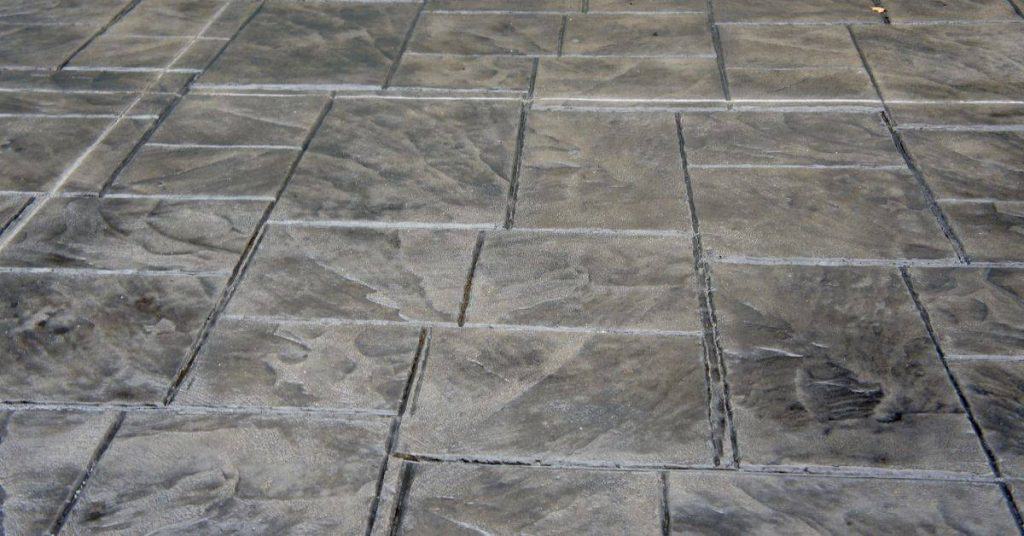
Close-up of textured stamped concrete surface with square pattern

Best Paint Systems for Concrete Block Walls Indoors (Breathability vs. Washability)

Introduction Breathable paint systems allow moisture in the wall to escape while still providing a decorative finish. Washable coatings resist scuffs and stains, but may seal too tight and trap moisture if used improperly. For block walls indoors, balance the needs of humidity, moisture migration, and cleaning ease. Check the product label for breathability ratings

Best Paint Systems for Concrete Block Walls Indoors (Breathability vs. Washability) Read More »

spiked roller on freshly applied epoxy floor coating

Epoxy Thinset vs. Cement Thinset: Where Epoxy Is Worth It (and where it’s trouble)

Introduction Epoxy thinset is a two‑part adhesive that uses epoxy as the binder, offering a tougher, more chemical‑resistant bond than plain cement thinset. In DIY terms, it sets slower and can be trickier to mix and apply, so it’s not always the best choice for every job. Check manufacturer instructions for mixing ratios, pot life,

Epoxy Thinset vs. Cement Thinset: Where Epoxy Is Worth It (and where it’s trouble) Read More »

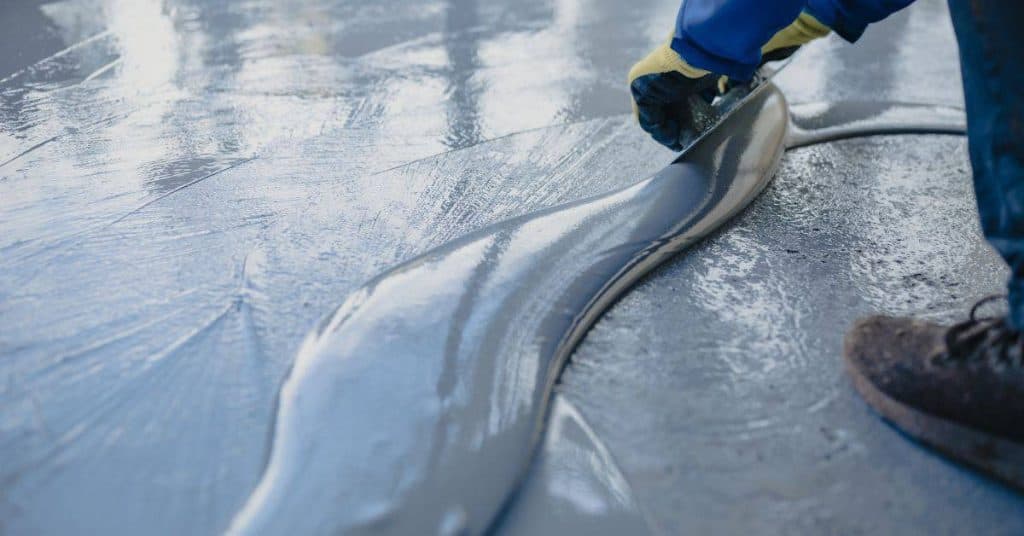
Person applying glossy epoxy coating on concrete floor

Painting Basement Walls Without Trapping Moisture: Mineral Paints vs. Acrylics vs. Epoxy

Introduction Painting basement walls without trapping moisture means choosing a coating and prep method that manages moisture rather than sealing it in. Start by diagnosing the wall condition and cleaning, repairing leaks, and planning ventilation before any paint goes on. Then determine if the wall needs moisture barriers, steps for drying, and whether to apply

Painting Basement Walls Without Trapping Moisture: Mineral Paints vs. Acrylics vs. Epoxy Read More »

Painter in protective suit spraying white paint on wall

Paint Sheen Touch-Up Problems: Why Patches Flash and How to Blend Them

Introduction Paint sheen touch-up problems occur when patches look noticeably shinier or duller than the surrounding wall after you repaint. They come from differences in sheen level, dry times, or how the old and new coats interact under lighting. The fix is about matching the finish and blending the edges so the patch isn’t obviously

Paint Sheen Touch-Up Problems: Why Patches Flash and How to Blend Them Read More »

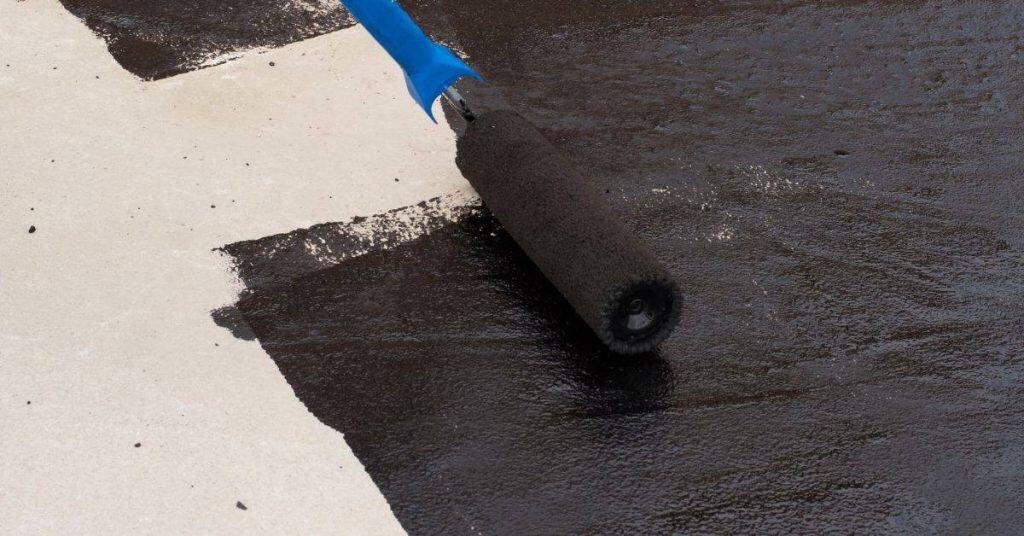
Paint roller applying black sealer on concrete surface

Concrete Sealer Slip Problems: How to Add Traction Without Peeling the Finish

Introduction A concrete sealer is a surface coating intended to protect and seal a concrete floor. When it becomes slick or peels, traction is lost and the risk of slips increases. This article explains practical ways to add traction without peeling the finish. There are penetrating sealers that soak in and film-forming coatings that sit

Concrete Sealer Slip Problems: How to Add Traction Without Peeling the Finish Read More »

Hand painting wooden deck with paintbrush and red stain

Faster, Neater Painting: Systems That Save Time Without Sloppy Results

Introduction Faster, neater painting means finishing coats with fewer touch-ups by using careful prep, efficient tools, and smart technique. It’s about not wasting time on messy rework and getting a smooth, even result the first time. This article covers practical, hands-on steps you can follow at home. Start with a clean surface, gather the essential

Faster, Neater Painting: Systems That Save Time Without Sloppy Results Read More »

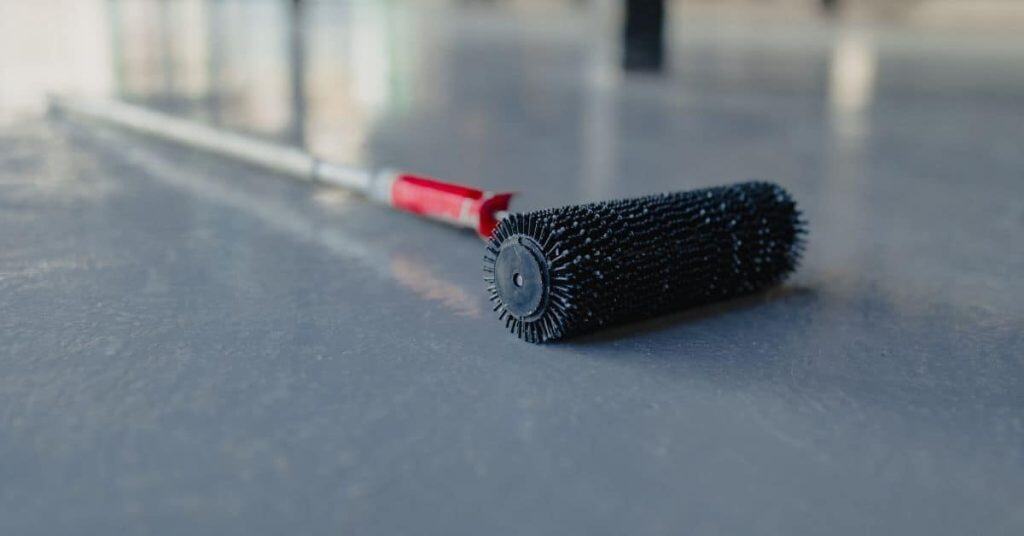
spiked roller lying on smooth epoxy resin floor

Use Epoxy Resin Like a Pro: Mixing, Pouring, Bubbles, and Finishing

Introduction Epoxy resin is a two-part system that you mix and pour to create a hard, glossy surface. This guide walks you through mixing, pouring, and finishing like a pro, with practical, DIY-friendly steps. Keep it simple, check the product label and follow manufacturer instructions for safe use. Air bubbles come from rushing mixing, too-fast

Use Epoxy Resin Like a Pro: Mixing, Pouring, Bubbles, and Finishing Read More »