Search Results for: MS with epoxy

Close-up of concrete floor grinding machine on rough concrete surface

Fixing Form Lines on Exposed Concrete: Grinding, Skim Coats, and Texture Matching

Introduction Fixing form lines on exposed concrete means smoothing or concealing the raised lines left by the forms so the surface looks even. In this DIY approach, you’ll grind the lines down, skim-coat areas as needed, and texture-match the rest of the surface. Plan to work methodically, wear a dust mask, and always check the […]

Fixing Form Lines on Exposed Concrete: Grinding, Skim Coats, and Texture Matching Read More »
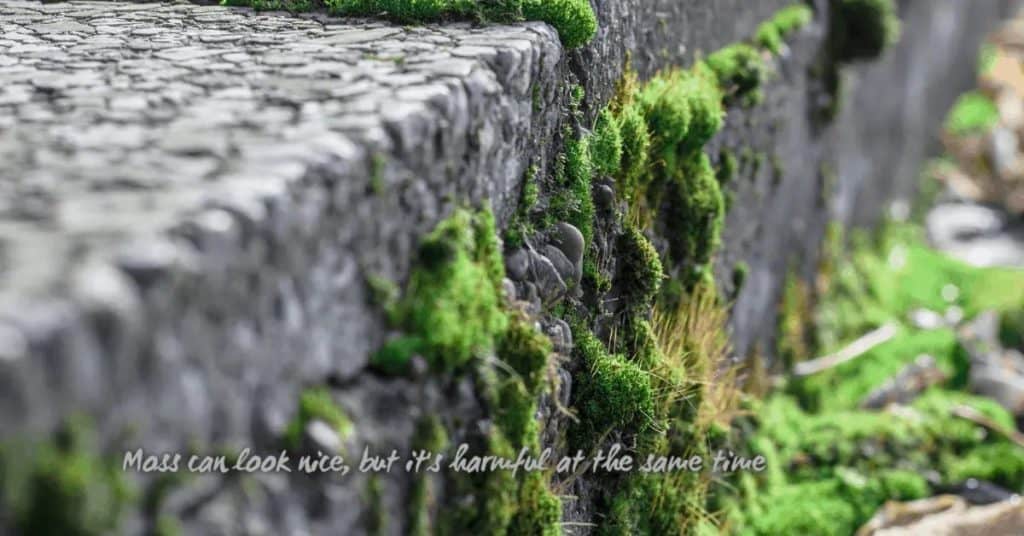
Close-up of moss growing on deteriorating concrete edge

Feather-Edge Concrete Repairs: When They Fail and Better Build-Up Methods

Introduction Feather-edge concrete repairs are a method to rebuild a thin, tapered edge on damaged concrete so it blends with the surrounding slab. This approach is hands-on and relies on proper surface prep, bonding, and gradual build-up rather than full removal. If the edge is chipped but the rest of the slab is sound, a

Feather-Edge Concrete Repairs: When They Fail and Better Build-Up Methods Read More »

Tool smoothing control joint in wet concrete slab

Control Joint Spacing: Practical Layout Rules That Reduce Random Cracks

Introduction Control joints are planned cuts in concrete to control where cracks will form. Timing matters for saw cutting; cut while the concrete has cured enough to groove, but before random cracking starts. Plan spacing and layout based on the panel sizes you’re using and how the slab will be loaded throughout its life. Strategic

Control Joint Spacing: Practical Layout Rules That Reduce Random Cracks Read More »

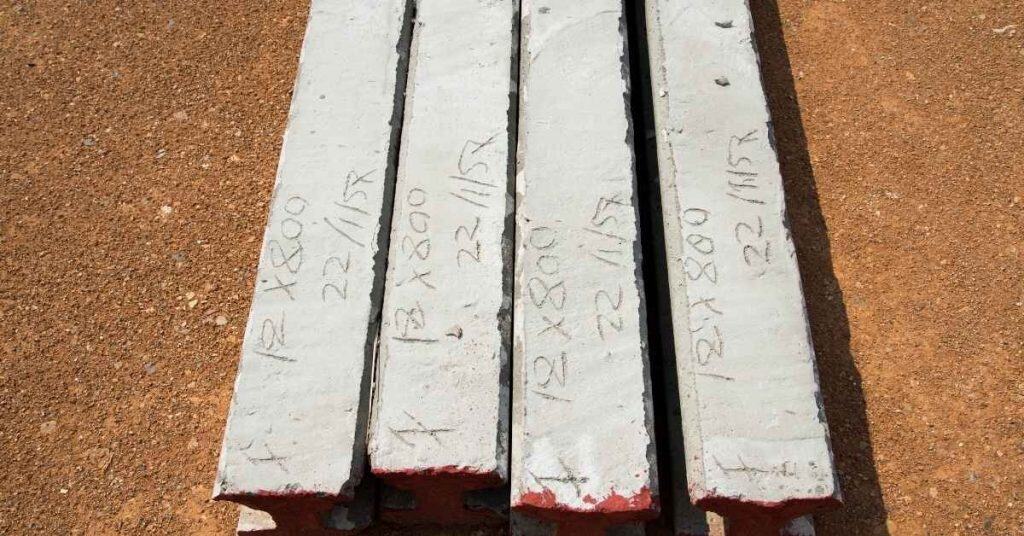
Four concrete test slabs marked with measurements lying on dirt

Concrete Water Vapor From Slabs: Easy DIY Tests Before Flooring Goes Down

Introduction Moisture testing of a concrete slab is checking how much water vapor is in the slab before you install flooring. These quick DIY checks tell you if the slab is dry enough for flooring and help you avoid issues later. Moisture movement depends on temperature, humidity, slab thickness, and curing history, so you’ll want

Concrete Water Vapor From Slabs: Easy DIY Tests Before Flooring Goes Down Read More »

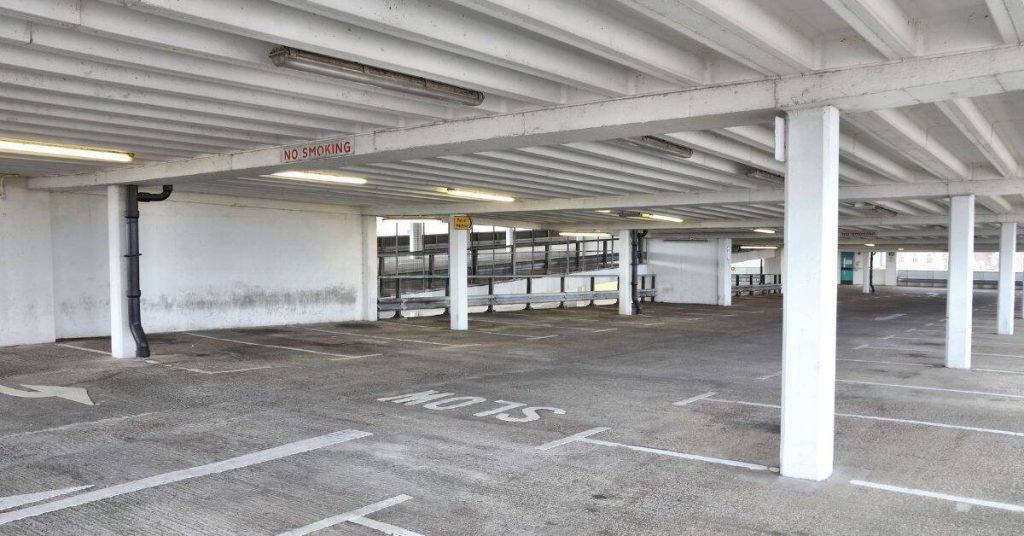
Empty concrete parking garage with support columns and ceiling beams

Concrete Shrinkage-Reducing Options: What Helps on Small DIY Pours

Introduction Shrinkage-reducing options are methods and approaches that help concrete settle with less shrinking and cracking on small pours. For DIY projects, you’ll hear about techniques like using a drier mix strategy and careful placement to control how water behaves. One common option is dry pouring, a method that aims to minimize free water and

Concrete Shrinkage-Reducing Options: What Helps on Small DIY Pours Read More »

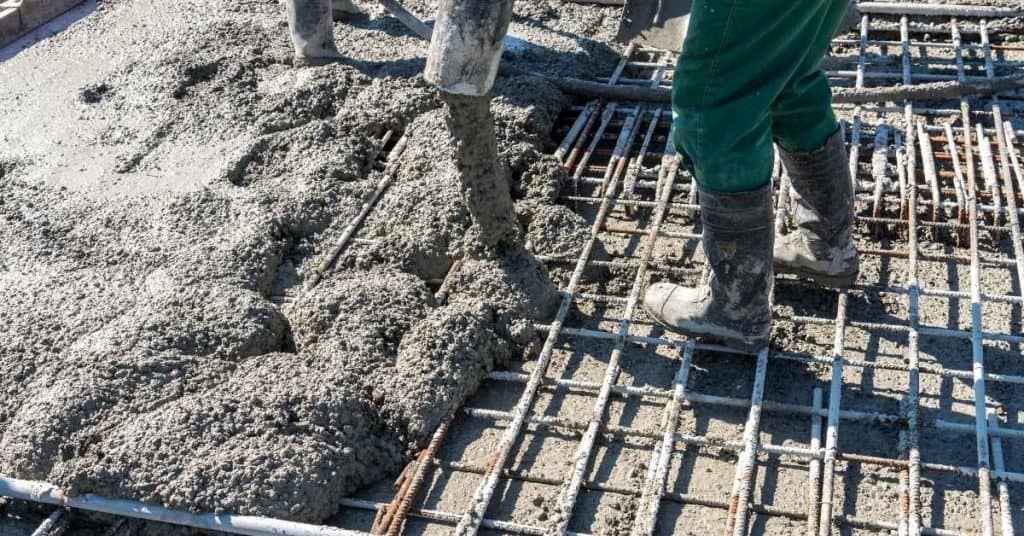
Workers pouring wet concrete over steel rebar grid

Concrete Rebar Shadowing: Why Lines Appear and What You Can Do

Introduction Concrete rebar shadowing is when the lines of embedded steel rebar show up as darker or lighter lines on the surface after curing. This happens as moisture, temperature, and the metal interact during the cure, with the surface sometimes mirroring the rebar pattern. Differences in finishing between forms or around the rebar can further

Concrete Rebar Shadowing: Why Lines Appear and What You Can Do Read More »

Smooth concrete window sill under open window with shadows

Concrete Microcracks After Curing: Causes, Visibility, and When to Seal

Introduction Concrete microcracks after curing are tiny cracks that form as the slab gains strength and settles. They are usually hairline and may be visible on the surface or near joints. Causes include shrinkage, temperature changes, and normal settling, not necessarily a defect. Sealing timing and product choice depend on your climate and the sealer

Concrete Microcracks After Curing: Causes, Visibility, and When to Seal Read More »