Search Results for: MS with epoxy

Three paintbrushes and three open paint cans with different colors

Paint Storage in Freezing Weather: A Step-by-Step Timeline for Testing and Thawing Paint Safely

Introduction When temperatures drop, paint storage becomes a race against time. Understanding the timeline of how freezing affects your paint is crucial to preserving its usability and preventing costly mistakes. In this guide, we’ll walk you through a step-by-step timeline for testing and thawing frozen paint safely, ensuring you’re prepared to tackle your painting projects

Paint Storage in Freezing Weather: A Step-by-Step Timeline for Testing and Thawing Paint Safely Read More »

Damaged stucco with blue reinforcing mesh exposed

Repairing Stucco Soffits: Gravity, Fasteners, and Crack-Resistant Mesh Layout

Introduction Repairing stucco soffits means fixing the underside of eaves where stucco has cracked, sagged, or pulled away using proper support, fasteners, and mesh so the repair resists gravity and future movement. Start by assessing the damage and plan how gravity fasteners and mesh will transfer loads back to solid framing; check product labels and

Repairing Stucco Soffits: Gravity, Fasteners, and Crack-Resistant Mesh Layout Read More »

Concrete formwork and rebar reinforcement at construction site

DIY Concrete Rebar Cover Fixes: When Grinding Helps and When You Must Patch

Introduction DIY concrete rebar cover fixes means deciding whether grinding to expose and clean the surface is enough or whether you must chip out and patch back to proper cover; start by confirming how deep the corrosion or delamination goes and whether the rebar is structurally compromised. If the trouble is only surface rust and

DIY Concrete Rebar Cover Fixes: When Grinding Helps and When You Must Patch Read More »

Worker pouring concrete over exposed rebar grid

Concrete Spall Repair with Rebar Exposure: Cleaning, Passivation, and Patch Build-Up

Introduction Concrete spall repair with rebar exposure means removing loose concrete, cleaning and protecting any exposed steel, and rebuilding the patch so the surface is sound and bonded. In DIY terms that means chipping out unsound material, getting the rebar clean and passivated, and building the repair in layers so it cures properly. Check product

Concrete Spall Repair with Rebar Exposure: Cleaning, Passivation, and Patch Build-Up Read More »

Close-up of concrete edge with green moss growth

Concrete Edge Chipping Near Garages: Why It Starts and How to Armor the Edge

Introduction Concrete edge chipping near garages happens when traffic, moisture, freeze-thaw cycles, and weak edge support combine to break the thin, exposed rim of the slab. I’ll explain the common causes and practical fixes so you can stop new damage and protect the slab edge. This is written as a hands-on DIY approach you can

Concrete Edge Chipping Near Garages: Why It Starts and How to Armor the Edge Read More »

Precast concrete beams covered with snow outdoors

Fiber Reinforced Concrete for Small Projects: Poly vs Glass vs Steel Fibers Compared

Introduction Fiber reinforced concrete for small projects is concrete mixed with short fibers—polypropylene, glass, or steel—added to improve crack control and toughness; think of them as a distributed reinforcement choice rather than a substitute for rebar when needed. For a DIYer, the choice depends on the job: polypropylene is economical and helps plastic shrinkage, glass

Fiber Reinforced Concrete for Small Projects: Poly vs Glass vs Steel Fibers Compared Read More »

Rows of concrete blocks drying on racks in indoor environment

Concrete Patching in Thin Layers: Polymer Mods, Lift Limits, and Curing Between Coats

Introduction Concrete patching in thin layers means repairing shallow spalls or surface defects with a polymer‑modified patch material applied in successive thin lifts until the surface is rebuilt. This approach uses a blend of cement and polymer to improve bond and flexibility, but check the product label and manufacturer instructions for mix details, maximum lift

Concrete Patching in Thin Layers: Polymer Mods, Lift Limits, and Curing Between Coats Read More »

Concrete wall surface with multiple small holes and rough texture

Form Tie Holes on Concrete Walls: Clean Fill Techniques That Don’t Halo After Sealing

Introduction Form tie holes on concrete walls are the small openings left where form ties passed through the forms, and cleaning and filling them correctly prevents staining and “halos” after you seal the wall. For a DIYer that means choosing a compatible fill material, preparing the hole and surrounding concrete, and using application techniques that

Form Tie Holes on Concrete Walls: Clean Fill Techniques That Don’t Halo After Sealing Read More »

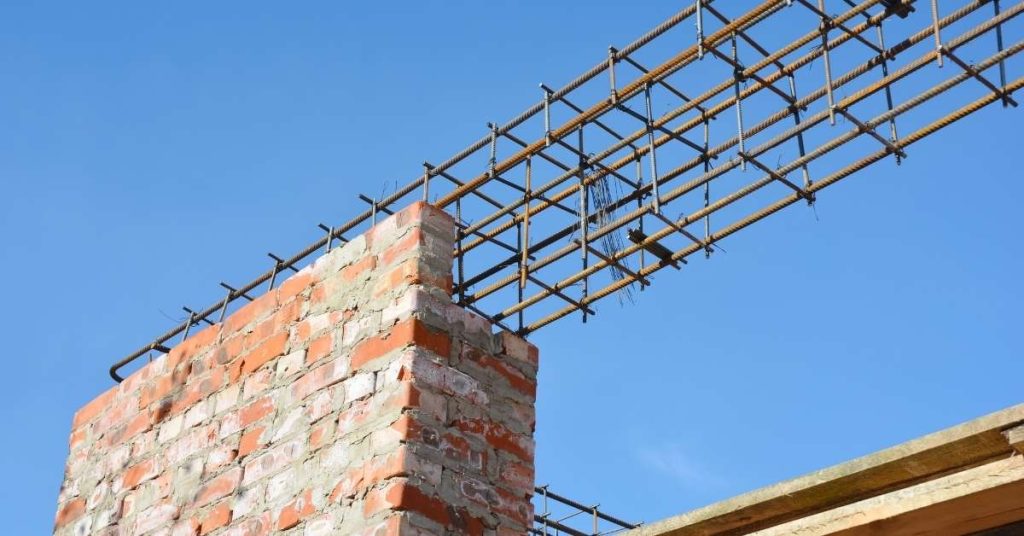
Brick wall with exposed rebar frame against blue sky

Repairing Settlement Cracks Along a Garage Stem Wall: Drainage Checks and Patch Strategy

Introduction Repairing settlement cracks along a garage stem wall means checking why water is pooling, fixing drainage, and then sealing and patching the cracks so the wall stops moving and water stops getting in. Start by looking for low spots, clogged drains, downspouts that dump by the foundation, and any gaps at the slab-wall joint,

Repairing Settlement Cracks Along a Garage Stem Wall: Drainage Checks and Patch Strategy Read More »