Search Results for: MS with epoxy

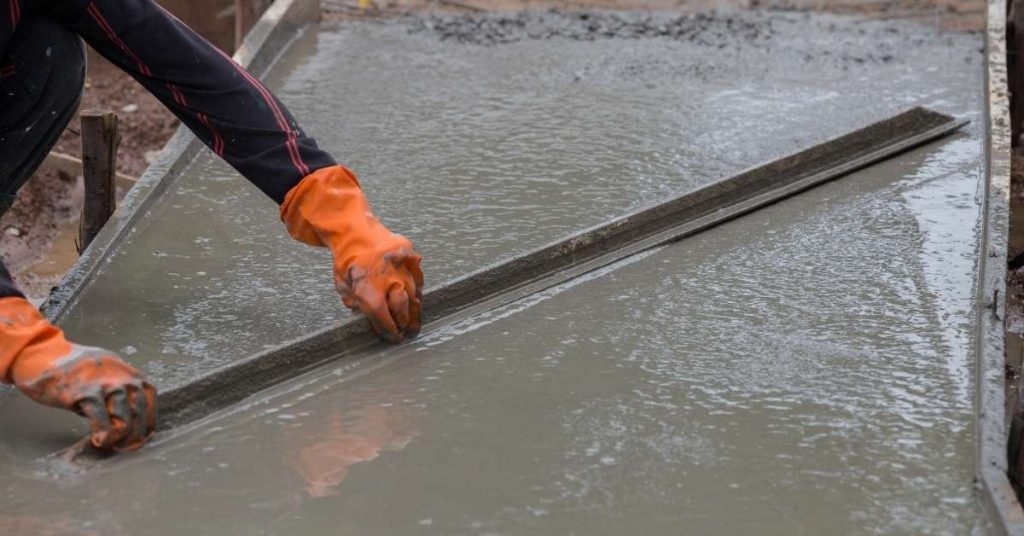
Hands with orange gloves leveling wet concrete slab

Pinholes in Concrete Countertops: Why They Happen and How to Fill Them

Introduction Pinhole in a concrete countertop is a small void formed in the finish when air or surface contaminants keep the topping from fully bonding. They show up as tiny spots that can catch light and reveal the underlying texture. They often occur during pouring or finishing if the surface wasn’t fully closed off or […]

Pinholes in Concrete Countertops: Why They Happen and How to Fill Them Read More »

Paint roller applying black sealer on concrete surface

Concrete Countertop Sealer Types: Food Safety, Heat Resistance, and Maintenance

Introduction Sealant choices for concrete countertops are finishes that protect the surface and influence food safety, heat handling, and ongoing upkeep. Look for products with clear food safety certifications or food-contact suitability on the label, and note how easy they are to apply with a roller or brush. These finishes should resist staining and be

Concrete Countertop Sealer Types: Food Safety, Heat Resistance, and Maintenance Read More »

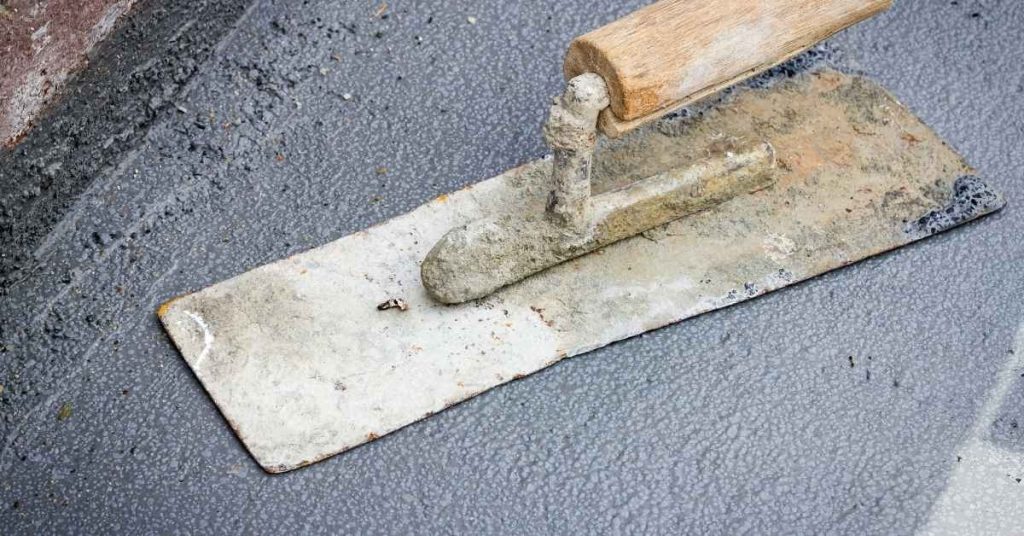
Metal float tool resting on gray parge coat surface

Parge Coat on Foundation Walls: Mix, Surface Prep, and Crack Control

Introduction A parge coat is a thin cement-like coating applied to foundation walls to seal, smooth, and protect them. This article walks you through the basics of mixing, prepping the surface, and controlling cracks so you can do it safely and effectively. You’ll tackle foundation wall prep, choosing a parging mix, and applying a thin,

Parge Coat on Foundation Walls: Mix, Surface Prep, and Crack Control Read More »

Bucket with mortar mixing paddle and hand tools inside

Grout vs Mortar vs Thinset: Picking the Right Material for Each Job

Introduction Grout, mortar, and thinset are three distinct masonry materials used for different jobs: grout fills gaps between tiles, mortar binds bricks or blocks, and thinset is a cement-based adhesive for setting tiles. In DIY work, choose based on whether you need bonding, filling, or leveling, and adjust for indoor vs outdoor use. Standard blends

Grout vs Mortar vs Thinset: Picking the Right Material for Each Job Read More »

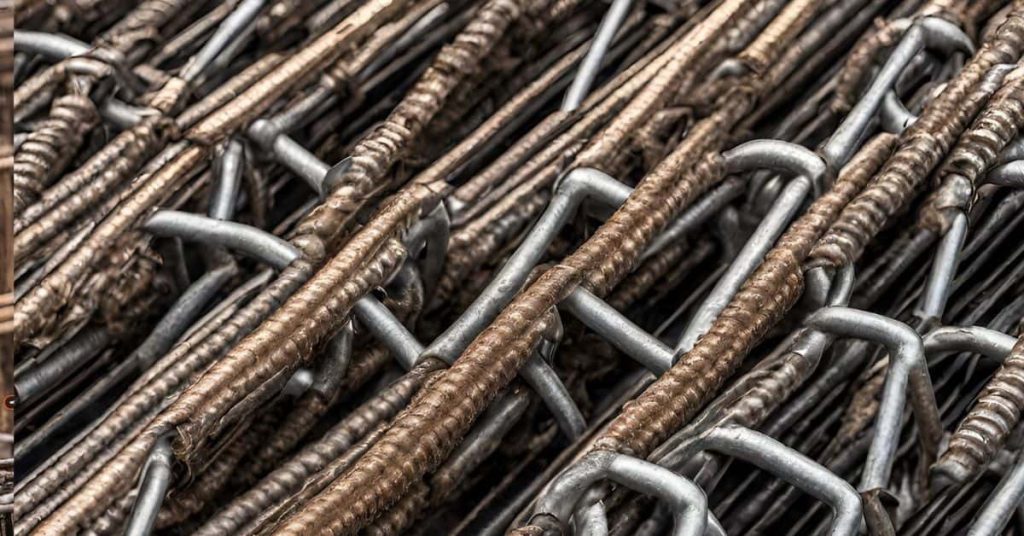
Close-up of galvanized steel rebar bundles tied with metal wires

Galvanized Rebar: Pros, Cons, and Compatibility with Repair Mortars

Introduction Galvanized rebar is steel reinforcing bar coated with zinc to resist rust. In DIY projects, that coating matters for longevity in moist concrete, but you still need to follow local rules and manufacturer guidance. When you’re tying it into repair work, consider how the galvanized surface will interact with repair mortars and what to

Galvanized Rebar: Pros, Cons, and Compatibility with Repair Mortars Read More »

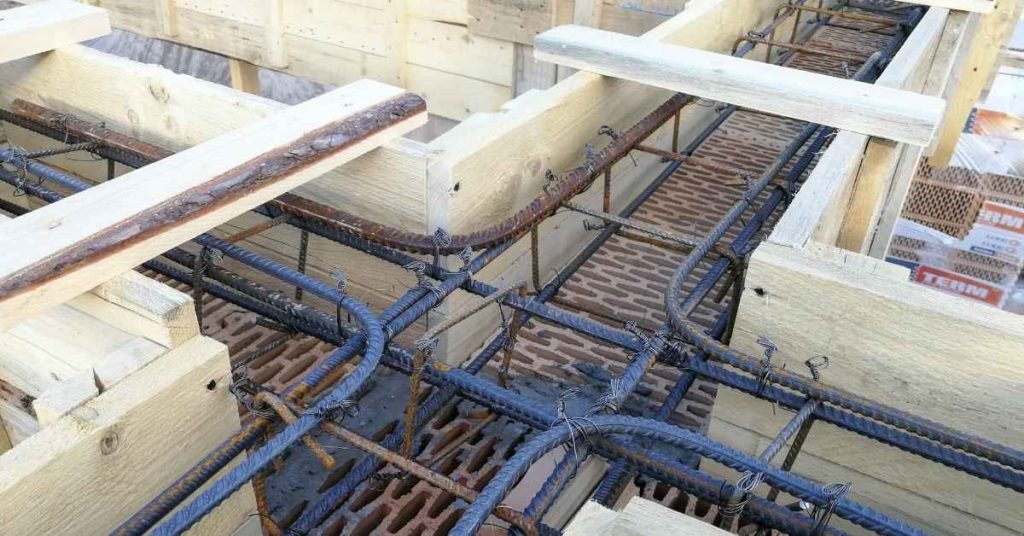
Worker pouring concrete over steel rebar grid footing

Rebar Lap Splices: Simple Rules to Avoid Short Laps in DIY Footings

Introduction A rebar lap splice is the overlapping of two reinforcing bars to transfer load from one bar to the next. In footings, this overlap helps continue the reinforcement where bars end. Check local rules and manufacturer guidance for any required overlap length or placement specifics. Make sure you place bars with proper alignment and

Rebar Lap Splices: Simple Rules to Avoid Short Laps in DIY Footings Read More »