Search Results for: MS with epoxy

Worker applying plaster to ceiling with trowel

Plaster Ceiling Patches: Avoiding sagging spots and visible seams

Introduction Plaster ceiling patches are repairs that restore a smooth, level ceiling surface after damage. This quick, hands-on guide walks you through patching without creating sagging spots or visible seams. You’ll assess the damage, prep the surface, mix patch material to the right consistency, and feather the edges for a seamless look. Begin by removing

Plaster Ceiling Patches: Avoiding sagging spots and visible seams Read More »

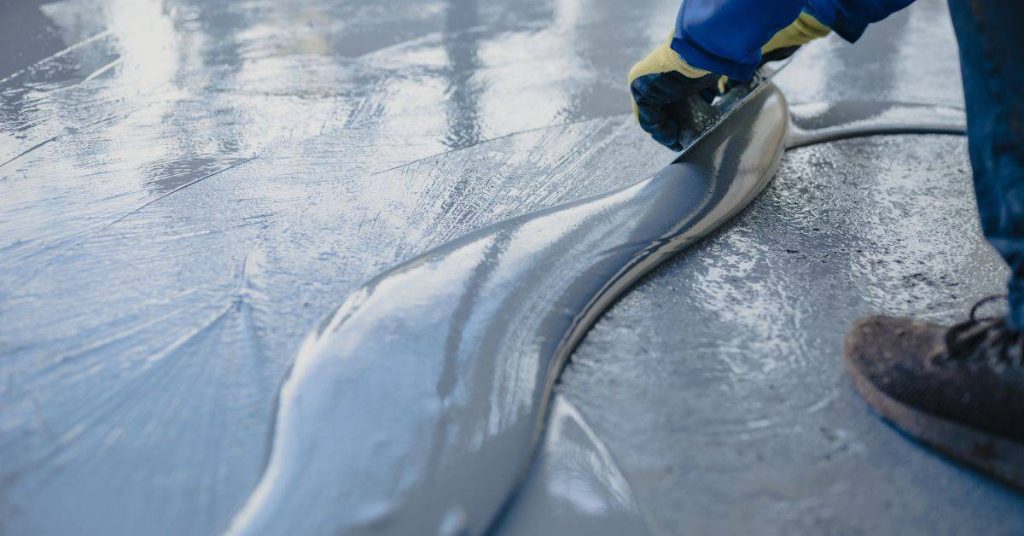
Worker applying grey epoxy floor coating with gloved hand

Primer for Overlays: Acrylic vs Epoxy (Choosing the Right System)

Introduction Acrylic and epoxy primers are two common options for preparing concrete overlays, each with distinct behavior and work styles. Acrylic primer typically dries faster and tolerates some movement, while epoxy primer tends to offer greater adhesion and chemical resistance. Look at the label for cure times, substrate compatibility, and any recommendations for overlays to

Primer for Overlays: Acrylic vs Epoxy (Choosing the Right System) Read More »

Concrete countertop with integrated sink and black faucet

Concrete Countertop Forms: Melamine vs Plastic vs Silicone Edges (Best Options)

Introduction Edge forms for a concrete countertop include melamine, plastic, and silicone options that shape and support the pour as it cures. Each type offers a different surface finish and release feel, so you’ll want to align your choice with the project needs. Always check the product label and manufacturer instructions, and confirm any local

Concrete Countertop Forms: Melamine vs Plastic vs Silicone Edges (Best Options) Read More »

Concrete garage floor with paint roller and wet coating

Garage Floor Paint vs Epoxy vs Polyaspartic: What Actually Holds Up

Introduction Garage floor coatings come in paint, epoxy, and polyaspartic, each with its own durability profile. Paint is simple and forgiving, epoxy offers a thicker hard coat, and polyaspartic dries fast and resists temperature swings. This guide helps you compare protection, appearance, and DIY viability before you pick. You’ll learn what to expect in terms

Garage Floor Paint vs Epoxy vs Polyaspartic: What Actually Holds Up Read More »

Empty room with polished concrete floor and large windows

Moisture Mitigation Systems for Concrete Floors: When You Need One

Introduction A moisture mitigation system blocks moisture from a concrete floor before you install finishes. It helps prevent staining, mold, and fast finish failures. The approach varies, but the goal is to keep dampness from wicking into your flooring. Watch for signs of moisture damage like peeling coatings, dark patches, or a musty smell. Give

Moisture Mitigation Systems for Concrete Floors: When You Need One Read More »

Close up of a concrete core drilled hole with wet slurry and orange pipe

Epoxy Setting Rebar Dowels: Hole Size, Cleaning, and Cure Time Basics

Introduction Epoxy setting rebar dowels are epoxy-anchored steel rods installed into concrete to transfer load. Getting the hole size, cleaning, and cure time right is a hands-on, DIY task you can manage with common tools. Check the manufacturer instructions for exact hole diameters, cleaning steps, and cure-time guidance. Hole size requirements vary by product, so

Epoxy Setting Rebar Dowels: Hole Size, Cleaning, and Cure Time Basics Read More »

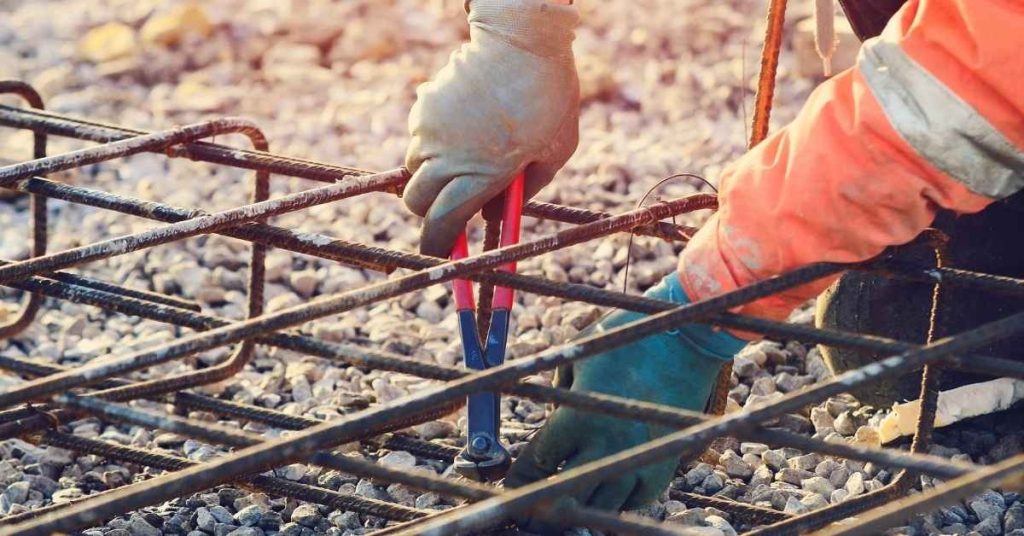
Worker tying rebar with pliers on gravel base

Epoxy-Coated Rebar: When It Helps—and When It Hurts Bond

Introduction Epoxy-coated rebar is steel reinforcing bar coated with epoxy to resist moisture and corrosion. It’s used in concrete projects where moisture or soil contact is expected. Think of it as a protective shell for rebar in harsher environments. Transport and handling can be different from galvanized bars, so plan how you load, carry, and

Epoxy-Coated Rebar: When It Helps—and When It Hurts Bond Read More »

Close-up of vertical and horizontal steel rebar grid framework

Rebar Couplers: When to Use Them and How to Avoid Alignment Problems

Introduction Rebar couplers are threaded or mechanical connections that join two bars end-to-end. Use them when you need to extend bar length or connect bars in tight spaces where overlap is hard. Check manufacturer instructions and local rules to ensure proper fit and alignment. There are different types of couplers for different rebar sizes and

Rebar Couplers: When to Use Them and How to Avoid Alignment Problems Read More »

Glossy shiny black epoxy coated floor reflecting light

Polyurea vs Epoxy Floor Coatings: Where Fast Cure Helps and Where It Causes Failure

Introduction Polyurea and epoxy are two different floor coatings: polyurea cures very fast and stays flexible, while epoxy cures slower and tends to be harder and more rigid. For a DIYer that means polyurea can get you back on the floor quickly, but the fast cure also makes surface prep and application less forgiving. Check

Polyurea vs Epoxy Floor Coatings: Where Fast Cure Helps and Where It Causes Failure Read More »