Search Results for: HEPA vac

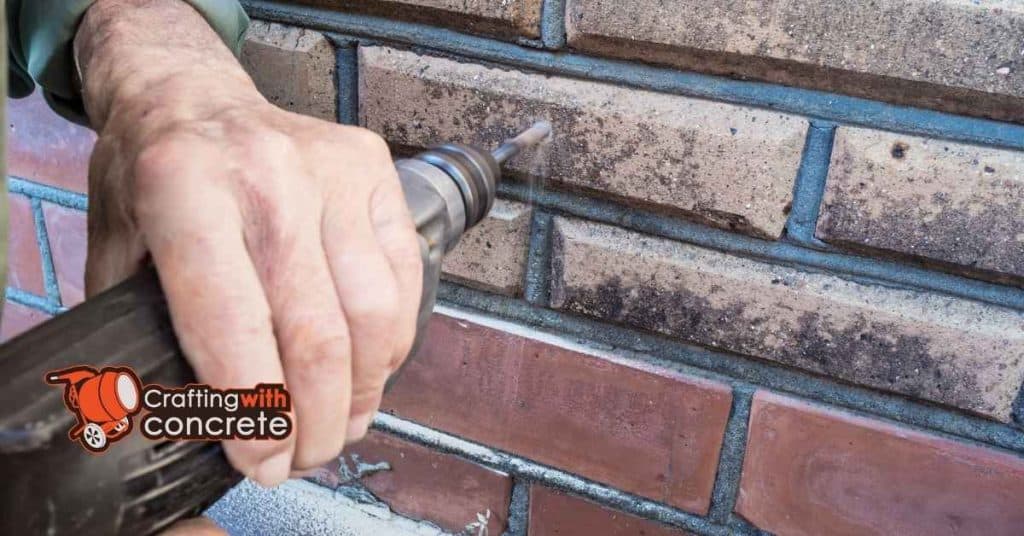
Anchorage in Old Brick—Safe Methods and Cautions

Anchorage in Old Brick—Safe Methods and Cautions

Table of Contents Overview and Purpose Assessing Brick & Mortar Condition Brick Types and Their Implications Mortar Joint Characteristics and Risks Anchor Types—Overview Choosing the Right Anchor Load Types and Calculations Drill Bits, Hole Preparation, and Cleaning Installing Mechanical Anchors (Step-by-Step) Installing Chemical (Adhesive) Anchors (Step-by-Step) Anchoring into Hollow Brick and Cavity Walls Anchorage for […]

Anchorage in Old Brick—Safe Methods and Cautions Read More »

Repairing Broom Finish in Concrete After a Bad Pass

Repairing Broom Finish in Concrete After a Bad Pass

Table of Contents Quick Triage — Is Repair Possible or Is a Re-pour Needed? Common Causes of a Bad Broom Pass Tools, Materials and Safety Before Repair Surface Preparation and Timing for Repairs Repair Methods — Step-by-Step Procedures Matching and Recreating Broom Texture Finishing, Curing and Sealing After Repair Quality Acceptance, Documentation and Communication Preventative

Repairing Broom Finish in Concrete After a Bad Pass Read More »

Understanding Type Il (portland-Limestone Cement) for Homeowners

Understanding Type Il (portland-Limestone Cement) for Homeowners

Introduction When it comes to construction and home improvement projects, understanding the materials you’re working with is crucial. One such material is Type IL Portland-Limestone Cement, a popular choice for concrete mixtures due to its strength and durability. This guide will help you understand what Type IL cement is, its benefits, and how it’s used

Understanding Type Il (portland-Limestone Cement) for Homeowners Read More »

Low-Carbon Options Slag, Fly Ash, and Calcined Clay for Diyers

Low-Carbon Options: Slag, Fly Ash, and Calcined Clay for Diyers

Table of Contents Why conventional cement and concrete are carbon‑intensive What “low‑carbon concrete” means for DIYers Supplementary cementitious materials (SCMs) overview Ground Granulated Blast‑Furnace Slag (GGBFS) Coal Fly Ash (Class F and Class C) Calcined Clay and LC3 (metakaolin, limestone‑calcined clay cement) Practical DIY mix designs, step‑by‑step recipes and troubleshooting Admixtures, testing, quality control and

Low-Carbon Options: Slag, Fly Ash, and Calcined Clay for Diyers Read More »

Using Recycled Glass as Decorative Aggregate—Safety Notes

Table of Contents What is recycled glass aggregate (cullet) and common sizes Health concerns: sharpness, cuts, and handling Inhalation risks and silica considerations Safe preparation and processing of recycled glass DIY crushing and safety protocols Sourcing recycled glass: municipal programs and suppliers Applications suitable for decorative recycled glass Installation best practices to minimize safety risks

Using Recycled Glass as Decorative Aggregate—Safety Notes Read More »

Reclaiming Leftover Concrete into Stepping Stones

Reclaiming Leftover Concrete into Stepping Stones

Table of Contents Why Reclaim Concrete for Stepping Stones? Assessing and Sorting Leftover Concrete Tools, Materials and Safety Gear Checklist Preparing Molds and Forms for Stepping Stones Recipes and Mixing Strategies for Variable Leftover Concrete Reinforcement, Layering and Structural Techniques Casting and Finishing Techniques Curing, Demolding and Post-Cure Treatments Design Ideas and Decorative Treatments Troubleshooting

Reclaiming Leftover Concrete into Stepping Stones Read More »

Wet-Sanding Counters Without Clouds of Dust

Wet-Sanding Counters Without Clouds of Dust

Table of Contents When to choose wet-sanding vs dry-sanding Tools and materials checklist Workspace setup and containment to minimize dust spread Surface preparation and repairs before wet-sanding Step-by-step wet-sanding technique Polishing and buffing for a streak-free finish Cleanup, drying, and post-project inspection Safety, health risks, and PPE (explicit guidance) Wastewater, environmental handling, and legal considerations

Wet-Sanding Counters Without Clouds of Dust Read More »

Preventing Rebar Shadows in Thin Overlays

Preventing Rebar Shadows in Thin Overlays

Table of Contents What is Rebar Shadowing (Ghosting) and How It Appears Physical and Mechanistic Causes of Rebar Shadows Diagnosing Risk Before You Overlay Surface Preparation Best Practices to Minimize Ghosting Material Selection and Mix Design to Reduce Telegraphed Reinforcement Reinforcement Alternatives and Correct Placement Application and Installation Best Practices Inspection, Testing, and Verification After

Preventing Rebar Shadows in Thin Overlays Read More »

Removing Carpet Glue from Concrete Without Harsh Solvents

How to Remove Carpet Glue From Concrete Safely

Table of Contents Introduction Understanding the Nature of Adhesive Residue on Concrete Floors Tools and Materials Needed Step-by-Step Guide to Removing Carpet Glue Alternative Methods Without Harsh Chemicals Navigating Common Challenges in Carpet Glue Removal Safety Precautions During Glue Removal Understanding the Environmental Impact and Long-Term Effects of Glue Removal Effective Planning and Time Management

How to Remove Carpet Glue From Concrete Safely Read More »

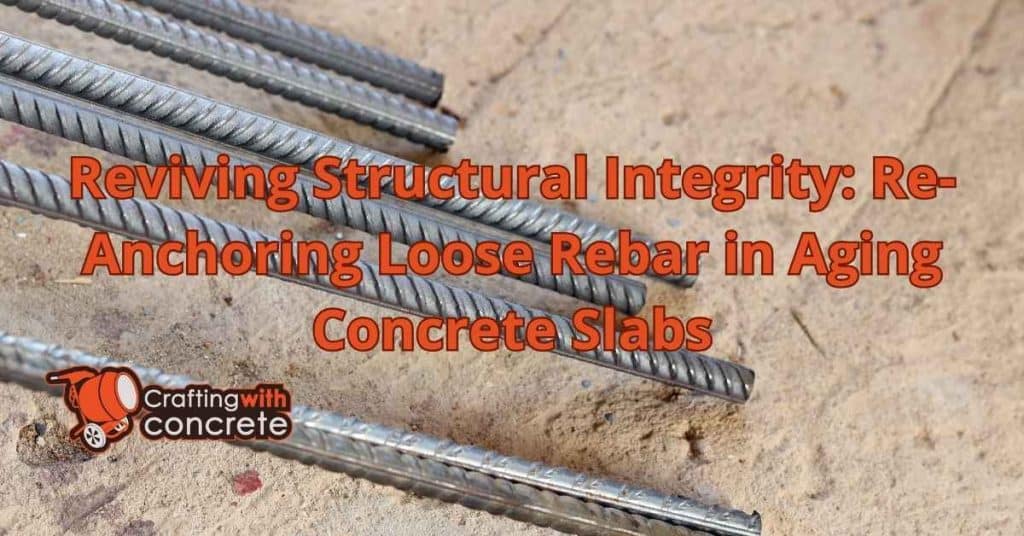
Reviving Structural Integrity Re-Anchoring Loose Rebar in Aging Concrete Slabs

Loose Rebar in an Aging Concrete Slab: When to Stop and Call a Pro

Table of Contents Introduction Essential Tools and Materials Key Steps in the Process DIY Guide for Home Enthusiasts Common Challenges and Their Solutions Rationale Behind the Method Creative Suggestions and Workarounds Safety, Codes & Local Considerations Conclusion FAQ Introduction Exposed or apparently loose reinforcement is not automatically a drill-and-epoxy repair. It can mean loose tie

Loose Rebar in an Aging Concrete Slab: When to Stop and Call a Pro Read More »