Search Results for: HEPA vac

Interior room with drywall panels taped and mudded

Patching Holes in Textured Drywall – Causes, Tests & Fixes

Introduction Patching holes in textured drywall is repairing damaged spots in a wall with patching compound and texture to match the surrounding surface. The goal is to restore a seamless finish that blends with the existing texture. This guide will walk you through common causes, simple tests, and practical fixes. Holes usually come from nail […]

Patching Holes in Textured Drywall – Causes, Tests & Fixes Read More »

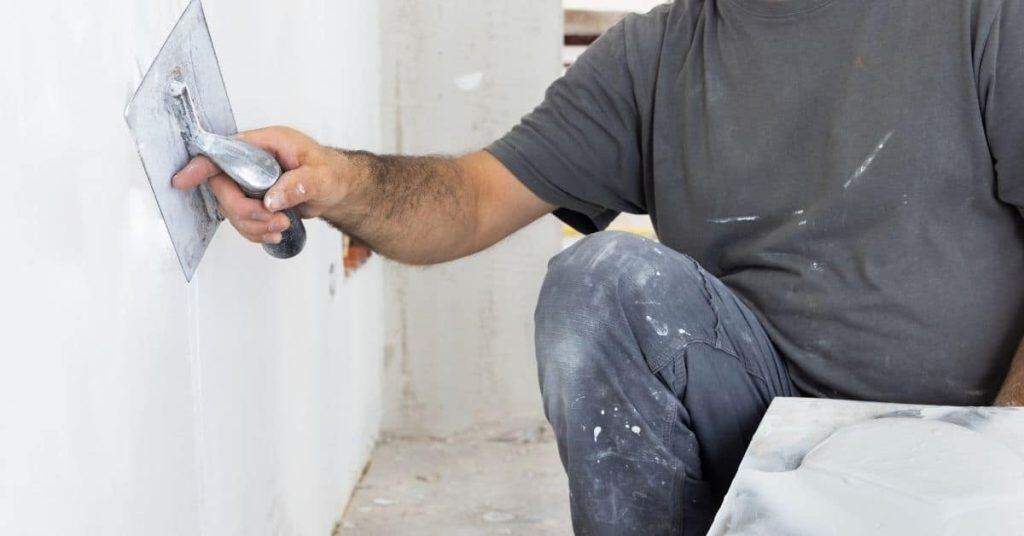
Worker smoothing plaster on an interior wall with trowel

Drywall Vs Plaster Vs Blueboard: Choosing the Right Wall System for Renovations

Introduction Drywall, plaster, and blueboard are common interior wall systems you can choose for renovations. Drywall is the standard, fast-to-install option; plaster is older and durable when done right; blueboard is a base for a plaster finish. Each has its own prep and finish needs. To pick the right one, consider the room, finish you

Drywall Vs Plaster Vs Blueboard: Choosing the Right Wall System for Renovations Read More »

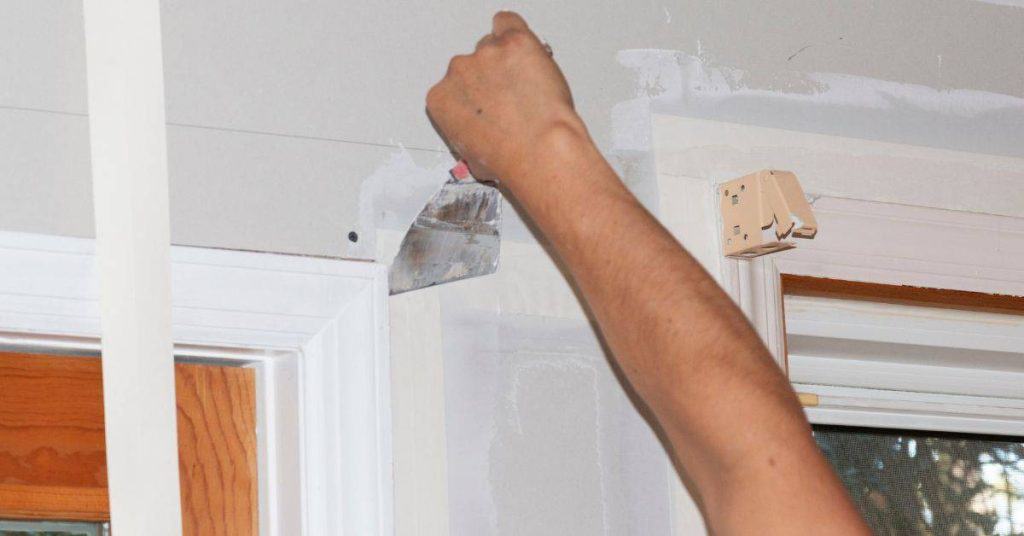
Person applying spackle near window corner with putty knife

How to Prep Glossy Surfaces for Paint: A Step-by-Step Timeline (Deglossers Vs Sanding)

Introduction Preparing glossy surfaces for painting can be a time-consuming process, but understanding the timeline and breaking it down into manageable steps can make all the difference. Whether you’re using a liquid deglosser or sanding, knowing how long each step takes is crucial to planning your project effectively. In this guide, we’ll walk you through

How to Prep Glossy Surfaces for Paint: A Step-by-Step Timeline (Deglossers Vs Sanding) Read More »

person smoothing white plaster on wall with trowel

How to Repair Cracked Plaster Without It Reappearing (Stabilize First)

Introduction Stabilizing the crack before patching is essential to keep plaster from reappearing. Identify the crack and check for signs of movement, moisture, or loose surrounding plaster before you start. Gather basic hand tools and the patching material you’ll use. Prepare the surface by cleaning away dust and loose material, and gently roughen slick edges

How to Repair Cracked Plaster Without It Reappearing (Stabilize First) Read More »

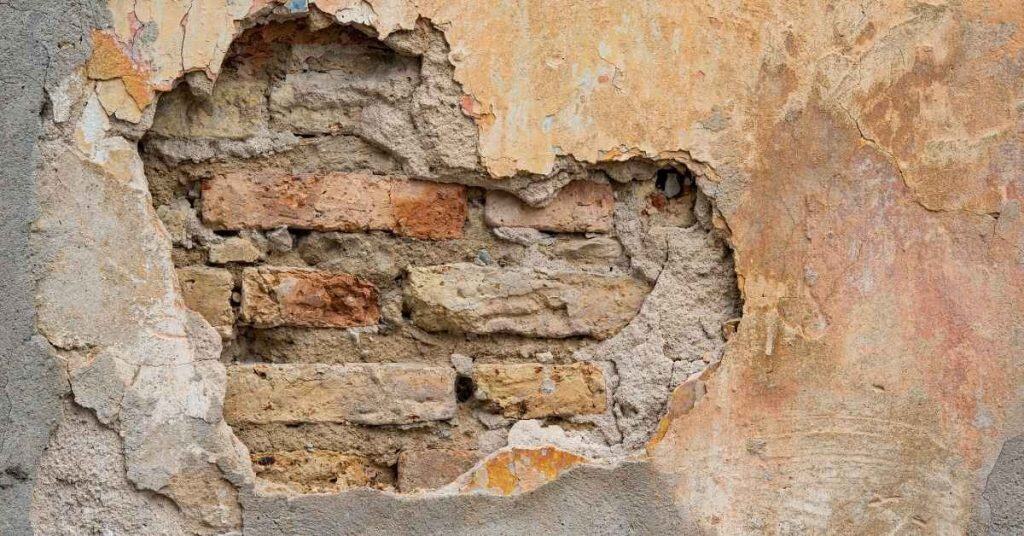
Damaged stucco with hollowed areas exposing brick underneath

How to Fix Loose or Hollow-Sounding Stucco (Delamination Repair)

Introduction Delamination in stucco occurs when the outer stucco layer loses its bond to the underlying substrate, creating a hollow or tinny sound when tapped. Visually, you’ll see cracks, bubbling, or patches that feel loose or wiggle under pressure. That combination signals a likely delamination that needs closer inspection. To assess it, gently probe suspected

How to Fix Loose or Hollow-Sounding Stucco (Delamination Repair) Read More »

Empty room with finished hardwood floor and white trimmed window

How to Shine Hardwood Floors: Forget Wax and Vinegar Problems Explained: Causes, Testing, and Fixes

Introduction Shining hardwood floors means restoring a clean, even gloss without relying on wax buildup. Dull or patchy shine usually comes from wear on the finish, buildup from grime, or moisture-related damage, not just dirt. To test what’s going on, check for water beading, lift of the finish, and uniform reflection in good lighting. Fixes

How to Shine Hardwood Floors: Forget Wax and Vinegar Problems Explained: Causes, Testing, and Fixes Read More »

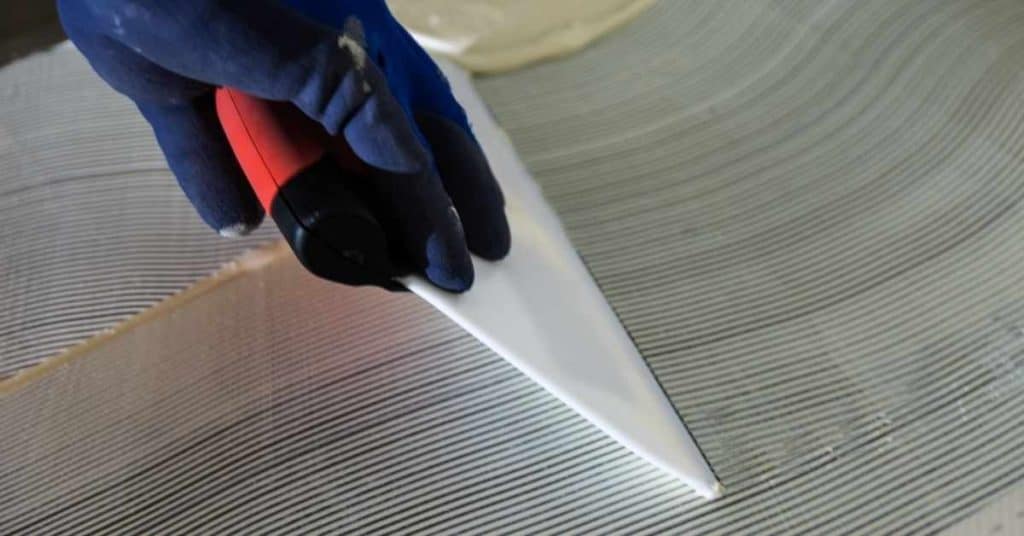
Hand in glove holding notched trowel spreading tile adhesive

Prepping Floors for Tile (Problems Explained: Causes, Testing, and Fixes)

Introduction Prepping floors for tile means making the surface clean, flat, and dry enough so tile adhesive can bond properly. This article walks you through surveying the floor, testing basics, and fixes you can do with standard tools. It’s a hands-on guide, not a lecture, and I’ll point you to what to check on labels,

Prepping Floors for Tile (Problems Explained: Causes, Testing, and Fixes) Read More »

Close-up of rough white plaster wall texture

Plaster Dust Control Timeline for Small DIY Jobs

Small-job plaster dust-control timeline For a localized plaster repair in one room, plan containment first, control dust while you work, clean before opening the barrier, and allow time for a final inspection. These are planning estimates, not clearance times: they stop being realistic for multiple rooms, high ceilings, extensive demolition, powered grinding or cutting, poor

Plaster Dust Control Timeline for Small DIY Jobs Read More »

close-up of textured plaster wall with subtle sheen

Primers for Plaster Before Paint: What Stops Suction and Gives Uniform Sheen

Introduction Primers for plaster before paint are coatings that seal the surface and even out suction so paint goes on smoothly. In plain words, you dampen any dry areas, fill small flaws, and create a uniform base. Choose a primer labeled for plaster and follow the label for surface prep and drying times. Prepare the

Primers for Plaster Before Paint: What Stops Suction and Gives Uniform Sheen Read More »

Worker smoothing plaster wall wearing blue overalls and helmet

How to Test Painted Plaster Before Skim Coating

Introduction Before skim coating painted plaster, establish two separate things: whether the existing paint is firmly attached to the plaster, and whether your chosen skim product will bond to the prepared painted surface. A clean-looking wall can still have weak paint layers, contamination, gloss, moisture damage, or incompatible coatings. Related guidance: A Simple Test to

How to Test Painted Plaster Before Skim Coating Read More »