Search Results for: EIFS

Casing Bead Vs J-Bead Vs L-Bead: Where Each Belongs Around Openings

Casing Bead Vs J-Bead Vs L-Bead: Where Each Belongs Around Openings

Introduction Casing bead, J-bead, and L-bead each serve different roles around openings, so choosing the right one improves fit, protection, and finish. This guide explains when to use each bead type and walks through practical tips, common installation scenarios, and rules of thumb you can apply on real projects. You’ll learn how to assess reveals, […]

Casing Bead Vs J-Bead Vs L-Bead: Where Each Belongs Around Openings Read More »

Inside Corners on Stucco: How to Reinforce so Cracks Don’t Telegraph

Inside Corners on Stucco: How to Reinforce so Cracks Don’t Telegraph

Introduction Reinforcing inside corners on stucco prevents cracks from telegraphing through the finish. The guide walks through practical steps, materials to consider, and common-sense tips you can apply on real projects. You’ll learn how to identify vulnerable corners, prepare the surface, and implement reinforcement methods that keep cracks hidden. Key takeaways Inside corners crack due

Inside Corners on Stucco: How to Reinforce so Cracks Don’t Telegraph Read More »

Preventing Flashing over Patches: Primer Choices and Finish Coat Timing

Preventing Flashing over Patches: Primer Choices and Finish Coat Timing

Introduction To prevent flashing over patches, use the right primer and time the finish coat carefully. The guide walks you through choosing primers compatible with common patch materials and explains the curing window before applying the finish. You’ll learn practical steps, tips, and rules of thumb to reduce sheen changes, blistering, or color shifts as

Preventing Flashing over Patches: Primer Choices and Finish Coat Timing Read More »

The Hidden Danger of Using Styrofoam Insulation Behind Stucco: Fire Risks and Moisture Traps

The Hidden Danger of Using Styrofoam Insulation Behind Stucco: Fire Risks and Moisture Traps

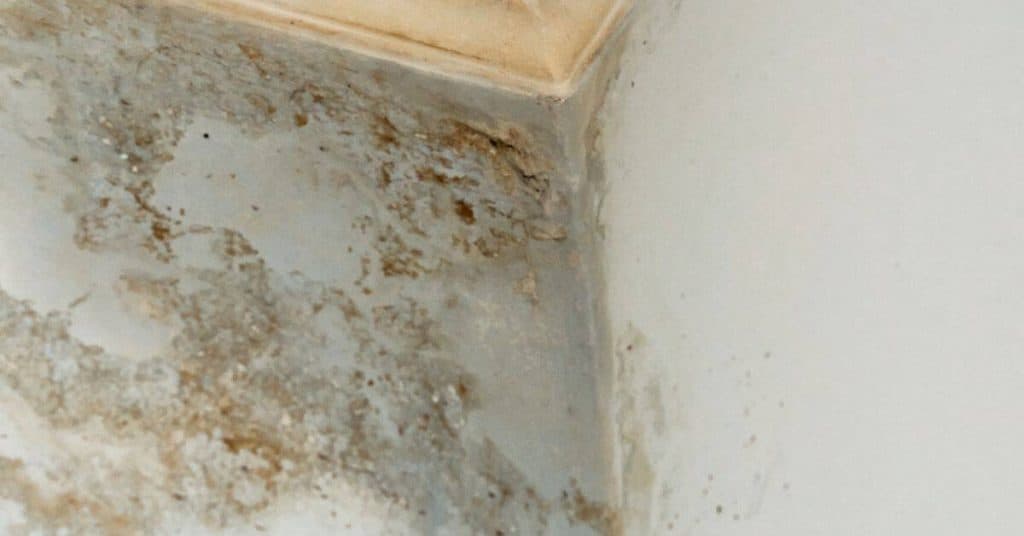
Introduction Styrofoam insulation, while affordable and easy to install, hides significant risks when used behind stucco. This guide explores these dangers, focusing on fire hazards and moisture traps. Key takeaways Identify foam types (EPS, XPS, EIFS) and their compatibility with stucco. Inspect installation flaws: gaps, flashing failures, or improper fastening that trap moisture. Fire risks

The Hidden Danger of Using Styrofoam Insulation Behind Stucco: Fire Risks and Moisture Traps Read More »

Stucco Cracks: the Myth of ‘just Cosmetic’ Damage That Can Cost You Thousands

Stucco Cracks: the Myth of ‘just Cosmetic’ Damage That Can Cost You Thousands

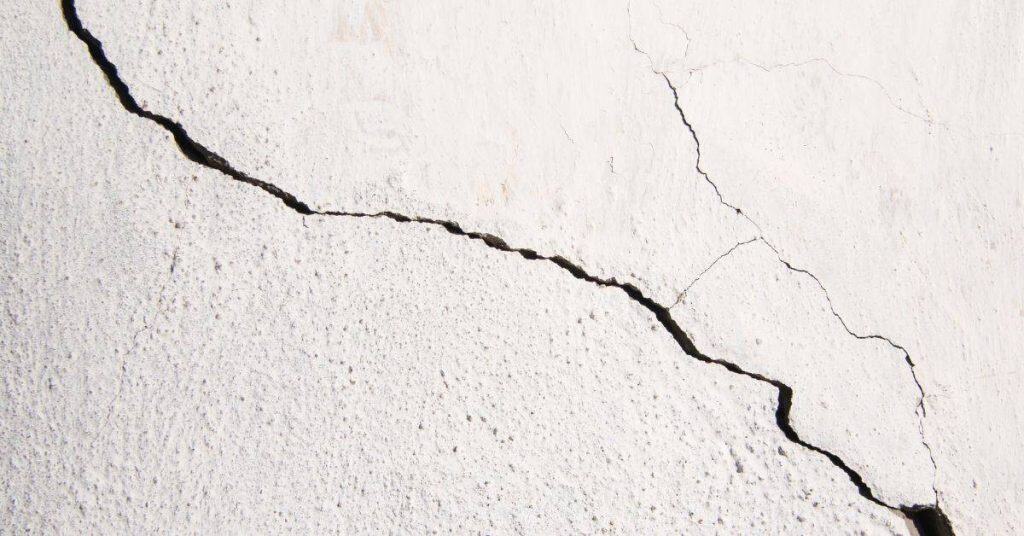
Introduction Stucco cracks are rarely cosmetic and can signal costly structural or moisture issues. This guide explains why cracks matter, how to assess severity, and what steps you can take to prevent further damage. You’ll learn practical tips for inspection, signs to watch for, and the kind of expert advice to seek before repairs. Back

Stucco Cracks: the Myth of ‘just Cosmetic’ Damage That Can Cost You Thousands Read More »

Stucco at Grade Clearance: the Detail That Prevents Chronic Wicking and Rot

Stucco at Grade Clearance: the Detail That Prevents Chronic Wicking and Rot

Introduction Ensuring proper stucco at grade clearance prevents chronic wicking and rot. The guide walks you through practical detailing steps, common pitfalls to avoid, and practical rules of thumb you can apply in real-world projects to protect foundations and extend the life of the stucco. Key takeaways Maintain a minimum 4-inch vertical clearance between stucco

Stucco at Grade Clearance: the Detail That Prevents Chronic Wicking and Rot Read More »

How to Find the Right Stucco Mix for Patching: Sand, Lime, and Cement Ratios

How to Find the Right Stucco Mix for Patching: Sand, Lime, and Cement Ratios

Introduction Find the right stucco mix for patching by balancing sand, lime, and cement to match your repair. This guide explains practical ratios, how to adjust for climate and substrate, and the key steps to mix, test, and apply patch material. By the end, you’ll be able to choose a mix that matches existing plaster

How to Find the Right Stucco Mix for Patching: Sand, Lime, and Cement Ratios Read More »

Build a Stucco Sample Board Rack for Client Choices

Build a Stucco Sample Board Rack for Client Choices

Introduction Build a sturdy stucco sample board rack to showcase finish options for client decisions. You’ll learn how to choose durable materials, organize swatches by color and texture, and present samples in a way that helps clients compare options quickly. The guide walks through practical steps for assembly, labeling, and arranging the display so you

Build a Stucco Sample Board Rack for Client Choices Read More »

How Incompatible Paint Coatings Can Accelerate Stucco Spalling

How Incompatible Paint Coatings Can Accelerate Stucco Spalling

Introduction Key takeaways What is stucco spalling? How paint/coating compatibility affects stucco performance Chemical incompatibilities: common bad combinations How incompatibility accelerates moisture trapping and freeze-thaw damage Poor surface preparation and priming as compounding factors Substrate condition: when the stucco itself is the problem Application errors and unfavorable conditions that worsen incompatibility Signs that incompatible coatings

How Incompatible Paint Coatings Can Accelerate Stucco Spalling Read More »