Search Results for: 10 INCH ROUND CONCRETE

Concrete floor grinder machine working on concrete surface

Concrete Grinding Grit Guide: What 16, 30, 60, 120 Actually Do to a Surface

Introduction Grinding concrete with grit sizes is how you condition the surface by progressively removing roughness and shallow imperfections. In practice, coarser grits like 16 and 30 remove material quickly, while finer grits such as 60 and 120 smooth and refine the finish. Start with a surface assessment and plan the steps based on your […]

Concrete Grinding Grit Guide: What 16, 30, 60, 120 Actually Do to a Surface Read More »
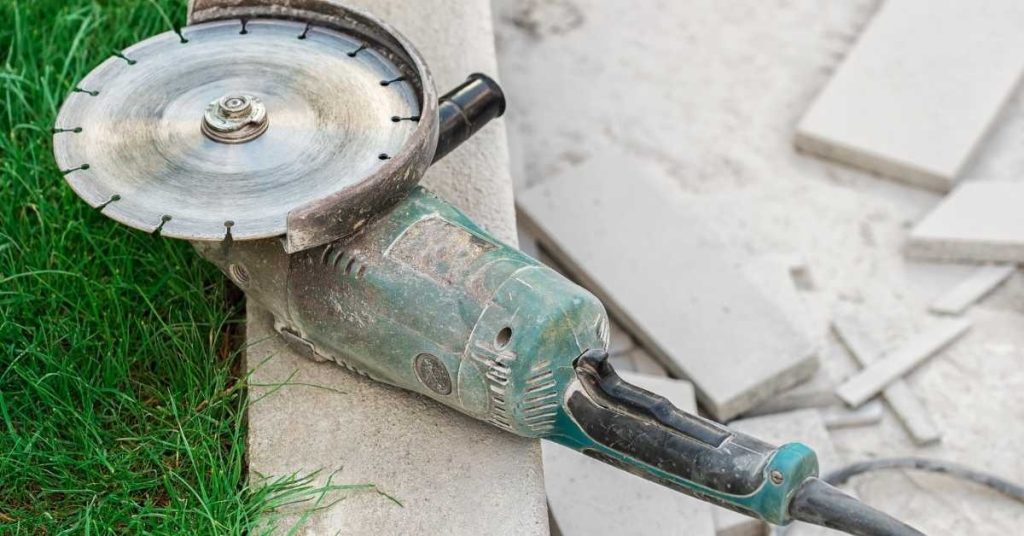
Angle grinder with diamond blade lying on concrete edge

How to Cut Concrete Without Chipping Edges: Score Cuts, Support, and Blade Control

Introduction Cutting concrete without chipping edges means making clean, controlled cuts by scoring first, supporting the cut edge, and maintaining steady blade control. In practice, plan your score line, use light, steady passes, and let the blade do the work without forcing it. Always verify that your blade and tool are suitable for the concrete

How to Cut Concrete Without Chipping Edges: Score Cuts, Support, and Blade Control Read More »

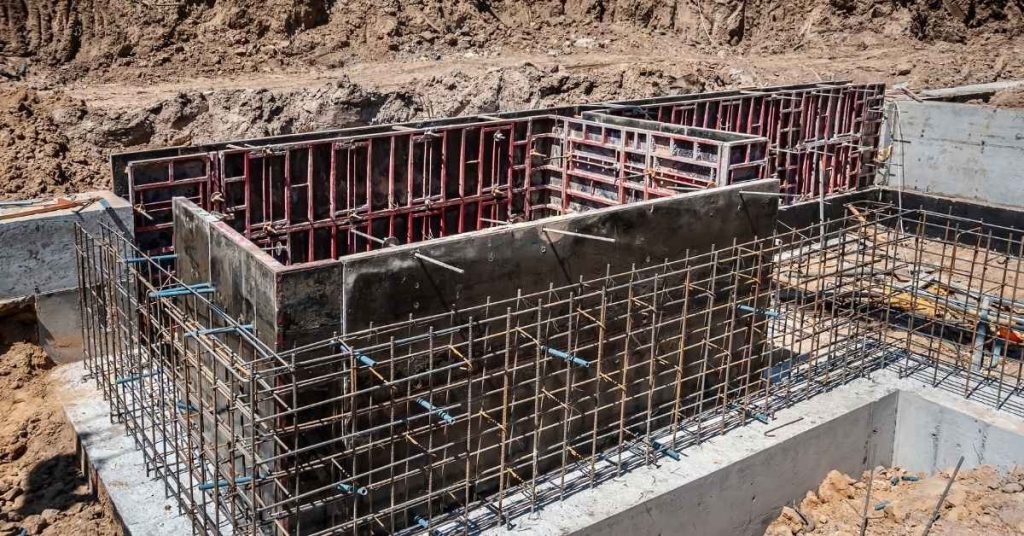
Concrete formwork with steel rebar reinforcement at construction site

Concrete Accelerator for DIY: Picking Non-Chloride Types and Avoiding Soft Surfaces

Introduction A concrete accelerator is an additive that speeds up the setting and hardening of concrete without relying on chlorides. For DIY use, look for non-chloride formulations and read the label to confirm compatibility with your mix and any additives you plan to use. Always follow manufacturer instructions and check local rules if you plan

Concrete Accelerator for DIY: Picking Non-Chloride Types and Avoiding Soft Surfaces Read More »

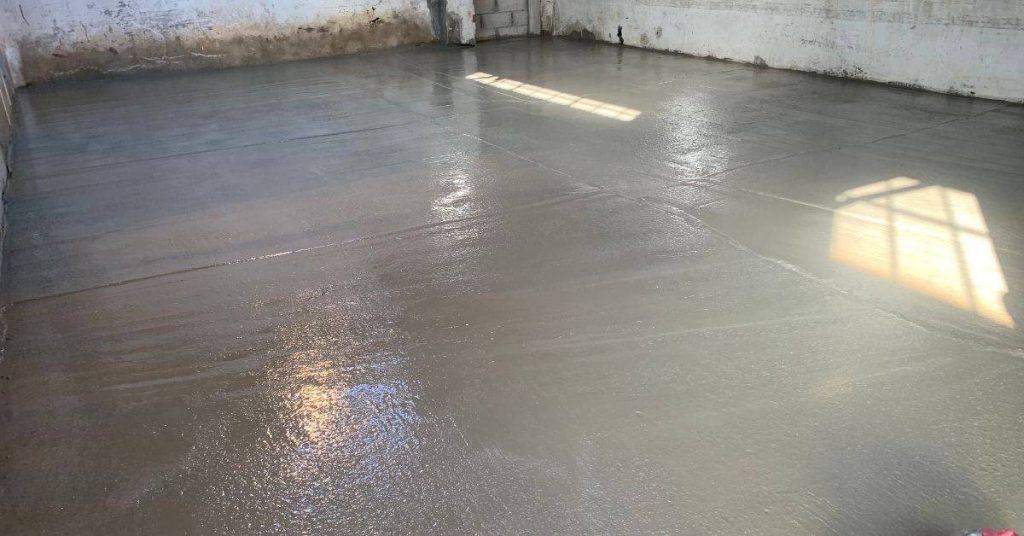
Freshly poured concrete floor inside a building

Why New Concrete Gets Soft Spots: Bleed Water, Overworking, and Local Fixes

Introduction Soft spots in new concrete are areas where the surface feels mushy or weak while it cures. They commonly form when extra bleed water rises to the surface or when the mix is overworked during finishing. Identifying the cause helps you choose the right fix and prevent this from reoccurring. Watch for shiny patches,

Why New Concrete Gets Soft Spots: Bleed Water, Overworking, and Local Fixes Read More »

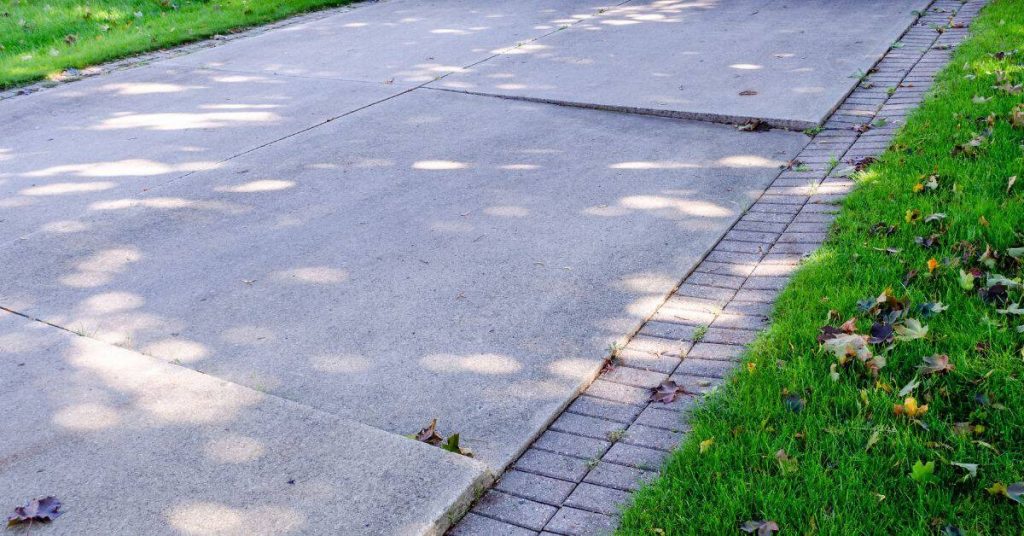
Concrete driveway with brick border and straight control joints

Concrete Groover Techniques: Keeping Joints Straight Without Chatter Marks

Introduction Concrete groover techniques are methods to create clean, straight control joints in fresh concrete. Using a groover or tool designed for joint lines helps you guide the surface and reduce wavy chatter. It’s a practical, hands-on step you can do with basic tools and steady effort. To keep joints straight without chatter marks, plan

Concrete Groover Techniques: Keeping Joints Straight Without Chatter Marks Read More »

Red-handled tool smoothing fresh concrete surface

Can You Use Hot Tap Water in Concrete: Set Control Without Flash Set

Introduction Hot tap water can affect concrete set, but it is not a reliable method for controlling flash set. Mixing with hot water can lead to uneven setting and create thermal stresses in the mix. Always check manufacturer guidance and local rules before using hot water in mixes. Using hot water introduces risks to strength,

Can You Use Hot Tap Water in Concrete: Set Control Without Flash Set Read More »

Red-handled tool smoothing fresh concrete surface

Concrete Joint Sealant That Won’t Track Dirt: Profile Shape and Cleanup Methods

Introduction A concrete joint sealant that won’t track dirt is a smooth, well-profiled sealant that stays put and is easy to wipe clean. The profile shape you choose affects how debris collects and how easy cleanup is. This intro covers practical, hands-on steps to plan and apply a dirt-resistant joint. Choose a profile that minimizes

Concrete Joint Sealant That Won’t Track Dirt: Profile Shape and Cleanup Methods Read More »

Pouring dry concrete mix into a bucket

Concrete Mixing in 5-Gallon Buckets: Repeatable Ratios for Small Projects

Introduction Concrete mixing in 5-gallon buckets is the practice of combining cement, aggregate, and water in small, repeatable ratios for quick, local work. This guide keeps things hands-on, using simple steps you can follow without heavy gear. You’ll see practical references to patterns like Ashlar Notched Slate and American Flagstone as familiar ends for small

Concrete Mixing in 5-Gallon Buckets: Repeatable Ratios for Small Projects Read More »

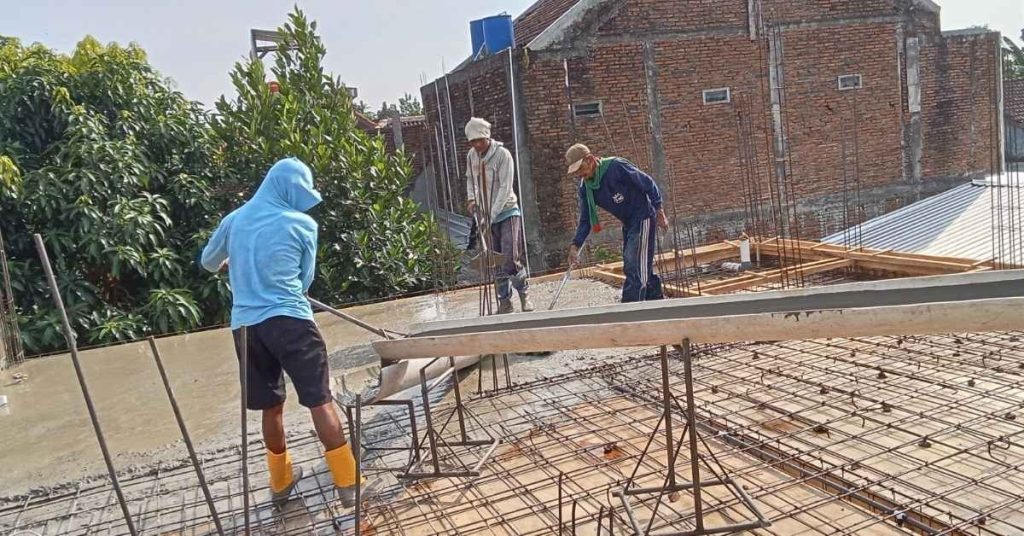
Workers pouring concrete over rebar reinforcement on building roof

Concrete Placement in Congested Rebar Without Honeycombing: Sequencing, Head Pressure, and Vibration Control

Introduction Concrete placement in congested rebar without honeycombing means planning and executing pours so concrete flows around dense steel without leaving voids. Take time to prep formwork and rebar layout, then sequence pours to keep flow paths open and minimize segregation. Choose direct discharge or pumping as your method, and use appropriate vibration and tamping

Concrete Placement in Congested Rebar Without Honeycombing: Sequencing, Head Pressure, and Vibration Control Read More »

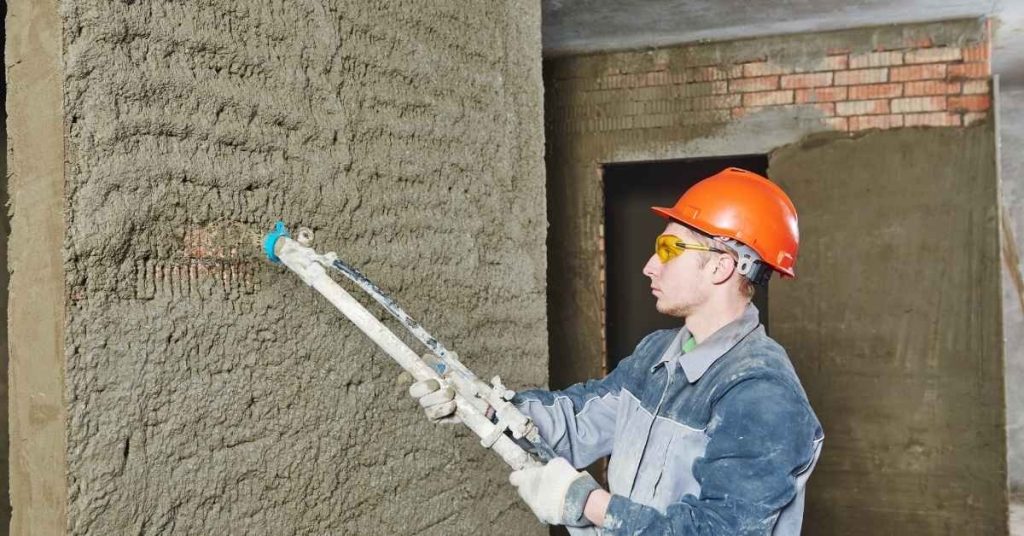
Worker spraying stucco onto brick wall indoors

Stucco Control Joint Placement Around Large Walls: Avoiding Random ‘Map Cracking’ Patterns

Introduction Control joints are planned gaps in stucco that help prevent random map cracking on large walls. Place them at regular intervals and where the wall planes change. Check manufacturer instructions and local rules for spacing and placement guidance. This is a hands-on task you can plan during framing and stucco work. Mark the joints

Stucco Control Joint Placement Around Large Walls: Avoiding Random ‘Map Cracking’ Patterns Read More »