

Introduction
DIY roofing can save money when the job is simple and you have the right safety, tools, and time—yet professionals often come out ahead on more complex projects.
You’ll learn how material costs, labor, and project scope affect the bottom line, and how to judge whether a DIY approach makes sense for a given roof.
The guide walks through practical steps, common pitfalls, and quick rules of thumb to help you decide when to DIY and when to hire a pro.
Key takeaways
- Compare common roofing materials’ price ranges, install difficulty, and durability implications.
- DIY can save on labor but risks improper installation and warranty voids.
- Exact costs depend on roof size, steepness, location, permits, and disposal.
- Pro quotes often include guaranteed workmanship and insurance coverage you may need.
- Hybrid approach minimizes risk: partial DIY, professional finish for critical sections.
- Plan for safety, permits, and disposal upfront to avoid unexpected costs.
Table of Contents
- Introduction
- Key takeaways
- Quick overview: Why roofing costs vary and why this comparison matters
- Material-by-material price comparison (typical ranges and pros/cons)
- Direct cost breakdown: DIY expenses vs. professional quotes
- When DIY saves money — realistic scenarios and required skill set
- When hiring a pro is cheaper (and safer) in the long run
- Safety, liability, permits, and insurance considerations
- Planning a cost-effective approach: hybrid strategies and decision checklist
- Real-life examples and quick decision flowchart
- Conclusion
- FAQ
Quick overview: Why roofing costs vary and why this comparison matters
You’ll see prices swing based on material type, roof size and shape, local labor markets, and permit or inspection needs. The complexity of the roof drives labor time and safety risks, which matters for DIY decisions. This overview helps you spot where DIY saves money and where a pro is worth it.
Look for quick checks you can use: identify material options, assess roof pitch and add-ons, and consider safety constraints. Mentioned factors can shift both upfront cost and long-term maintenance. Always verify specs on the product label or manufacturer data sheet before you plan any work.
Key cost drivers
The price of a roofing project isn’t set in stone. It’s driven by several variables:
Materials: Premium materials like metal or tile cost more than basic shingles.
Waste and overbuy: Less waste means less money spent on replacements.
Tools and equipment: You might need to rent or buy tools, adding to your costs. Access and height can also increase labor hours and safety measures.
How to use this article
This article is designed to guide you through the DIY vs pro decision-making process. Here’s how to navigate it:
Quick estimate: Start by getting a rough idea of costs with our simple breakdown.
DIY planning: If you’re up for the task, dive into our detailed planning section to ensure you’ve covered all bases.
Hiring checklist: If DIY isn’t for you, use our hiring guide to find a pro and understand what to expect from them.
When to call a pro: Even if you’re keen on DIY, know when it’s time to step back and let the pros take over. Safety first!

Material-by-material price comparison (typical ranges and pros/cons)
We’ll outline common roof materials and how installation complexity and substrate affect costs. Local factors like labor rates and climate can cause wide variation. Check with your supplier or installer for current ranges in your area.
For each material, note durability, maintenance, energy impact, and long-term value relative to upfront expense. When in doubt, confirm exact pricing, removal needs, and underlayment requirements from the contractor or supplier before choosing.
Asphalt shingles
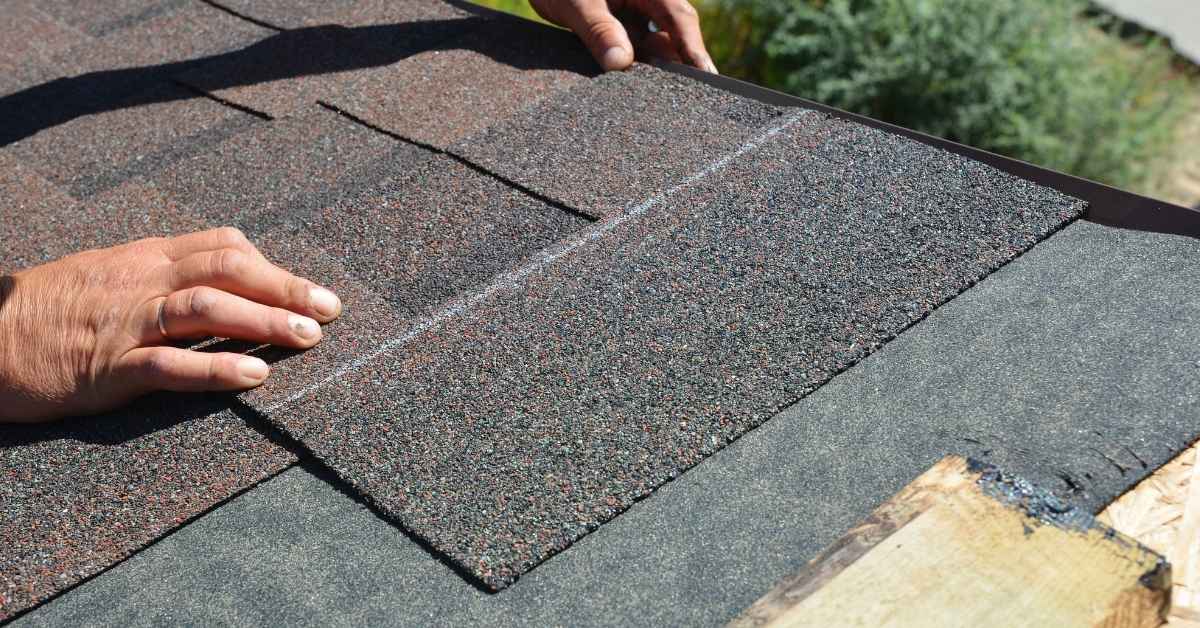
Asphalt shingles are the most common and affordable roofing material. They typically range from $1 to $4 per square foot installed, including removal of old roofing if needed.
Lifespan: 20-30 years with proper installation and maintenance. DIY-friendly but incorrect nailing or flashing can lead to leaks and costly repairs.
Cost drivers include labor rates, material availability, and required underlayment. Steeper roofs may add complexity and cost.
Metal, tile, and specialty materials
These materials offer durability but come at a higher price point due to complex installation requirements.
- Metal panels: $6-$12 per square foot. Require professional installation for proper seaming and flashing.
- Clay/concrete tile: $8-$20 per square foot. Heavy and fragile, need structural support and expert installation.
- Wood shakes: $6-$15 per square foot. Require regular maintenance to prevent rot and insect damage.
- Synthetic materials: $7-$12 per square foot. Mimic the look of natural materials but offer better durability and lower maintenance.
- Cracking or staining: Ensure proper installation and use compatible materials to avoid cracking, staining, or weak bonds.
Spray-on coatings and roof restoration products
These options can extend the life of your existing roof at a lower cost than replacement. DIY kits are available but professional application ensures better results.
Cost: $1-$4 per square foot, plus labor if hiring a contractor. Can be a cost-effective alternative to replacement for roofs in good structural condition.
Restoration is ideal for minor damage or wear and tear. However, it’s not suitable for major issues like leaks or structural problems.
Direct cost breakdown: DIY expenses vs. professional quotes
Prepare a side-by-side list of cost categories: materials, tools, safety gear, scaffolding or lift, disposal, permits, inspections, and labor. This helps you see where savings or add-ons appear in each path. If a line item is unclear, ask for a written breakdown from the supplier or contractor.
Materials quantities and types affect both routes, especially when choosing premium options. Look for a sample calculation based on your roof size and verify it with the installer or supplier before proceeding.
One-time and recurring costs for DIY
When you tackle a roofing project yourself, there are upfront purchases and follow-up costs to consider. Here’s what to budget for:
Materials: These are your one-time expenses. You’ll need shingles, underlayment, fasteners, flashing, and other supplies. Prices vary by material type and quality.
Tools: Some tools you might need to buy outright, like a roofing nailer or brackets. Others can be rented, such as ladders or safety harnesses. Consider depreciation and reuse value when deciding whether to purchase or rent.
Recurring costs: Roofs require maintenance over time. Budget for repairs, recoating, or re-roofing every 15-30 years, depending on your material choice.
What a pro quote typically includes (and what to watch for)
A professional’s quote is a detailed breakdown of services and costs. Here’s what to expect:
Materials: Pros usually include material costs in their quotes, with a markup to cover overhead and profit.
Labor: This is the bulk of your pro’s cost. It covers installation, cleanup, and any necessary repairs.
Safety, access, and site setup: Pros factor in safety gear, scaffolding or lifts, and site preparation. They may also include waste disposal charges and permit fees.
Warranties: Some pros offer warranties on their workmanship. This can add value to your quote but be sure to understand what’s covered and for how long.
When comparing quotes, look for apples-to-apples comparisons. Make sure each bid includes the same scope of work, materials, and warranties.
When DIY saves money — realistic scenarios and required skill set
Identify DIY-friendly scenarios such as small repairs or simple coatings on a low-slope roof. Define the size and complexity limits where DIY makes sense. Keep a clear boundary around material type and roof condition.
List the minimum skills and time commitment needed, with a focus on safety and basic flashing concepts. If you’re unsure about any step, pause and verify with a pro or local building authority before continuing.
Skills and tools checklist for a budget-saving DIY
Before you start any roofing project, make sure you have the right skills and tools. Use this checklist to ensure you’re prepared.
- Nailing shingles: Know how to use a hammer or nail gun safely. Incorrect nailing can cause leaks.
- Flashing installation: Understand how to install flashing around vents, chimneys, and skylights to prevent water intrusion.
- Shingle layout: Know how to lay out shingles properly to ensure a neat, even appearance. Improper layout can lead to wasted materials.
- Sealing valleys: Understand how to seal the intersection of two roof planes (valleys) to prevent leaks.
- Ladder safety: Know how to set up and use a ladder safely. Falls are a major risk on roofs.
- Fall protection: If your roof is steep, consider installing temporary fall protection systems.
- Rent or buy tools: You may need to rent or purchase tools like nail guns, ladders, and safety harnesses. Using the wrong tool can cause damage or injury.
- Check materials: Ensure you have enough materials for your project. Running out mid-project can be costly.
Quick rule: If you’re unsure about any skill or tool, it’s better to call a pro. Safety and proper installation are key to saving money in the long run.
Example cost-savings scenarios
Here are some examples of where DIY can save you money. Remember, these are rough estimates and actual savings may vary.
Scenario 1: Patching a small leak
If your roof has a small leak, you might be able to save by patching it yourself. Materials cost around $50-$100. Labor for a pro could run $200-$400. Savings: $150-$350.
Scenario 2: Replacing a section of shingles
If you have a few damaged or missing shingles, replacing them yourself can save money. Materials cost around $100-$200. Labor for a pro could run $300-$500. Savings: $200-$400.
Scenario 3: Repainting a low-slope roof
If your low-slope roof is looking tired, repainting can give it new life. Materials cost around $150-$300. Labor for a pro could run $400-$700. Savings: $250-$500.
When hiring a pro is cheaper (and safer) in the long run
Look for situations where professional work prevents bigger future costs, such as complex geometry or multi-layer removals. Consider high-risk tasks that require permits or certified trades. In these cases, upfront labor costs may be offset by fewer problems down the line.
Think about safety, warranty, and code compliance as part of the value. Ask for a written warranty and verify what it covers with the manufacturer or code official if needed.
Long-term value: lifespan, warranties, and energy savings
A professional roofing job can add years to your roof’s life. They use quality materials and follow best practices for installation.
Warranties: Pros uphold manufacturer warranties. DIY mistakes may void them, costing you later.
Energy savings: Proper installation improves insulation and reduces heat loss/gain. This means lower energy bills over time.
Common DIY mistakes that erase short-term savings
Avoid these common pitfalls to keep your DIY project affordable. Here are some mistakes to steer clear of:
- Improper flashing: Water intrusion can lead to costly repairs.
- Poor ventilation: Trapped heat and moisture cause shingles to deteriorate faster.
- Missed underlayment: Without it, water can damage your roof deck.
- Unsafe access: Falls are expensive – both in medical bills and potential property damage.
Take the time to do it right. Safety first, then savings.
Safety, liability, permits, and insurance considerations
Address fall hazards and edge protection with clear planning for ladders, scaffolding, and fall protection. Decide who will manage safety gear and supervision on site. Verify how work at height is regulated in your area.
Understand hazardous materials handling, disposal rules, and when abatement is required. Check how permits, inspections, and insurance affect cost and legality before starting work.
Safety precautions and minimum PPE
Roof work is dangerous. You need the right gear to protect yourself.
Minimum PPE: Hard hat, safety glasses, work gloves, non-slip boots, and ear protection for power tools.
For fall protection, use a body harness with a lanyard. Anchor it securely at the peak or eaves. Always keep two points of contact on the roof – either two hands and one foot, or two feet and one hand.
If you’re unsure about safety, stop. Call a pro. It’s not worth risking your life over.
Permits, codes, and insurance implications
Before you start, check local building codes and permit requirements. Ignoring them can cost you later.
Permits: You may need a roofing permit. Fees vary by location. No permit? Expect fines or rework costs if inspectors find out.
Building Codes: Follow local codes for roof design, materials, and construction methods. Unpermitted work that doesn’t meet code can be costly to fix or may need to be torn down.
Insurance: Your homeowner’s policy might not cover unpermitted work. If someone gets hurt on your job site, you could be personally liable. Always notify your insurance provider before starting major projects.
Planning a cost-effective approach: hybrid strategies and decision checklist
Create a decision framework that covers DIY-only, professional, or hybrid approaches. Map out which tasks fit each path and where to pause for a professional. Use a logic flow to guide your plan from start to finish.
Identify cost drivers and timing considerations, and outline a budgeting method with a simple worksheet. Gather multiple local estimates to compare apples-to-apples and reduce surprises.
Step-by-step plan for a hybrid project
Use this checklist when you want to combine DIY and professional work for your roofing project.
- Assess the damage: Inspect your roof thoroughly to understand the extent of repairs needed. Safety first – use proper PPE.
- Create a repair list: Document all issues, taking photos where possible. Prioritize tasks based on urgency and complexity.
- Get pro inspection/quote: Hire a licensed roofer to inspect your roof and provide a quote for the complex or risky tasks you can’t handle yourself.
- Choose DIY tasks: Select jobs that match your skillset, such as minor repairs, cleaning, or preparing the site.
- Schedule pro for complex steps: Coordinate with your chosen contractor to tackle the toughest jobs safely and efficiently.
- Gather materials: Order supplies needed for both DIY and professional work. Keep track of costs to stay within budget.
- Plan project timeline: Map out ideal weather windows, lead times for inspections, and pro visits to minimize delays.
- Safety briefing: Review safety precautions with your family and any helpers involved in the project.
Quick rule: Always prioritize safety over speed or cost savings. Don’t hesitate to call a professional if you’re unsure about any task.
How to get accurate local estimates and choose contractors
Follow this checklist when soliciting bids for your roofing project to ensure you’re comparing apples-to-apples.
- Research locally: Look up licensed, insured contractors in your area with a good reputation. Check online reviews and ask neighbors for recommendations.
- Contact potential contractors: Reach out via phone or in-person to discuss your project and request an estimate.
- Provide detailed scope: Clearly outline the work you need done, including any specific materials or brands you prefer.
- Request written estimates: Get quotes in writing, detailing labor costs, material costs, and any additional fees. Compare them side-by-side.
- Verify licenses/insurance: Ensure each contractor has up-to-date licenses and adequate insurance coverage to protect both parties.
- Check references: Ask for references from past clients and follow up with them to inquire about the quality of work and professionalism.
- Ask about warranties: Inquire about warranties on labor and materials. Ensure they cover any potential issues that may arise after the project is completed.
- Discuss cleanup: Ask about post-job cleanup. Some contractors include this in their quote, while others charge extra.
Quick rule: Never choose a contractor based solely on price. Consider their reputation, experience, and the value they offer for your specific project.
Real-life examples and quick decision flowchart
Include short scenarios where DIY saved money and where it backfired, with concrete lessons. Use a simple decision flowchart to guide readers toward the right choice for their situation. Note practical cost factors like disposal and permits alongside material choices.
Finish with quick-read lessons: focus on risk, proper installation, and long-term ROI. If in doubt, test a smaller area first or seek a cost estimate from a professional before proceeding.
Short case studies (3 examples)
Here are three real-life examples to illustrate when DIY saves money and when it doesn’t.
Case Study 1: Small Asphalt Shingle Repair
A homeowner needed to fix a small leak caused by a few missing shingles. They bought patches from the store and used basic tools to make the repair. The material cost was minimal, around $20, but it took several hours due to access issues on their steep roof. While they saved money initially, a short-term leak risk remained.
Case Study 2: DIY Roof Coating Gone Wrong
A homeowner attempted to apply a roof coating to extend the life of their old shingles. They underestimated surface preparation and skipped proper cleaning and priming. The coating peeled off prematurely, leading to a bigger re-do cost of $500 and safety concerns when they had to hire a pro to fix it.
Case Study 3: Professional Full Roof Replacement
A homeowner hired a contractor for a full roof replacement. The upfront cost was $12,000, but the new roof came with a 50-year warranty and improved energy efficiency, saving them around $200 per year on heating and cooling costs. While it was more expensive initially, the long-term value outweighed the DIY option.
Quick decision checklist
Use this checklist to help decide between DIY or hiring a professional for your roofing project.
- Roof condition: Is the damage minor (DIY) or extensive (pro)?
- Skill level: Do you have relevant experience and confidence (DIY) or is it better to leave it to a pro?
- Safety: Can you safely access and work on your roof (DIY) or would a pro be safer?
- Warranty need: Do you want a warranty for peace of mind (pro)?
- Long-term value: Is energy efficiency or longevity important (pro)?
- Time: Can you dedicate the time needed (DIY) or do you need it done quickly (pro)?
- Budget: Can you afford potential mistakes or downtime (DIY) or is a guaranteed result more important (pro)?
- Weather: Is the weather stable enough for DIY work?
Quick rule: If you’re unsure about any of these factors, it’s better to consult a professional first.

Conclusion
Your best result comes from a plan that centers safety, durability, and the look you want. Know where a DIY approach saves money and where it creates risk that costs more later—especially on steep or complex roofs.
Start by confirming the actual roof material and scope, estimate DIY steps against local pro quotes, check required permits, and map a practical order of work from preparation and material handling to installation and final inspection. Decide on a hybrid path: do the prep and smaller tasks yourself, reserve the critical or high-risk steps for a licensed pro, and keep a buffer for contingencies.
Common mistakes to avoid include rushing through the teardown or installation, skipping safety gear or fall protection, and ignoring weather windows or warranty requirements. Always test a small area first, follow manufacturer guidelines, and keep work within your skill level and local code rules. Remember: safety first, and don’t let a tight deadline drive a costly mistake.
If the project calls for high uplift areas, complex flashing, full-roof replacement, or unknown structural issues, bring in a pro rather than push through. When in doubt, schedule a quick professional assessment before you cut, seal, or fasten. With a solid plan and careful steps, you can finish strong, stay within budget, and avoid damaging your house or yourself.
FAQ
When is DIY roofing cheaper than hiring a pro?
If you have solid time, solid safety setup, and decent basic skills, you can save on labor. Material costs still add up, and mistakes can wipe out any savings. Be honest about your limits before you grab a ladder and tools.
What cost issues should I expect with DIY roofing?
You’ll pay for materials, tools you may not own, and waste if you cut wrong. You must budget for safety gear and potential rework. Don’t underestimate the mess and cleanup on a real job site.
What are warning signs that you should hire a pro rather than DIY?
If the roof is steep, has complex valleys, or multiple angles, bring in a pro. If you’re unsure about underlayment, flashing, or ventilation, skip it and call a contractor. A wrong move can leaks and expensive repairs later.
Which roofing materials balance cost and durability for DIY?
Look for options that are simpler to install and forgiving, with good warranty. Avoid ultra cheap materials that fail quickly. Ask a pro or supplier what packages are easiest for a DIY install and meet local code.