
Introduction
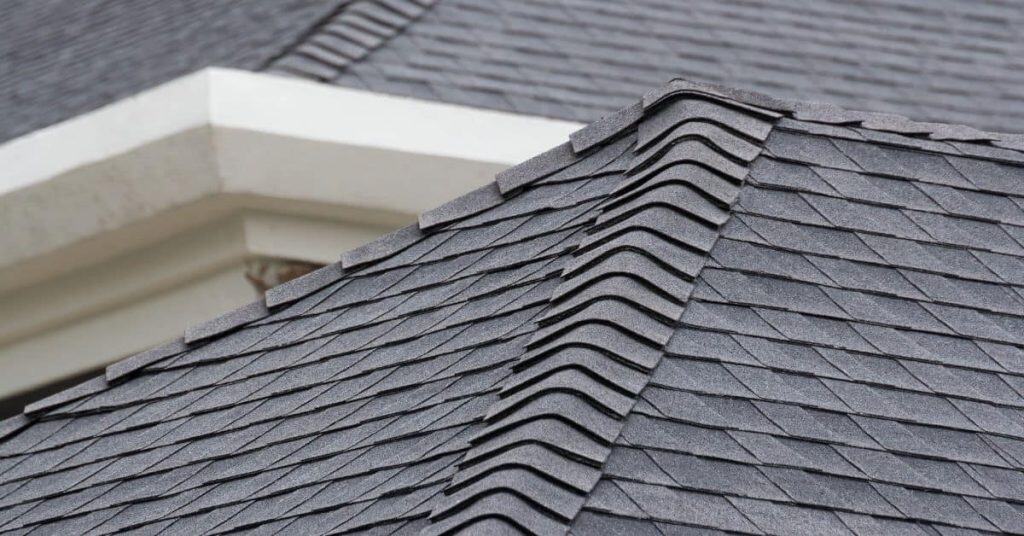
Roofing over existing shingles is usually not recommended due to hidden damage, poor performance, and potential code issues.
The guide walks through how to evaluate roof conditions, navigate common code concerns, and compare safer options so you can plan a higher-quality, longer-lasting roof.
Key takeaways
- Layering new shingles over old creates hidden moisture and mold risks.
- Many codes require full tear-off when replacing underlayment and ventilation systems.
- Overlay can void warranties and complicate insurance claims after damage.
- Consider long-term costs, potential resale impact, and energy performance benefits.
- Tear-off or partial replacement with proper ventilation often prevents buckling.
- Vet contractors for licensing, past work, warranty terms, and compliance checks.
Table of Contents
- Introduction
- Key takeaways
- Why layering new shingles over old is risky
- Building codes, permits, and warranty implications
- Long-term costs and resale impacts
- When an overlay might be acceptable—and when it is not
- Better options: tear-off, partial replacement, and alternative materials
- Choosing contractors, materials, and verifying compliance
- Budgeting, financing, and planning the project
- Climate-specific considerations and maintenance after replacement
- Conclusion
- FAQ
Why layering new shingles over old is risky
Layering shingles hides problems that are easy to miss with a quick roof inspection. When you overlay, hidden damage under the old layer can worsen without notice. Look for rotted sheathing, nail pops, prior leaks, and moisture signs in the attic or underlayment to evaluate integrity before deciding.
Moisture entrapment and ventilation issues are common with overlays. Existing moisture can’t dry out properly, which raises the risk of mold and rot in the attic space. A thicker roof also reduces space for breathing and affects overall ventilation and airflow across the roof system.
Poor inspection and hidden deck problems
Before you start slapping new shingles on top of old ones, it’s crucial to know what lies beneath. Here’s a checklist to help you.
- Rotted sheathing: Check for soft spots or discoloration. A screwdriver can help poke and prod.
- Nail pops: Look for nails pushing through from the inside. This indicates movement.
- Prior leaks: Inspect the attic for water stains, mold, or mildew.
- Moisture damage: Feel for dampness in the underlayment and check for signs of rot.
- Structural damage: Look for cracks, gaps, or sagging in the decking.
- Insect damage: Check for signs of termite or carpenter ant activity.
- Electrical issues: Ensure no wires are damaged or exposed due to prior leaks.
- Ventilation: Make sure soffit and ridge vents aren’t blocked by old shingles.
Quick rule: If you find any of these issues, it’s usually cheaper and safer to tear off the old roof and address problems properly.
Increased weight and structural strain
Adding another layer of shingles increases your roof’s weight. This can stress rafters and decking, leading to problems down the line.
Fact: A square (100 sq ft) of asphalt shingles weighs around 250-300 lbs. So, adding a second layer adds 500-600 lbs per square.
This extra weight can cause rafters to sag over time, leading to uneven roof lines and potential structural failure. It also puts more strain on the decking, which could lead to cracking or warping.
Tip: If your roof is already showing signs of age or wear, adding another layer may just accelerate its decline.
Fire, ventilation, and moisture safety concerns
Overlays can affect your roof’s ability to breathe, leading to trapped moisture and potential mold or mildew growth.
Issue: Overlapping shingles can block existing vents, reducing airflow through the attic. This traps hot air and moisture, creating a perfect environment for mold and mildew.
Additionally, overlays can sometimes reduce your roof’s fire resistance rating, as they may not meet current building codes or standards.
Safety note: Always check with your local building department to ensure any overlay meets code requirements. Better yet, consider a full tear-off and replacement for peace of mind.
Building codes, permits, and warranty implications
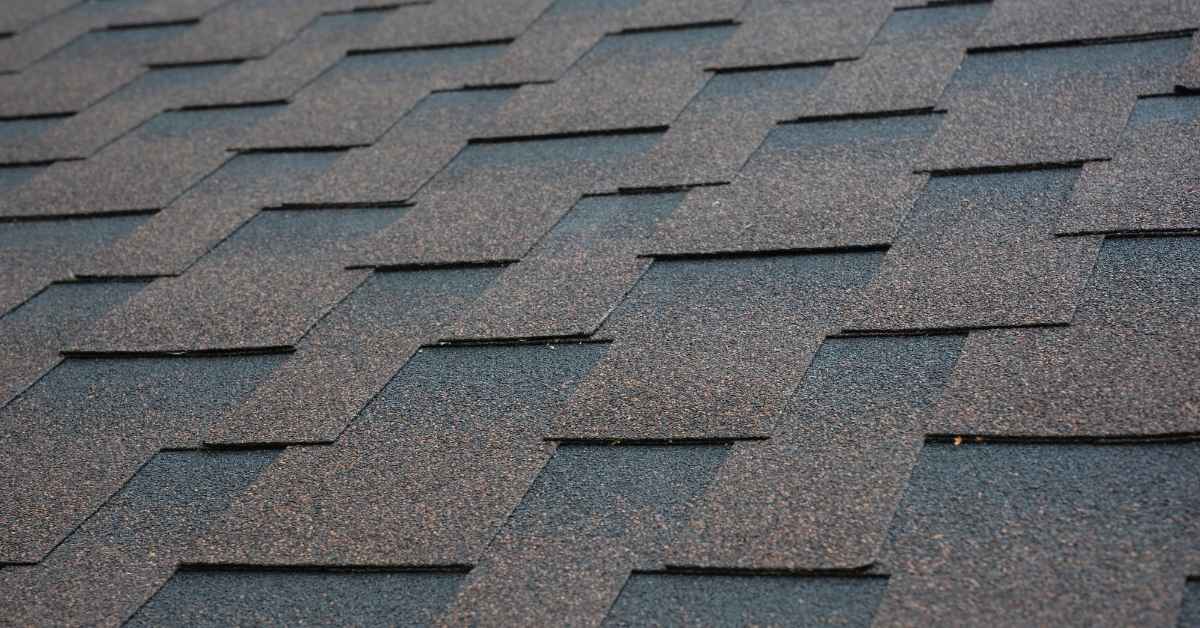
Code restrictions on multiple roof layers vary by region and typically address the number of layers, ventilation, and fire-rating. Regulations may differ between jurisdictions, so check local rules and any regional addenda before proceeding. Always verify what applies where you live and work.
Permits and inspections catch improper layering and installation practices. Understand whether a permit is mandatory, what documentation is needed, and what the inspection will focus on. Manufacturer warranties can be affected when overlays conflict with installation manuals or code requirements.
Local code limits and when a tear-off is required
Most building codes allow one or two layers of roofing. Check your local jurisdiction’s rules, as they may vary.
If your existing roof has reached the maximum allowed layers, you’ll need to tear it off before installing new shingles. Ignoring this can lead to fines and rework.
Tip: Contact your local building department for specific guidelines.
Manufacturer warranties and insurer positions
Many manufacturers void warranties if you install new shingles over old ones. This is because overlays can hide defects, leading to premature failure.
Insurers may also deny claims on layered roofs due to increased risk of damage from wind, water, or fire.
Note: Always review your warranty and insurance policies before proceeding with a roofing project.
Long-term costs and resale impacts
Short-term overlay savings can fade when hidden problems surface years later. Consider potential future repairs, creeping damage, and the possibility of needing a full tear-off. Those factors often change the economics of an overlay versus a complete replacement.
Resale value may be influenced by how the roof was addressed. Some buyers view overlays as a sign of deferred maintenance, and warranties can be impacted. Compare upfront costs with maintenance, repair, and future replacement when evaluating options.
Cost breakdown: overlay vs full tear-off over time
Sure, overlays seem cheaper upfront. But let’s look at the long game.
Upfront: Overlay costs around $1.50 – $2.50 per sq ft. A full tear-off and replacement? That’s $4 – $6 per sq ft.
Long-term: Overlays hide problems, don’t fix them. So, you’ll spend more on repairs later. And when the overlay fails (in 10-20 years), you’ll need a full replacement anyway. That’s another $4 – $6 per sq ft.
So, while overlays save money now, they cost more in the long run. A full tear-off might seem pricier, but it’s a one-time investment that lasts 30+ years.
Resale value and disclosure issues
Overlays can hurt your home’s resale value. Here’s why:
Appraisal: Appraisers know overlays hide problems. They’ll adjust their valuation to account for potential repairs or replacements.
Buyer confidence: Buyers see overlays as a red flag. It signals neglect, makes them worry about hidden issues, and could scare them off.
Disclosure: You’re obligated to disclose any roof overlay when selling. If you don’t, it’s fraud. And if buyers find out after purchase, they could sue.
When an overlay might be acceptable—and when it is not
Overlay might be considered only under narrow conditions: a single existing layer, sound roof decking, no active leaks, good attic ventilation, and code allowances where you live. Ensure underlayment and flashing are compatible with an overlay approach. Confirm with local guidance and manufacturer guidelines.
Red flags that require tear-off include visible rot, damaged decking, sagging structure, and signs of moisture intrusion. If any of these are present, plan for a full removal and deck assessment before proceeding. Use a professional to confirm feasibility.
Inspection checklist to determine eligibility
Before considering an overlay, follow this checklist to ensure your roof is suitable.
- Deck condition: Inspect for warping, rotting, or damaged boards. Any issues require a tear-off.
- Existing layers: Count the number of shingle layers. More than one layer may not be acceptable for an overlay.
- Flashing condition: Check around chimneys, vents, and skylights. Damaged flashing needs replacement before overlaying.
- Ventilation: Ensure proper attic ventilation to prevent moisture buildup and maintain a sound roof structure.
- Moisture intrusion: Look for signs of water damage, mold, or mildew. These indicate structural issues that need addressing.
- Rafter condition: Check rafters for sagging or other signs of structural compromise. Overlaying on a compromised structure is risky.
- Underlayment: Inspect the existing underlayment. If it’s damaged, worn, or incompatible with an overlay, replace it.
- Regional codes: Verify local building codes allow overlays and that your roof meets these standards.
Quick rule: If any of these checks fail, a tear-off may be necessary.
Common mistakes homeowners make
To avoid costly errors, steer clear of these frequent missteps when considering a roof overlay.
- Choosing cost over inspection: Skipping a thorough inspection to save money can lead to hidden issues causing future repairs and reduced lifespan.
- Ignoring warranties: Failing to follow manufacturer guidelines or voiding warranties by improper overlay installation can leave you without coverage when things go wrong.
- Failing to secure permits: Not obtaining necessary permits can result in fines, rework, and potential issues when selling your home.
- Overlooking long-term costs: While overlays may seem cheaper upfront, they often lead to higher maintenance costs and reduced resale value compared to a full tear-off.
Avoid these mistakes by prioritizing thorough inspection, following manufacturer guidelines, securing necessary permits, and considering long-term costs.

Better options: tear-off, partial replacement, and alternative materials
Define when a full tear-off is necessary versus partial replacement based on deck condition and structural checks. A tear-off provides a clean start and can improve ventilation and insulation access. Weigh this against project speed and potential hidden issues from partial work.
Consider alternative materials or lighter systems as options. Think about weight, longevity, and climate suitability, along with how these choices interact with ventilation and underlayment. Always align material selection with local codes and warranty requirements.
Full tear-off: benefits and when it’s worth it
A full tear-off is your best bet for a solid, long-lasting roof. Here’s why:
Inspection access. With everything stripped down to the deck, you can spot and fix any hidden issues – like rotting plywood or damaged framing.
Warranty compliance. Most manufacturers require a complete tear-off for their warranties to apply. Overlaying could void it.
Longer lifespan. New shingles on old ones can’t breathe properly, leading to moisture buildup and reduced lifespan. A full tear-off lets your new roof last as long as possible.
Upgrading materials (lighter or higher-performance options)
Choosing the right material makes a big difference. Here are some lighter, longer-lasting options:
- Metal roofing. Lightweight, durable, and energy-efficient. Look for 29-gauge or thicker. Avoid thin panels that dent easily.
- Stone-coated metal. Heavier but offers excellent protection against hail and fire. Check the stone coating’s adhesion to prevent chipping.
- Lighter synthetic shingles. Strong, lightweight, and mimic wood shakes or slate. Ensure they’re rated for your area’s wind speeds.
- Improved asphalt. Thicker, with better warranties. Look for 30-year or longer warranties. Avoid thin, cheap ones that curl or crack quickly.
- Clay or concrete tiles. Heavy but durable and energy-efficient. Ensure your roof structure can support the weight.
Choosing contractors, materials, and verifying compliance
Certification and credentials matter when selecting a roofer. Look for licensed, insured, and bonded contractors, and check manufacturer training or roofing association affiliations. Verify standing with the state licensing board or equivalent authority.
Ask targeted questions about warranties, timelines, crew experience, and acceptable underlayment methods. Confirm permit requirements, code compliance, ventilation, and how these affect warranties and future inspections.
Red flags and questions to ask a roofer
Before hiring a contractor, be proactive. Ask the right questions to avoid common pitfalls.
Tear-off policy: Some roofers might suggest overlaying new shingles over old ones. This is usually a bad idea, as it can lead to trapped moisture and accelerated deterioration. Ask about their tear-off policy.
Permits: Roofing work often requires permits. Make sure they understand the local permit process and plan on obtaining them.
Warranty registration: Ensure they’ll register your warranty with the manufacturer. This is crucial for maintaining your warranty’s validity.
Insurance: Ask for proof of liability insurance to protect yourself from any damages or accidents that may occur during work.
References: Request references and follow up on them. Check their past work and ensure they’re satisfied customers.
Material specs and standards to request
Choosing the right materials is crucial for a durable, long-lasting roof. Here’s what you should ask for:
- Manufacturer specifications: Request detailed spec sheets outlining material composition, dimensions, and installation guidelines.
- Wind and fire ratings: Ensure your chosen materials can withstand local weather conditions and meet fire safety standards. Look for Class A fire rating and wind resistance suitable for your area.
- Warranty documents: Review the manufacturer’s warranty before work begins. Understand what’s covered, how long it lasts, and any maintenance requirements to keep the warranty valid.
- Avoid incompatible materials: Asphalt shingles over metal or tile can cause cracking and staining due to different expansion rates. Ensure your chosen materials are compatible with your existing roof structure.
- Climate-driven choices: Consider your climate when selecting materials. For instance, in hot climates, reflective shingles can help reduce energy costs, while in snowy regions, heavy-duty materials may be necessary to withstand snow loads.
Budgeting, financing, and planning the project
Break out realistic cost categories, including materials, labor, permits, disposal, and safety gear. Document a clear scope to avoid scope creep and miscommunication. Keep notes on what is included in the quote and what is not.
Plan for contingencies to handle overruns and delays. Explore financing options and how they fit your monthly budget. Create a phased plan with milestones and decision checkpoints to stay organized.
Financing options and cost-smoothing strategies
When it comes to financing your roofing project, there are several options to consider. Cash is the simplest but may not be feasible for everyone. Home equity loans or lines of credit can tap into your home’s value, but remember, your home serves as collateral.
Personal loans and contractor financing are other alternatives. Research each option to understand interest rates, repayment terms, and how they’ll impact your monthly budget. Spreading the cost over time can help manage cash flow, but ensure you’re not taking on more debt than you can handle.
To smooth out costs, consider phasing payments with your contractor. Some may offer discounts for upfront payments or allow installments throughout the project. Always discuss and agree on payment terms before signing any contract.
Timeline and what to expect on installation day
The roofing project timeline typically starts with a permitting process, which can take several weeks depending on your local authority. Once permits are secured, order materials early as lead times can vary.
Demolition/removal usually takes 1-2 days. Installation follows, with most jobs taking 3-5 days to complete, weather permitting. Expect some noise and activity during these days.
On installation day, ensure you’ve secured valuables, cleared the work area, and informed neighbors about potential disruptions. Keep children and pets away from the work zone for safety reasons. After completion, a final inspection is scheduled to ensure everything meets code requirements and your warranty can be registered.
Climate-specific considerations and maintenance after replacement
Climate factors such as snow, wind, freeze-thaw cycles, and humidity influence overlay decisions and long-term performance. The local climate can drive material and ventilation choices. Check how climate affects warranties and coverage terms.
Maintenance plans should address climate-related needs like moisture management, gutter upkeep, and ventilation checks. Develop a practical schedule for inspections after harsh seasons and schedule professional reviews when needed.
Visual checkpoints and seasonal maintenance plan
Use this checklist after installation to ensure your roof stays in top shape. Regular checks help catch issues early, preventing costly repairs.
- Spring: Inspect for any winter damage. Look for missing or damaged shingles, and check gutters for debris.
- Summer: After heavy storms, inspect your roof for any signs of damage. Check for granules in the gutter, which could indicate excessive wear.
- Fall: Before winter sets in, ensure all shingles are secure and there’s no debris on the roof that could cause damage during snow or ice buildup.
- Winter: After heavy snowfall, use binoculars to check for any signs of stress or damage. Ensure your attic is properly insulated to prevent ice dams.
- Regularly: Inspect your roof’s edges and valleys where damage often starts. Check flashing around chimneys, vents, and skylights.
Quick rule: Regular inspections help extend the life of your roof. Don’t skip them!
Post-install inspection, warranty registration, and documentation
After installation, it’s crucial to inspect your new roof and register warranties. Keep records for future reference.
- Inspect: Walk around your property with the installer to ensure everything is as expected. Check for any missed spots or damage.
- Register Warranties: Contact manufacturers to register your product warranties. This ensures you’re covered if anything goes wrong.
- Document: Keep records of all paperwork, including contracts, receipts, and warranty information. You’ll need these for insurance claims or resale.
- Check Gutters: Ensure gutters are securely attached and functioning properly to prevent water damage.
- Insulate & Ventilate: Check your attic insulation and ventilation. Proper airflow prevents moisture buildup, which can lead to mold or rot.
Quick rule: Keep all documents in a safe place. You never know when you might need them!

Conclusion
Protecting your home and your wallet means choosing a real tear-off or a partial replacement when the roof shows wear, not simply tacking new shingles over old. Safety, durability, and curb appeal all ride on making the right call today and following through with solid planning and proper execution.
Start with a safety audit and leak test, then confirm local code and warranty requirements, get permits if needed, decide between a full tear-off or a careful partial replacement based on roof condition and climate, choose materials and a licensed contractor who will verify decking, ventilation, and flashing, lock in a budget and disposal plan, and schedule the work for a dry, calm window with a clear maintenance plan after.
Common mistakes to avoid are overlooking damaged decking or rotten fascia, assuming overlays are always allowed, and skipping professional estimates or inspections. Always wear proper PPE, secure ladders and fall protection, and never rush through a steep or uncertain slope; test a small area first to verify roof integrity and roof deck dryness before committing to any material change, and demand written permits and a clear warranty path before work begins.
If you’re unsure about deck condition, climate-specific requirements, or navigating permits and warranties, call a professional rather than pushing ahead alone. A careful plan, clear checks, and disciplined execution will give you a durable, safe roof that looks right and lasts.
FAQ
Should you roof over existing shingles, or tear off first?
In most cases, tearing off the old shingles is the right move. Roofing over adds weight and hides problems you need to see up close.
What risks come from roof over old shingles?
You can trap moisture, which leads to rot and mold. It also makes it harder to spot damaged decking and faults in the roof structure.
Will roofing over save time or money?
It might save a little time at first, but it often costs more later in repairs. Hidden issues show up after the new layer is down, and you’ll pay twice to fix them.
What are better options than roofing over?
Tear off and inspect. Replace damaged decking, install proper underlayment, and use good ventilation. This gives you a solid, long lasting roof and a cleaner warranty.