Corrugated polycarbonate roofing panels with metal support beams

Roofing Maintenance Tips – What to Know + Why It Matters

Introduction

Roofing maintenance is the ongoing checks and small fixes that protect your roof from leaks and damage. This article walks you through simple, practical steps you can do on weekends. You’ll learn what to look for, what to fix first, and how to decide if you need a pro.

Start with a quick survey of gutters, shingles, flashing, and any signs of wear. Prioritize safety, use the right tools, and check manufacturer instructions or local rules when in doubt. If you see serious damage, or if you’re unsure about a repair, call a qualified professional and get a second opinion.

Key takeaways

  • Regular inspections catch damaged shingles, flashing leaks, and blocked gutters before failures.
  • Keep tools and ladder setup stable; never work alone on steep roofs.
  • Clean debris safely from gutters and valleys to prevent water backup.
  • Look for moss or algae and address moisture issues promptly.
  • Schedule seasonal checks and plan major repairs with a contractor when needed.
  • Document weathered flashing or nail pops; these signal potential leaks.
Table of Contents

Why Roofing Maintenance Matters

Regular roof upkeep protects your home’s value and the safety of your family. It helps prevent small problems from turning into big, costly repairs. Proper maintenance also supports better energy efficiency and reduces the chance of interior damage during storms.

Neglect can lead to leaks, mold growth, and structural issues that are expensive to fix. Ignoring wear and tear can weaken supports and ventilation, which also affects insurance coverage and overall comfort. A proactive approach keeps the roof performing as intended for years to come.

Cost-benefit of preventive care

Regular roofing maintenance might seem like an extra expense, but it’s a small price to pay compared to major repairs or replacement costs down the line. Think of it as an investment in your home’s longevity.

Here are some frequency benchmarks to keep in mind:

Annually: Inspect and clean gutters, check for leaks around vents and chimneys, remove debris from roof surface.

Every 3 years: Inspect and maintain flashing, check for damaged or missing shingles, inspect attic for signs of water intrusion.

Safety and liability considerations

A neglected roof can pose serious risks to you, your family, and visitors. Loose tiles or shingles can cause injuries from falls, while water damage can lead to mold growth and structural issues.

Professional inspections are not just a good idea, but often a legal or contractual requirement:

Homeowner’s Insurance: Many policies require regular roof maintenance to stay valid. Neglecting your roof could void your coverage in case of damage.

Homeowners Associations (HOAs): If you live in an HOA community, regular roof maintenance might be a requirement to maintain your home’s value and aesthetics.

Back to top ↑

How to Perform Regular Visual Inspections

Establish a simple seasonal routine you can follow year after year. Start from the ground level and use binoculars to spot obvious problems, then inspect the roof if safe to do so. Check attic spaces for signs of water intrusion or moisture and note any unusual odors.

Look for missing or curled shingles, damaged flashing, and debris buildup. From the ground, watch for sagging gutters or pooling water after rain. Always verify any concerns with manufacturer instructions or local rules before touching the roof.

Step-by-Step Process

Use this checklist for regular visual inspections. It’s best to do this twice a year, after harsh weather seasons.

  • Preparation: Gather safety gear – hard hat, harness, gloves. Check weather forecast.
  • Safety check: Ensure ladder is secure and in good condition. Inspect roof for slippery surfaces or weak spots.
  • Access the roof: Climb up slowly, using both hands on the ladder.
  • Inspect shingles: Look for missing, cracked, or curled pieces. Check for granules in gutters – it means shingles are wearing out.
  • Check flashing: Ensure it’s intact around vents, chimney, and skylights to prevent leaks.
  • Examine gutters: Make sure they’re securely attached, with no rust or cracks. Check for proper water flow.
  • Inspect the chimney: Look for missing mortar, cracks, or leaning. Ensure cap is intact.
  • Check interior signs: Inspect attic and ceilings for stains, mold, or light penetration after completing exterior checks.
  • Clean up: Remove any debris from the roof and gutters to prevent water backup.

Quick rule: Always prioritize safety. Don’t hesitate to call a professional if you’re unsure about anything.

Exterior visual checkpoints

Use this checklist during your exterior inspection. It helps spot wear and tear before it becomes major damage.

  • Shingles: Look for missing, cracked, or curled pieces. Check for granules in gutters – it means shingles are wearing out.
  • Flashing: Ensure it’s intact around vents, chimney, and skylights to prevent leaks.
  • Gutters: Make sure they’re securely attached, with no rust or cracks. Check for proper water flow.
  • Chimney: Look for missing mortar, cracks, or leaning. Ensure cap is intact.
  • Moss and algae: Check for growth on shingles or in gutters. It can trap moisture and cause damage.
  • Nails popping up: If you see any, it’s a sign of underlying issues that need attention.
  • Soffit and fascia: Inspect for signs of water damage, rot, or pest infestation.

Quick rule: Regular exterior checks help catch minor issues before they become expensive repairs.

Interior signs to monitor

Use this checklist during your interior inspection. It helps identify potential roof issues early on.

  • Water stains: Look for discoloration on ceilings or walls. They indicate a leak somewhere above.
  • Mold and mildew: Check for growth, especially in corners or around vents. It’s a sign of moisture intrusion.
  • Light penetration: Inspect the attic during daylight hours. If light is coming through, it means your roof isn’t properly sealed.
  • Damaged insulation: Check for signs of water damage or compression. It can indicate a leak or pest infestation.
  • Nails popping up: If you see any in the attic, it’s a sign of underlying issues that need attention.
  • Sagging ceilings: Check for signs of sagging or drooping. It could indicate water damage or structural issues.

Quick rule: Regular interior checks help catch leaks and moisture intrusion before they cause significant damage.

Back to top ↑

Common Roofing Problems and How to Recognize Them

Missing or damaged shingles are the most obvious clue to weathering and lifting edges. Feel the surface for rough patches or exposed granules in the gutters. Look for dark spots that hint at underlying moisture damage or rot.

Flashing failure shows up as gaps or rusted sections near chimneys, vents, or skylights. Ponding water on flat sections or slow drainage indicates improper slope or drainage. Moss, algae, and ice-related buildup create slick surfaces and can hide underlying damage that needs attention.

Leak sources and typical locations

Water can enter your home through various points on your roof. Here are the most common:

Valleys: Where two slopes meet, water can collect and find its way under shingles.

Penetrations: Anything that sticks out of your roof—chimneys, vents, skylights—can be a leak source if not properly sealed.

Eaves: The edge of the roof can allow water to seep in, especially where it meets the walls or gutters. To trace a leak, start at the water stain and work your way up, looking for signs of moisture or daylight visible through the attic.

Biological growth and surface damage

Moss, algae, and lichen can grow on your roof over time. Here’s why they’re a problem:

They hold moisture, which can lead to rot and accelerate shingle deterioration.

They lift shingles as they grow, creating gaps that let water in.

They change the roof’s appearance, making it look old and neglected. To prevent this, keep your roof clean and dry, and trim back any trees that could drop debris or shade the roof, slowing drying.

Back to top ↑

Basic DIY Maintenance Tasks Homeowners Can Do Safely

Gutter cleaning and debris removal are good starting points. Remove leaves and branches from valleys and near vents to prevent blockages. Keep access paths clear so you can work safely if you need to inspect from above.

Minor shingle repositioning or securing loose edging can be done with care, but avoid lifting or walking on fragile areas. Stop if you see widespread curling, cracking, or leaked water; hire a pro for repairs and safe removal of damaged sections.

Tools and materials checklist

Before you start any DIY roof maintenance task, ensure you have the right tools and safety gear. Here’s a quick checklist to keep you safe and prepared.

  • Ladder: Sturdy, extendable, and tall enough for your roof height.
  • Gloves: Work gloves to protect your hands from debris and sharp edges.
  • Eye protection: Safety glasses or goggles to shield your eyes from falling objects.
  • Scoop: A small, handheld scoop for removing loose debris.
  • Roofing nails: For minor shingle repositioning tasks.
  • Hammer: To tap in roofing nails gently.
  • Chalk line: To mark straight lines for new nail placement.
  • PPE (Personal Protective Equipment): Depending on the task, you might need a harness or other safety gear.

Quick rule: Always prioritize safety. If you’re unsure about any tool or task, don’t hesitate to call a pro.

Step-by-step gutter cleaning and debris removal

Regularly clearing your gutters and removing roof debris helps prevent water damage, ice dams, and pest infestations. Here’s a safe step-by-step process to keep your home protected.

  1. Inspect from the ground: First, check for any obvious blockages or damage using binoculars if needed. If you spot major issues, call a pro.
  2. Set up your ladder safely: Position it on stable ground, lean it against the gutter at a 75-degree angle, and secure it with a stabilizer if possible.
  3. Wear appropriate PPE: Put on gloves, safety glasses, and other necessary gear before starting.
  4. Remove large debris by hand: Use your gloved hands to pick out twigs, leaves, or other large items clogging the gutters.
  5. Use a scoop for smaller particles: Gently scrape out any remaining dirt, small pebbles, or other loose material with your scoop.
  6. Check downspouts: Ensure water can flow freely through them. If not, clear any blockages using your scoop or a plumber’s snake.
  7. Inspect and repair gutters as needed: Look for any cracks, leaks, or loose sections. Tighten brackets if necessary, and call a pro if you find significant damage.
  8. Remove debris from the roof (if safe): If your roof is low-pitched and accessible, use a soft-bristled brush to gently sweep off leaves and other light debris. Never walk on steep roofs; it’s too dangerous.
Back to top ↑

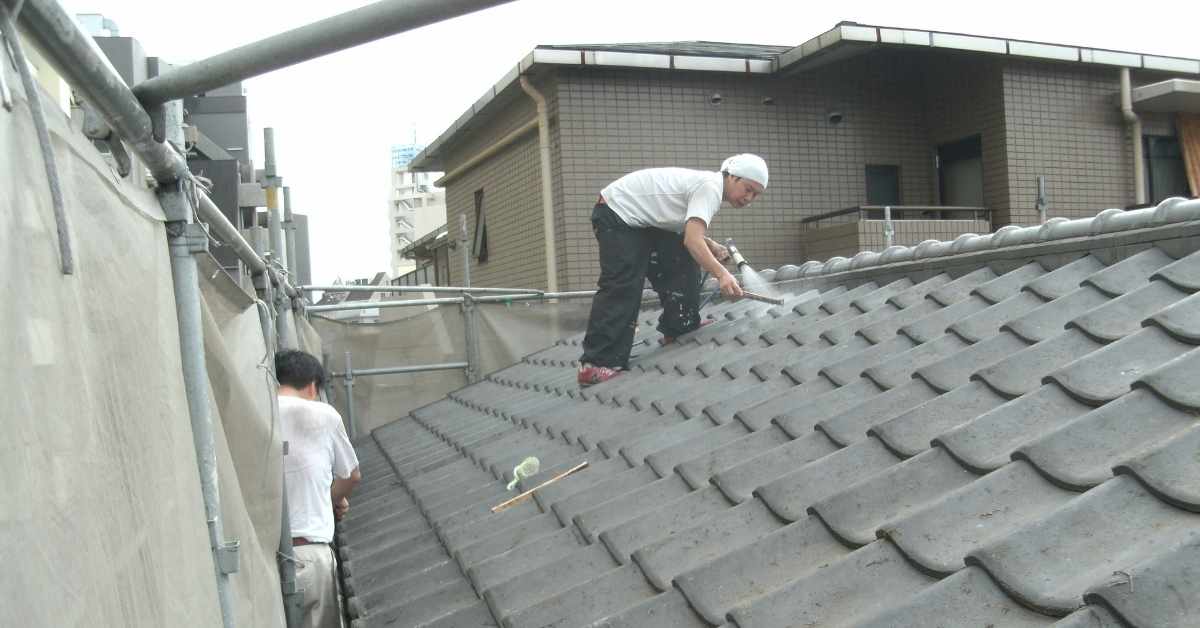
Two workers cleaning tiled roof under construction

When to Call a Professional Roofing Contractor

Call a pro when you notice persistent leaks, extensive shingle damage, or failed flashing that you cannot safely fix from ground level. Seek expert help for attic moisture signs or unusual odors that point to hidden leaks. If you’re unsure about the severity, arrange an on-site assessment first.

In emergencies, take simple measures such as covering exposed areas with a tarp and avoiding risky roof work. Do not delay professional evaluation for active leaks or structural concerns. Always follow professional recommendations and documentation from a qualified contractor.

Choosing a qualified contractor

A good contractor can save your roof. Here’s how to pick one.

Check their license: They should have a valid, up-to-date license for your state. Don’t be afraid to ask.

Insurance is crucial: Look for liability and workers’ comp insurance. This protects you if something goes wrong.

Avoid red flags: No references? No written estimate? Run the other way.

What to expect during a professional inspection

Before you call, know what they should do. Here’s your checklist.

  • Roofing material check: They should inspect shingles, tiles, or metal for damage and wear.
  • Flashing inspection: Flashing around chimneys, vents, and skylights can leak if damaged.
  • Gutter check: Gutters direct water away. If they’re clogged or damaged, they won’t work.
  • Attic inspection: Water stains on the underside of your roof mean you’ve got a leak.
  • Ventilation check: Proper ventilation keeps your roof cool and dry. Too much or too little can cause problems.
  • Moss and algae check: These can damage shingles over time. They should know how to remove them safely.
  • Drainage inspection: Water should flow off your roof easily. If it doesn’t, they’ll find out why.
  • Written report: After the inspection, they should give you a written report detailing their findings and recommendations.
  • Estimates: They should provide detailed estimates for any work needed.

Quick rule: If they don’t offer these services or skip steps, find another contractor.

Back to top ↑

Seasonal Maintenance Checklist and Schedule

Spring gives you the chance to clear debris, inspect flashing, and plan repairs after winter. Summer is ideal for gutter cleaning and trimming nearby branches to reduce weight and debris. Fall focuses on preparing for heavier rains and temperatures, including sealing vulnerable areas.

Winter requires monitoring for ice dams and practicing safety if you must access roofing areas. Keep a simple cadence and adjust based on weather patterns and roof design. Use manufacturer guidelines or local codes to verify any seasonal tasks.

Pre-winter preparation

Before the first snowfall, follow this checklist to protect your roof from ice dams and prepare it for winter.

  • Inspect flashings: Check all flashing around chimneys, vents, and skylights. Seal any cracks or gaps with caulk.
  • Clean gutters: Remove leaves and debris to ensure proper water drainage once the snow melts.
  • Trim tree branches: Cut back any branches hanging over your roof to prevent damage from heavy snow or ice.
  • Check insulation: Ensure your attic is properly insulated to maintain a cold roof, preventing ice dams.
  • Ventilate the attic: Proper ventilation keeps your roof cool and prevents ice dams. Check for blocked or damaged vents.
  • Inspect roof for damage: Look for missing, cracked, or curling shingles that could let in water and cause further damage under snow.
  • Check downspouts: Ensure they’re clear and directing water away from your home’s foundation.
  • Install snow guards (if needed): On steep roofs, consider installing snow guards to prevent large chunks of snow or ice from sliding off and causing injury or damage.

Quick rule: Don’t wait until it snows. Winterize your roof before the first freeze.

Post-storm and spring recovery

After a winter storm or as soon as temperatures rise in spring, use this checklist to assess and repair any damage.

  • Inspect for leaks: Check your attic and ceilings for water stains or drips. Look for signs of moisture on insulation or walls.
  • Check gutters: Ensure they’re still securely attached after heavy snow or ice. Clear any remaining debris.
  • Inspect shingles: Check for missing, damaged, or curling shingles that may have occurred during winter storms.
  • Examine flashings: Look for damage to flashing around chimneys, vents, and skylights caused by melting snow and ice.
  • Check downspouts: Ensure they’re still directing water away from your home’s foundation after the thaw.
  • Assess roof structure: If possible, safely inspect your roof for signs of structural damage, such as sagging or cracking.
  • Remove biological growth: Scrub off any moss, algae, or mold that may have grown during winter.
  • Prune tree branches (if needed): If heavy snow or ice has caused branches to touch your roof, trim them back.

Quick rule: Don’t wait for spring to inspect your roof. Check it after every major storm.

Back to top ↑

Materials, Lifespan, and How Condition Affects Maintenance Needs

Asphalt shingles, metal, tile, and flat membranes each behave differently with age and weather. Check for wear patterns, curling edges, and color fading that signal performance changes. Maintenance needs shift as materials age and environmental exposure varies.

For each type, verify what the label or manufacturer instructions specify about cleaning, repairs, and when to replace components. Look for signs of underlayment exposure, rust, or joint movement as indicators to inspect more closely or call in a pro.

Asphalt Shingle Specifics

Asphalt shingles are a popular choice due to their affordability and versatility. They typically last between 20-30 years, but this can vary depending on the quality of materials and installation.

Granule loss is one of the first signs of asphalt shingle deterioration. Check your gutters for granules; if you find them, it’s time to inspect your roof closely. Look for bare spots where the protective granules have worn off, making the shingles susceptible to damage from sun and rain.

Maintain your asphalt shingles by keeping them clean and free of debris. Trim back tree branches that could scrape against the surface during storms. Regular inspections can help you catch any issues early before they become major problems.

Flat Roof and Membrane Considerations

Flat roofs are typically covered with membranes made of materials like EPDM, TPO, or PVC. These can last up to 25-30 years but require different maintenance than pitched roofs.

Ponding water is a significant issue on flat roofs. Water that doesn’t drain properly can cause damage to the membrane and underlying structure. Inspect your roof regularly for any areas where water collects and consider installing drainage solutions if necessary.

Seams are another critical area on flat roofs. These are the weak points where two pieces of membrane meet. Regularly inspect seams for signs of cracking, peeling, or other damage. Use a garden hose to simulate rain and check for leaks at these areas.

Maintain your flat roof by keeping it clean. Remove debris that can hold water and cause damage. Also, trim back any nearby trees to prevent leaves and branches from accumulating on the surface.

Back to top ↑

Costs, Budgeting, and Planning for Repairs or Replacement

Costs can vary based on material, extent of wear, and access to the roof. Build a plan that accounts for routine maintenance and the possibility of larger repairs. Get a sense of what is covered by warranties and what falls to you as the homeowner.

When possible, obtain multiple estimates and compare scope and timelines. Use the estimates to set aside funds and prioritize tasks based on safety and long-term value, while verifying details with product labels or manufacturer instructions.

Prioritizing repairs vs cosmetic fixes

When it comes to budgeting for roof maintenance, it’s crucial to distinguish between urgent structural issues and non-urgent cosmetic work. Structural problems like leaks, missing shingles, or sagging should always take priority.

Cosmetic fixes, such as replacing a few damaged shingles or cleaning moss, can wait until you’ve addressed the bigger issues. This way, you’re not throwing money at minor problems while major ones go unattended.

Remember, neglecting serious structural issues can lead to costly damage to your home’s interior. Always prioritize safety and function over aesthetics when planning your roof maintenance budget.

Preparing for roof replacement

Planning a full roof replacement involves more than just choosing new materials. Here are some steps to help you prepare financially and logistically:

Timing is key. Roof replacements should ideally be done during dry, mild weather. This could mean scheduling it in late spring or early fall.

Before work begins, ensure your home’s interior is protected from potential debris. Cover valuable items with drop cloths or plastic sheeting. If you have pets, consider keeping them in a separate room away from the construction area.

Don’t forget about permits! Check with your local building department to see if you need any permits for the replacement. It’s also a good idea to inform your neighbors about the upcoming work to avoid any misunderstandings.

Back to top ↑

Conclusion

The core take-away is simple: regular attention to your roof keeps it safer, longer lasting, and looking right, and that comes down to steady, deliberate checks and timely fixes. When you stay ahead of problems, you protect your home and avoid gut-wrenching repair costs.

Do this: walk the roof or access points safely, check for loose or damaged shingles, loose fasteners, cracked flashing, and clogged gutters; note any soft spots or sagging areas, test nearby attic insulation and ventilation for moisture or stains, and plan repairs in the order of urgency from obvious damage to minor wear, then scope parts, estimate costs, and schedule work with safety in mind. Move methodically, start small, and never climb on a wet or icy surface.

Two common mistakes to avoid are taking shortcuts that skip safety checks and pushing through repairs without confirming the underlying cause or proper materials. Always use fall protection when working near edges, test a small area first before applying any new sealant or coating, and follow the manufacturer’s guidance for any product you use. If something smells rotten, you see widespread water intrusion, or you’re unsure about the roof’s structure, stop and reassess before continuing.

Call a professional when you’re unsure about the ladder or edge work, when the damage covers a large area, or you’re facing flashing, joints, or sagging that could compromise the structure. A pro can save time, prevent costly mistakes, and help you plan a sensible budget for repairs or replacement. Stay practical, stay safe, and keep the work small and controlled until you’re confident you’ve got it under control.

Back to top ↑

FAQ

What signs of roof wear should a DIY homeowner look for during basic inspections, and what is the next step?

Look for cracked, curled, or missing shingles and any lifting at edges. Check for granules in gutters and dark spots on the sheathing from inside the attic. If you notice serious wear, moisture staining, or sagging, stop DIY work and plan a professional evaluation.

Which maintenance tasks are unsafe to DIY, and when should I call a pro?

Avoid climbing onto a steep or damaged roof, working on wet surfaces, or handling compromised framing. If you see structural damage, extensive leaks, or active water intrusion, call a licensed roofer. For anything beyond basic cleaning or sealing, get a professional opinion.

How does weather affect roofing maintenance planning, and what should I inspect after a storm?

Rain, wind, and hail can loosen fasteners and damage shingles even if the roof looks fine. After a storm, inspect for lifted edges, displaced fasteners, and new leaks in the attic. If you find ongoing seepage or widespread damage, arrange a professional assessment.

What should I check when choosing maintenance products or sealants, and how do I use them safely?

Always read the label for surface compatibility and application instructions. Use products that are suitable for your roof type and climate, and follow clean, dry surface prep guidelines. If unsure about compatibility or safety, consult the manufacturer instructions or local advice before proceeding.

Back to top ↑