

Introduction
Acid-exposed concrete can sometimes be neutralized on the surface, but damaged material must be removed. This DIY overview explains what you can safely treat and how to tell when removal is necessary. It keeps the process practical and plain-language, like a job you can tackle on a weekend.
Begin by cleaning, neutralizing per label directions, and letting the surface dry before any patching. If you see crumbling, loose, or soft concrete, remove it and plan for a repair before sealing. Always check manufacturer instructions and local rules for acceptable methods and safety.
Key takeaways
- Understand acid damage mechanisms to prioritize neutralization versus removal early.
- Document initial assessment findings and testing results before planning repairs.
- Identify material that can safely be neutralized in place and protected.
- Define demolition or replacement criteria based on structural condition and safety.
- Follow containment, waste handling, and disposal guidelines to prevent contamination.
- Wear PPE and follow site safety rules during all repair work.
Table of Contents
- Introduction
- Key takeaways
- How Acids Damage Concrete — Chemistry and Failure Mechanisms
- Initial Assessment and Testing Workflow
- What Can Be Safely Neutralized in Place
- What Must Be Removed — Criteria for Demolition or Replacement
- Safe Removal Methods, Containment, and Waste Handling
- Repair Materials and Application Methods After Neutralization or Removal
- Tools, Materials Checklist and Safety Precautions
- Prevention, Maintenance, and Monitoring After Repair
- Conclusion
- FAQ
How Acids Damage Concrete — Chemistry and Failure Mechanisms
Acids react with lime in cement paste, gradually dissolving the gel-like binding that holds the concrete together. You’ll see softening and loss of surface hardness where the paste is attacked. On a micro level, the paste may be dissolved faster than the aggregate can resist, leading to microcracking and roughness.
As the binder dissolves, exposed aggregates become more evident and ghosting or whitening can appear as soluble salts migrate. This process weakens the matrix at the surface and can propagate deeper with traffic or moisture. Look for pitting, spalling, and a chalky or stained finish that suggests ongoing chemical attack.
Common acids and their relative modes of action
Acids you’ll commonly encounter fall into two categories – organic and inorganic. Both attack concrete, but they behave differently.
Inorganic acids, like sulfuric acid from battery leaks or hydrochloric acid from industrial waste, are strong. They aggressively dissolve the cement paste, creating a powdery surface. Expect discoloration too.
Organic acids, found in food and drinks spills, are milder but still harmful. They etch the surface, making it rough and porous. Discoloration is less severe but can still occur.
Physical, chemical, and long-term structural consequences
Acid exposure doesn’t just make concrete look bad. It weakens it structurally too.
Short-term, you’ll see surface damage – pitting, scaling, or a rough texture. But over time, acid penetration increases porosity. This lets in more water and air, speeding up corrosion of steel reinforcement.
Strength loss is progressive. What starts as a minor issue can turn into major structural problems if left untreated. Reinforcement corrosion can lead to delamination, spalling, or even collapse.
Initial Assessment and Testing Workflow
Begin with a visual survey of the affected area and document any discoloration, texture changes, or loose material. Take clear notes and photos from multiple angles to track progression. Note any nearby sources of acid or chemical exposure that could influence the repair approach.
Use simple field tests to gauge surface softness and resist, then plan for follow‑up lab analysis if results are inconclusive. When in doubt, escalate with a professional assessment and refer to local guidelines for testing. Always record findings with dates and units of measure where applicable.
Visual inspection and visual checkpoints
Before you start any repair work, use this checklist to visually inspect your concrete. It’s quick and helps pinpoint affected areas.
- Color change: Look for discoloration or staining. Acids can turn concrete yellowish or brownish.
- Texture changes: Feel the surface. Soft, spongy, or crumbly spots indicate damage.
- Scaling: Check for flaking or peeling. This could be due to acid attack.
- Exposed aggregate: If you see more aggregate than usual, it might mean the cement paste has been dissolved.
- Efflorescence: White powdery deposits can indicate acid reaction or other issues.
- Cracking: Check for new cracks. They could be a sign of structural damage.
- Delamination: Tap the surface. A hollow sound might mean layers are separating.
- Wet spots or dampness: These can indicate underlying problems, like acid buildup.
Quick rule: If you skip visual checks, you might miss signs of deeper damage and waste time on ineffective repairs.
Field pH screening and salt detection
Before you start any repair work, use this checklist to visually inspect your concrete. It’s quick and helps pinpoint affected areas.
First, test the pH level of the affected area using a pH indicator strip or solution. Acids lower pH, so if it’s below 7, there might be an acid problem.
Next, check for salts. Acids can leave salt deposits behind. Use a simple salt test kit or send samples to a lab for ion analysis if needed.
Remember: If pH is too low (below 6) or you find significant salt deposits, consider sending samples to a lab for professional titration and ion analysis before proceeding with repairs.
Structural testing and sampling to determine depth of damage
To assess the extent of damage, perform non-destructive tests like sounding (tapping) and using a Schmidt hammer for rebound values. This gives you an idea of strength loss.
For deeper insight, take core samples from affected areas. These can be analyzed in a lab to determine the depth and severity of deterioration.
Note: Always consult with a materials lab for interpretation of test results. They have specialized equipment and expertise to provide accurate assessments.
Caution: Be careful when taking core samples. If the concrete is severely damaged, it might crumble or collapse unexpectedly.
What Can Be Safely Neutralized in Place
Surface contamination and acid residues that remain on the top of the slab may often be neutralized and cleaned in place. Look for residual film or lightly damaged zones that respond to cleaning and neutralizing steps. Avoid treating areas that show deep loss of paste or cracking as a safe in‑place candidate.
Follow up with a simple test to verify neutralization success, such as observing color changes or subsequent surface tests as indicated by product instructions. Always confirm with the manufacturer data sheet or label before proceeding with chemicals. If results are uncertain, stop and reassess with more testing.
Neutralizing surface acid films and stains
First, sweep off any loose debris. Then, apply a concrete-neutralizing solution following the product’s instructions. These solutions usually contain calcium carbonate or sodium bicarbonate to balance the pH.
Important: Always wear protective gear – gloves, goggles, and long sleeves. Keep pets and children away during application and until the area is dry.
After applying the solution, rinse thoroughly with clean water. Let it sit for 24 hours, then test the pH. It should be around 7 (neutral). If not, repeat the process.
Managing soluble salt deposits and efflorescence
Efflorescence is a white, powdery deposit caused by soluble salts. To manage it, first brush off any loose material. Then, use a stiff-bristled brush or a poultice to scrub the area. Poultices can be homemade using ingredients like baking soda and water.
For tougher deposits, consider using a commercial efflorescence remover following the manufacturer’s instructions. After cleaning, rinse thoroughly with clean water.
Note: If efflorescence reappears after repeated cleaning, it might be due to ongoing moisture issues. In this case, address the source of the moisture and consider sealing the concrete to prevent future deposits.
What Must Be Removed — Criteria for Demolition or Replacement
Remove concrete where the matrix has lost integrity, exposing a weak, spalled, or deeply penetrated layer. Deep contamination beyond practical neutralization indicates the need for replacement. Active degradation of aggregates should also be treated as a removal trigger.
In areas bearing structural loads, seek an engineering assessment before any demolition or repair work proceeds. Document the damaged zones and take measurements to guide replacement thickness and dowel or tie‑in details. Rely on project notes and local rules to determine scope.
Severely degraded concrete and contaminated layers
Concrete that’s severely damaged by acid exposure can’t be safely repaired just by neutralization. Look for these signs:
Delamination: Flakes or sheets of concrete peeling off, like sunburnt skin.
Friability: Concrete crumbles easily when gently prodded with a tool. It’s like trying to hold sand – it slips through your fingers.
Heavy etching: Deep grooves or pits on the surface, exposing aggregate and weakening the matrix. If you can see the ‘sand’ inside the concrete, it’s too far gone for simple repair.
Decision factors: safety, durability, and economics
When deciding whether to remove or repair, consider these three key factors:
Safety: If the concrete is structurally compromised, it might collapse. Don’t risk lives – remove if unsure.
Durability: How long will repairs last? If acid exposure was severe and ongoing, replacing might be wiser to prevent future issues.
Economics: Cost of removal vs repair. Sometimes, removing and replacing is cheaper than constant patching and maintenance.
Document your assumptions – why you chose to remove or repair. It’s useful for future reference and can help others understand the decision-making process.
Safe Removal Methods, Containment, and Waste Handling
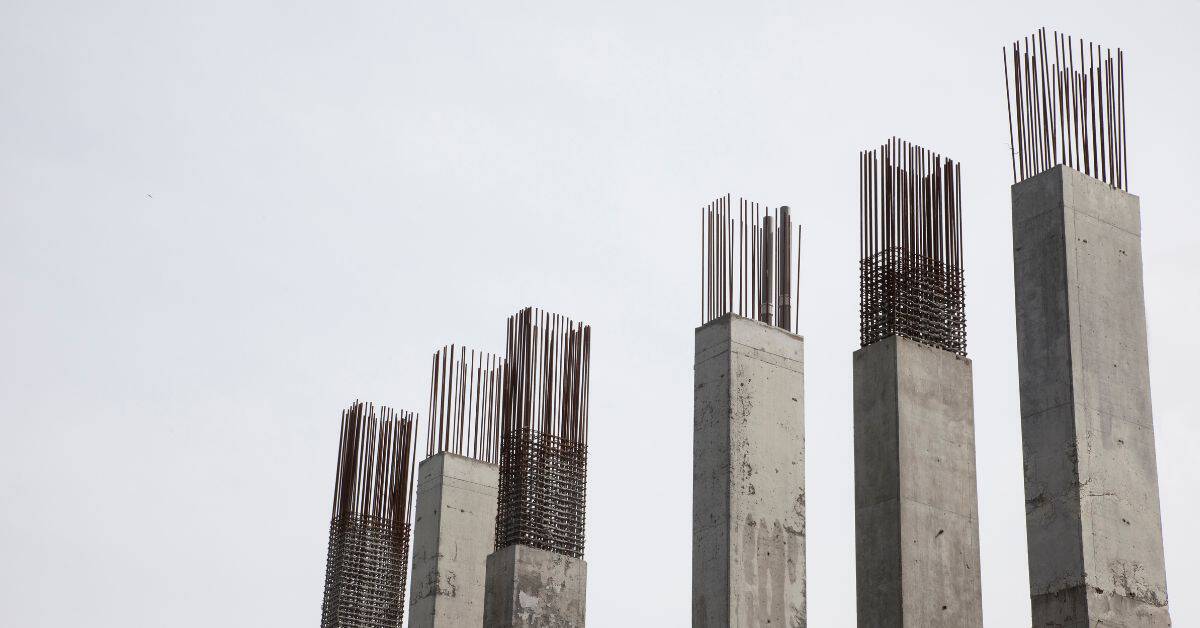
Use mechanical removal methods suited to the depth and extent of the damage, such as chipping or light grinding for shallow cases or sawing for deeper sections. Contain the work area to limit dust and runoff and use barriers or enclosures as needed. Manage vibration and noise to protect surrounding work zones.
Adhere to local disposal regulations for acid‑contaminated waste and keep waste streams separate from regular debris. Label anything that may be corrosive and arrange for proper collection and transport per the rules. Check your site plan for any permit requirements or limitations.
Mechanical removal techniques and selection guide
When it’s time to remove acid-damaged concrete, you’ve got options. The key is choosing the right one for your job.
Light Scarifying: This is like giving your concrete a light shave. It’s good for thin surface layers (up to 1/4 inch).
Chipping: For deeper damage, you might need to chip out the bad stuff. Use a chipping hammer or air chisel. Be careful not to go too deep and compromise your concrete’s structure.
Controlled Demolition: If the damage is severe and goes deep, you might need to bring in the big guns – literally. This involves using heavy equipment like jackhammers or even small excavators. Safety first, folks!
Dust suppression, neutralization of runoff, and disposal
Safety first, right? Let’s talk about keeping that acid mess under control.
Dust Suppression: You don’t want that nasty dust getting everywhere. Wet down the area before you start work. Use a sprayer or even a garden hose with a nozzle.
Neutralize Runoff: Acid plus water equals more acid. Don’t let that runoff go straight into your drains. Collect it and neutralize it on-site using a base like baking soda or lime. Test the pH to make sure you’ve got it right.
Disposal: Now, what do you do with all that contaminated waste? Check local regulations. Some places might need it segregated – hazardous waste goes one way, non-hazardous another. Always follow the rules!
Repair Materials and Application Methods After Neutralization or Removal
Choose repair mortars, primers, or overlays that are compatible with acid‑exposed substrates and follow the surface preparation steps. Ensure the substrate is clean, dry, and suitably profiled before applying anything. Verify that the material’s cure or set requirements align with the site conditions.
Always consult the manufacturer data sheet for application notes and compatibility checks. Do not guess on working times or curing conditions; cross‑check with local guidelines if necessary. Plan for a staged repair if multiple passes are required.
Selection of bonding agents, patching mortars, and overlays
After neutralizing or removing acid-damaged concrete, it’s crucial to choose the right repair materials. Bonding primers help new repairs stick to old surfaces. Use cement-based primers for general use, but consider polymer-modified ones for better adhesion in tough conditions.
Patching mortars come in various types – cement-based, polymer-modified, or epoxy. Match them to your needs: cement-based are cheap and easy to use; polymer-modified offer better durability and flexibility; epoxies resist chemicals but need careful handling.
For overlays, consider polymer-modified mortars or thin cementitious toppings. They provide a new surface layer with improved resistance to acids and other contaminants. Always follow manufacturer guidelines for mixing, application, and curing.
Chemical-resistant coatings and linings for future protection
To protect your repaired concrete from future acid exposure, consider applying chemical-resistant coatings or linings. These include epoxy, polyurethane, or other polymer-based systems designed to resist acids.
Use them when you expect ongoing acid contact, like in industrial settings or near acid-draining sources. Proper surface preparation is key – clean, dry, and decontaminated surfaces ensure better adhesion.
Adhesion testing before application confirms the coating will stick. Follow manufacturer instructions for application, drying times, and safety precautions. Regularly inspect and maintain these protective layers to extend their lifespan.
Tools, Materials Checklist and Safety Precautions
Prepare a DIY‑friendly toolkit with basic removal tools, brushes, and acceptable neutralizers. Include testing kits and PPE such as gloves, eye protection, and a respirator suitable for dust. Keep containment items and waste bags ready for immediate use.
Prioritize worker safety and environmental controls, and review the MSDS for each chemical you plan to use. If a product label or instructions differ from your plan, adjust to follow the documented guidance. When in doubt, verify with the supplier documentation before mixing or applying anything new.
Personal protective equipment and emergency measures
Before you start any work on acid-exposed concrete, safety should be your top priority. Here’s a checklist to ensure you’re well-prepared.
- Safety glasses: Protect eyes from splashes and dust.
- Gloves: Use chemical-resistant gloves to protect hands from acid contact.
- Apron or coverall: Shield your body from spills and splashes.
- Respirator: Wear a respirator with an acid gas cartridge for protection against inhalation.
- Steel-toed boots: Protect feet from falling debris during removal.
- Emergency shower/eyewash station: Have access to these facilities in case of accidental exposure.
- First aid kit: Be prepared for minor injuries and acid burns.
- Spill response kit: Have absorbents, neutralizers, and containment materials ready for spills.
Quick rule: Always have at least two people on-site to assist in case of emergencies.
Recommended testing kits and consumables for on-site work
Before you begin any neutralization or removal process, it’s crucial to understand the extent of damage. Here are some essential testing kits and consumables.
- pH test kit: Check acidity levels. Neutralized concrete should have a pH between 7-9.
- Salt detection kit: Identify soluble salt deposits (efflorescence).
- Moisture meter: Determine the moisture content of the concrete before removal or repair.
- Acid-resistant sampling bags: Collect and store samples safely.
- Disposable coveralls and gloves: Protect yourself during testing and sampling.
- Sample collection tools: Chisel, hammer, and brush for collecting concrete samples.
- Portable lab equipment (optional): For on-site analysis of samples.
Quick rule: Always verify the sensitivity of your testing kits against expected contaminants to ensure accurate results.
Prevention, Maintenance, and Monitoring After Repair
Incorporate design and maintenance steps to reduce future exposure, such as proper drainage and protective surface treatments where appropriate. Establish a routine inspection plan to catch early signs of acid exposure. Record observations to build a monitoring history over time.
Set a reasonable cadence for checking surface integrity and cleanliness, and adjust maintenance tasks as needed. Use photos and notes to document changes, and verify any treatment performance against manufacturer recommendations or local rules. Keep the plan accessible for future reference.
Design choices and material specifications to resist acids
The right materials can make a world of difference in preventing acid damage. Here’s what you need to consider:
- Concrete mix design: Use high-quality cement, low water-cement ratio, and consider using fly ash or slag for better durability.
- Exposure class: Specify the right exposure class to match your conditions – XD (acid attack) if acids are present.
- Cover thickness: Thicker cover provides more protection, but balance it with structural needs and cost.
- Sealers and coatings: Use acid-resistant sealers or coatings for added protection. Avoid water-based sealers in harsh conditions.
- Drainage: Ensure proper drainage to prevent acid pooling, causing localized damage. Consider using sloped surfaces or integrated drains.
Monitoring schedule and visual checkpoints for early detection
Regular monitoring helps catch acid damage early. Use this checklist every 3-6 months:
- Surface appearance: Look for discoloration, efflorescence (white powder), or staining – signs of acid attack.
- Cracking: Check for new cracks, especially at joints and edges. Cracks allow acids to penetrate deeper.
- Spalling: Tap the surface; hollow sounds indicate spalling (flaking off), a sign of severe damage.
- Joints: Ensure they’re properly filled and not cracked. Damaged joints allow acid penetration.
- Drainage points: Make sure they’re functioning correctly to prevent acid pooling.
- Adjacent structures: Check for signs of acid damage on nearby surfaces, like metal corrosion or damaged vegetation.
Quick rule: If you notice any issues, don’t wait – test and address them promptly to prevent major repairs.
Conclusion
For lasting durability and safe results, stay focused on the concrete you have now: evaluate the acid damage, choose what you can neutralize in place, and remove what must go, then seal and monitor for the long haul.
Proceed with a practical checklist in plain language: first confirm the area you’ll work on is stable and your plan follows testing and containment steps, then neutralize only where it’s safe and clearly allowed, remove all material that fails the criteria for in-place treatment, collect and contain waste correctly, apply repair materials as directed after neutralization or removal, keep a real tools-and-safety routine, and finally test the surface and set up a simple monitoring plan to catch problems early.
Two common mistakes to avoid are trying to “save” damaged concrete by over-neut ralizing or ignoring the need to remove contaminated material, and skipping proper containment and waste handling, which can spread acids and create safety hazards. Stay with the safety rules: work in small, controlled areas first, wear proper protective gear, dispose of waste as required, and never mix procedures without a clear plan and documented steps.
If the job starts to push beyond your comfort zone—unseen damage, heavy corrosion, or uncertain testing results—call a professional. When in doubt, don’t push forward alone; a qualified contractor can recheck the assessment, verify neutralization outcomes, and ensure the repair materials and methods meet the safety and durability needs. Stay focused, follow the plan, and you’ll finish with a strong, safe, long-lasting repair.
FAQ
Can I neutralize acids in concrete without removing the damaged area?
Yes, in some cases you can treat the surface and live fibers if the mix integrity is still solid. Check the label on the neutralizing product and follow manufacturer instructions. If you see softness, cracking, or loose material, plan for removal and repair instead.
How do I decide what can stay in place after neutralizing?
Look for bonded, sound concrete with no active chemical attack after treatment. If the acid has penetrated deeply or caused spalling, it must be removed. When in doubt, test a small area and consult product instructions or local guidelines.
What are safe disposal steps for acid-contaminated concrete and washwater?
Contain runoff and waste per local rules, and use labeled containers if you collected liquid. Do not pour hazardous washwater down the drain. Verify disposal options with the manufacturer instructions and local waste authority.
What should I check before applying repair materials after neutralization or removal?
Make sure the surface is clean, dry, and properly prepared as per product directions. Use materials compatible with any remaining concrete and follow exact cure times and application temps from the labels. If anything feels uncertain, hold off and verify with the manufacturer or local guidelines.