
Introduction
Repainting after mold remediation means waiting until the surface is fully dry, priming any repaired or stained areas, and finishing with a mildew-resistant topcoat chosen for the substrate. Do the drying check yourself and follow product label instructions for primer and paint compatibility. Treat it like a site repair: clean, dry, prime, then topcoat.
Work with practical steps and don’t rush the schedule—moisture or salts left behind will ruin the new paint. If you’re unsure about drying targets, primer type, or topcoat suitability, check the manufacturer’s instructions and local building guidance before painting. Keep ventilation and safety in mind while you prep and apply products.
Key takeaways
- Verify complete moisture disappearance before repainting and document readings for records.
- Use moisture meters or infrared tools with manufacturer guidance for acceptance criteria.
- Prepare substrates by cleaning, repairs, and neutralizing odors from remediation.
- Choose primers compatible with post-remediation conditions and substrate chemistry.
- Select mildew-resistant finishes labeled for damp environments and cleaning cycles.
- Safety: ventilate and control humidity during painting to prevent curing defects.
Table of Contents
- Introduction
- Key takeaways
- When Repainting Is Safe — Drying Targets and Verification
- Moisture Measurement Methods and Acceptance Criteria
- Substrate-Specific Drying and Prep Considerations
- Surface Preparation After Remediation
- Choosing Primers for Post-Remediation Projects
- Selecting Mildew-Resistant Topcoats and Finishes
- Application Best Practices and Environmental Controls
- Maintenance, Monitoring, and Troubleshooting After Repainting
- Conclusion
- FAQ
When Repainting Is Safe — Drying Targets and Verification
Deciding when to repaint after mold remediation hinges on documented dryness and the limits set by the paint manufacturer and the remediation report. Use the remediation report as your baseline and verify surface and in-assembly conditions with tools or tests that the product data sheet recognizes.
Check that any moisture-related notes in the remediation documentation are addressed before coating, and confirm paint manufacturer limits on substrate moisture in the label or technical bulletin. If you find discrepancies between the report and on-site readings, follow the more conservative requirement or get guidance from the remediation contractor or paint technical support.
Why drying matters after mold remediation
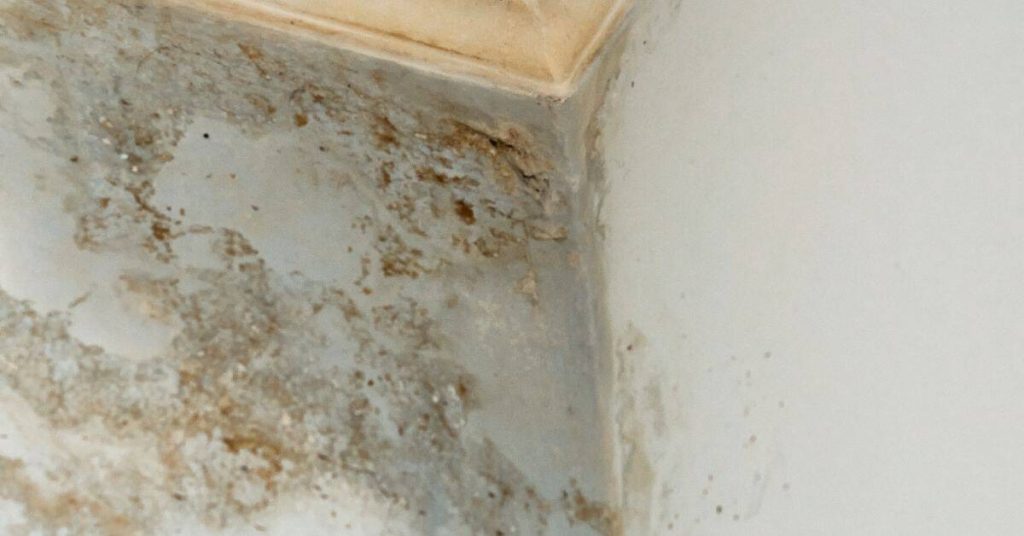
After mold remediation, it’s crucial to ensure surfaces are thoroughly dry before repainting. Residual moisture can wreak havoc on your paint job and encourage recurrent mold growth.
Moisture left behind can cause peeling, bubbling, or discoloration of your new paint. It also provides a perfect environment for mold spores to thrive, leading to another infestation.
Visible dryness isn’t enough. You need to measure moisture levels to ensure they’re within acceptable ranges. Both the remediation contractor and paint manufacturer have guidelines on this.
Remember: Moisture feeds mold. If you don’t dry out surfaces properly, your hard work will be for nothing.
How to verify dryness (what to measure and who signs off)
To confirm surfaces are dry enough for painting, use moisture meters or hygrometers. These tools provide accurate readings of moisture levels in materials.
Here’s how to proceed:
– Check the remediation contractor’s report for their drying targets.
– Consult the paint manufacturer’s guidelines for acceptable moisture levels before painting.
– Measure moisture levels using your chosen tool and compare results with both sets of guidelines.
If readings are within acceptable ranges, you’re good to go. If not, continue drying until they are. In some cases, a third-party inspector might be needed to sign off on the dryness.
Note: Always double-check with your remediation contractor and paint manufacturer’s guidelines. They know their products best.
Moisture Measurement Methods and Acceptance Criteria
Different meters and tests suit different jobs: pin meters measure near-surface moisture where pins contact, pinless meters scan a broader near-surface area, and relative-humidity probe tests read in-assembly moisture by measuring equilibrium conditions inside a sealed chamber or borehole. Each method has limits and calibration needs, so consult the meter manual and the paint manufacturer’s accepted testing methods.
Hygrometers used for ambient monitoring help assess drying conditions but don’t replace substrate-specific tests; acceptance criteria should come from the remediation report and the coating manufacturer’s guidance. When in doubt, document multiple test types and locations and ask product technical support which readings they accept for warranty purposes.
Surface versus in-depth measurements
When measuring moisture, it’s crucial to understand that some tools read surface moisture while others assess internal moisture. Using the wrong tool can lead to false negatives.
Spot meters and pinless meters are surface readers. They’re quick and easy to use but might not detect deeper moisture issues. Use them for initial checks or when you suspect a surface problem.
RH/probe tests and hygrometers, on the other hand, measure internal moisture. They’re more invasive but can provide accurate readings deep within materials. Use these when you need to verify dryness after remediation or in hard-to-reach areas.
Interpreting results and establishing acceptance criteria
Once you’ve taken moisture readings, it’s essential to interpret the results correctly. Don’t guess; use established thresholds.
First, check with your remediation contractor or product data sheets for manufacturer-specified acceptance targets. These are usually expressed as a percentage of relative humidity (RH) or moisture content by weight (MC).
If no specific numbers are provided, a common target is 16% MC or 70% RH for wood-based materials. However, this can vary depending on the material and situation.
Always document your targets and keep records of readings to ensure you’re within acceptable limits before repainting.
Substrate-Specific Drying and Prep Considerations
Drying behavior varies: drywall can trap moisture in joint compounds, wood absorbs and releases moisture slowly, masonry can hold salts, metal requires corrosion checks, and tile assemblies may hide moisture behind grout. For each substrate, verify dryness using suitable tests and inspect for salt deposits, staining, or structural softening as indicated by the remediation notes.
Address substrate damage before painting—replace or repair degraded drywall, stabilize or dry wood, remove efflorescence from masonry, and treat or clean metal corrosion per product guidance. If you’re unsure about hidden contamination or salt, follow the remediation recommendations or check the manufacturer instructions for compatible primers and treatments.
Porous materials (drywall, wood, plaster)
Material choice plays a big role in how well your paint job turns out. Porous materials like drywall, wood, and plaster absorb moisture, which can lead to issues if not properly addressed.
- Drywall: Retains moisture, may need replacement of affected sheets. Look for green board with mold-resistant facing. Avoid painting until it’s bone-dry.
- Wood: Holds onto moisture, can warp or crack if not dried properly. Use exterior-grade plywood or OSB rated for your climate. Allow to dry fully before painting.
- Plaster: Absorbs water, may need replacement of damaged areas. Look for Class A fire-rated plaster with mold inhibitors. Ensure it’s completely dry before priming and painting.
Dense or non-porous surfaces (metal, tile, glazed brick)
Non-porous surfaces like metal, tile, and glazed brick dry faster but can have salt or residue issues that affect paint adhesion. Proper cleaning and preparation are crucial.
Metal: Can develop a white powdery residue (rust) if not properly prepared. Clean with a wire brush, remove rust, then prime with a metal-specific primer to seal and promote adhesion.
Tile: May have salt deposits or efflorescence that need to be removed before painting. Use an etching solution to clean the surface and improve paint bond. Avoid painting until all residue is gone.
Glazed Brick: Can have a slick surface that doesn’t hold paint well. Etch with a brick acid solution, rinse thoroughly, and allow to dry completely before painting.
Surface Preparation After Remediation
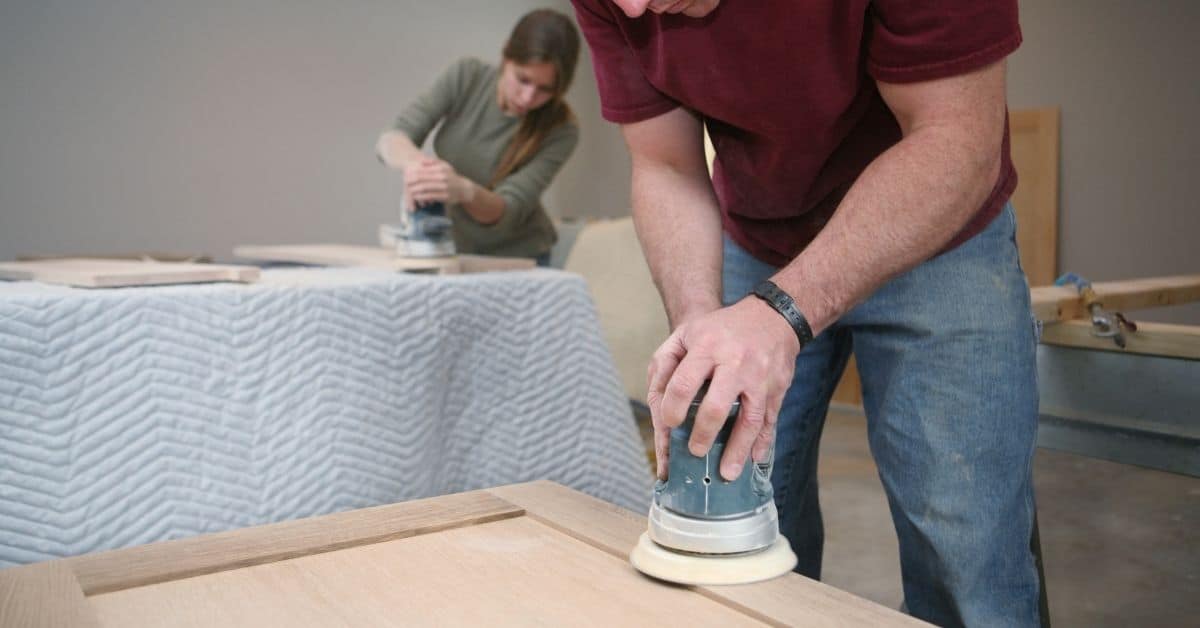
Start with cleaning biological residue using the cleaning method specified in the remediation plan and rinse thoroughly; next, remove loose paint, dust, and compromised material down to a sound substrate. Repair holes, soft areas, and adhesive failures so the surface is structurally sound and flat for primer adhesion.
Allow cleaned surfaces to dry to the levels the coating manufacturer requires and perform a final inspection with the agreed moisture test methods. If residue, salts, or discoloration remain, follow manufacturer or remediation instructions for additional cleaning, neutralizing, or replacing the substrate before priming.
Cleaning methods that are safe post-remediation
After mold remediation, it’s crucial to clean the area thoroughly before repainting. Use a mild detergent or an antimicrobial product approved for painted surfaces. Never use bleach as it can damage porous materials and create harmful fumes.
Rinse the surface well with clean water to remove all residue. Ensure you allow the surface to dry completely before applying any primer. Rushing this step can lead to trapped moisture, encouraging mold growth under your new paint.
Repairing and replacing compromised materials
Before repainting, you must address any damaged or compromised materials. The right material choices will ensure a long-lasting, effective paint job.
- Drywall with mold stains: Lightly sand the area to remove any remaining mold and apply a stain-blocking primer before painting.
- Wet or damaged drywall: Replace it with new drywall. Look for moisture-resistant options if the area is prone to dampness. Avoid using regular drywall in these areas as it can swell and crack.
- Wood with rot: Replace the affected pieces with pressure-treated lumber or composite materials rated for outdoor use. Ensure all cuts are clean and smooth to prevent water from collecting.
- Insulation with mold: Remove and replace with new insulation. Consider using closed-cell foam insulation in areas prone to moisture as it provides a better barrier against water intrusion.
- Cracked or damaged surfaces: Repair using appropriate materials like joint compound for drywall, wood filler for wood, or mortar for masonry. Ensure the repair is sound and clean before priming.
Choosing Primers for Post-Remediation Projects
Primers post-remediation can block stains, improve adhesion, seal residual contaminants, and act as a barrier against salts or tannins; pick a primer whose functions match the remediation conditions and substrate. Review the primer product data sheet to confirm it is recommended for stain blocking, adhesion to your substrate, and compatibility with the finish paint.
Consider primer chemistry relative to substrate and residual conditions—use alkali-resistant products for masonry with salts, solvent- or acrylic-based primers as recommended for wood or drywall, and corrosion-inhibitive primers for metal when indicated. If unsure which chemistry to choose, consult the manufacturer technical data or remediation contractor for compatibility and warranty implications.
Stain-blocking and odor-sealing primers
After mold remediation, stains and odors can linger. Stain-blocking primers step in here. They’re designed to seal these issues before you apply your topcoat.
Check with manufacturers. Not all stain-blockers are created equal. Some are rated for post-mold staining or odor lock-in, others aren’t. Always confirm.
These primers work by forming a barrier that prevents stains and odors from bleeding through to your topc