
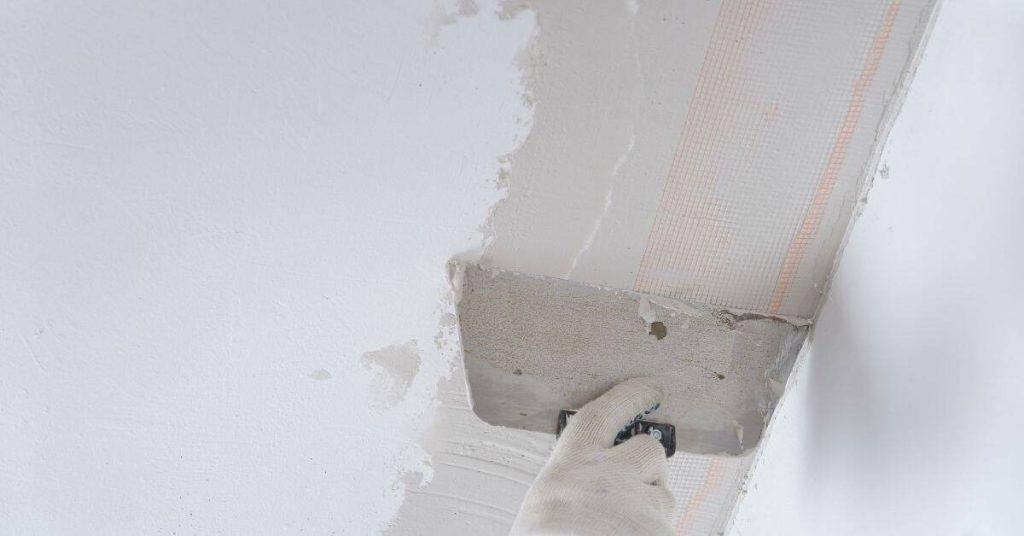
Introduction
You can plaster over painted masonry only when the existing paint, the masonry behind it, and the exact plaster system are all suitable. Cleaning alone does not make a weak, chalking, damp, or incompatible coating safe to cover: the new work can bond only as well as the paint and masonry beneath it.
Choose the plaster system first. Then use only the substrate preparation and bonding product that its current instructions approve. A small, representative test patch is the practical check before committing to the full wall.
Key takeaways
Table of Contents
- Introduction
- Key takeaways
- When to Plaster over Painted Masonry — Scope and Feasibility
- Assessment and Planning Before Decontamination
- Step-by-Step Decontamination Process
- Surface Preparation and Substrate Repairs
- Product Details, Shelf Life, and Storage Conditions
- Practical Next Steps and Trusted Sources
- Plaster Application Techniques and Curing
- Troubleshooting, Common Issues, and Avoiding Mistakes
- Conclusion
- FAQ
- Do not plaster over loose, flaking, chalking, water-soluble, contaminated, damp, salt-contaminated, or failed paint.
- Find and correct the source of moisture before covering masonry; a meter reading alone is not a pass/fail test.
- Remove failed paint back to sound edges, repair what the removal exposes, then clean and prepare the substrate again.
- Use the bonding product, plaster mix, coat build-up, and curing instructions approved for the selected system—not generic PVA, SBR, or primer advice.
- Prepare and evaluate a full-system test patch before plastering the wall.
When to Plaster Over Painted Masonry — Scope and Feasibility
Proceed only if the masonry is sound, the moisture condition meets the selected system’s instructions, and the plaster manufacturer permits application over the existing coating or its specified prepared condition. For example, USG requires a structurally sound surface free of loose paint, dust, dirt, grease, wax, mildew, rust, and efflorescence; it also calls for glossy paint to be dulled and does not accept water-soluble coatings. Read the plaster bonder data sheet for the complete product-specific limits.
Stop and do not plaster over the paint when it is loose, peeling, blistered, chalking, glossy without an approved preparation method, or fails a scrape, tape, adhesion, or test-patch check. Also stop for active or unexplained dampness, efflorescence, oil, grease, wax, mildew, waterproofing or bituminous coatings, damaged masonry, or a system that does not explicitly allow the substrate.
What to inspect first
- Masonry and joints: Look for cracks, open joints, spalls, hollow render, friable brick, and movement. Structural cracks and widespread deterioration need assessment before cosmetic work.
- Paint: Scrape inconspicuous areas. Tape-pull or cross-hatch tests can reveal lifting, but follow the plaster manufacturer’s test method where one is given.
- Moisture and salts: Check gutters, downspouts, grading, flashings, plumbing, cracks, ground contact, and condensation. White deposits or recurring damp marks require source correction, not concealment.
- Coating hazards: Determine the wall age and paint history before sanding, grinding, or stripping. In U.S. pre-1978 housing and child-occupied facilities, lead-safe requirements may apply unless the paint is appropriately documented as lead-free.
Meter readings can help compare areas, but masonry composition, salts, temperature, and the instrument affect the result. Use them to support an investigation; do not rely on a universal numerical threshold.
Assessment and Planning Before Decontamination
“Decontamination” means removing bond-inhibiting dust, oils, grease, mildew, salts, and stripper residue. It is separate from deciding whether the paint film itself can remain. Cleaning cannot stabilize unsound paint.
Plan the system and work area
Identify the masonry type, whether the wall is interior or exterior, the paint condition, likely moisture path, and the exact plaster system you intend to use. Obtain the current instructions for its bonding product, mixing water, permitted substrate, coat sequence, thickness, reinforcement, temperature limits, and curing protection. Do not add PVA, SBR, or any other admixture unless those instructions expressly permit it.
Set containment before disturbing paint. Keep dust, chips, wash water, children, pets, and belongings out of the work area. Prefer wet methods where appropriate and tools with shrouds and dust extraction. Do not dry sweep or blow masonry dust with compressed air; silica work requires effective exposure controls and housekeeping that does not put dust back into the air, as outlined in OSHA’s crystalline silica enforcement guidance.
Tools, materials, and PPE
- Scrapers and stiff-bristled brushes; an approved low-dust removal or profiling tool only if needed.
- Cleaner, degreaser, or stripper approved for the identified contaminant and masonry; clean water and containers for the label-specified cleanup.
- Compatible repair mortar or patching material, the approved bonding product, and the selected plaster system.
- HEPA vacuum where hazardous or fine dust is present; sheets and containers for chips, debris, and wastewater.
- Safety glasses, suitable gloves, protective clothing, and respiratory protection appropriate to the dust or chemical hazard and its instructions.
Step-by-Step Decontamination Process
Step-by-Step Process
- Make the area safe. Isolate the work, protect adjacent surfaces, and set up the PPE, ventilation, dust control, and waste handling required by the paint-removal and plaster products.
- Investigate moisture. Trace leaks, drainage problems, rising damp, plumbing faults, condensation, or vapor migration. Correct the cause and allow the wall to reach the condition specified by the plaster system.
- Test the coating. Scrape and tape-test representative areas, including the poorest-looking and smoothest areas. Mark failures.
- Remove failed material. Take loose paint, weak render, salts, and friable masonry back beyond the visible failure to stable edges. If sound paint remains and the system permits it, prepare it only by the approved method.
- Clean contaminants. Start with the least aggressive method that removes the identified soil without damaging masonry. Brush or wash as the cleaner and system permit; do not use uncontrolled pressure washing that can damage masonry, drive in water, or spread contaminated wastewater.
- Remove stripper residue correctly. Follow the exact label for dwell time, removal, rinsing, or neutralization. Do not assume every stripper needs neutralizing: some products specify water rinsing and no neutralizer, as shown in the SafStrip product instructions.
- Repair and recheck. Repair exposed defects with compatible materials, remove dust, and confirm the surface is clean, sound, and within the bonding product’s stated conditions.
- Apply the approved bonding system and make a test patch. Use the real materials, preparation, and intended coat thickness. Evaluate it after the full manufacturer-stated curing period before proceeding.
Paint removal and profiling
Select the least aggressive approved method. Do not prescribe a universal sandpaper grit, blasting pressure, or removal technique: brick hardness, mortar condition, paint type, lead and silica risk, and the required profile all vary. Abrasive blasting is not routine DIY preparation; it needs competent equipment selection, containment, respiratory protection, and dust control.
If a coating fails, extend removal until the remaining edge is genuinely stable. Removal may expose eroded brick, open joints, cracks, old waterproofing, hollow render, or salts. Address those conditions before any bonding product goes on.
Surface Preparation and Substrate Repairs
Repair cracks, voids, spalls, and deteriorated joints before plastering. Use a repair material compatible with the masonry and final plaster system. Do not bridge active movement or structural cracking with plaster; obtain professional advice first. Related guidance: Salts in Masonry Plaster: Efflorescence, Spalling, and Compatible Repair Materials.
Bonding agents and primers
Do not select PVA, SBR, latex primer, or a generic “bonding agent” by habit. These products have different permitted substrates and exposure limits. Select the plaster first, then use only the product and application method named or approved in that system’s instructions. Apply it as a continuous film or key only if the data sheet calls for one, and plaster within its specified application window.
Test-patch acceptance check
Choose a representative section that includes the least absorbent or worst-looking area. Prepare it exactly as planned for the full wall, apply the specified bonding product and plaster at the intended thickness, and let it dry or cure for the full stated period. Inspect for edge lift, blistering, cracking, powdering, moisture staining, hollow sound, or debonding. Use the manufacturer’s adhesion test if one is specified.
If the patch or a tape/scrape test fails, stop. Remove failed coating or plaster to sound edges, repair the exposed substrate, clean again, and repeat the patch. Repeated failure means the preparation or system is unsuitable and needs manufacturer or professional input.
Product Details, Shelf Life, and Storage Conditions
Before use, read the current label and technical data sheet for every cleaner, stripper, repair mortar, bonding product, and plaster. Confirm substrate compatibility, preparation method, mixing ratio, working time, coat sequence, cleanup, storage, and protection requirements.
Use products only within the shelf life and storage conditions printed for that product. Do not rely on a general unopened or opened-container life. Reject material that has frozen when it must not freeze, separated beyond the manufacturer’s remedy, skinned over, hardened, or become contaminated.
Practical Next Steps and Trusted Sources
Before mixing plaster, make a final quality-control pass: the wall must be structurally sound; failed coatings and weak material must be removed; repairs must be complete; contaminants and dust must be gone; the moisture source must be corrected; and the test patch must have passed. Confirm that the bonding treatment is continuous where the selected product requires it.
For lead-painted surfaces, contain chips, dust, and wastewater rather than allowing them to leave the work zone. EPA’s pressure-washing containment guidance explains why water-based preparation also requires containment planning. Dispose of debris and wash water according to applicable product instructions and local rules.
Plaster Application Techniques and Curing
After the patch passes, mix and apply the selected plaster exactly as its manufacturer specifies. That includes water ratio, mixing method, coat build-up, reinforcement, thickness, trowel technique, recoat timing, and any permitted admixture. Do not substitute a cement-lime, lime, gypsum, or polymer-modified system simply because it is available.
Apply only when the substrate and weather conditions meet the system’s stated limits. Protect fresh plaster from rain, freezing, direct sun, wind, and excessively rapid drying as instructed. Do not mist, cover, or use a curing aid unless the selected system specifically calls for that method; generic drying times, temperatures, and humidity targets are not reliable across plaster products or wall conditions.
After each coat, look for uniform adhesion and for early cracking, blistering, hollow areas, or staining. Stop before the next coat if defects appear and diagnose the cause rather than burying the problem.
Troubleshooting, Common Issues, and Avoiding Mistakes
Common adhesion failures and fixes
- Paint comes off with the test patch: The paint is the weak layer. Remove it to stable edges or use a different manufacturer-approved system; primer is not a fix for failing paint.
- Blisters, damp marks, or efflorescence: Stop and find the moisture or salt source. Remove affected material as needed, correct the source, and allow the wall to reach the specified condition before retesting.
- Hollow sound or delamination: Remove loose plaster and coating. Check for dust, glossy paint, inadequate profile, incompatible products, or weak masonry before rebuilding the area.
- Powdering or poor bond after stripping: Residue or weakened masonry may remain. Repeat cleaning using the stripper’s specified method, repair friable material, and make a new test patch.
- Cracking: Check for movement, incorrect coat build-up, rapid drying, or unsuitable repair materials. Do not assume a finish coat will solve an active crack.
Avoiding Mistakes in the Decontamination Stage
- Cleaning without removing loose or chalking paint.
- Pressure washing, dry sanding, grinding, or blasting without appropriate containment and dust control.
- Neutralizing, rinsing, or mixing chemicals contrary to the stripper label.
- Covering salts or active dampness instead of correcting the moisture path.
- Using a generic PVA/SBR mix, vapor barrier, or curing aid without system approval.
- Skipping the test patch or judging it while only surface-dry.
When to hire a professional
- Suspected lead paint requiring regulated or lead-safe work, asbestos-containing materials, or uncertain hazardous coatings.
- Structural movement, extensive spalling, widespread hollow render,