
Introduction
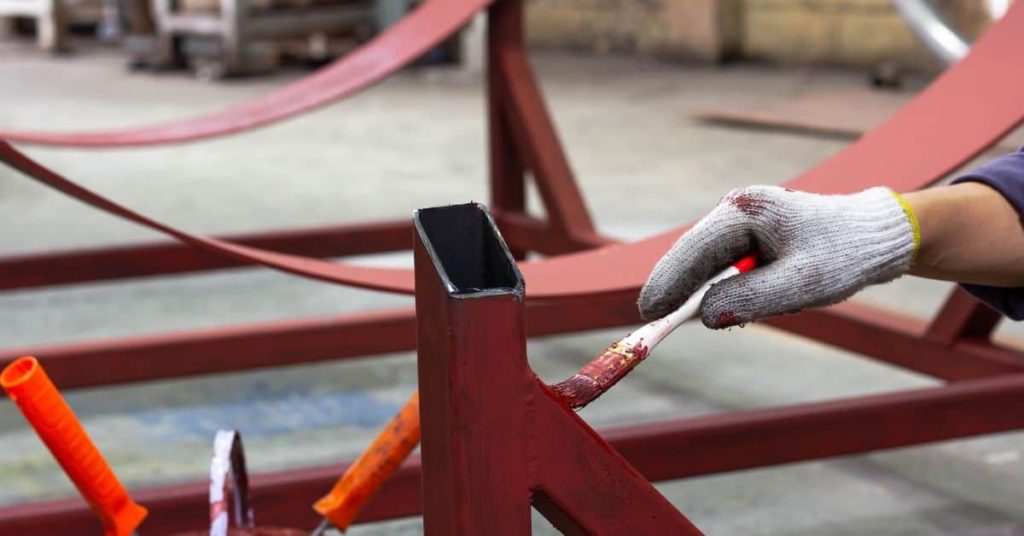
Plaster delamination after painting is when the painted surface loses adhesion and the plaster layer peels or flakes away from the wall. It often points to issues with the primer, the presence of moisture, or salt-related damage behind the paint. Look for peeling edges, bubbling, or a chalky feel as you inspect the area.
To diagnose, check whether the primer coat looks compromised or incompatible with the plaster, test for moisture by feeling damp spots or using a simple moisture check near windows, corners, and leaks, and look for salt efflorescence as a powdery white residue. Use the product labels and manufacturer instructions to verify compatibility, and follow local rules or guidance if you see persistent moisture or salt indicators. If in doubt, focus on realistic fixes like improving ventilation, addressing leaks, and choosing a compatible primer and plaster repair approach.
Key takeaways
- Check for flaky paint edges and bubbled plaster indicating improper adhesion.
- Identify bad primer by peeling skin with smooth underlayer and staining.
- Test moisture with a reputable meter; higher levels signal hidden damp.
- Salt efflorescence shows white crystalline deposits; inspect exterior openings and joints.
- Never ignore persistent moisture; consult a professional before attempting repairs.
- Contain leak sources immediately; isolate damaged area and ventilate to dry safely.
Table of Contents
- Introduction
- Key takeaways
- Quick Visual Checkpoints and Initial Triage
- How Bad Primer Application Causes Delamination
- How Moisture Causes Plaster to Delaminate
- How Salts (Salt Petre / Hygroscopic Salts) Cause Problems
- Step-by-Step Diagnostic Tests and Tools
- Safe Inspection Practices and Immediate Containment
- Repair Options: Short-Term Fixes Vs Permanent Remediation
- Tools, Materials Checklist and Material Specs Explained
- Conclusion
- FAQ
Quick Visual Checkpoints and Initial Triage
On site, start with a quick visual audit of the wall surface. Look for flaky plaster, water stains, salt efflorescence, paint that lifts or bubbles, and any mold hotspots. Note the room conditions such as humidity and temperature in the area you’re assessing.
Next, check for active moisture and water sources. Look for leaks, damp patches on walls, and signs of roof or plumbing faults. Consider recent weather that could have affected the area and decide if moisture is ongoing or intermittent before moving forward.
Visual signs that indicate delamination
Before you start poking and prodding, use this visual checklist to identify potential issues.
- Flaking or peeling plaster: Small pieces falling off the wall. If ignored, it may worsen and lead to larger chunks breaking off.
- Water stains: Dark spots or patches on the wall. They could indicate moisture problems behind the plaster.
- Salt efflorescence: White, powdery deposits. This is a sign of excess moisture and salt buildup.
- Paint bubbling: Blisters under the paint surface. It might be due to trapped moisture or poor adhesion.
- Mold hotspots: Dark, fuzzy patches. Mold growth indicates high humidity levels.
- Cracking patterns: Hairline cracks or larger fissures. They could signal deep substrate problems.
- Powdering plaster: Fine dust-like particles when touched. It suggests the plaster is crumbling from within.
- Incompatible coatings: Sealants, silicone paints, or other incompatible materials on the surface. They may cause adhesion issues.
Quick rule: If you spot any of these signs, don’t ignore them. Addressing them early can prevent costly repairs later.
Simple tactile and sound tests
After your visual check, use these hands-on techniques to confirm delamination.
- Gentle finger tap test: Gently tap the wall. A hollow or dull sound may indicate loose plaster.
- Scrape test: Lightly scrape the surface with a coin or nail. If plaster comes off easily, it’s delaminating.
- Gentle probing: Use a flathead screwdriver to gently probe cracks. If it goes in too easily, there might be deep detachment.
- Listen for hollow spots: Tap the wall and listen closely. A hollow sound indicates a void behind the plaster.
- Check edges: Inspect where walls meet ceilings or floors. Crumbling edges could signal serious problems.
Quick rule: If you find any loose spots, don’t apply new paint. It will only temporarily hide the problem and make it worse to fix later.
When to secure the area and document damage
Before you start any repairs, follow these steps to prevent further damage and document the affected areas.
- Photograph affected zones: Take pictures of all damaged areas. They’ll serve as a record for insurance claims or future reference.
- Map out affected zones: Sketch or mark out where the damage is on the wall. It helps track progress during repairs.
- Contain loose plaster: Use tape or plastic sheets to contain any loose pieces and prevent them from falling off.
- Ventilate the area: Open windows or use fans to improve air circulation. This can help reduce moisture levels.
- Temporary containment: If necessary, use tarps or plastic sheets to cover larger areas and prevent further damage.
Quick rule: The sooner you secure the area and document the damage, the better. It helps prevent further deterioration and provides a record for any future claims.
How Bad Primer Application Causes Delamination
Primer choice and compatibility matter for plaster adhesion. Mismatched primer types or primers not designed for plaster or cement substrates can weaken bonding. Look for signs of poor adhesion that point to primer issues, such as edges peeling away or a matte, lifeless surface.
Prepare the surface properly before painting. Cleaning, dust removal, and removing laitance help the plaster stay sound. Confirm the substrate is dry, solid, and free of crumbling patches before continuing.
Common primer application errors
Avoid these common mistakes when applying primer to prevent delamination.
- Wrong primer selection: Using a primer not designed for plaster or cement substrates can lead to poor adhesion. Always choose a primer specifically made for your surface type.
- Insufficient surface preparation: A dirty, dusty, or damp surface won’t bond well with the primer. Ensure your surface is clean, dry, and free of debris before applying.
- Over-thinning: Thinning the primer too much reduces its bonding strength. Follow the manufacturer’s instructions for mixing ratios to maintain optimal performance.
- Poor coverage: Inadequate primer coverage leaves areas susceptible to delamination. Apply primer evenly and generously, ensuring full surface coverage.
- Premature painting: Painting over wet primer prevents proper adhesion and curing. Allow the primer to dry completely before applying any topcoats.
Avoid these pitfalls for a strong, lasting bond between your plaster and paint.
Compatibility and adhesion issues
The right primer is only half the battle. Ensuring compatibility with both the plaster substrate and topcoats is crucial for good adhesion.
Non-breathable primers: Using a non-breathable primer on plaster can trap moisture, leading to delamination over time. Opt for breathable primers that allow moisture to escape.
Chemically incompatible layers: Applying a topcoat that’s chemically incompatible with the primer can result in poor adhesion. Ensure all products used are compatible and designed to work together.
Properly matching your primer, plaster, and topcoats is essential for long-lasting results.
Visual clues that point to primer failure
Inspect the delaminating area closely for these signs of primer-related issues.
Surface-limited delamination: If paint is peeling off in large sheets or chunks, it’s a sign that the primer didn’t bond well with the plaster surface. This indicates a problem with the primer application rather than moisture or salt intrusion.
Uniform peeling patterns: Delamination occurring uniformly across the entire painted area suggests an issue with the primer itself, such as incompatibility or improper curing.
Intact substrate behind the failed layer: If the plaster surface beneath the delaminating paint appears sound and undamaged, it’s a strong indication that the problem lies with the primer or topcoat application rather than underlying structural issues.
How Moisture Causes Plaster to Delaminate
Liquid water and high humidity undermine adhesion by softening binders and the plaster matrix. Water movement through capillaries or leaks can create a slip between layers, inviting delamination. Observe how dampness affects texture and tack along edges and joints.
Track moisture pathways and entry points, such as rising damp, condensation, or hidden leaks. Visual cues include dark patches, banded peeling, and occasional salt crusts. Use simple moisture checks and observe patterns across the wall height.
Sources of moisture to check
First, look for water entry points. Rising damp is a common culprit. Check if your damp-proof course has been breached or isn’t there at all.
Leaks from above can cause trouble too. Inspect the roof and plumbing. Even a tiny leak can lead to big problems over time.
Condensation happens when warm, moist air hits cold surfaces. It’s often found in bathrooms, kitchens, or poorly ventilated areas.
Bridging from external walls due to poor construction or damage can also let moisture in. Check for gaps, cracks, or missing mortar.
How moisture affects plaster structure
Moisture weakens plaster by dissolving binders and softening the matrix. It’s like watching a sandcastle at high tide.
Wet-dry cycles make things worse. Plaster swells when wet, shrinks when dry. This movement causes stress, leading to separation.
Moisture can also cause layers to lose cohesion. Think of it as the glue holding your plaster together losing its stickiness.
This sets the stage for delamination – when the plaster starts peeling off like wallpaper that’s been left in the bath too long.
Indicators of moisture-driven failure
Moisture leaves clues. Look for tide marks – those telltale stains that show where water has risen and fallen.
Damp staining is another giveaway. It could be yellow, brown, or greenish, depending on what’s in the water.
Mold, mildew, or algae growth at lower levels are sure signs of moisture. They thrive in damp conditions and further weaken plaster adhesion.
Salt migration can also indicate moisture issues. You might see white, crusty deposits on walls or ceilings. And don’t forget to use a moisture meter. It’s like a metal detector for water in your walls.
How Salts (Salt Petre / Hygroscopic Salts) Cause Problems
Salts migrate into plaster with moisture and can crystallize inside pores. This crystallization exerts pressure that leads to micro-cracking and paint delamination. Look for signs that correlate with salt movement, such as powdery residues around edges and texture changes near the surface.
Differentiate salt issues from pure moisture or primer problems by noting efflorescence patterns and salt-related staining. Document where salts appear most and compare with humidity levels and moisture readings to plan remediation.
Typical salt sources and migration paths
Salts can find their way into your plasterwork from various sources. Ground salts, sea spray, or de-icing salts used on nearby roads can all be culprits. Contaminated render or masonry, or previous cement repairs using salty materials can also cause issues.
Moisture plays a crucial role in transporting these soluble salts into the plaster and paint layers. It moves through capillary action, rising damp, or vapor flux, picking up salts along the way. Once moisture evaporates, it leaves behind salt deposits that can cause problems later on.
Signs of salt activity
Salt activity in your plasterwork isn’t always obvious at first. But keep an eye out for these telltale signs: white efflorescence, which is a powdery white deposit on the surface; powdering, where the plaster feels like sandpaper to touch; recurring flaking even after the area has dried; and distinctive crystallization patterns.
Efflorescence often appears as a map of salt deposits, with more intense activity in areas where salts are concentrated. If you notice any of these signs, it’s time to investigate further.
Why salts differ from simple moisture problems
While moisture can cause plaster delamination on its own, salt-related issues are a different beast. Here’s why: salts continue to damage even after surfaces dry. Once they’re in the pores of your plaster, they’ll keep causing trouble until you address the problem at its source.
Here’s how it works: salts crystallize within the pores of the plaster as moisture evaporates. These crystals exert pressure, leading to micro-cracking, powdering, and eventually, paint delamination. Even if you manage to dry out the area, the salts will still be there, waiting for the next bout of moisture to cause more damage.
That’s why salt-specific remediation is often necessary before redecoration. You’ll need to deal with the salt problem first, or it’ll just keep coming back to haunt you.
Step-by-Step Diagnostic Tests and Tools
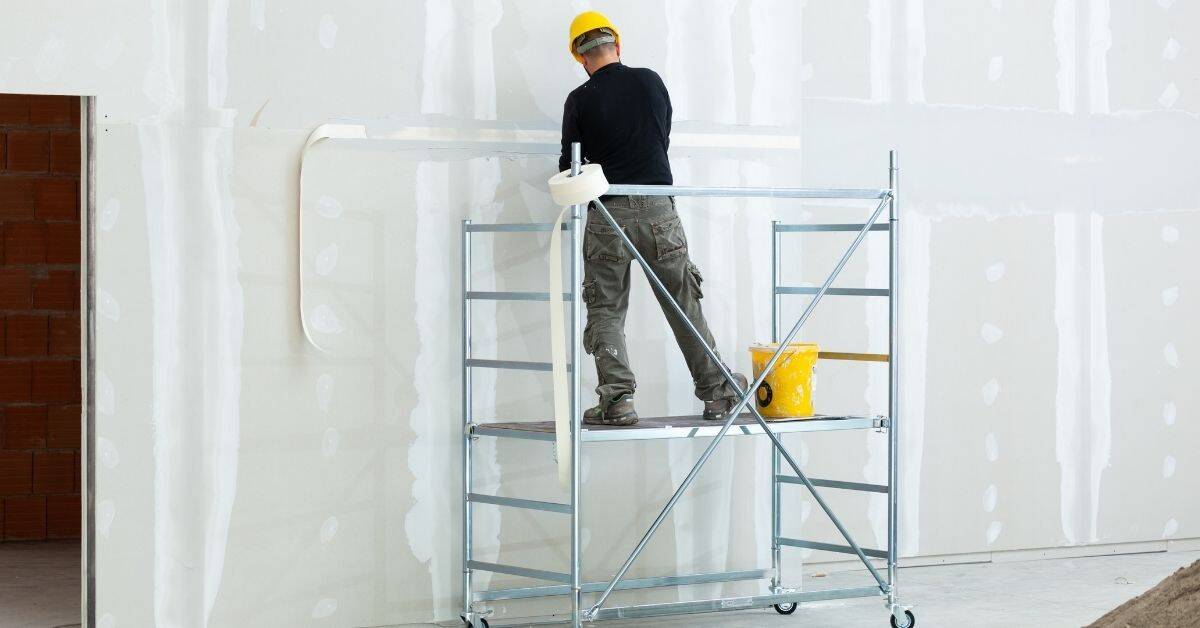
Start with a focused, non-destructive diagnostic flow to separate primer failure, moisture intrusion, and salt issues. Use simple, on-site indicators to guide the next steps. Set clear decision points to determine when to test further or escalate.
Assemble a practical toolkit of non-destructive tools and surface checks. Record readings and correlate them with observed delamination patterns and environmental conditions. Use these results to decide on patching, priming, or professional assessment needs.
Step-by-Step Process
Follow these practical steps to diagnose the cause of plaster delamination after painting. Safety and preparation are key, followed by non-destructive tests, and ending with documentation.
- Preparation: Ensure safety – turn off power, clear area. Gather tools (moisture meter, hygrometer, salt/pH indicators).
- Initial Visual Inspection: Check for delamination patterns, staining, efflorescence, or powdery residues.
- Moisture Testing: Use moisture meter to scan walls. Look for localized or widespread trends.
- Salt/PH Testing: Apply salt/pH indicators on suspected areas. Wait for color change.
- Documentation & Next Steps: Record findings, take photos, note environmental conditions. Plan remediation based on root cause.
Tools and quick tests to use on-site
Use these tools for quick, non-destructive testing on your plaster walls.
- Visual Inspection: Free, look for delamination patterns, staining, efflorescence.
- Moisture Meter (around $20-$100): Measures moisture content in materials. Calibrate before use.
- Borescope/Photo Mapping (optional, around $50-$300): Inspect hidden areas without damaging plaster.
- Adhesive Pull-Off Tests (around $10-$50 per test): Check primer adhesion. Requires specialized equipment.
- Salt Test Swabs/Tape Lifts (around $10-$30): Detect salt residues. Apply, wait, then remove for analysis.
Interpreting test results for cause identification
Reading moisture trends and localized patterns can help identify the root cause of delamination. High moisture content (>15%) in localized areas may indicate a leak or intrusion point.
Widespread moisture trends could suggest rising damp or condensation issues. Salt residues or cohesive failure patterns point to salt activity, which differs from simple moisture problems.
Note: Moisture meters and salt tests have thresholds and limitations. Use results as guides, not definitive answers.
When intrusive investigation is justified
Opening plaster for core sampling or lab analysis should be a last resort due to potential damage. However, it’s necessary when non-destructive tests are inconclusive or indicate severe issues.
Signs include widespread delamination, extensive efflorescence, or high moisture content (>20%) in multiple areas. Consult a conservator or qualified surveyor for complex cases.
Warning: Intrusive investigation can cause permanent damage if not done correctly. Always consider the risks and benefits before proceeding.
Safe Inspection Practices and Immediate Containment
Begin with a quick safety risk assessment: PPE, potential hazards, and area isolation. Define clear exclusion zones for occupants and pets during the inspection. Keep the focus on non-invasive checks first.
Contain the affected area to stop further damage. Use plastic sheeting, tape, and barriers to control dust and airflow. Address moisture sources safely to prevent spreading while you plan repairs.
Safety precautions during diagnosis
Before you start inspecting, ensure your safety and prevent further damage.
- Wear appropriate PPE: Gloves, goggles, and a dust mask to protect from contaminants.
- Control dust: Use dampening methods like misting or spraying water to suppress dust.
- Contain contaminated debris: Seal off affected areas with plastic sheeting and tape.
- Check electrical/plumbing hazards: Turn off power at the main panel, and avoid wet electrical outlets or wires.
- Avoid disturbed plaster: Be gentle when moving around to prevent worsening delamination.
- Ventilate safely: Use fans to blow air away from uncontaminated spaces, not towards them.
- Exclude occupants/pets: Keep people and pets out of affected areas during inspection.
- Document everything: Photograph the area and note observations for your repair plan.
Quick rule: Always prioritize safety over speed. A thorough, safe inspection leads to better repairs.
Immediate steps to limit further damage
While planning repairs, take these temporary actions to halt ongoing damage.
- Seal off affected area: Use plastic sheeting and tape to isolate the damaged plaster from other rooms.
- Stop moisture sources: If accessible, shut off leaks at their source. If not, set up temporary containment.
- Ventilate controlled: Use fans to blow air out of affected rooms, preventing further moisture buildup.
- Set up dehumidification: Rent or buy a dehumidifier to remove excess moisture from the air.
- Monitor temperature: Keep temperatures above freezing to prevent ice damage in winter months.
- Avoid heat sources: Do not use space heaters or other heat sources near damaged plaster.
- Temporary repairs: If minor, apply a thin layer of primer or sealant to stabilize the surface until full repair.
- Regularly inspect: Check the area daily for new signs of damage or moisture.
Quick rule: Controlling ongoing damage is crucial. These steps buy time while planning permanent repairs.
Repair Options: Short-Term Fixes Vs Permanent Remediation
Clearly identify the root cause—primer, moisture, or salts—so the short-term fix aligns with the problem. Outline diagnostic steps and checks to determine the proper path, including surface prep and substrate condition. Use this as a guide for the repair plan.
Review the limits of cosmetic fixes and when permanent remediation is needed. Consider moisture control, salt-related repairs, and full plaster reapplication with appropriate curing guidelines. Decide between DIY tactics and professional remediation based on the findings.
Fixes for primer-related delamination
If your paint is peeling due to a bad primer, start by removing all the failed paint. Use a scraper or sandpaper to ensure you get down to a smooth surface.
Assess the substrate. If it’s sound and clean, you’re ready for priming. If not, repair any damage before proceeding.
Choose a compatible primer that suits your paint type and substrate. Apply it evenly, following the manufacturer’s instructions. Let it dry completely before painting.
Re-priming and repainting correctly will give you a durable finish. But remember, this is a short-term fix. If the original problem wasn’t addressed (like moisture or salt), delamination could recur.
Remediation for moisture-driven damage
Moisture intrusion causes plaster to fail. First, resolve the water source. Fix leaks, improve drainage, or address condensation issues.
Next, dry out the area. Use fans, dehumidifiers, or heat to speed up evaporation. Moisture testing can help monitor progress.
Repair with breathable materials that allow moisture to escape. A breathable render is ideal for concrete substrates. Re-plaster, following guidelines for a durable finish. But keep an eye on moisture levels to prevent recurrence.
This approach addresses the root cause, providing a more permanent solution than cosmetic fixes alone.
Salt remediation and redecoration approach
Salt efflorescence causes delamination. To fix this, desalinate the substrate. Use a salt-removing solution or mechanical removal methods, following safety guidelines.
Apply a sacrificial render or use salt-tolerant systems to protect your plaster from future salt damage. These allow salts to migrate out without causing delamination.
Wait for salt migration to cease before finishing. This could take weeks or months, depending on the severity of the problem and local conditions. Regularly test for salt activity during this period.
Once salts have stopped migrating, re-plaster using compatible materials and follow curing considerations for a durable finish. This approach addresses the root cause, providing long-term remediation.
Tools, Materials Checklist and Material Specs Explained
List essential DIY tools and safety gear, with a brief rationale for each related to plaster delamination work. Include surface prep tools, measuring aids, and moisture detection gear. Plan for a clean, organized work area to support accurate diagnostics.
Explain how to read datasheets in plain terms, focusing on bond strength, permeability, cure time, and temperature limits. Clarify compatibility notes for plaster, lime/cement mixes, and historical walls so you pick appropriate products. Use a simple decision flow to match conditions with products before you start.
Essential tools and consumables
Before you start, make sure you have these tools and materials to diagnose and repair your plaster delamination issue.
- Tape measure: To check wall dimensions for material quantities.
- Moisture meter: To test for dampness in walls before applying any primer or plaster. Skipping this can lead to recurring issues.
- Humidity meter: To monitor relative humidity levels, as high humidity can cause delamination.
- Hammer and cold chisel: For removing loose plaster and preparing surfaces for repair.
- Putty knife: To apply filler and primer, and to scrape off loose material.
- Safety glasses: Protect your eyes from debris during removal and repair work.
- Dust mask: To protect against inhaling plaster dust.
- Breathable coveralls: For protection against dust and chemicals.
- Primer: Choose one suitable for your wall type (new, old, damp) and expected exposure. Primer failure can cause delamination.
- Bond coat: To improve adhesion between primer and plaster. Skipping this can lead to delamination.
- Breathable plaster mix: Allows walls to breathe, preventing trapped moisture from causing further damage.
- Sealant: For sealing cracks and gaps before applying primer or plaster.
Quick rule: Always wear appropriate PPE when working with plaster and during repair work to prevent injuries and health issues.
What material datasheets should tell you
Understand these key properties from material datasheets before making your purchase.
- Bond strength: Check the adhesive power of the primer or plaster. Low bond strength can lead to delamination.
- Porosity/vapor permeability: Ensure the product allows moisture to escape, preventing trapped dampness that causes delamination.
- Alkali resistance: Important for historical walls with lime/cement mixes. Inadequate alkali resistance can cause plaster failure.
- Cure time: Consider how long the product takes to dry and cure before applying subsequent coats or redecorating.
- Working time: Check how long you have to apply the product once it’s mixed. Too short a working time can lead to wastage and poor application.
- Temperature limits: Ensure the product can be applied within your wall’s temperature range for optimal performance.
- Shelf life: Check how long the product remains usable once opened. Using expired products can cause delamination.
- Compatibility with plaster/lime/cement mixes: Ensure the primer or sealant is compatible with your wall’s existing materials to prevent delamination.
Quick rule: Always consult the manufacturer if you’re unsure about a product’s suitability for your specific application.
When to hire a specialist vs DIY
Know when to call in the professionals to avoid further damage and ensure safe, effective repairs.
- Complex moisture/salt problems: If damp or salt issues are extensive or recurring, consult a professional to diagnose and treat the root cause.
- Structural concerns: If you suspect structural damage, hire a structural engineer for assessment before proceeding with repairs.
- Heritage work: For historical buildings, consult specialists familiar with traditional materials and techniques to preserve your property’s integrity.
- Unknown or multiple causes: If you can’t pinpoint the cause of delamination after thorough investigation, hire a professional for expert diagnosis.
- Invasive investigation required: If you need to cut into walls or floors to investigate, hire a professional to ensure safety and minimize damage.
- Time constraints: If your repair needs to be done quickly, consider hiring professionals with the necessary resources to expedite the process.
Quick rule: When in doubt, err on the side of caution and consult a professional. DIY repairs can sometimes cause more harm than good if not done correctly.
Conclusion
Dealing with plaster delamination after painting comes down to safe testing, clear diagnosis, and choosing the right repair path. The right sequence protects your walls, your budget, and you finish with solid, lasting results.
Run a quick, practical check in this order: inspect visually for fresh paint over bare plaster, damp spots, or staining; set up a small, controlled test area to probe moisture and primer adhesion; confirm whether salts are present by observing hygroscopic behavior and accepting that frequent moisture or powdery residue means a remediation plan is needed; and finally decide between short-term fixes and a proper, permanent repair based on solid test results rather than guesswork.
Common mistakes to avoid are rushing repairs without confirming the root cause, skipping safety gear, and overwriting a bad patch without proper containment. Always work in dry conditions, isolate the area from dust and moisture, and test on a small area first to prevent larger damage. If you’re unsure about moisture levels, salt activity, or the extent of delamination, pause and reassess rather than push ahead with a full coat or rebuild.
When in doubt about moisture, salts, or structural integrity, or if the delamination covers a large area, call a professional for a thorough assessment and remediation plan. Stay disciplined, follow the tests, and you’ll move from diagnosis to durable repair with confidence.
FAQ
What causes plaster delamination after painting?
Delamination after painting usually comes from moisture intrusion, salts, or poor surface prep. It can also happen if the surface wasn’t clean, dry, or properly bonded before primer. Test a small area and follow manufacturer instructions to verify the right steps.
How can you identify bad primer issues?
Look for peeling or flaking paint, poor bond, or paint pulling away from edges. Check the primer label for intended substrates and drying times, and confirm you prepared the wall correctly. If unsure, strip, clean, and re-prime with a product suited to plaster and moisture conditions.
Recognizing moisture damage in walls
Watch for stains, damp patches, or a musty smell. A simple moisture test or meter can help, but treat any wall with signs of moisture as suspect until dry. Contain and dry the area as you diagnose and plan repairs.
What about salts and salt efflorescence affecting plaster?
Salts can draw moisture and push plaster away under paint. Look for a white, powdery bloom or damp areas; address by cleaning, reducing moisture, and using a primer designed for salt-prone surfaces. Follow product instructions for surface prep and sealing to prevent recurrence.
Preventive measures to avoid delamination
Fix leaks and allow full drying before painting. Use a primer suitable for plaster and any moisture risk, and keep ventilation during drying. Regularly inspect walls after wet or seasonal changes and address issues early to prevent recurrence.