
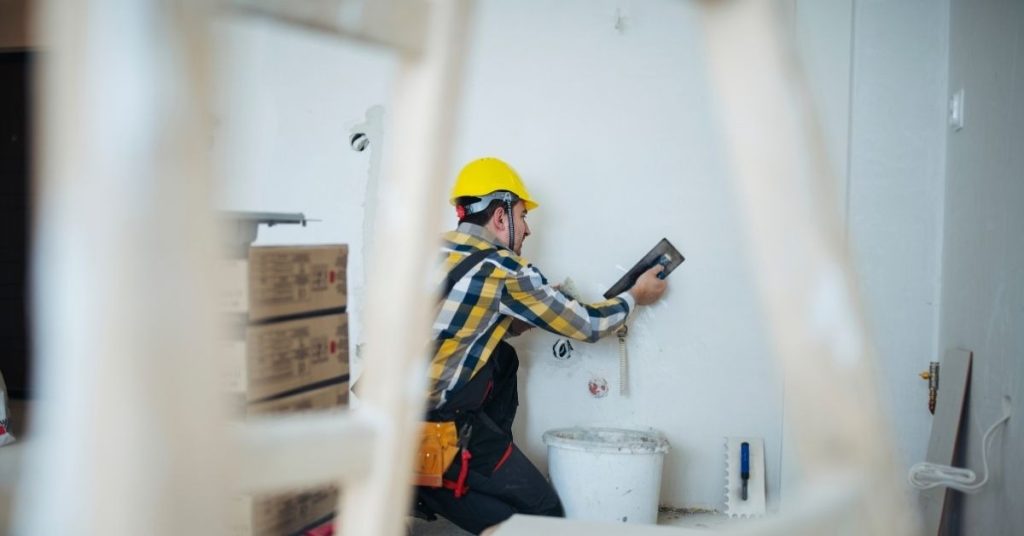
Introduction
Plaster after flooring changes is about finishing edges where the wall meets the new floor to keep things smooth and crack-free.
This topic covers baseboard edges, gaps, and how plaster behaves around different floor heights.
Stay practical and honest about what you can patch and what might need more follow-up.
Start by inspecting the baseboard area for gaps or uneven transitions and plan your patching approach.
Check the product label and manufacturer instructions for suitable plaster or patching material and bonding methods.
If you’re unsure about numbers, materials, or local guidance, verify with the label or local rules before you mix and apply.
Key takeaways
- Assess plaster finish and baseboard clearance before removing flooring or trim.
- Protect existing plaster edges with painter’s tape and soft protection during work.
- Plan crack isolation joints and movement gaps to prevent future cracking.
- Check flooring thickness and plaster edge alignment to minimize gaps.
- Use appropriate plaster skim coat technique; feather edges toward baseboard.
- Safety: disconnect power, wear eye protection, and manage dust control.
Table of Contents
- Introduction
- Key takeaways
- Why Plaster Work Matters After Flooring Changes
- Pre-Work Assessment and Measurement
- Tools and Materials Checklist
- Removing or Protecting Baseboards and Trim
- Techniques for Finishing Plaster at Baseboard Edges
- Managing Gaps Between Flooring and Plaster/Baseboard
- Crack Isolation and Movement Joints
- Repair, Skim, and Finishing Workflow After Flooring Changes
- Conclusion
- FAQ
Why Plaster Work Matters After Flooring Changes
When you change flooring, the plaster and baseboard interfaces can shift and show seams you didn’t have before. Addressing these areas now helps prevent visible gaps and misaligned edges. It also supports long-term durability by reducing movement stress at the wall finish.
Beyond aesthetics, proper detailing protects against moisture intrusion and helps the room look finished. Check that the plaster surface is clean, dry, and ready for any edge work, and verify local guidance on baseboard transitions with the manufacturer instructions if needed.
How flooring changes affect plaster, trim, and joints
When you change your flooring, especially from one type to another with different heights or expansion rates, it can put stress on the adjacent surfaces. Plaster, baseboards, and joint compounds are particularly vulnerable.
The main issues you’ll face are:
Gaps: New flooring might be thinner or thicker than the old one. This can cause gaps between the floor and the baseboard, letting in drafts and looking unsightly.
Lifting: If the new floor isn’t level, it can put pressure on the baseboards, causing them to lift away from the wall or even crack the plaster behind them.
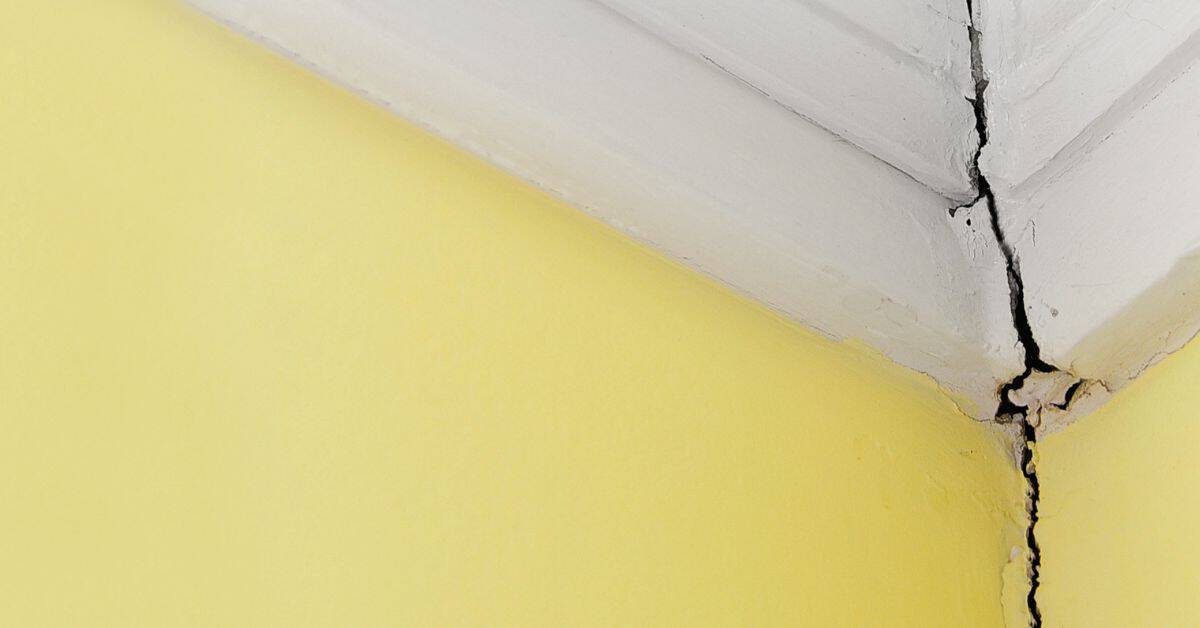
Cracks: Movement in the new flooring can transfer through the baseboards and into the plaster, leading to cracks. This is especially true if your home has settled over time.
Timing: repair now or wait
So, should you fix these issues right away or wait? It depends on a few factors:
Type of flooring: Some floors, like hardwood or laminate, can shrink and expand with changes in humidity. If you’ve installed one of these, it’s best to wait a few months to see if any movement settles down.
Severity of issues: If there are large gaps or cracks, it might be worth fixing them now to prevent further damage or pests from getting in.
Budget and time: If you’re planning other renovations soon, you might want to wait until then to tackle these repairs. But if your budget allows, it’s usually best to fix issues as they arise to maintain the value of your home.
Pre-Work Assessment and Measurement
Start with a thorough walkthrough to document baseboard condition and wall flatness. Note any bowing, cracking, or loose trim that could affect the plaster edge. Record existing gaps at the interface and how the new flooring height may change movement paths.
Use your measurements to map out where adjustments will be needed and what tools or materials will be required. If you’re unsure about movement vectors, consult product data sheets or manufacturer instructions for guidance.
Inspecting baseboards, plaster substrate, and fastenings
Start by examining the condition of your baseboards. Look for any signs of rot, warping, or poor adhesion to the wall.
Check nail/screw fastenings. Ensure they’re secure and not pulling out from the substrate. Tighten if necessary.
Inspect the plaster substrate itself. Check for cracks, holes, or other damage that could compromise its integrity.
Use a flat edge tool like a straightedge to check wall flatness. If it wobbles, you might have issues to address before proceeding.
Measuring gaps and expected movement
Begin by measuring the width of any gaps between baseboards, walls, and flooring. Note these measurements for future reference.
Check for vertical offsets or misalignments between baseboards and walls. These could indicate settling or other issues that need addressing.
Consult manufacturer recommendations. Check the allowances for movement in your flooring and building materials to ensure your expectations match reality.
Consider seasonal expansion/contraction of materials when planning your repairs. This can help prevent future issues.
Tools and Materials Checklist
Gather basic hand tools for trimming, patching, and finish work, plus protective gear for safety. Include items for plaster repair and gap filling that suit your project scale. Have a plan for clean-up and dust control as you work.
Verify that you’re using materials compatible with plaster and the flooring you installed. Always check product labels, data sheets, and local rules to confirm suitability and any application limits before you begin.
Recommended repair materials (plaster, tapes, sealants)
Use this checklist before starting any repair work to ensure you have the right materials for your job. This will help prevent costly mistakes and rework.
- Plaster Mix: Check product label for compatibility with your substrate (e.g., concrete, brick, or existing plaster). Ensure it matches the type of plaster already in use to maintain consistency.
- Reinforcing Mesh/Tape: Choose a mesh or tape that’s suitable for your repair size and wall type. For larger repairs, consider using both mesh and tape for added strength.
- Flexible Sealant: Select a sealant that’s compatible with your substrate and flooring. Check product label for suitability (e.g., silicone for tiles, acrylic for wooden surfaces).
- Plaster Sand: Ensure sand is clean, dry, and free from impurities. Check the sand-to-plaster ratio on the product label to mix correctly.
- Plaster Additives: Consider using additives (e.g., accelerators, retarders) if recommended for your specific job. Always follow manufacturer instructions.
- Primer/Backing Coat: Check if a primer or backing coat is required before applying the final plaster layer. This helps improve adhesion and prevent cracking.
- Scrim Tape: For larger repairs, use scrim tape to reinforce joints and prevent cracking. Ensure it’s compatible with your chosen plaster mix.
- Protective Clothing/Gear: While not a material, ensure you have the right gear (e.g., gloves, goggles) to protect yourself during repairs.
Quick rule: Always follow manufacturer instructions and check local building codes to ensure your chosen materials comply with regulations.
Tools, consumables, and protective supplies
Before you start any plaster edge work, make sure you have all the necessary tools and materials. Use this checklist to ensure you’re well-prepared and safe on site.
- Tape measure: Check it’s in good working condition with no damaged tape or broken spring.
- Level: Ensure it’s accurate by checking against a known straight edge. A common mistake is using an inaccurate level, leading to crooked lines.
- Straight edge (T-square): Confirm it’s straight and true. A warped or bent edge can cause uneven plaster edges.
- Utility knife: Check the blade is sharp and secure in the handle. Dull blades or loose handles can cause accidents or poor cuts.
- Plaster Hawk (mixing pan): Ensure it’s clean, undamaged, and large enough for your mixing needs.
- Plastering trowel: Check the trowel is the right size for your job. Too small can cause fatigue, too large can lead to waste or poor results.
- Plaster hawk (mixing tool): Ensure it’s clean and undamaged. A damaged hawk can cause lumps in your plaster mix.
- Safety glasses: Check they fit well and provide adequate protection. Debris in the eyes is a common injury on site.
- Dust mask: Ensure it fits properly and provides adequate protection against plaster dust. A poor-fitting mask can lead to inhalation of harmful particles.
- Work gloves: Check they provide good grip and protect your hands from cuts or abrasions. Poor gloves can cause accidents or discomfort.
Quick rule: Always check your tools before starting work to avoid costly mistakes and ensure a safe working environment.
Removing or Protecting Baseboards and Trim
Decide if removing trim cleanly will give you better access to the plaster edge. For a clean removal, use proper tools and take care to avoid damaging the wall and molding. Label or photograph pieces to facilitate reinstallation.
If you protect the trim in place, plan for masking and careful edge work to minimize overrun. Look for manufacturer guidance on removal methods and any warranty implications for the trim or wall finish.
How to remove trim without damaging plaster
Start by scoring the paint at the top and bottom of the baseboard with a utility knife. This helps prevent cracking when prying.
Use a flat pry bar, not a crowbar. Place it between the wall and the trim, then gently tap it to create space. Work your way down the length of the board.
Once loose, use a utility knife to cut through any remaining adhesive or caulk. Lift the trim off carefully. Label each piece with a number or letter as you remove it for easy reinstallation later.
Protecting and masking trim when leaving it in place
If you decide to leave the trim on, protect it with painter’s tape and a drop cloth. Tape along the top edge of the baseboard, then fold the drop cloth over it.
For service reveals, use a utility knife to score the paint at the bottom of the baseboard where you want your reveal. Then, use a pry bar to gently create space between the wall and trim. This allows access for flooring or plaster work without removing the trim.
Be careful not to damage the trim or the wall while creating your service reveals. Work slowly and carefully.
Techniques for Finishing Plaster at Baseboard Edges
Focus on creating a clean junction with reliable edge control, using appropriate scribing and reveals. Plan for consistent plaster thickness and a stable edge line where baseboard will sit. Ensure the surface is primed and ready for a final finish coat.
Align your technique with the flooring height and baseboard profile, and verify that any edge treatments won’t compromise movement tolerance. When unsure, refer to product instructions and local building codes for guidance on edges and reveals.
Scribe, reveal, and shadow-gap methods
When dealing with uneven trim or baseboards, scribing the plaster is key. This involves shaping the plaster to follow the contour of the trim.
To accommodate movement and hide variation, create a consistent reveal. This is a small gap between the plaster and trim, usually 1/8″ to 3/16″.
A shadow-gap is similar but wider, typically 1/4″ or more. It’s useful when there’s significant variation in the trim.
Feathering, rounding, and chamfering edges for paintable transitions
For a smooth paint job, feather the plaster edge. This means tapering it to a thin point so there’s no abrupt change in thickness.
Rounding or chamfering the edge can also help. This creates a curved or beveled surface that’s easier to paint and less prone to stress lines.
Use a sharp trowel or rasp tool to create these profiles. Be careful not to over-sand, as this can weaken the plaster.
Managing Gaps Between Flooring and Plaster/Baseboard
Address gaps created by the new flooring height with a plan that preserves movement and avoids direct stress on the plaster. Use appropriate fillers or trims that blend with the wall and floor line. Keep the gap treatment consistent across the run for a neat look.
Check that any gap-filling method allows for seasonal movement and doesn’t trap moisture. Verify compatibility with both plaster and flooring materials by reading labels or manufacturer notes before proceeding.
Backer materials and flexible filler selection
The right backer material and flexible filler ensure a durable, seamless finish between your flooring and plaster/baseboard. The wrong ones can cause cracking, staining, or weak bonds.
- Acrylic Sealant: Used for filling gaps before applying sealant. Look for low modulus (flexible) and good adhesion properties. Avoid high modulus (rigid) types that can crack over time.
- Polyurethane Caulk: Ideal for larger gaps due to its excellent elasticity and durability. Check the label for ‘100% solids’ content for better performance. Not suitable for areas with high moisture or extreme temperatures.
- Silicone Sealant: Great for wet areas like bathrooms and kitchens due to its waterproofing properties. Choose a neutral cure, low modulus type for flexibility. Avoid solvent-based silicones as they can stain.
- Backer Rod: Used behind sealants for support and to create a smooth surface. Opt for closed-cell foam with a density suitable for your gap size (typically 1/8″ to 3/4″). Cheaper open-cell foam can absorb moisture, leading to mold growth.
- Thinset Mortar: Used as a backer material behind tile or stone flooring. Choose Type N mortar with good bond strength and flexibility. Avoid using sanded thinset for this purpose as it’s too rigid.
Pro tip: Always buy materials in quantities that allow you to mix them all at once to ensure consistency. Store unused portions properly, following manufacturer guidelines, to maintain their pot life and effectiveness.
Designing trim and gap allowances to accommodate movement
When installing flooring, it’s crucial to plan for movement. Floors expand and contract with temperature and humidity changes. Here’s how to detail your trim and gaps to handle this:
First, check base compaction. A solid subfloor reduces movement. If it’s not up to par, consider reinforcing it.
Next, choose your trim wisely. For hardwood or laminate floors that move a lot, use long, continuous returns instead of short pieces. This lets the floor move without breaking the trim.
Now, decide on gap sizes. At walls and baseboards, leave a 1/4″ to 3/8″ gap. For thresholds, go bigger – up to 1/2″. This gives room for expansion. But don’t go too wide; it’ll look sloppy.
Crack Isolation and Movement Joints
Explain the role of isolation methods to prevent flooring movement from propagating cracks into the plaster. Consider mesh, decoupling strategies, or perimeter joints where appropriate. Place joints where the floor will naturally move as it expands and contracts.
Confirm the chosen method matches your floor type and installation plan, and double-check any warranty requirements. When in doubt, consult the manufacturer instructions or your local building guidance for proper placement and materials.
Fiberglass Mesh, Tape, and Isolation Strip Use Cases
When it comes to preventing flooring movement from causing plaster cracks, you’ve got a few options. Each has its place.
Mesh and tape are great for reinforcing small areas or minor cracks. They’re quick to apply and don’t add much bulk. Use them where you’ve got light movement or want to strengthen weak spots.
Isolation strips, on the other hand, create a physical barrier between your flooring and plaster. They’re ideal for wider gaps or where there’s significant movement. Think around doorways or where two different types of flooring meet.
Remember, it’s not one size fits all. Assess each situation and choose the right tool for the job.
Installing Perimeter and Control Joints
Joints are like built-in stress relievers for your plaster. They let movement happen without causing cracks.
Perimeter joints go around the edge of a room, usually where the wall meets the floor. They stop cracks from forming at corners and along edges.
Control joints are internal lines that divide larger areas into smaller sections. They’re crucial in big rooms or where there’s likely to be differential movement – like near windows or fireplaces.
Install them using a jointing tool, following the line you’ve marked out with a pencil. Fill with a flexible sealant for best results.
Repair, Skim, and Finishing Workflow After Flooring Changes
Outline a step-by-step workflow from patching and reinforcing to skim coats and final finish. Plan for drying checks and any rework before the final flooring schedule is set. Keep the sequence logical to avoid rework and errors.
Document the process so you can verify each stage is complete before moving to the next. If you’re unsure about drying times or coat compatibility, check product labels and local rules for safe, proper completion.
Skim-coat techniques and drying/curing considerations
Start by mixing your joint compound according to the manufacturer’s instructions. Use a wide taping knife (10-14 inches) for applying the skim coat.
Key: Keep each layer thin – no more than 1/8 inch thick. This helps prevent cracking and speeds up drying time.
Apply the compound in long, smooth strokes, working from one side of the wall to the other. Let it dry according to the product’s guidelines before sanding lightly with a fine-grit sandpaper.
Sanding, priming, and paint/trim reinstallation sequencing
Begin by lightly sanding the skim-coated areas with a fine-grit sandpaper. This helps to smooth out any imperfections and provides a better surface for painting.
Tip: Use a damp cloth to wipe away dust before proceeding.
Next, apply a coat of primer using a paintbrush or roller. Priming seals the surface and improves paint adhesion. Allow it to dry according to the manufacturer’s instructions.
Now, you’re ready to paint. Apply your chosen paint color in thin, even coats, allowing each layer to dry before applying the next. Once the paint is completely dry, reinstall or refit your trim pieces, starting from one corner and working your way around the room.
Conclusion
Patching plaster after flooring changes matters for safety, durability, and how the room looks when you’re done. Do the work with clean edges, proper movement control, and solid protection for trim to avoid costly callbacks or call-backs.
Turn the plan into action with a simple flow: protect or remove baseboards, take careful measurements, assemble or verify tools and materials, finish plaster at the edges, fill gaps with proper movement joints, then skim, smooth, and inspect as you go. Work in small sections, keep edges clean, and test each step on a small area before wide application. Safety comes first—mask dust, gloves, eye protection, and good ventilation.
Common mistakes to skip: rushing the skim coat or overpadding at baseboard edges, ignoring movement gaps, and skipping movement joints or proper substrate prep. Don’t undo a good finish by rushing dry times or forcing plaster into tight gaps. Stay mindful of the edge where plaster meets flooring and baseboard, keep trips and slips away, and keep the area dry during cure.
If movement is suspected, moisture is present, or you’re unsure about the substrate or materials, call a professional rather than forcing a DIY fix. When you follow the plan, you’ll finish clean, level edges, and a durable seal that lasts. You’ve got this—move confidently, protect every edge, and you’ll finish strong.
FAQ
How do I avoid cracking where plaster meets the new flooring?
Leave a small movement gap at the edge where plaster meets the floor. Check the flooring and plaster manufacturer guidance for acceptable gap and trim options. Use a suitable flexible sealant or edging to cover the joint.
Should I skim plaster after flooring changes or wait for a full cure first?
Assess the substrate in dry conditions before skimming. Follow the plaster product instructions for when it’s ready to skim and how long to wait after any floor work. Don’t rush if the surface isn’t stable.
What should I do at baseboard edges when they’re removed or moved?
Re-establish a clean edge and prepare the plaster to meet the new floor line. Do not force plaster over gaps or onto the floor; keep the edge neat and use appropriate joint treatment per product labels and instructions.
How do I handle gaps and movement at long edges or angles near the floor?
Use a flexible filler or caulk compatible with plaster and your floor material. Create a continuous, movable edge with proper detailing so the joint can tolerate movement without cracking. Always check the product label and local guidance for suitable options.