
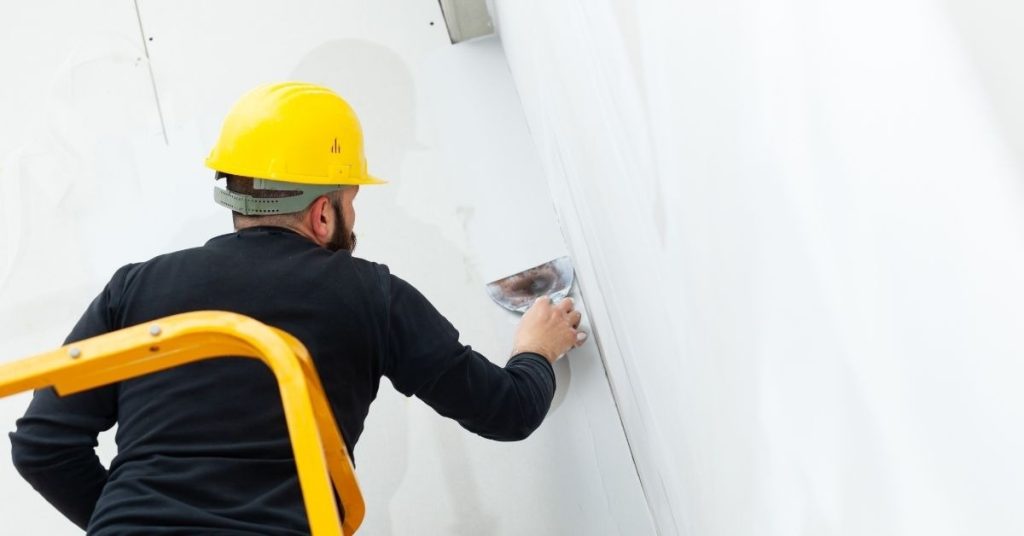
Introduction
Paper tape is a traditional plaster repair method that tends to fail first at weak joints or moisture-prone areas. Fiberglass mesh is a modern patch option that can fail where the mud isn’t embedded well or runs behind the patch. Both have their own failure points depending on prep and technique.
In repairs, focus on clean joints, proper embedment, and surface prep, and check manufacturer instructions for the patch you use. If you’re unsure, read the label for recommended scenarios and local rules, and choose the method that suits the crack size and location. As a hands-on rule, be ready to back up with additional coats or skim coats and test for adhesion before finishing.
Key takeaways
- Paper tape often fails at corners and embedded joints when plaster shrinks and cracks.
- Fiberglass mesh spreads plaster shear and resists cracking but can trap bubbles if not bedded properly.
- Avoid rapid drying; inspect substrate moisture before tape or mesh application to prevent bond failure.
- Install practices: embed thoroughly with keying coat, avoid wrinkles; mesh needs proper corner overlaps.
- Environmental conditions and substrate type determine which system fails first; test before repair.
- Visual checks: look for bubbling, delamination, ridge lines, and hairline cracks under tape.
- Safety: wear eye protection, masks for dust; stop work if cracks widen or moisture appears.
Table of Contents
- Introduction
- Key takeaways
- Material Makeup and How Each Behaves in a Plaster System
- Where Paper Tape Typically Fails First
- Where Fiberglass Mesh Typically Fails First
- Installation Practices That Accelerate Failure
- Environmental and Substrate Factors That Determine Which Fails First
- Inspection and Visual Checkpoints (What to Look For)
- Testing and Diagnostics to Confirm Failure Cause
- Tools, Materials Checklist and Finishing Considerations
- Conclusion
- FAQ
Material Makeup and How Each Behaves in a Plaster System
Paper tape and fiberglass mesh are not interchangeable in plaster repair. Paper tape provides a thin, continuous bond that flexes with minor movement but relies on proper embedding in plaster or joint compound. Fiberglass mesh lays flat and distributes stress across a larger area, but its bond can be more dependent on consistent saturation and embedment.
Understanding stiffness, bond mechanisms, and coating compatibility helps predict how each material behaves during initial set and over the life of the repair. The choice affects crack control, edge stability, and long-term durability under normal interior conditions. Always check manufacturer instructions and local code guidance for your specific product.
Paper tape: composition and bonding
Paper tape is made from layers of cellulose fibers, pressed together with a water-resistant adhesive. It’s flexible but not stretchy.
Compound bedding is crucial for paper tape. It fills gaps, seals the surface, and binds the tape to the wall. The compound soaks into the tape, creating a strong bond.
The seams are where paper tape can fail first. If not properly filled and sanded, they can crack or peel under stress. Embedded adhesives help hold the tape in place but won’t prevent seam issues alone.
Fiberglass mesh: composition and bonding
Fiberglass mesh is made from alkali-resistant glass fibers woven into an open grid. It’s rigid but can flex slightly.
The mesh relies on compound keying for strength. The compound fills the openings, locking the mesh to the wall. This creates a mechanical bond rather than a chemical one like with paper tape.
While the weave distributes stress evenly, it can also concentrate stress at intersections. If not properly filled and sanded, these points can become weak spots where cracks start.
Where Paper Tape Typically Fails First
Paper tape often fails at the edges where plaster pulls away or flakes off during drying. Poor embedding or air pockets can lead to hollow spots that telegraph cracks. Failure can also start where joints are too buttressed or where successive coats are not fully feathered.
Moisture exposure and movement at corners or along joints can cause paper to buckle or peel. The failure pattern commonly shows cracking along the tape seam or separation from the substrate. Verify with product labels and application notes to ensure proper embedding and drying practices.
Seams and inside corners
Paper tape can lift or split at seams and inside corners if the bedding compound isn’t applied properly. This happens because there’s not enough ‘glue’ to hold the tape in place.
The same goes for joint treatment. If it’s not done right, the tape can’t bond well with the surrounding plaster. It’ll start lifting at those vulnerable points.
Remember, proper bedding and joint treatment are key to keeping your paper tape in place, especially around corners and seams.
Moisture-related delamination
Sustained moisture or improper drying can cause adhesive breakdown. The water weakens the bond between the tape and the plaster, making it easy for the tape to peel off.
The paper itself also degrades over time when exposed to too much moisture. It becomes brittle and loses its strength.
So, keep your walls dry after applying paper tape. And make sure they’re completely dried out before painting.
Stress from movement or settling
Framing movement or thermal expansion can put stress on your walls, causing cracks. Paper tape is more susceptible to this because it’s less flexible than fiberglass mesh.
If there’s too much movement, the tape can’t handle the strain and will crack or split. This is especially true around windows and doors where expansion and contraction are common.
To minimize this risk, ensure your framing is solid and consider using fiberglass mesh in areas with high stress.
Where Fiberglass Mesh Typically Fails First
Fiberglass mesh tends to fail at the surface where the coating can crack or delaminate from the mesh, especially if the mesh is not fully covered. Poor saturation or air entrapment under the mesh creates weak spots. Edges and corners may show signs of fraying or a chalky bridge where the mesh lifts.
Mesh can fail when the plaster layer is too thin or when substrate movement stresses the mesh beyond its tolerance. Look for places where the mesh shows through the finish or where the coating cracks at the mesh grid. Check product instructions and installation guides for embedment depth and compatible finishes.
Delamination and edge pulling
Fiberglass mesh can fail early if not embedded properly in compound. Thin coats won’t hold it down, letting edges fray.
Here’s what happens: Mesh needs to be fully embedded in compound. If you skimp on embedment or apply thin coats, mesh can start pulling away from the surface. This is called delamination.
Edges are especially vulnerable. They’re where most of your pulling force will concentrate. So, make sure they’re well-supported and fully embedded.
To avoid this, use a generous amount of compound to embed your mesh. Make sure it’s thick enough to hold everything down tight.
Surface cracking above mesh
Mesh can bridge cracks, but it won’t prevent them if the bond to substrate is poor. Here’s why:
Fiberglass mesh is great at bridging cracks. It spans them, helping to distribute stress evenly across the surface. But, it can’t do its job properly if the bond between the mesh and the substrate is weak.
If your mesh isn’t well-bonded, any small movement or stress in the wall can cause tiny cracks to form on the surface above the mesh. These are called crazing cracks. They’re thin and hard to see at first, but they’ll grow over time if not addressed.
To prevent this, make sure your substrate is clean and dry before applying mesh. Use a good quality compound that’s compatible with your substrate. And always follow the manufacturer’s instructions for application.
Chemical or alkaline attack concerns
Fiberglass mesh is resistant to most chemicals, but there are exceptions. Here’s what you need to know:
Fiberglass mesh is generally resistant to chemical attacks. It can handle most cleaning products and common household chemicals without issue. But, it’s not immune to everything.
Some strong alkaline compounds can break down fiberglass over time. This includes things like concrete cleaners with high pH levels or certain types of paint strippers. If you’re using these kinds of products, make sure they won’t come into contact with your mesh.
Also, be aware that some substrates can release alkaline compounds as they cure. If you’re applying mesh to a new concrete or plaster surface, make sure it’s fully cured before you apply the mesh. This will minimize the risk of alkali attack.
Installation Practices That Accelerate Failure
Common errors include improper mixing, inconsistent coat thickness, and inadequate embedding of either material. Skipping key steps like feathering edges or trying to rush the cure can trap air or create uneven stress. Tooling too aggressively can damage the substrate and the patch’s integrity.
Inadequate substrate prep or mismatched paper and plaster types can cause bond failures. With mesh, insufficient saturating or misaligned seams increases pull and crack risk. Always follow the product’s recommended steps and cure times, and verify with manufacturer guidance.
Common mistakes with paper tape
Here are some common pitfalls when using paper tape that can lead to early failure of your plaster repairs.
- Dry-taping: Applying tape without a proper bedding compound. This causes the tape to lift and lose adhesion.
- Inadequate bedding compound: Using too little or low-quality compound under the tape. Insufficient embedding leads to seam cracks.
- Poor feathering: Not properly tapering the edges of the compound around the tape. This creates weak points that can crack under stress.
- Incompatible compounds: Using a setting compound with a different set time than your base coat. This can cause the tape to lift as one layer sets before the other.
Avoid these mistakes by ensuring proper embedding, feathering, and compound compatibility.
Common mistakes with mesh
Here are some frequent errors when installing fiberglass mesh that can accelerate failure of your plaster repairs.
- Shallow embedding: Not pressing the mesh deep enough into the base coat. This leaves it too close to the surface, making it vulnerable to cracking and delamination.
- Wrong compound: Using a setting compound that doesn’t match your base coat or topcoat. Incompatible compounds can cause delamination.
- Exposed to direct moisture: Leaving the mesh exposed to water before it’s properly sealed. This can lead to rusting and weakened adhesion.
- Insufficient overlap: Not overlapping mesh strips by at least 2 inches. Inadequate overlap can cause weak points that crack under stress.
Avoid these issues by ensuring proper embedding, using compatible compounds, protecting the mesh from moisture, and maintaining adequate overlaps.
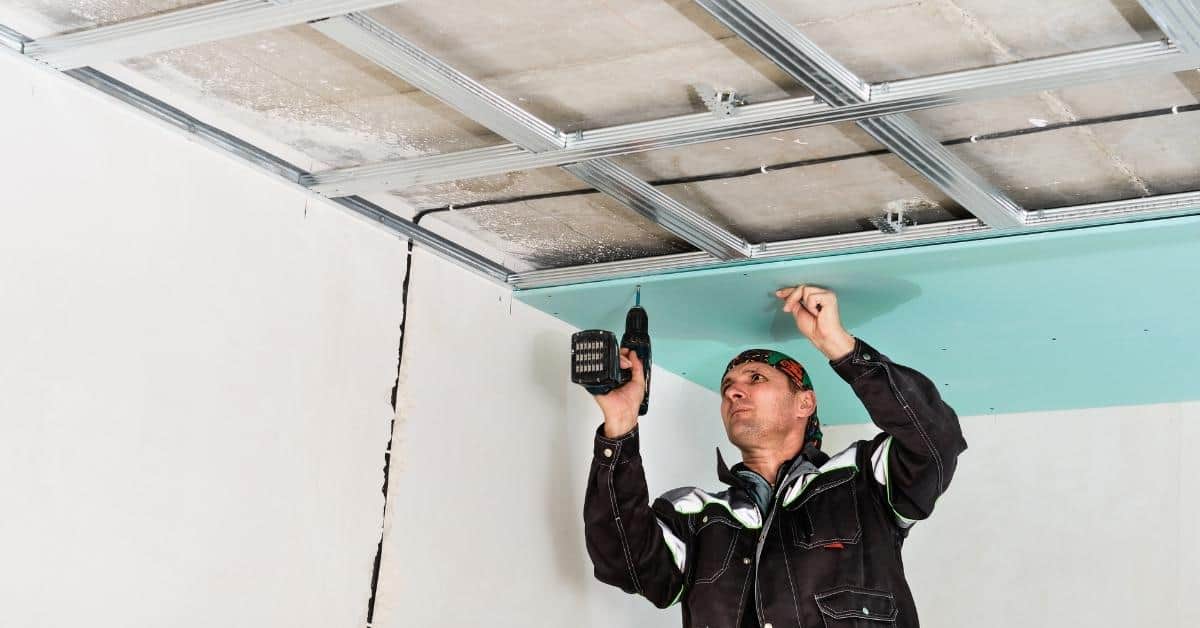
Environmental and Substrate Factors That Determine Which Fails First
Humidity, moisture exposure, and temperature swings influence how each material dries and bonds. Wood substrates or metals can introduce differential movement that stresses joints. Lath or existing plaster conditions also shift which material will show early failure signs.
Structural movement and substrate rigidity change the stress regime on repairs. Paper tape responds to small movements with edge cracking, while mesh may distribute stress but still fail if moisture or substrate issues prevail. Check substrate compatibility and environmental controls per product data sheets.
Moisture and wet environments
Moisture is a plaster repair’s worst enemy. Both paper tape and fiberglass mesh can fail under prolonged exposure, but they do so differently.
Paper tape, being organic, absorbs moisture like a sponge. This can lead to delamination – the tape peeling off from the wall. It also weakens the bond between the tape and the surrounding plaster, making it prone to cracking under stress.
On the other hand, fiberglass mesh doesn’t absorb moisture as much but prolonged exposure can cause it to lose its flexibility. This makes it brittle and prone to cracking or breaking off from the wall. It’s also more susceptible to mold growth in consistently damp environments.
In areas with high humidity or repeated wetting, consider using a moisture-resistant tape or mesh, or even a combination of both for added protection.
Substrate compatibility and framing movement
The material your wall is made of can affect how well your plaster repair holds up over time. Both paper tape and fiberglass mesh have their own challenges with different substrates.
Paper tape works best on stable, flat surfaces. On flexible or moving substrates like wood or metal, the tape’s seams are more likely to crack or split due to movement. This is because paper can’t stretch or flex as much as other materials.
Fiberglass mesh, however, is more forgiving on irregular surfaces and can bridge small cracks or gaps better than paper tape. But it’s not immune to substrate movement either. If the wall moves too much, the mesh can pull away from the surface, causing delamination.
When working with flexible substrates or areas prone to settling, consider using a combination of both paper tape and fiberglass mesh for added strength and flexibility. Always ensure your substrate is as stable as possible before starting any plaster repair work.
Inspection and Visual Checkpoints (What to Look For)
Start with a clear visual scan for cracks along seams, edge lifting, or surface chalking. Tap test gently to hear hollow sounds that suggest debonding. Look for local softness or compression under a patch that could indicate failure progression.
Note signs like edge curl, discoloration, or bulging at joints. Distinguish whether cracking follows a tape seam or is spread across coated mesh. Use the product instructions to identify acceptable visual cues and failure indicators.
Early signs on new repairs
Use this checklist within the first few weeks after repair to catch any early issues.
- Bubbling: Check for any raised areas. Paper tape can delaminate if not properly primed or sealed.
- Edge lift: Inspect edges closely. Mesh may lift if not secured well enough during installation.
- Hairline cracks: Look for fine cracks. Both materials can crack due to improper drying or movement.
- Tape wrinkles: Check for any creases. Wrinkles in paper tape indicate improper application.
- Mesh exposed: Inspect for any exposed fibers. This could lead to further damage and delamination.
- Moisture spots: Look for damp areas. Both materials can fail if exposed to excessive moisture.
- Uneven surface: Check for dips or humps. Improper application of either material can lead to an uneven finish.
- Poor adhesion: Try gently pulling on the repair. Poor adhesion indicates a failed repair.
Quick rule: If you spot any of these issues, address them promptly to prevent further damage and failure.
Signs on older repairs
Use this checklist on repairs that have been in place for some time to identify progressive failures.
- Widening cracks: Check if any cracks are getting bigger. This indicates ongoing movement or moisture issues.
- Compound delamination: Look for areas where the repair is peeling off in layers. This can happen with both materials due to improper installation or excessive movement.
- Ragged tape edges: Inspect the edges of the repair. Ragged edges on paper tape indicate it’s pulling away from the surface.
- Fiber exposure: Check for exposed fibers on mesh repairs. This indicates the mesh is failing and pulling away from the surface.
- Discoloration: Look for stains or discoloration. This can indicate moisture issues, which can cause both materials to fail.
- Sinking or bulging: Check for any dips or humps in the repair. This indicates ongoing movement or structural issues.
- Flaking paint: Inspect the area around the repair. Flaking paint can indicate that the repair is failing and pulling away from the surface.
- Crumbly texture: Check for any crumbling areas. This indicates that the repair is breaking down and failing.
Quick rule: If you notice any of these signs, it’s time to address the repair before it fails completely.
Testing and Diagnostics to Confirm Failure Cause
Non-destructive tests include observing crack patterns under light pressure and checking for moisture signs at the substrate. Perform simple adhesion tests by gently probing the edge areas to gauge bond strength. Compare observed behavior with typical failure modes for each material.
When in doubt, escalate to more formal diagnostics such as moisture readings or substrate assessments per local guidelines. Use manufacturer data sheets to determine recommended tests or professional evaluation triggers.
Quick DIY tests
Before you start poking and prodding, remember: safety first. Wear gloves and eye protection.
Light Tapping: Gently tap the repaired area with a wooden or plastic hammer. A hollow sound might indicate delamination, like we talked about earlier.
Gentle Scraping: Use a flathead screwdriver to lightly scrape the surface. If it comes off easily, you’ve got a problem. But be careful not to damage the area further.
Moisture Meter: Use one if you’ve got access. Follow manufacturer limits. Too much moisture can cause all sorts of issues, as we’ve discussed.
When to involve a pro or perform probe testing
Sometimes, you need more than just a gentle tap. But be careful: destructive probing can cause more harm if not done right.
Hidden Rot: If you suspect rot behind the repair, it’s time to call in a pro. They’ve got the tools and know-how to find it without causing more damage.
Structural Movement: If your walls or framing are moving, that’s not something you want to tackle alone. Get a structural engineer involved.
Extensive Moisture: If your moisture meter’s going off the charts, it might be time for probe testing. But again, be careful. You don’t want to create more problems than you’re solving.
Tools, Materials Checklist and Finishing Considerations
Have the right mud, joint tape or mesh, trowels, and sanding tools on hand. Use compatible finishing compounds and primer suited to your chosen repair method. A consistent workflow with correct curing conditions helps prevent reoccurrence of failures.
Keep a simple list of compatible products and their use notes, and verify with labels or the manufacturer instructions. Consider finish coats that accommodate movement and environmental exposure, and plan for proper curing to protect the repair long-term.
Essential tools and compound compatibility
Before you start mixing and applying your concrete, use this checklist to ensure you have the right tools and that your chosen compounds are compatible.
- Trowel: Check trowel size (1/4″ – 1/2″) matches your project’s finish requirements. Too small won’t cover enough area, too large may be unwieldy.
- Float: Ensure float is flat and undamaged to avoid leaving marks on the surface. Check it’s suitable for your finish (e.g., magnesium floats for smooth finishes).
- Edger: Confirm edger size (usually 4″ – 6″) suits your project’s edge details.
- Concrete Mix: Check mix type (sand, gravel ratio) matches your project’s needs. Too much sand can cause cracking, too little may not set properly.
- Admixtures: Verify any added admixtures (accelerators, retarders, etc.) are compatible with your chosen cement and aggregate.
- Concrete Tape/Mesh: Ensure tape/mesh is designed for use with your chosen concrete mix. Incompatibility can lead to delamination or weak bonds.
- Substrate Preparation: Check substrate is clean, dry, and free of contaminants. Moisture testing may be required to prevent efflorescence.
- Protective Gear: Ensure you have safety glasses, gloves, and appropriate clothing to protect from concrete splash and chemicals.
Quick rule: Always check your tools and compounds before starting work. Incompatibility or poor condition can lead to expensive rework and subpar results.
Finishing, painting and maintenance impact
Use this checklist after you’ve applied the skim coat to ensure a smooth finish, strong bond, and easy maintenance.
- Check Skim Coat Thickness: Ensure it’s within safe range (typically 1/8″ – 3/16″). Too thin may not hide imperfections; too thick can crack.
- Inspect for Imperfections: Look for holidays (uncovered areas), voids, or ridges. Fill and sand as needed before priming.
- Choose Primer: Select a primer suitable for your paint type (latex/alkyd) and substrate (concrete). Check manufacturer’s recommendations.
- Apply Primer Evenly: Ensure even coverage to prevent patchy painting. Use a roller or sprayer, following the manufacturer’s instructions.
- Allow Proper Drying Time: Let primer dry as per label instructions before painting. Rushing can lead to poor paint adhesion.
- Paint in Even Coats: Apply 2-3 thin coats, allowing each to dry (as per label) for optimal coverage and longevity.
- Avoid Painting in Extreme Weather: Temperatures below 50°F or above 90°F can affect paint curing. Check local conditions before painting.
- Regular Maintenance Checks: Inspect your concrete surfaces annually for cracks, chips, or signs of wear. Address issues promptly to prevent further damage.
Quick rule: Always follow manufacturer’s instructions for best results and to avoid voiding warranties.
Conclusion
Get this right for safety, durability, and a clean look. The goal is to choose the right method for the surface, verify it with tests, and avoid delamination or cracking down the line.
Do a quick, practical check: inspect the area for signs of paper tape or mesh failure, confirm the substrate is sound, run a small test patch to watch for cracking or blistering, gather the right tools and materials, and then apply the method that matches the conditions with proper embedding and curing. Start small, document the test area, and proceed only if the test stays stable. Safety first and deliberate steps save you from costly rework.
Common mistakes to avoid are overloading with plaster, skipping proper wetting or priming, and rushing through cure times or edge details. Don’t skip testing, don’t ignore substrate movement, and don’t mix compounds that aren’t compatible with the chosen method. Wear eye protection and a dust mask, work in good light, and keep a clean work zone to prevent damage to surrounding finishes.
If the patch covers a large area, the substrate shows ongoing movement, or you see repeating cracks after a test, it’s wise to call a professional rather than push on. When in doubt, pause, reassess, and plan a controlled repair approach. You’ve got this if you stay methodical and deliberate, and you’ll end with a solid, durable finish.
FAQ
How do I tell if paper tape or fiberglass mesh is causing cracking in my plaster repair?
Look at where cracks start. Paper tape cracks usually follow the joints and show a crisp line. Mesh cracks tend to run across wider areas and may look like a loose grid under the finish.
Should I remove damaged tape or mesh before replastering, and how should I do it?
Yes. Remove the damaged material to expose a clean edge and solid backing. Scrape away loose plaster and peel back the paper or mesh carefully, then re-embed with fresh plaster and a new joint treatment per manufacturer guidance.
What substrate issues make one option fail faster than the other?
If the backing is weak or overly dusty, paper tape may lift. If the surface is highly movement-prone or buckles, mesh can bridge cracks but won’t fix movement. Check for moisture, loose substrate, and paint residues before choosing repair method.
What are safe quick fixes if I can’t replace the substrate right away?
Stabilize the area with gentle supports and clean, dry surfaces. Use minimal bonding plaster with proper embedding and finish coats, then observe for fresh movement. Always follow label instructions and local rules for prep, bonding, and curing.