
Introduction
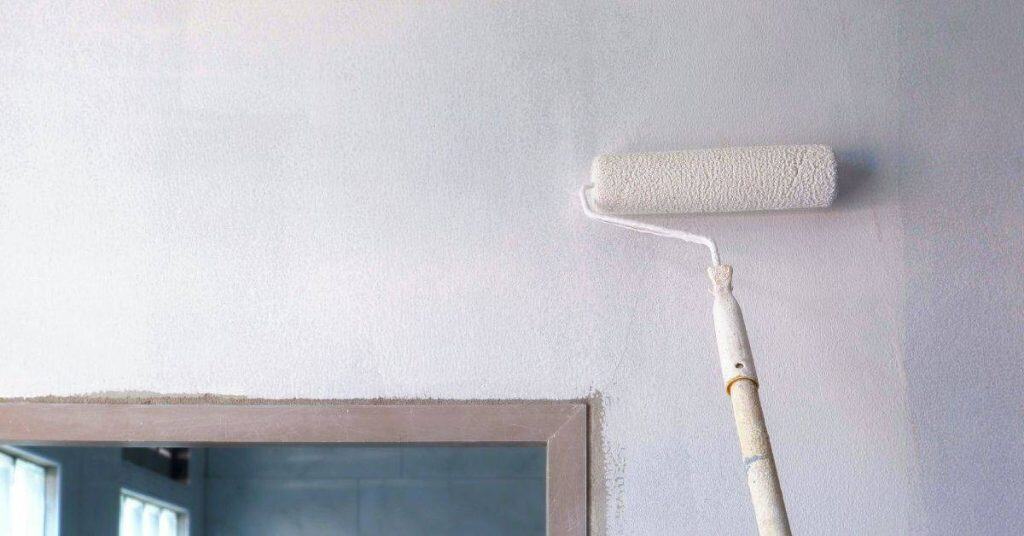
Paint sprayer vs roller is a trade-off between speed, finish, and setup that you choose by room or project.
Sprayers offer quick coverage on large, open areas but take time to learn and clean up, while rollers are simpler and steadier for small spaces.
The learning curve for a paint sprayer is steeper; rollers are familiar and forgiving.
Coverage and efficiency depend on room size and surface, and sprayers can cover fast but overspray is a risk, so masking and ventilation matter.
Check paint type compatibility with your tool and consider texture, and plan for setup and cleanup times with sprayers.
Key takeaways
- Assess room size and texture to choose sprayer for even coverage.
- Rollers offer simpler setup, faster cleanup, and predictable texture for small rooms.
- Sprayers excel on large areas, but require masking and sealing to prevent overspray.
- Texture and paint type influence compatibility; check label for material limits.
- Budget in time for setup, spraying, and thorough teardown between rooms.
- Safety: always ventilate, wear respirator, and shield adjacent finishes from splatter.
Table of Contents
- Introduction
- Key takeaways
- Quick Comparison — Strengths and Tradeoffs
- Learning Curve and Skill Level Required
- Coverage, Speed, and Paint Usage
- Surface Types, Textures, and Paint Compatibility
- Setup, Masking, and Teardown Workflow
- Room- and Project-Specific Recommendations
- Cost, Tools, and Materials Checklist
- Safety, Ventilation, and Environmental Considerations
- Conclusion
- FAQ
Quick Comparison — Strengths and Tradeoffs
Sprayers shine on large, flat surfaces where speed matters. Rollers excel at edges, corners, and textured walls where control is key. Expect faster coverage with a sprayer and a more uniform close-up finish with a roller.
Surface type and room size affect results. Fresh drywall, existing paint, or texture influence how much flaws you’ll see and how many passes are needed. Masking, drop cloths, and tape technique shape cleanup and safety in both methods.
Sprayer strengths and drawbacks
A paint sprayer is your best bet for speed on large, flat surfaces. It can cover a wall in minutes, half the time of a roller.
Seamless finish: Sprayers give a smooth, even coat with no visible strokes or texture. Great for new drywall or when you want a factory-like look.
Overspray risk: Be aware, sprayers can overspray and create mess. You’ll need to mask off areas and use drop cloths to protect floors and furniture. It’s extra work but worth it for the time saved.
Cleanup is a bit more involved with sprayers. They require thorough cleaning after each use to prevent clogging. And if you’re using oil-based paint, that means dealing with harsh solvents.
Roller strengths and drawbacks
A roller is your friend when it comes to control and paint efficiency. It’s great for edges, corners, and textured walls where a sprayer might cause runs or overspray.
Edge work: Rollers allow you to ‘cut in’ edges with precision, giving you clean lines without the need for tape. They also handle minor texture well, providing even coverage.
Ease of setup: Rollers are easy to set up and use. No masking needed like with sprayers. Just dip, roll, and go.
While rollers are slower than sprayers on large surfaces, they’re more forgiving. They won’t show every imperfection in the surface like a sprayer will. And cleanup is easier too, just soap and water for most paints.
Learning Curve and Skill Level Required
Most DIYers pick up a roller quickly and see immediate results. Sprayers can take a bit longer to master for a refined finish. Practice helps; expect a slower start with spraying until you build consistent passes.
Drills on test panels or scrap concrete help. Focus on overlap, distance, and angle to build muscle memory. Key techniques like back-rolling and even pass speed shorten the learning curve over time.
Roller skills to master
The roller’s learning curve is gentle, but there are techniques to master for a smooth finish. First, cutting-in with a brush around edges ensures no paint bleeds onto other surfaces.
Choose the right nap – thick naps hold more paint, ideal for textured surfaces; thin naps are better for flat ones. Apply even pressure, not too hard or soft.
Control your strokes: side-to-side on the first pass, up-and-down on the second. Overlap each stroke by about half to avoid lap marks. Keep a consistent speed and rhythm.
Sprayer skills to master
A sprayer’s learning curve is steeper, but with practice, you’ll achieve professional results. Start by test-spraying on scrap concrete to get a feel for the gun.
Move the gun consistently – too fast and you’ll miss spots; too slow and you’ll over-apply. Maintain an even distance from the surface (usually 10-12 inches). Use a side-to-side, overlapping motion, with each pass slightly overlapping the previous one to ensure full coverage.
Adjust settings as needed: wider fan patterns for larger areas, narrower for details. Practice on test panels to find your ideal pressure and flow rate. Avoid orange-peel textures by keeping a steady hand and even speed.
Coverage, Speed, and Paint Usage
Project type impacts speed and efficiency. Small rooms may not show a large time advantage with a sprayer, while large walls can benefit from quicker coverage. Ceiling height and exterior surfaces change the dynamics as well. Verify current conditions before choosing.
Overspray and masking influence effective coverage. Room layout and ventilation affect paint waste. Coats and paint type determine total usage, so check labels and data sheets for guidance on thinning and application technique.
How sprayers affect time and paint usage
A sprayer can be your best friend on large, uninterrupted surfaces like walls and ceilings. It’s faster than a roller – up to 10x quicker on big areas.
But here’s the catch: sprayers use more paint due to overspray. That’s when tiny droplets miss the target and float around, wasting material. Thin coats also mean you might need more applications to get the coverage you want.
To minimize waste, keep your nozzle clean, adjust pressure for different surfaces, and maintain a consistent spray pattern. Don’t forget to mask off areas too – it’ll save you paint and time in cleanup.
How rollers affect time and paint usage
A roller is your go-to for small to medium rooms with lots of nooks and crannies. It’s slower than a sprayer, but it transfers paint efficiently – up to 10-15 square feet per gallon.
Rollers don’t waste paint on overspray, but they do require more effort to cover large areas. You’ll need to make multiple trips with your roller, which can add time. Plus, rolling might not be the best choice for high ceilings or hard-to-reach spots.
To maximize efficiency, use a good quality roller cover suited to the surface. Work in manageable sections, and maintain a ‘W’ or ‘M’ pattern for even coverage. Remember, less is more with a roller – apply light coats to avoid drips and wasted paint.
Surface Types, Textures, and Paint Compatibility
Smooth or lightly textured surfaces usually favor rollers for control. Rough, porous, or highly textured surfaces often respond better to sprayers for even coverage. Always check surface porosity and texture before deciding.
Paint formulations vary in spray need. Some latex, acrylics, and elastomerics spray well, while very thick finishes may require thinning or alternative methods. Review primer needs and test a small area first.
Smooth and large flat surfaces
For smooth, large areas like walls and siding, a paint sprayer is your best bet. It’ll give you even coverage quickly.
Masking is key here. Tape off nearby items to avoid overspray. Use drop cloths for floors.
Rollers can be used too, but they’re slower and may leave visible roller marks on large flat surfaces.
Textured, rough, or specialty surfaces
For textured surfaces like concrete blocks or brick, a sprayer can reach into crevices and voids. But be careful with overspray.
With rollers, nap selection is crucial. Longer naps handle texture better but may leave visible roller marks on smoother areas.
Spraying may miss deep textures or leave a patchy finish. Test a small area first to see what works best.
Paint types and formulations
Latex, acrylic, elastomeric, and oil-based paints can be sprayed on concrete with the right setup. Thinning or using a reducer may help.
Some heavy coatings or specialty textured paints may clog spray tips or perform poorly when sprayed. Always check the paint label or manufacturer guidance.
For spraying, use primers that improve adhesion and flow. For rollers, consider primers that seal and block stains.
Setup, Masking, and Teardown Workflow
Understand the workflow scope and how setup and teardown differ between tools. Include time estimates for masking, ventilation, and protection planning. This helps you factor which method fits your schedule.
Concrete prep affects setup duration. Dust removal, crack filling, humidity, and curing status change readiness. Mask edges, adjacent surfaces, and plan overlap to minimize rework later.
Masking and protecting the space
Before you start painting, it’s crucial to protect your workspace. This is where sprayers and rollers differ slightly.
For sprayers: Use floor paper or plastic sheets on the floor to catch any overspray. Tape off trim and edges with painter’s tape. Don’t forget to cover HVAC intakes if you’re painting near them.
For rollers: You can get away with less masking here. A quick run of painter’s tape along baseboards and edges should do the trick. No need for floor protection unless you’re worried about drips.
Equipment setup and priming
Setting up your equipment right is key to a smooth job.
- Select tip/nozzle: Choose the right nozzle for your sprayer. Larger tips are better for thick paints, smaller ones for thin. Follow your tool’s guidelines.
- Thinning (if required): Some paints need thinning to spray smoothly. Check your manufacturer’s instructions and use water or a paint conditioner as directed.
- Test passes: Before you start, do some test passes on a scrap piece of concrete to get the feel for your tool and adjust settings if needed.
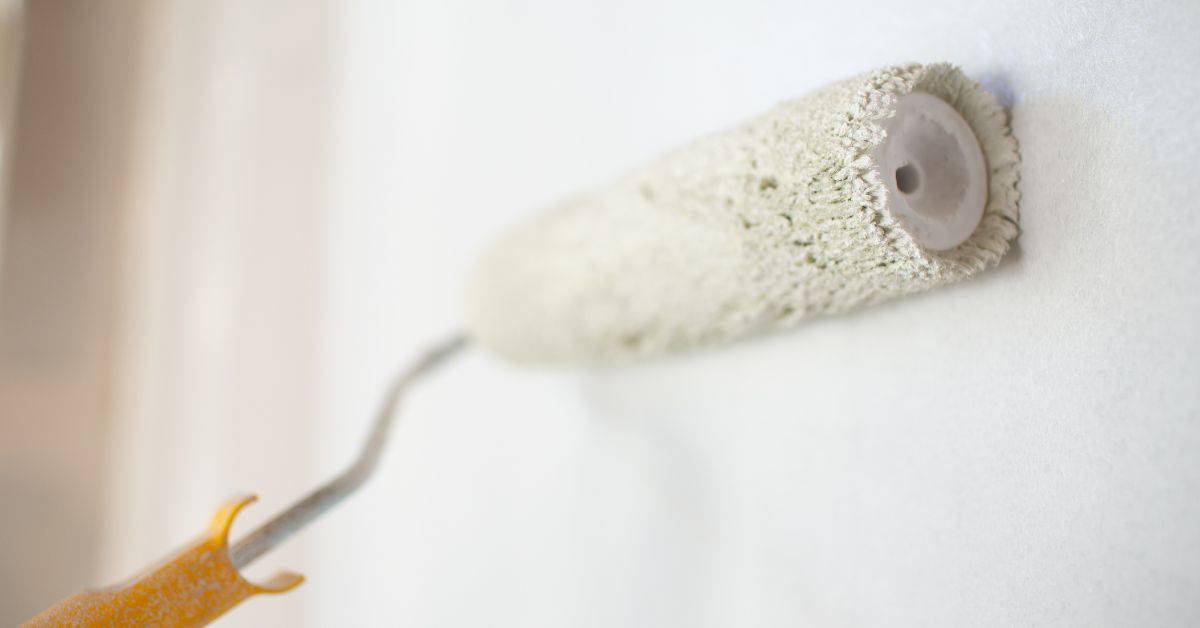
- Roller selection: Choose a roller cover that matches your surface. 9-inch covers are standard but can be switched out depending on your needs.
- Tray/extension pole setup: Set up your paint tray with liners for easy cleanup. Attach an extension pole if you’re using one to avoid bending and stretching.
- Layout planning: Plan your layout before you start. For sprayers, work in manageable sections. For rollers, plan your runs to minimize overlap and missed spots.
Cleaning and storage
After the job’s done, it’s time to clean up. This is where sprayers and rollers diverge again.
Rollers: If you’re using disposable covers, just toss them when you’re done. Otherwise, wash your roller cover thoroughly with soap and water until no paint remains. Let it dry before storing.
Sprayers: Cleaning sprayers is more involved. First, flush the lines with water or a cleaning solution as per your tool’s instructions. Then clean the nozzle and tip. Store with the pump disassembled to prevent mold growth.
Room- and Project-Specific Recommendations
Decide by room and project type: kitchens, bathrooms, ceilings, exterior, or trim each have unique needs. Consider surface type, detail work, and tolerance for overspray when choosing a tool. Quick checks help you decide mid-project if needed.
Masking and ventilation vary by room. Some areas require full masking and controlled airflow; others allow simpler setups. Use room-specific guidance to set up efficiently and safely.
Interior rooms (living rooms, bedrooms, ceilings)
For full-room repaints in interior spaces, a sprayer is your best bet. It’s fast and covers large areas quickly. But you’ll need to mask well to control overspray.
Use a roller for small rooms or when patching walls. It gives you more control over the paint application and requires less prep work. Plus, it’s great for touching up small areas.
When painting ceilings, use an extendable pole with your roller. This way, you can reach high spots without needing a ladder. And remember, always start from one corner and work your way across the ceiling in even strokes.
Kitchens, bathrooms, and moisture-prone areas
In kitchens and bathrooms, precision is key. Use a roller for applying paint around fixtures like sinks and tubs. It gives