

Introduction
Paint roller technique is the method of rolling paint to get clean coverage and fewer lines. Choose the right roller for the job by considering nap length, surface texture, and paint type, then prep the surface by cleaning, patching, and lightly sanding. Check product labels or manufacturer instructions to confirm nap size and compatible paints.
To avoid lines and achieve clean edges without tape, use a consistent crossing pattern, work in small sections, and rollover the edges softly. Keep a damp, not soaked, roller and reload frequently to maintain even application, and always test on a scrap area. If you see drips or lap marks, back-roll gently and adjust your technique according to the paint and surface.
Key takeaways
- Choose a roller nap suited to surface texture and paint type.
- Prep surfaces by cleaning, sanding, and dust removal before rolling.
- Test tape adhesion on a hidden area to prevent edge pulls.
- Cut in with a brush to define edges before rolling.
- Apply paint evenly with long, steady strokes to minimize lines.
- Safety: ventilate area and wear PPE when sanding and painting.
Table of Contents
- Introduction
- Key takeaways
- Why Roller Technique Matters
- Choosing the Right Tools and Materials
- Surface Preparation for Cleaner Coverage
- Proper Painter’s Tape Application
- Roller Technique for Fewer Lines and Smoother Coverage
- Cutting in and Brush Techniques for Sharp Edges
- Managing Multiple Coats and Tape Integrity
- Tape Removal and Post-Painting Care
- Conclusion
- FAQ
Why Roller Technique Matters
Roller technique directly shapes the look of your concrete coat. The way you hold the roller, how you load it, and the patterns you use determine finish smoothness and evenness. Proper technique also helps you define sharp edges when masking or trimming with tape and brushes.
Choose nap length, roller type, and coating viscosity based on the surface and texture you’re covering. Avoid spatter and elastification issues by staying within the recommended ranges on the product label or data sheet. Practice consistent overlapping strokes and steady pressure to prevent thin spots and texture disturbances near transitions.
Common roller problems to avoid
Avoid these common mistakes for a smooth, even finish.
- Banding: Uneven coverage due to inconsistent pressure. Keep your hand steady and maintain an even pace.
- Stippling: Roller leaves tiny dots or marks. Use the right nap length for your surface texture.
- Uneven coverage: Spots with too much or too little paint. Back-roll to ensure consistent coverage.
- Splattering: Paint flying off the roller. Use appropriate coating viscosity and avoid overloading the roller.
Address these issues at the source for a better final result.
How roller work interacts with edging and tape
The way you roll up to taped edges affects your ability to cut in clean lines. Here’s how:
Tape lines: Rolling right up to the edge helps create a crisp line. But be careful not to muss the tape.
Use a back-rolling technique, applying light pressure as you roll towards the edge. This helps maintain a sharp line without disturbing the tape.
Corners and transitions: Approach these areas with care. Use a smaller roller or brush for tight spaces to avoid over-rolling and creating texture disturbances.
Choosing the Right Tools and Materials
Start by assessing the surface type and condition to guide tool choices. Porous versus non-porous surfaces, smooth concrete, or textured patches affect what you’ll use. Existing finishes or sealants can change how well adhesion holds.
Match paint sheen to tool performance. Higher-sheen paints often require tighter application and shorter nap rollers, with finer brushes for edges. Flat or matte sheens tolerate broader coverage with slightly longer naps where appropriate.
Picking the right roller for the surface
The first step in choosing a roller is to assess your concrete surface. Is it smooth, textured, or rough?
For smooth surfaces, opt for rollers with nap lengths between 3/16″ and 1/2″. These provide even coverage without leaving marks.
If your surface is lightly textured, choose a roller with a nap length between 1/4″ and 3/8″. This allows the roller to fill in the texture’s low spots while still providing an even finish.
Painter’s tape selection explained
When selecting painter’s tape, consider your concrete surface and the paint you’re using. You’ll want a tape that adheres well but also releases cleanly.
For smooth surfaces and lighter paint colors, a lower-adhesion tape is usually sufficient. It won’t leave residue when removed.
If your surface is textured or you’re using darker paints, opt for a higher-adhesion tape. This will stick better to the surface but may require more effort to remove.
Brushes, edgers, and tools checklist
Before you start painting, make sure you have all the necessary tools. This will save you time and ensure a better finish.
- Angled sash brush (1.5″ to 2.5″): For cutting in edges and corners. Skipping this can lead to sloppy lines.
- Compact edger tool: For creating crisp, straight lines along walls and ceilings. Without it, you may struggle with consistency.
- Putty knife or plastic card: To press down painter’s tape and seal the edge. This prevents paint from bleeding under the tape.
- Trays (with liners): For holding your paint. Liners make cleanup easier.
- Extension pole: To reach high areas without using a ladder. Skipping this can lead to back strain and uneven coverage.
- Release liquid or tape remover: To help lift painter’s tape off the surface after painting. Without it, you may struggle with removing the tape cleanly.
- Rags or paper towels: For wiping up spills and cleaning tools during breaks.
- Drop cloths: To protect your floor from paint drips. Skipping this can lead to ruined floors.
Quick rule: Always check your tools before you start painting. A few minutes of preparation can save hours of rework.
Surface Preparation for Cleaner Coverage
Begin with a clean surface: remove dust, oil, grease, and loose paint. Use appropriate cleaners, degreasers, and a thorough rinse, then let the slab dry completely. A dry, contaminant-free surface matters for even roll-down.
Repair defects and smooth the substrate so the roller lays down paint evenly. Fill cracks and chips, grind high spots, and create a uniformly rough-but-smooth profile. Plan your steps to minimize rework and maximize coverage.
Cleaning, sanding, and minor repairs
Start by removing dust, grease, and any loose material from your concrete surface. Use a broom, vacuum, or damp cloth to get rid of visible dirt.
Grease and oil can prevent paint adhesion. Use an appropriate degreaser, follow the manufacturer’s instructions, and rinse thoroughly. Allow the surface to dry completely before proceeding.
Inspect for any rough spots or high areas. Sand these down using a sanding block with medium-grit sandpaper. This ensures your paint layers sit uniformly.
Fill any cracks, chips, or holes with suitable concrete patch or epoxy. Allow it to dry and sand flush with the surface for a smooth finish.
Priming and substrate considerations
Priming is crucial when painting concrete as it helps prevent absorption differences that can cause lap marks or uneven sheen. Choose a primer compatible with your paint type.
Glossy surfaces need to be deglossed or etched lightly to improve paint adhesion. Follow the manufacturer’s instructions for your chosen etching product.
A primer also helps reduce absorbency variability, ensuring consistent coverage and preventing rapid paint consumption.
If you’re unsure, consult with a paint professional or the paint manufacturer to choose the right primer for your project.
Visual checkpoints before taping and rolling
Before applying painter’s tape and starting your first coat, use this checklist to ensure your surface is ready:
- Dust-free: Check for any remaining dust or dirt that could interfere with paint adhesion.
- Grease and oil-free: Ensure no greasy spots remain as they can prevent paint from sticking.
- Repairs complete: Confirm all cracks, chips, and holes have been filled and sanded smooth.
- Surface even: Check for any high or low spots that could cause uneven paint coverage.
- Moisture-free: Verify there are no signs of moisture, especially in basement or slab-on-grade applications. Moisture can cause peeling and other issues.
- Temperature right: Ensure the surface and ambient temperatures meet the paint manufacturer’s recommendations to avoid tackiness or poor leveling.
- Primer applied: Check that a compatible primer has been applied, allowing adequate drying time.
- Tape ready: Ensure painter’s tape is applied along edges and any masking areas, pressed firmly to prevent bleed.
Quick rule: If you skip these checks, you might end up with poor paint adhesion, uneven coverage, or other issues that could ruin your project.
Proper Painter’s Tape Application
Choose tape designed for sharp lines on concrete, with the right width and edge strength for your edge. High-quality painter’s tape helps resist bleed and lift. Have a plan for where you want crisp lines before you start.
Prep the surface by cleaning and drying, then press the tape down firmly. Use a straightedge to align, and a pressing tool to seal the edge and reduce seepage. Manage gaps and corners with continuous strips and tight butt joints for clean transitions.
Aligning tape and pressing the seal
Start by laying your tape along the desired line using a straightedge or chalk line. Ensure it’s perfectly straight before pressing down.
Press firmly with your palm or a stiff card, applying even pressure along the entire length of the tape to ensure good adhesion and prevent seepage.
Next, run a 90-degree edge – like a putty knife or a flat screwdriver – along the tape. This action, known as ‘keying’ the edge, helps minimize paint seepage under the tape by pressing down the edges.
Handling corners, trim, and long runs
For corners, fold the tape at a 45-degree angle using your fingers or a corner tool. Press firmly to ensure adhesion on both sides of the corner.
For trim, use a small paintbrush to lightly dab some painter’s tape adhesive remover onto the back of the tape before applying it. This helps prevent paint from bleeding under the tape and makes removal easier.
For long runs, use a straightedge or a level to keep your tape line straight. Every 5-10 feet, press down firmly with your palm or a stiff card to ensure good adhesion and prevent lifting.
Preventing tape lift during multi-step painting
If you’re applying multiple coats of paint, re-press the tape seams before each new coat. This helps maintain a tight seal and prevents lifting.
Inspect your tape after each coat. If any strips have lifted or become compromised, replace them immediately to prevent paint from bleeding under the tape.
If you’re using a primer, wait for it to dry completely before re-pressing the tape seams. This helps maintain the integrity of the seal and prevents lifting during the painting process.
Roller Technique for Fewer Lines and Smoother Coverage
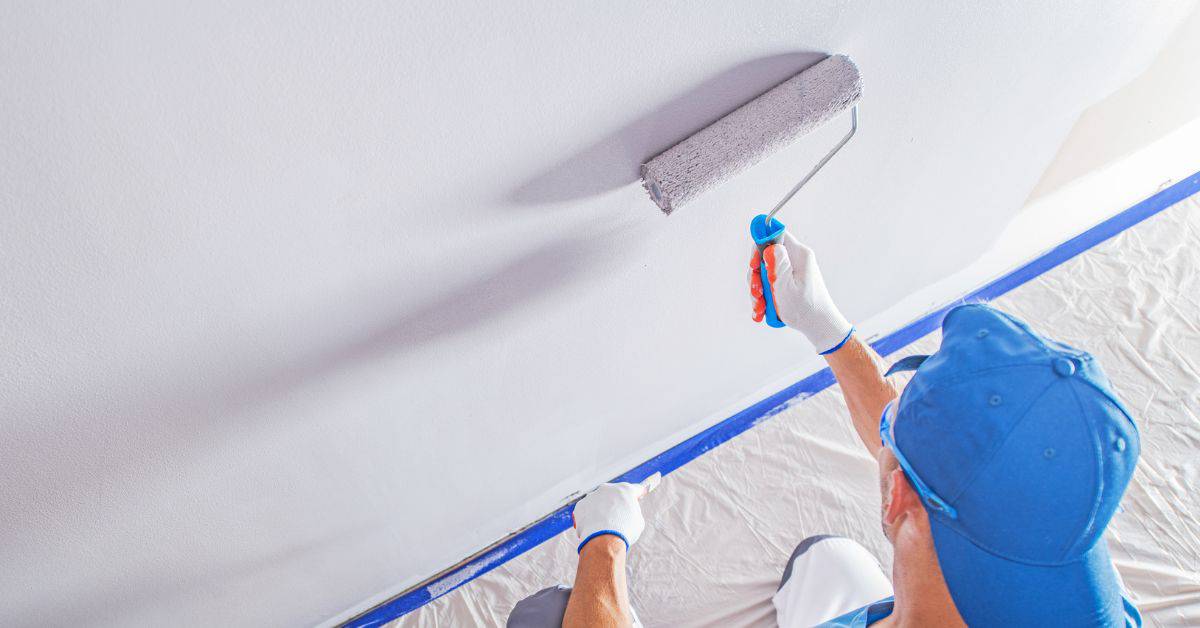
Set the goal: minimize lap marks and roller lines while delivering even coverage from edge to edge. A well-chosen roller and proper priming help you reach that goal. Prepare the surface to reduce grip and patchiness that cause streaks.
Load the roller correctly to avoid drips and pooling. Use outward strokes, back-rolling, and cross-rolling where appropriate, adjusting pressure to keep edges wet. Edges and corners require careful overlap and controlled tool-down techniques for smooth transitions.
Loading the roller and initial passes
Start by dipping your roller into the paint, ensuring it’s evenly coated. Avoid overloading; too much paint causes drips and ridges.
Before rolling, make a few light strokes on scrap cardboard or paper to remove excess paint and distribute it evenly across the roller cover.
Begin painting in an ‘M’ or ‘W’ pattern, working from one corner towards the center. This helps avoid heavy ridges at the start of your stroke.
Maintaining consistent pressure and overlap
Apply even pressure throughout each stroke to ensure a smooth, uniform finish. Too much or too little pressure can cause visible lines or missed spots.
Overlap your strokes by about half the width of your roller cover. This helps blend one stroke into the next, reducing lap marks and ensuring consistent coverage.
For example, if you’re using a 9-inch roller, overlap each stroke by about 4.5 inches. Keep this rhythm going as you work across the surface.
Reducing roller bounce and splatter
Control your wrist motion to keep the roller moving steadily along the surface. Sudden jerks or stops can cause paint to splatter.
Maintain a consistent speed as you roll. Going too fast can lead to missed spots, while going too slow may result in overworking the paint and causing it to dry unevenly.
To minimize bounce, keep your roller cover flat against the surface. Tilting or lifting the roller can cause it to bounce and create visible lines.
Cutting in and Brush Techniques for Sharp Edges
Prep by laying out edging tape correctly and pressing it firmly. Flag the edge to define a clean boundary for cutting-in. A steady, low-stroke line helps you control paint near tape without overspill.
Use an angled sash brush for the cut-in, with controlled short strokes. Feather the edge to blend into the roller area and follow with the roller quickly to minimize dry edges. Tackle corners with rotated brushes and small back-and-forth motions for tight seals.
Using Angled Brushes and Edgers Effectively
Angled brushes are your secret weapon for sharp edges. They’re designed to hug the surface, giving you better control and precision.
Hold the brush like a pen, with your thumb resting on the handle. This gives you a steady grip and lets you make fine adjustments. The angle of the bristles should match the edge you’re painting – use an angled sash brush for walls and trim.
Press down gently as you cut in. You want to feel the tape, but not so hard that you push paint underneath. Keep a consistent distance from the tape to avoid heavy buildup or lines.
The Roll-and-Cut Hybrid Method
This technique combines rolling and cutting in for seamless transitions. It’s especially useful when you’re painting large areas with a roller, like walls.
First, cut in a narrow band along the edge using your angled brush. This gives you a clean line to work from. Then, start rolling outward from that line, working in small sections.
As you roll, overlap each section slightly – about 2-3 inches – to ensure even coverage and minimize lines. Keep a wet edge as you go, blending the rolled paint into the cut-in area.
This method lets you work quickly and efficiently, while still maintaining sharp edges. It’s a great way to get professional-looking results at home.
Managing Multiple Coats and Tape Integrity
Prepare the surface and use tape rated for textured concrete to maximize adhesion across coats. Burnish edges firmly and re-burnish before each coat to minimize lift. Plan your sequence to avoid bleeding and edge stress.
Decide whether to remove or reapply tape between coats, and offset new tape if reapplying to prevent build-up. Remove tape at the right moment and angle to keep edges crisp without peeling.
When to re-press or replace tape between coats
Between coats, your tape needs attention to maintain its seal. Here’s how to know when to press it again or swap it out:
Flaking edges: If you see paint flakes or bits of tape lifting at the edges, that’s a sign the tape isn’t sealed well anymore. Press down firmly with your finger or use a squeegee to re-seal.
Wrinkles and bubbles: Wrinkled or bubbled tape can let paint seep underneath. If you see this, remove that piece of tape and replace it with a new one, pressing down firmly.
Managing drying stages and avoiding edge buildup
Preventing thick paint ridges at tape lines involves careful timing and technique. Here’s how to avoid this:
- Don’t apply too much paint: Overloading your roller can cause excess paint to build up at the edges.
- Wait for tackiness: Before applying a second coat, wait until the first is just tacky. This ensures you’re not adding too much paint in one go.
- Avoid re-rolling tape lines: Don’t roll over tape lines with your roller. This can cause ridges to form.
- Use a light touch at edges: When rolling near the edge, use less pressure and fewer strokes to avoid building up paint.
Quick rule: Less is more when it comes to applying paint at tape lines. Be patient, wait for tackiness, and use a light touch.
Visual checkpoints between coats
Before starting your next coat, perform these quick checks to ensure even coverage and proper tape sealing:
- Check for missed spots: Look over the surface for any areas that might have been missed with your roller.
- Inspect tape lines: Ensure tape is still well-sealed at all edges. No lifting or flaking.
- Feel for dryness: Gently touch the paint to confirm it’s dry before applying the next coat.
- Check for drips: Look for any drips or runs that might have occurred during application.
- Inspect corners: Ensure corners and trim are well-covered and no paint has seeped underneath tape.
- Look for bubbles: Check tape for any wrinkles or bubbles that could let paint seep through.
- Check for unevenness: Make sure there are no thick or thin spots. If you see any, lightly sand and wipe clean before proceeding.
Quick rule: Better safe than sorry. Taking a few minutes to check your work can save you from having to redo it.
Tape Removal and Post-Painting Care
Remove painter’s tape when the paint is at the manufacturer’s recommended stage and at a slow, steady pace. Use a shallow angle to preserve sharp edges and avoid lifting. Have a quick inspection ready for any minor touch-ups.
Protect the finish during cure: cover to keep dust away and limit moisture exposure. Clean tools and dispose of tape per local guidelines, and store materials properly for next time.
Correct tape removal method
Remove painter’s tape at the right time to preserve sharp edges. Wait until the paint is completely dry to the touch, but before it fully cures.
Start from a corner and pull the tape away slowly at a 45-degree angle. This helps prevent tearing or peeling off the paint. Go slow – patience here pays off.
Press down on the edge of the tape with your finger as you start to pull it back. This ensures a clean line and prevents any underlying paint from lifting.
Fixing minor imperfections after removal
After removing the tape, inspect your work for any small bleeds or chips. Don’t worry – these are easy to fix.
For tiny chips, use a small paintbrush and touch up with matching paint. Let it dry, then lightly sand if needed.
If edges are slightly feathered, use a damp cloth to gently wipe them. If that doesn’t work, re-tape the area and apply a thin coat of paint, then remove the tape again.
Final cleanup and caring for the finish
While your paint cures, keep the area clean to prevent dust or debris from settling on the wet surface. Use drop cloths or plastic sheets.
Ventilate the room – open windows if possible. This helps the paint cure evenly and prevents moisture buildup.
Be gentle with your new finish while it cures. Avoid heavy traffic, touching, or wiping for at least 24-48 hours. Follow your paint’s specific drying time guidelines.
Conclusion
Solid roller technique comes down to starting right, protecting what you don’t want to ruin, and letting each coat dry before the next. When you prep properly and stay steady, you get cleaner coverage, fewer lines, and edges that don’t peel back with time.
Start with a clean, dry surface and good lighting, protect nearby trim with painter’s tape, and always test a small patch first to confirm color and flow. Load the roller evenly, roll with smooth, overlapping passes to keep a wet edge, and apply coats as needed without piling on heavy amounts. After final coats, remove tape carefully, and finish by cleaning tools and inspecting the work while it’s still fresh.
Avoid these common missteps: skipping surface prep, rushing with a loaded roller, or letting tape fail while you’re working. Don’t push thick coats or snap-drill the roller, and always wear eye protection and a mask in a dusty, poorly ventilated space. Use a stable ladder and follow manufacturer drying times before touch tests or additional coats to prevent drips and edge pullback.
If you encounter peeling tape, bubbling paint, or extensive wall damage, or you’re working high ceilings or tricky surfaces, it’s smart to bring in a professional. Stay disciplined, follow the steps, and you’ll have a durable, clean finish you can be proud of. You’ve got this—steady hands, steady work, good results.
FAQ
How do I choose the right roller for the job?
Match the roller nap to the surface texture and the type of paint you’re using. Check the paint can or the roller label for guidance, and pick synthetic rollers for water-based paints. If in doubt, ask at the local paint shop what works best with your paint and surface.
What prep steps matter most before rolling?
Make the surface clean, dry, and free of loose material. Fill dents or cracks and sand glossy spots so the paint can grab. Always follow the product label for any primer or stain-blocking needs before you start rolling.
How can I avoid lines and uneven coverage when rolling?
Load the roller evenly and roll in a W or M pattern to distribute the paint, then fill the gaps with light, straight passes. Keep consistent light pressure and avoid pressing hard in one spot. Maintain a wet edge and don’t let the paint dry to the edge before you roll the next area.
How do I apply multiple coats without it looking blotchy or uneven?
Let the first coat dry according to the product instructions, then lightly re-sand or clean the surface if needed. Use the same roller type and technique for subsequent coats, and roll in the same direction to minimize lap marks. If a touch-up is needed, do it carefully with a fresh section of roller to blend.