

Introduction
Coastal metal accessories like beads and screeds that contact concrete are prone to corrosion from salt and moisture. This topic covers practical upgrades and isolation tricks you can use during DIY work. Treat it as a hands-on job: plan, protect, and seal where metal meets concrete.
Look for corrosion-resistant alloys or coatings and install a physical barrier between metal and concrete when possible. Check labels and manufacturer instructions for climate suitability and follow any local rules or best practices. If unsure, ask a supplier or reference the product guidance to pick a safe, DIY-friendly option.
Key takeaways
- Regularly inspect metal beads and screeds for early pitting near joints and seams.
- Use corrosion-resistant alloys or coated hardware compatible with coastal salt spray.
- Isolate metal accessories from concrete with proper barriers and sealants to reduce moisture transfer.
- Follow manufacturer specs for installation tolerances and warranty terms to avoid voids.
- Wear PPE during inspections and repairs to prevent injuries from sharp edges.
- Maintain a documented inspection/repair log and address issues promptly to reduce risk.
Table of Contents
- Introduction
- Key takeaways
- Why Coastal Zones Accelerate Metal Accessory Corrosion
- Typical Accessory Types, Failure Modes, and Visual Checkpoints
- Material Upgrade Options and How to Choose Them
- Coatings, Sealants, and Edge Protection Strategies
- Design and Installation Best Practices to Reduce Long-Term Risk
- Inspection, Maintenance, and Repair Workflow
- Tools, Materials Checklist and How to Read Specs and Warranties
- Troubleshooting Flow, Decision Guide, and Real-World Examples
- Conclusion
- FAQ
Why Coastal Zones Accelerate Metal Accessory Corrosion
Coastal environments expose metal accessories to salt spray and high humidity, especially when winds push moisture into crevices. The continual presence of salty air acts on exposed surfaces and can begin pitting or staining over time. Add in wind-driven moisture and pollutants, and corrosion risk rises for small profiles like beads and screeds.
Micro-environments such as capillary gaps, crevices, and edges trap moisture and slow drying. That creates localized wet zones where protective films break down sooner. The combination of these factors accelerates the corrosion process compared to inland conditions.
Electrochemical and galvanic basics relevant to beads and screeds
Corrosion is an electrochemical process. It happens when a metal loses electrons, forming an anode, and another metal gains them, becoming a cathode.
In coastal zones, saltwater acts as an electrolyte, facilitating this process. When different metals come into contact, like your steel screed and aluminum bead, galvanic corrosion occurs. The less noble metal (steel) becomes the anode, corroding faster.
Key takeaway: Saltwater + Different Metals = Faster Corrosion
Micro-environment contributors: moisture, deposits, and biological fouling
Crevices and gaps in your accessory details trap moisture. This persistent wetting creates ideal conditions for corrosion.
Salt spray deposits also concentrate electrolytes in these micro-environments. Wind-driven moisture can flush these deposits deeper into crevices, intensifying the problem.
Biological fouling, like algae or barnacles, can grow in these damp, salty spots. They produce acids that further accelerate corrosion.
Bottom line: Trapped moisture + Salt deposits + Biological growth = Accelerated Corrosion
Typical Accessory Types, Failure Modes, and Visual Checkpoints
Coastal installations commonly include external beads, screeds, trims, and edge profiles. These pieces are often the first to show exposure-related wear because they sit at interfaces and in crevices. Look for early signs such as discoloration or surface irregularities on the edges.
Common failure modes include pitting, staining, edge lifting, and fastener corrosion. Inspect fastener heads and adjacent joints for looseness or staining. Regular visual checks help catch problems before gradual structural impact occurs.
Common failure modes by profile and joint type
Use this checklist to identify typical failures based on your metal accessory’s profile and joint type.
- Exposed edge profiles: Check for pitting corrosion. This usually occurs where the metal is directly exposed to salt air or spray.
- Crevice joints: Look out for crevice corrosion. It often starts at laps and other tight spaces where moisture can accumulate.
- Bolted or screwed joints: Inspect fasteners for signs of corrosion. Mechanical failure may occur if not addressed.
Quick rule: Regularly inspect high-exposure areas and tight spaces to catch corrosion early.
Visual checkpoints for quick field assessment
Use this checklist during inspections to quickly assess the severity of corrosion and identify likely root causes.
- Surface discoloration: Look for staining or discoloration. This often indicates rust or other corrosion products.
- Edge lifting: Check for lifting or warping at edges. This could be due to corrosion or other issues.
- Fastener condition: Inspect fasteners for signs of corrosion or loosening. If ignored, they may fail suddenly.
Quick rule: Photograph or note any visible issues to track progress and plan repairs.
Material Upgrade Options and How to Choose Them
Material options in coastal settings typically include stainless alloys marketed for marine use, coated or galvanized steels, aluminum alloys, and non-metal composites. Each class brings different trade-offs in durability, weight, and compatibility with finishes. Your choice should balance exposure level with ease of maintenance.
Pros and cons hinge on how the material handles salt, moisture, and mechanical stress. Check manufacturer guidance and local recommendations to see how a material behaves in coastal climates. When in doubt, verify labels, data sheets, and installation notes before committing to a upgrade path.
Stainless and high-corrosion alloys—what to verify with suppliers
When considering stainless steel or other high-corrosion resistant alloys, don’t just pick the shiniest one. Here’s what you should check:
Marine-grade designation: Make sure it’s designed for marine use. Some stainless steels aren’t corrosion-resistant in chloride environments.
Corrosion performance data: Ask suppliers for data on their alloys’ performance in coastal zones. They should have test results to back up their claims.
Manufacturer recommendations: Consult with the manufacturer or local codes to ensure you’re using the right grade for your specific location and conditions.
Coated steels, aluminums, and composite alternatives
Barrier coatings, anodizing, and non-metallic profiles each have their own strengths and weaknesses in coastal exposure. Here’s what to expect:
Barrier coatings: These can extend the life of steel accessories but aren’t foolproof. They can chip or peel over time, exposing the metal underneath.
Anodizing (aluminum): This process increases aluminum’s natural resistance to corrosion. It’s more durable than barrier coatings but may not be as effective in severe coastal conditions.
Non-metallic composites: These are often the most expensive option but offer excellent corrosion resistance with minimal maintenance. They’re also lighter and easier to form than metal alternatives.
Coatings, Sealants, and Edge Protection Strategies
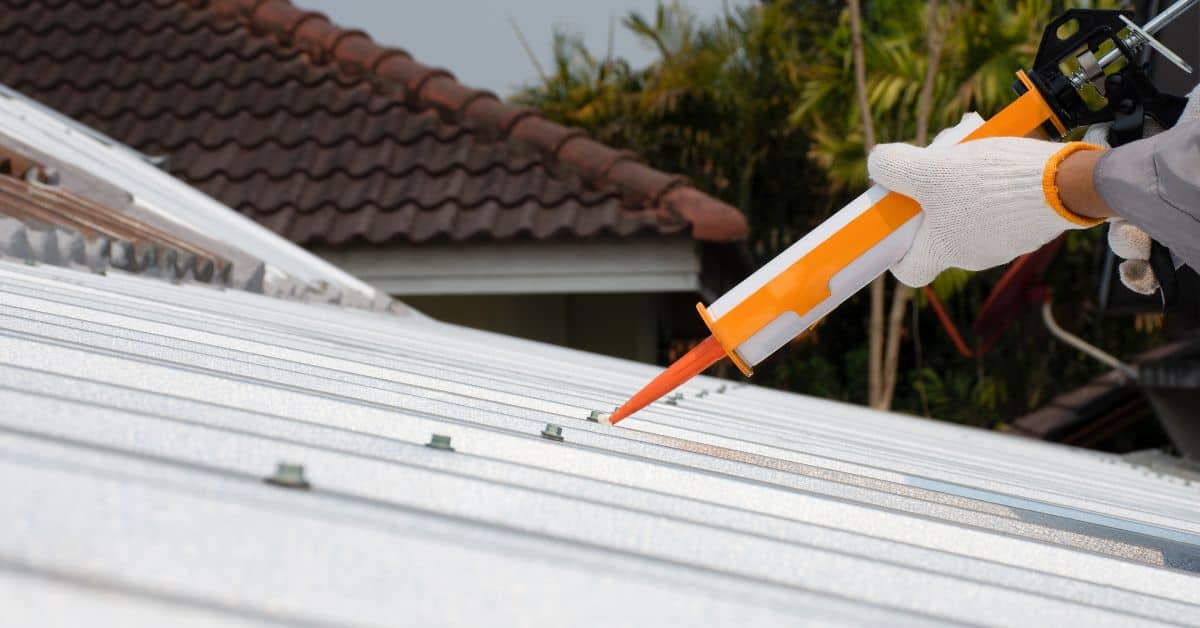
Coatings and sealants should be selected for compatibility with beads and screeds and for the coastal environment. Use edge coatings on cut edges to slow moisture ingress and minimize edge corrosion. Sealants should bond well with the chosen substrate and be suitable for exterior exposure.
Protecting cut edges is critical, as exposed edges act as moisture entry points. Always confirm compatibility between coating, sealant, and substrate materials with the product label or manufacturer instructions. Perform a spot test if you’re unsure about adhesion or weather resistance.
Sealant compatibility and joint detailing
Choosing the right sealant is crucial to prevent water intrusion. Read the data sheet for adhesion to both your accessory (bead or screed) and substrate.
Look for: Good initial adhesion, long-term cohesion, and resistance to UV, weathering, and marine growth.
Detailing matters too. Avoid trap points where water can pool. Use backer rods in wide joints to maintain a consistent joint width and prevent voids.
Protecting exposed cut edges and end details
Exposed metal edges are prime targets for corrosion. Finish them properly to reduce initiation sites.
Folded hems: Seal the edge with a compatible sealant before folding to prevent moisture ingress.
Edge coatings: Apply a suitable coating (like epoxy or polyurethane) to exposed edges after cutting, but before installation.
Cap trims: Use plastic or stainless steel cap trims to cover and protect exposed edges. Ensure they’re securely fastened and sealed at ends.
Design and Installation Best Practices to Reduce Long-Term Risk
Design details should promote drainage, drying, and minimize water retention near joints. Plan for overlaps and gaps that help channels shed water rather than trap it. Avoid overly tight fits that create capillary pull and slow drying.
During installation, reduce mechanical stress on accessories by aligning components properly and avoiding sharp corners at critical points. Check that fasteners, supports, and edge treatments match the chosen material and exposure level. Confirm compatibility with the building surface and intended coatings.
Drainage, slope, and ventilation considerations
Water’s got to go somewhere. In coastal zones, that means it needs to drain fast.
Slope your metal accessories downward. Aim for a 1/4 inch drop per linear foot. No flat horizontal pockets here!
Break up long runs with expansion joints or offsets. This gives water a chance to escape and reduces stress on the accessory.
Ventilation’s key too. Leave some space behind those profiles. Airflow helps dry out any trapped moisture and prevents salt buildup.
Minimizing crevices and designing for inspectability
Crevices trap moisture. Moisture plus salt equals corrosion. So, keep ’em to a minimum.
Use wide, open joints. They let water drain faster and allow air to circulate.
Round off sharp corners where possible. Sharp edges can collect deposits and start corrosion.
Make your work accessible for future inspection and maintenance. That means no hidden areas where moisture could build up unnoticed.
Inspection, Maintenance, and Repair Workflow
Establish a practical inspection routine triggered by visible changes or seasonal cycles. Prioritize high-risk areas such as joints, crevices, and exposed edges. Document findings with notes and photos to build a maintenance history.
When issues are found, decide on patching, recoating, or replacing based on severity, exposure, and budget. Keep a simple decision log that references material compatibility, warranty terms, and supplier guidance for each option.
Detecting early corrosion and prioritizing interventions
Use this checklist to spot early-stage corrosion and decide which repairs are most urgent.
- Discoloration: Rust-colored stains or white powdery deposits indicate corrosion. Use a magnet to confirm steel substrate.
- Pitting: Small, crater-like holes on the surface signal advanced localized corrosion. Measure depth with a feeler gauge.
- Flaking: Paint or coating peeling off in large sheets exposes metal to further damage. Check for underlying rust.
- Bubbling: Blisters under the paint or coating could hide active corrosion. Poke with a sharp tool to release gas.
- Cracking: Fine hairline cracks can let in moisture and accelerate corrosion. Inspect for wider, deeper cracks.
- Exposed edges: Bare metal at cut ends or joints starts corroding quickly. Check for rust creep along the profile.
- Joint movement: Gaps or excessive flexibility in joints allow water intrusion. Test with a flat blade.
- Odor: A musty smell can indicate trapped moisture and active corrosion. Sniff around suspected areas.
Quick rule: Prioritize repairs based on exposure severity, function-critical components, and likelihood of rapid progression.
Repair techniques and when replacement is warranted
This checklist helps you decide between repairing or replacing corroded metal accessories.
- Rust extent: Measure the length and depth of rust. If it’s more than 10% of the profile, consider replacement.
- Paint/coating condition: Assess if the existing coating can be restored or if recoating is needed. Check for adhesion with tape test.
- Joint integrity: Inspect joints for damage or deterioration. Replacement might be necessary if they’re severely compromised.
- Corrosion type: Identify the corrosion type (uniform, pitting, crevice, etc.). Some types may warrant replacement over repair.
- Accessibility: Evaluate if the damaged area can be easily accessed for repairs. Inaccessible areas might need replacement.
- Cost-benefit analysis: Compare repair and replacement costs. Consider long-term performance and maintenance needs.
- Structural integrity: Check if corrosion has weakened the metal’s strength. Replacement may be required for safety reasons.
- Design changes: Consider if repairs offer an opportunity to improve design or upgrade materials.
Quick rule: If corrosion is extensive, structurally compromising, or repeatedly recurring, replacement is likely the best option.
Tools, Materials Checklist and How to Read Specs and Warranties
Prepare a straightforward checklist for installation and maintenance that covers substrates, fasteners, coatings, and sealants. Include items to verify compatibility and surface preparation requirements. Use the checklist to guide each work step and keep records.
When reviewing specs and warranties, note what warranties cover, the exposure conditions, and any installation limitations. Ask about compatibility with coastal moisture, UV exposure, and potential maintenance intervals. Always refer to product labels, data sheets, and supplier instructions for definitive guidance.
Tools and consumables for installation and maintenance
Before you start any coastal accessory work, make sure you have the right tools and materials. This checklist will help you ensure a successful and long-lasting job.
- Tape measure: Essential for accurate cutting and fitting.
- Safety glasses: Protect your eyes from debris during cutting and grinding.
- Work gloves: Prevent injuries when handling materials.
- End cuts and grinders: For preparing metal edges and removing burrs.
- Fasteners (stainless steel screws, bolts): Corrosion-resistant hardware is crucial in coastal zones.
- Isolation materials (PTFE tape, washers): Prevent galvanic corrosion by isolating metal parts.
- Coating products (epoxies, urethanes): Protect metal from salt and moisture.
- Paint brushes and rollers: For applying coatings evenly.
- Scrapers and sandpaper: Prepare surfaces for coating by removing rust and smoothing edges.
Quick rule: Always use high-quality, corrosion-resistant materials to minimize maintenance and extend the life of your coastal accessories.
Reading material data sheets and interpreting warranties
Understanding material data sheets and warranty language is crucial for making informed decisions when choosing coastal accessories. Here’s a checklist to help you navigate the fine print.
- Corrosion resistance: Look for specific corrosion resistance ratings or test results in salt spray environments.
- Environmental limitations: Check if the material is suitable for coastal, high-salt environments.
- Recommended uses: Ensure the product is intended for use in outdoor, exposed applications.
- Warranty coverage: Look for warranties that cover corrosion-related failures specifically.
- Exclusions: Pay attention to what’s not covered – often, improper installation or lack of maintenance voids the warranty.
- Duration and transferability: Check how long the warranty lasts and if it can be transferred to a new owner.
- Inspection requirements: Some warranties require periodic inspections; make sure you’re willing to comply.
- Warranty claims process: Understand how to file a claim and what documentation is required.
Quick rule: Always read the fine print, and don’t hesitate to ask suppliers for clarification on warranty terms and conditions.
Troubleshooting Flow, Decision Guide, and Real-World Examples
Start with a quick diagnostic flow: observe surface condition, check for moisture at edges, and confirm protective coatings are intact. If signs point to moisture ingress, evaluate whether upgrading material or adding isolation helps resolve the issue. Use this to guide next steps within your budget.
In real-world terms, a straightforward decision is whether a corrosion-prone area warrants replacement with a more suitable material or simply enhanced isolation and maintenance. Consider exposure level, expected lifetime, and cost when choosing between upgrade and maintenance paths. Always verify with product data and local guidance before proceeding.
Diagnostic checklist and quick fixes
Use this checklist when you spot corrosion on metal accessories like beads, screeds, or trim. It helps isolate causes and slows further damage.
- Check for galvanic contact: Look for different metals touching each other. If found, separate them using a non-conductive material to prevent further corrosion.
- Inspect for trapped moisture: Check crevices and joints for water buildup. If present, improve drainage or apply temporary sealant to keep out more water.
- Examine coating condition: Inspect paint or other coatings for cracks, peels, or gaps. If damaged, touch up or recoat the affected areas.
- Check ventilation: Ensure there’s adequate airflow around accessories. If not, improve ventilation to prevent moisture buildup.
Quick rule: Always address the root cause of corrosion. Temporary fixes only slow it down; permanent solutions stop it.
Example scenarios and recommended responses
Here are real-world examples and suggested remedies for accessory corrosion:
Scenario 1: Failing trim at balcony edge. Cause: Galvanic contact between dissimilar metals. Response: Separate metals, apply anti-corrosion primer, and reinstall with proper spacing.
Scenario 2: Pitted screed at roof-to-wall junction. Cause: Trapped moisture due to poor drainage. Response: Improve drainage, apply sealant to prevent further water intrusion, and consider using a more durable material for future repairs.
Scenario 3: Corroded metal beads on cladding. Cause: Coating failure due to UV exposure. Response: Remove damaged coating, apply UV-resistant primer and paint, and consider using a more robust material for future installations.
Conclusion
Protect metal accessories in coastal zones by choosing upgrades and installation methods that resist salt spray, humidity, and temperature swings, and by following a practical inspection-and-maintenance routine so safety, durability, and appearance stay intact. The core idea is to lock in durable choices now and test them in the real environment so small problems don’t become big failures.
To follow through, check in this order: confirm that upgraded materials match the expected exposure and load, inspect coatings and edge protection for damage or gaps, verify seals and fasteners are compatible and secure, review the installation details and drainage paths, then set a simple maintenance cadence and keep a log. Read specs and warranties, confirm your tools and materials list, and perform a controlled test in a non-critical area before wider work. If any step shows compromised coating, bare metal exposure, or loose hardware, pause and address it before continuing.
Common mistakes to avoid are skipping a proper surface prep, using incompatible coatings or sealants, and rushing through edge protection near joints. Never skip testing on a small area first, and always clean and dry surfaces before applying anything. Do not over-tighten fasteners or force wet seals; check for proper drainage and ventilation, and document any changes you make so future work stays aligned with the original plan. Safety first means power down electrical circuits in the work zone when metalwork is near moisture, and never work from a height without proper fall protection.
If corrosion risk remains high, or if the project involves critical structural connections, complex coatings, or uncertain warranty coverage, call a professional for a targeted assessment. For DIY steps that stay within your comfort zone, proceed with measured tests, track your results, and stay conservative with repair scope. With disciplined checks and good materials, you’ll protect steel and aluminum accessories, keep a clean look, and avoid costly rework.
FAQ
What upgrades help with metal beads and screeds in coastal zones?
Look for corrosion-resistant alloys or treated metals as recommended by the manufacturer. Match the upgrade to your project and follow the label directions exactly. If in doubt, check the product datasheet and local guidelines before buying.
How should I verify coatings, isolation, and edge protection before installing?
Read the product label for approved substrates and application steps. Confirm that isolation is compatible with the base material and any chemicals used on site. If something isn’t clear, contact the manufacturer or your local supplier for written guidance.
What installation mistakes increase corrosion risk, and how to avoid them?
Avoid leaving gaps, poor drainage, or failed seals around metal edges. Do not mix incompatible coatings or rely on thin films that won’t last. Follow the installation instructions to the letter and verify each step as you go.
How do I inspect and maintain metal accessories after install?
Schedule regular visual checks for signs of wear, corrosion, or coating failures. Clean surfaces as recommended by the coating maker and re-seal or touch up when you see issues. Keep records of inspections and any repairs for future reference.