
Introduction
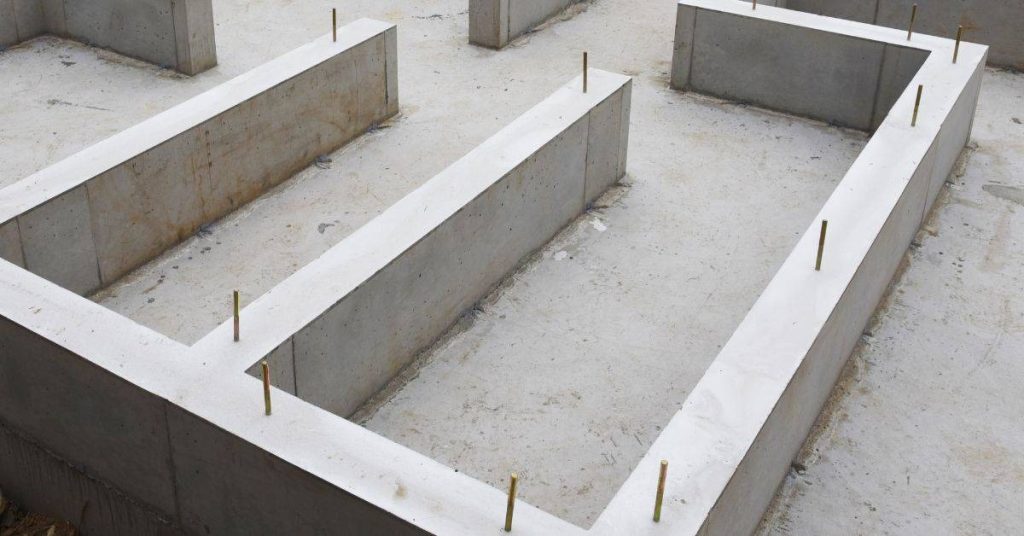
A concrete strike-off is a simple flat guide used to level fresh concrete so the top surface stays true across small forms. It helps you check straightness and control the final height with the form you are using. Keep the setup clean and checked for levelness as you pour.
You will need a straight edge, flat boards for the form, spacers or shims, a level, and a simple support setup. Assemble the form, position the strike-off, secure it, and then verify straightness from edge to edge before pouring. Keep checks simple: recheck after setup and after a light touch of concrete to catch any movement.
Key takeaways
- A strike-off is a straight edge used to level and shave concrete surface.
- Gather lightweight boards, fasteners, and a level to build a simple strike-off.
- Lay out trim forms, set height with shims, and lock guides to grade.
- Check straightness with a taut string or straightedge before pouring.
- Keep safety in mind: secure forms, wear PPE, and watch pinch hazards.
- Maintain consistent strike-off height during pour for flat, uniform edges.
Table of Contents
- Introduction
- Key takeaways
- Quick Overview and When to Use a Simple Strike-Off
- Tools, Materials, and Cost Considerations
- Layout and Form Setup: Trim-and-Pour and Lock-to-Grade Steps
- Straightness and Flatness Checks (Measurement Methods)
- Step-by-Step: Making and Using a Simple Strike-Off
- Safety Precautions During Form Installation and Pouring
- Common Mistakes, Troubleshooting, and Quick Fixes
- Maintenance and Durability of Forms and Finished Edges
- Conclusion
- FAQ
Quick Overview and When to Use a Simple Strike-Off
Define the technique clearly: a simple strike-off uses a straight edge or form edge with a flat strike-off plate or board to shape the concrete surface. It differs from full-form or advanced finishing methods by keeping setup straightforward and relying on the form as a guide. Expect a quicker process with limited finish options for small pours.
Ideal scenarios for use include small forms, shallow pours, or tight timelines where a smooth, true edge is more important than a perfectly flawless surface. Pre-pour and post-pour straightness checks establish reference lines, edge alignment, and how to verify straightness with a chalk line, string line, or a laser. Note tolerance guidance and what to verify with your chosen method.
Appropriate projects
A simple strike-off is your best bet for small pours. Here’s what suits it:
Footpaths and walkways: These are usually narrow and don’t require complex finishing techniques.
Curb repairs: Small, localized repairs can be easily done with a simple strike-off. Just make sure to match the existing curb height.
For larger slabs or complex shapes, consider more advanced methods. You might need to check local building codes and consult with a pro for those jobs.
Outcomes and limitations
The typical finish from a simple strike-off is a smooth, level surface with minor imperfections. Expect tolerances of around ⅛ to ¼ inch for DIY work.
Check base compaction before striking off to avoid settling issues later. If the base isn’t solid, escalate to a plate compactor or hire a pro.
For critical surfaces like driveways or patios, consider using a power trowel for a more refined finish. But for most DIY projects, a simple strike-off should suffice.
Tools, Materials, and Cost Considerations
Essential tools for the strike-off setup include a level or laser, a transit or straightedge, screed rails, spacers, clamps, and protective pads. Mark which items are must-haves for small-form work and which can be rented or borrowed. Keep a simple kit ready to move between jobs.
Materials options for rails and screeds cover aluminum, steel, PVC, and wood or laminated options. Compare durability, ease of adjustment, reusability, surface finish, and compatibility with common concrete mixes. Consider upfront purchase versus rental and plan for accessories like sealants and edge guards.
Essential tools and alternatives
The right tools make a simple strike-off job easy. Here are the must-haves, plus some budget-friendly substitutes.
- Screed Rails: Essential for leveling concrete. Aluminum or steel are best, but PVC can work for small forms.
- Straightedge: A long, straight piece of wood or metal to check and maintain form straightness.
- Level/Laser Alternative: A 2′ or 4′ level is fine. For laser accuracy, consider renting a self-leveling laser.
- Tamping Tools: To consolidate concrete and remove air pockets. Rent or buy a poker and vibrator for small forms.
- Clamps: Necessary to secure rails to the form. Consider adjustable clamps for versatility.
- Protective Pads: To prevent damage to form surfaces when using clamps or moving equipment.
- Tape Measure: Essential for accurate measurements and layout.
Form and strike-off material choices
The materials you choose for your form edges and strike-off members can significantly impact your results. Here’s what to consider.
- Aluminum: Lightweight, durable, and easy to adjust. Ideal for small forms but more expensive than other options.
- Steel: Heavy-duty, strong, and long-lasting. Great for larger forms but requires careful handling to prevent damage.
- PVC: Inexpensive, lightweight, and easy to cut. Suitable for small forms but can warp or deform in extreme temperatures.
- Wood/Laminated: Cheap, readily available, and easy to work with. However, it’s not as durable as metal options and can stain concrete if not properly sealed.
Cost considerations and budgeting tips
The cost of a simple strike-off setup depends on several factors. Here’s how to keep expenses in check.
Materials: Buy what you need, but consider renting or borrowing tools where possible. PVC forms are cheaper than metal but may not last as long.
Rental Equipment: Renting can be cost-effective if you don’t use tools often. Be sure to factor in delivery fees and potential damage charges.
Time: Plan your project carefully to minimize labor costs. A well-organized setup allows for quick, efficient work.
Consider DIY substitutes like using scrap wood for form edges or making your own screed rails. Also, look for used or surplus materials at hardware stores or online marketplaces.
Layout and Form Setup: Trim-and-Pour and Lock-to-Grade Steps
Define objectives for a repeatable process: establish layout, trim-and-pour, and lock-to-grade references to achieve straight, level concrete within small formwork. Build a simple plan that supports quick verification at each stage. Keep the approach practical and repeatable.
Cover form layout essentials, precise elevation marking, and the trim-and-pour sequence. Include lock-to-grade setup with datum selection and reference lines, plus basic checks for base level and true datum before pouring. Document any deviations for QA notes.
Layout and stakes for straightness
Start by driving stakes at each corner of your form. These are your reference points.
Run a string line between opposite corners. This gives you your straight edge. Tension it tight, but not so much that it pulls the stakes out.
Secure your form rails to this string with clamps or nails. This keeps everything aligned during the pour. Remember: The tighter the string, the straighter your form.
Trim-and-pour sequence for small forms
First, trim your subgrade to final dimensions. This gives you a clean base for your formwork.
Next, set your forms. Start at one corner, drive a stake, then stretch a string line from it to the opposite corner. Align your first form piece along this line.
Work around the perimeter like this, ensuring each piece is straight and level before moving on. Tip: Use shims under form pieces if needed to maintain level.
Simplified lock-to-grade methods
For small forms, simple tools can do the job. A string line and a water level can give you accurate elevations. Just make sure your datum (starting point) is true.
Line lasers are another affordable option. They project a laser beam along your form’s length, helping you maintain consistent elevation.
For larger projects or critical tolerances, consider professional grade control tools like electronic sensors. But for most DIY jobs, these simple methods will suffice. Rule of thumb: The more precise the elevation, the better your concrete pour will turn out.
Straightness and Flatness Checks (Measurement Methods)
Define what straightness and flatness mean for small concrete strike-offs and why both matter for alignment and finish. Establish how these factors affect form stability and final appearance. Use practical terminology that fits a DIY workflow.
Describe rail setup and verification using stringlines, chalk lines, or laser alignment to identify skewed rails and correct before pouring. Explain surface flatness checks with straightedges, levels, or simple digital tools to spot high or low spots and plan adjustments.
Stringline and straightedge checks
A stringline is your first line of defense against crooked forms. Here’s how to use it:
1. Tension the stringline: Stretch a mason’s line taut between two points at form height. It should be level and tight.
2. Check for high/low spots: Hold a straightedge (like a 2×4) against the form, aligning it with the stringline. Look for gaps or touching points. Mark any discrepancies.
3. Detect misalignment: Move the straightedge along the form’s length. If it wobbles or doesn’t touch consistently, you’ve got skewed rails. Find and fix these before pouring.
Using levels and laser pointers
A level ensures your form is plumb (vertical) and your concrete will be level. A laser pointer can make this easier:
1. Check rail grade: Place a spirit level on the inside of the form, against the rails. Adjust until it’s plumb. Use shims if needed.
2. Use a laser pointer: For long forms or where precision is crucial, use an affordable laser level. Project the line onto the form and adjust until it’s level and plumb.
3. Consistency is key: Check multiple points along the form to ensure consistency. Remember, concrete follows the path of least resistance, so get your form right before pouring.
Interpreting flatness for field work
Flatness is about surface evenness. In the field, you’re looking for waviness – highs and lows:
1. Long straightedges: Use a long straightedge (like a 4′ or 8′ level) to check flatness. Place it on the form’s surface and look for gaps or touching points.
2. Simple digital tools: Phone inclinometer apps can measure slope. Place your phone on the form, level with the ground. A reading of 0° indicates a flat surface.
3. Acceptability: For small forms, aim for 1/8″ per foot. This means if you measure along an 8′ length, there should be no more than 1″ difference from one end to the other. Adjust as needed before pouring.
Step-by-Step: Making and Using a Simple Strike-Off
Define the initial setup: selecting rail dimensions, spacing, and alignment method for a small-form strike-off, plus how to base the rails to the form edges for straight results. Keep the criteria simple and repeatable. Prepare for a smooth workflow from start to finish.
Assemble and secure rails by anchoring or clamping them to the formwork, confirming level and parallelism, and addressing gaps that could trap concrete. Establish reference points with string or laser checks and plan for consistent width along the pour.
Step-by-Step Process
Follow these practical steps to make and use a simple strike-off for small concrete forms, ensuring straightness and consistency.
- Prepare your workspace: Clear the area, wear safety gear, and have all tools ready. Check: Safety glasses, gloves, and ear protection.
- Assemble rails: Cut 2x4s to length, ensuring they’re longer than the form’s width. Check: Rails fit snugly inside the form.
- Position and secure rails: Place rails along both sides of the form, leaving a small gap at each end. Secure with clamps or nails. Check: Rails are level and parallel.
- Establish datum lines: Use stringlines or laser levels to mark straight lines on both ends of the form. Check: Lines are consistent and accurate.
- Perform pre-pour checks: Verify concrete mix consistency, slump, and adjust if needed. Position strike-off rails just above the desired pour height. Check: Concrete is ready to pour.
- Pour concrete: Start at one end, pouring slowly and evenly along the form’s length. Check: Pouring rate maintains consistent level.
- Initial screeding pass: Begin strike-off motion from the farthest point of the pour, applying even pressure along the rails. Check: Concrete surface is smooth and level.
- Light finishing pass: After bleeding begins (around 15-30 minutes), use a straightedge or float to smooth any rough spots. Check: Surface is uniform and free of imperfections.
- Final checks and cleanup: Inspect the pour for straightness, make minor corrections if needed, then remove strike-off rails. Check: Form edges are clean and ready for curing.
Assembling Rails and Guides
Properly positioning and securing strike-off rails ensures a straight, even screed. Here’s how to do it right.
Start by measuring and cutting your 2x4s to the desired length, ensuring they’re longer than the form’s width. This allows for better control during the strike-off process.
Positioning: Place one rail along each side of the form, leaving a small gap at either end. This gap helps prevent concrete from spilling over and ensures a clean edge.
Securing: Use clamps or nails to secure the rails in place. Ensure they’re level and parallel to maintain a consistent screed. Pro tip: Check for any gaps between the rail and form; fill with wood shims if necessary to prevent concrete from seeping through.
Strike-off Technique and Timing
A well-timed, even strike-off motion is crucial for a smooth, level pour. Here’s how to achieve it.
Begin your strike-off motion from the farthest point of the pour, using a straight, steady motion towards you. Apply even pressure along the rails, maintaining consistent contact with both sides of the form.
Timing: Start screeding as soon as possible after pouring to prevent the concrete from setting up too quickly. Aim for around 10-15 minutes after initial pour, depending on your mix’s set time and temperature.
Passes: Make one or two initial passes with the strike-off tool, focusing on creating a smooth, level surface. After bleeding begins (around 15-30 minutes), use a straightedge or float to smooth any rough spots. Pro tip: Avoid overworking the concrete; too many passes can cause it to lose its strength.
Final Finishing Passes
Once the initial set is complete, follow up with these finishing touches to achieve a perfect pour.
Straightedge pass: After bleeding has stopped (around 1-2 hours), use a straightedge to smooth any remaining imperfections. Apply even pressure along the entire length of the form.
Float finish: Once the concrete has started to harden but is still slightly plastic, use a float to create a smooth, troweled surface. Work in small sections, using a circular motion to bring any remaining aggregate to the surface.
Broom finish (optional): For a non-slip texture, use a broom to create grooves in the concrete’s surface. Work perpendicular to the form, applying even pressure with each pass. Pro tip: Avoid disturbing the established grade; keep your finishing tools level and parallel to the form.
Safety Precautions During Form Installation and Pouring
Define essential PPE and why each item matters for form installation, pouring, and potential concrete splash. Ensure gloves, eye protection, and sturdy footwear are part of the routine. Protect exposed skin and keep the jobsite tidy to reduce slips and trips.
Outline safe manual handling and lifting techniques for forms, rails, and braces, including team roles and communication. Check form stability, bracing, and leak prevention before pour to prevent failure under vibration or pressure.
Personal Protective Equipment
Safety starts with the right gear. Here’s what you need:
- Gloves: Protect hands from cuts, scrapes, and concrete burns. Choose durable, well-fitting gloves like those made of leather or synthetic materials.
- Eye Protection: Goggles or safety glasses with side shields are essential to protect your eyes from debris and concrete splash. Consider renting or purchasing a pair with an anti-fog coating for comfort during long days.
- Steel-toed Boots: Protect your feet from heavy objects, tools, and potential falls. Ensure they have good grip to prevent slips on wet surfaces.
- Hard Hat: Essential for protecting against falling objects. Make sure it’s properly fitted and in good condition.
- Ear Protection: While not always necessary for small jobs, consider using earplugs or earmuffs if you’re using power tools near the forms.
Form Stability and Shoring Checks
Before pouring, ensure your forms are secure and stable. Here’s how:
Stakes: Check that all stakes are firmly driven into the ground at a 45-degree angle. They should be deep enough to provide adequate support for the form.
Braces and Rails: Ensure braces and rails are properly connected and secure. Tighten any loose connections and replace or reinforce any damaged parts.
Connections and Leak Prevention: Inspect all connections between forms, stakes, and braces for leaks. Tighten any loose connections and apply sealant if necessary. During consolidation, keep an eye out for any signs of form movement or bulging, which could indicate instability.
Common Mistakes, Troubleshooting, and Quick Fixes
Identify common rail and formwork setup mistakes such as misaligned rails or untrue edges. Explain how these issues translate into visible strike-off errors and the steps to prevent them. Emphasize cautious inspection and correction before concrete placement.
Offer practical remedies for real-time issues like shifting rails or bowing surfaces. Provide quick fixes such as shimming rails or adjusting edges, and outline a simple troubleshooting flow for recurring symptoms during the pour.
Alignment and grade errors
Misaligned rails and incorrect form edges can lead to strike-off errors. Here’s how to spot and fix these issues:
- Misaligned Rails: Check rail alignment before pouring. Use a straightedge or laser level. Tighten any loose bolts.
- Untrue Form Edges: Inspect form edges for straightness. Adjust with shims if necessary.
- Inconsistent Rail Spacing: Ensure rails are evenly spaced to maintain a consistent form width. Recheck and adjust as needed.
- Incorrect Grade: Use a level or laser to check grade before pouring. Adjust forms if necessary.
Regular checks and adjustments will help prevent these errors from affecting your strike-off.
Material and slump issues
The right material and slump are crucial for a successful strike-off. Here’s what to look for:
- Too Wet Mix: Use, check spec/rating: Slump should be 4-6 inches. Tip/avoid: Add more aggregate or reduce water.
- Too Dry Mix: Use, check spec/rating: Slump should be 3-5 inches. Tip/avoid: Add water slowly and mix well.
- Incorrect Aggregate Size: Use, check spec/rating: Check aggregate size for your form’s needs. Tip/avoid: Use appropriate size for your formwork.
- Insufficient Admixtures: Use, check spec/rating: Ensure admixtures are added as per spec. Tip/avoid: Improves workability and strength.
Fixing edge defects and voids
Small chips, blowouts, or honeycombing in edges can occur after strike-off. Here’s how to fix them:
Chips: Use a concrete patching compound. Apply with a trowel, let it cure, then strike off again.
Blowouts: Fill voids with concrete or mortar. Pack tightly and strike off once set.
Honeycombing: Remove loose material. Fill with a mix of cement, sand, and water. Strike off once set.
Maintenance and Durability of Forms and Finished Edges
Describe care for reusable strike-off rails: material wear, coatings, cleaning routines, and storage to prevent warping or rust. Include a simple inspection for dents or flatness loss. Plan for handling and transport to minimize damage.
Discuss form care during curing, including moisture control and protective coverings. Explain straightness maintenance checks and how to document deviations for future reference. Share basic repair approaches for small dents or burrs to preserve edge sharpness.
Form care and storage
After each use, clean your strike-off rails thoroughly. Remove any concrete residue with a wire brush or scraper.
Dry them off immediately to prevent rusting. Let the sun do its job if possible, but avoid leaving them in direct sunlight for too long as it can warp the metal.
Store your rails flat and stacked neatly. Keep them indoors during harsh weather conditions. If you must store them outside, cover them with a tarp or plastic sheet to protect from rain and snow.
Curing and protecting the finished surface
Once your concrete has been poured and struck off, it’s crucial to keep it moist for at least seven days. This allows the concrete to cure properly and develop its full strength.
Cover the area with plastic sheeting or wet burlap to retain moisture. Keep the surface shaded from direct sunlight, which can cause rapid drying and cracking.
Avoid walking on or driving over the newly poured concrete during this time. Early traffic can damage the surface and compromise its strength.
Inspecting and repairing edges long-term
Regularly inspect your strike-off rails for signs of wear or damage. Look out for dents, flatness loss, or rust. If you find any issues, address them promptly to prevent further deterioration.
For small dents or burrs, use a metal file or grinder to smooth them out. For larger problems, you may need to replace the affected section or even the entire rail.
If your concrete edges start showing signs of wear, such as cracking or chipping, repair them immediately. Use a concrete patching compound and follow manufacturer’s instructions for best results. Keep an eye on these areas over time to ensure they continue to hold up well.
Conclusion
Keep the setup tight, the edges clean, and the strike-off moving with the concrete. When you do, you protect safety, durability, and the clean appearance of your small forms.
Do this in order: lock the form to grade and secure it, verify trim height and level, position the strike-off firmly, pour in manageable batches, pull or drag the strike-off across the surface while the mix is workable, check for straightness and flatness at key points, wipe and compact the edges, then finish and cure as planned. Test a small area first if you’re unsure, and document any adjustments for the next pour.
Common mistakes to avoid are over-tightening forms or misaligning them, skipping straightness checks or delaying them until cure time, and using too much water or sloppy compaction that wash away firmness. Safety rules are simple: wear eye and hand protection, move or release forms only after the concrete starts to set, and never push or pull hard on a wet edge. Keep your work area clear and stay in control of the pace.
If the project involves large forms, unusual shapes, or you’re aiming for ultra-tight tolerances, it makes sense to call in a pro rather than chase perfection solo. Stay focused on the basics, and you’ll finish strong with durable edges and a solid, straight result you can trust. You’ve got this—steady pace, good checks, solid results.
FAQ
What is a concrete strike-off and why do I need one for small forms?
A strike-off is a straightedge you drag across the surface to level and smooth the concrete. It helps you get a clean, even top edge and consistent thickness in small formwork. It’s a simple tool you can make and reuse for quick, repeatable results.
What materials do I need to make a simple strike-off?
You’ll need a straight, rigid length of material (like a poly board or metal ruler) and a handle or grip for you to push. Add a couple of guides or blocks to keep it aligned with your form. Check the material labels for any surface coatings that could stain or react with fresh concrete.
What tools are required to set up the strike-off and forms?
You’ll want a tape or laser line to align the top edge, a level to check height, a square to verify corners, and a caulking gun or wedges to hold forms in place. Have a utility knife or saw for cutting the strike-off material and a fastener option to attach a handle if needed. Always follow the manufacturer instructions for any hardware you use.
How do I build and install the strike-off step by step?
Cut or assemble the strike-off to a straight length. Attach a comfortable handle so you can push evenly. Position the strike-off on the form, parallel to the top edge, and secure it so it can glide as you strike off the surface.