

Introduction
Lithium nitrate admixture is used to help mitigate ASR in concrete. This article explains when it’s typically considered and what it means for a DIY project. It’s about practical decision points you’ll face on site.
Choosing lithium nitrate involves looking at product instructions, mix design goals, and local guidance. This piece covers how it fits into a DIY mix, how to evaluate effectiveness, and what durability questions to ask. Always check the label, manufacturer guidelines, and any local rules for your project before proceeding.
Key takeaways
- Lithium nitrate admixtures help mitigate ASR when selected per guidance and local codes.
- Choose lithium nitrate based on concrete design needs, exposure, and compatibility with aggregates.
- Prepare for proper mixing by following product instructions and on-site safety procedures.
- Fresh and hardened properties may shift; plan supervision and quality checks during placement.
- Compare effectiveness with other methods and consider long-term durability implications.
- Ensure safe handling, storage, and regulatory compliance; document supplier instructions and approvals.
Table of Contents
- Introduction
- Key takeaways
- Quick Overview: What Lithium Nitrate Is and How It Mitigates ASR
- Typical Use Cases and Decision Criteria
- How Lithium Nitrate Affects Fresh and Hardened Concrete Properties
- Comparative Effectiveness Versus Other ASR Mitigation Strategies
- Application Methods, Dosages, and Practical Mixing Guidelines for DIY Users
- Safety, Handling, Storage, and Regulatory Considerations
- Cost, Procurement, and Quality Control for DIY Projects
- Step-by-Step DIY Implementation Plan, Testing, and Common Mistakes to Avoid
- Conclusion
- FAQ
Quick Overview: What Lithium Nitrate Is and How It Mitigates ASR
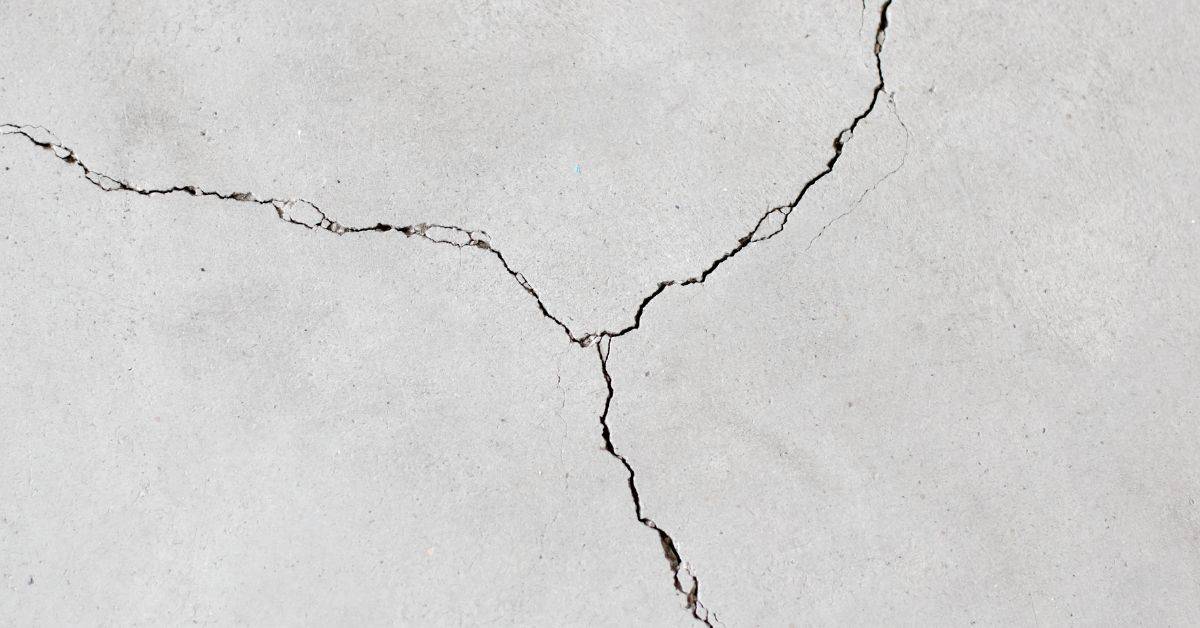
Lithium nitrate is a chemical admixture used to mitigate alkali-silica reaction (ASR) in concrete. It works by interfering with the reaction between reactive silica and alkalis, helping to stabilize silica and limit gel formation. In plain terms, lithium ions help curb the expansive pressure that drives cracks, effectively slowing ASR progression while allowing the concrete to cure in a more controlled way.
Typical use considerations include how it’s added (in the mix water or as a post-tint surface treatment), and that its adoption is more common in professional mixes than in DIY projects. Its effectiveness depends on the concrete’s composition, moisture exposure, and how far the ASR has progressed. Safety, sourcing, and practical constraints such as availability and cost should be checked with the product label, data sheet, or manufacturer instructions, and a professional assessment may be advisable for larger jobs.
What is lithium nitrate?
Lithium nitrate is a chemical compound, typically supplied as white crystals or powder to concrete users. It’s primarily composed of lithium ions (Li+) and nitrate ions (NO3-).
This compound is chosen for ASR control due to its unique ability to interfere with the reaction between reactive silica in aggregates and alkalis present in cement.
Lithium nitrate is not a common household item, so ensure you’re sourcing it from reputable concrete suppliers or manufacturers.
How lithium inhibits alkali-silica reaction (mechanism)
The primary mechanisms by which lithium nitrate mitigates ASR involve ion exchange, gel chemistry modification, and reduced swelling pressure.
Firstly, lithium ions replace sodium and potassium ions in the reactive silica gel, stabilizing it and reducing its tendency to expand. This process is known as ion exchange.
Secondly, lithium nitrate modifies the gel chemistry by forming a less expansive gel structure. This reduces the swelling pressure that leads to cracking.
However, these mechanisms have their limits. Lithium nitrate works best when ASR is in its early stages and is not a universal fix for all reactive aggregates or concrete compositions.
Typical Use Cases and Decision Criteria
Common scenarios include new concrete with ASR potential, early-stage ASR remediation in existing pours, and overlays as a mitigation strategy. Lithium nitrate is considered when other methods may not be ideal or when project timelines favor its use. This section helps you decide if it’s the right fit for your case.
Screening criteria should cover ASR risk diagnosis, alkali levels, and exposure conditions, plus project budget and schedule. Check compatibility with cement types and SCMs, and understand how dosing, curing, and long-term service life influence outcomes. Always verify specifics with supplier data and local codes before proceeding.
New concrete mixes vs remediation of existing structures
Lithium nitrate can be used both preventively and remedially to mitigate ASR. Here’s how:
Preventive use in new mixes: Add lithium nitrate as an admixture during batching. This is ideal for new projects where you know aggregates are reactive.
Remedial use (existing structures): For early-stage ASR, you can either mix lithium nitrate into the concrete before pouring a new overlay or apply it as a surface treatment. The latter is less common but can be used if cracking is minimal and aggregates aren’t too reactive.
When lithium nitrate is not recommended or insufficient
Lithium nitrate isn’t a silver bullet. Here are scenarios where it might not be enough:
Advanced/severe ASR: If ASR has already caused significant damage, lithium nitrate alone may not reverse the process.
Highly reactive aggregates: Some aggregates are too reactive for lithium nitrate to effectively mitigate ASR. In these cases, consider alternative mitigation strategies or aggregate replacement.
Structural damage: If existing cracks are severe, applying lithium nitrate as a surface treatment might not be effective. Consider structural repairs and possibly additional interventions alongside lithium nitrate.
How Lithium Nitrate Affects Fresh and Hardened Concrete Properties
Fresh concrete effects include workability changes, potential changes in slump retention, and how lithium nitrate interacts with air voids and bleed water. Practical dosing will vary with ambient temperature and mixing procedure, and you should note any short-term changes in viscosity or cohesion observed during placement. These observations help plan batching and finishing steps for DIYers.
In the long term, lithium nitrate can influence setting time and early strength development, with cautions about delays or accelerations that affect formwork schedules. Durability considerations encompass permeability, abrasion resistance, and potential protection against ASR-related damage over months or years. Always cross-check with cement chemistry and SCM compatibility and follow supplier instructions.
Early-age and strength effects
Lithium nitrate can have modest impacts on your concrete’s early-stage properties. Here’s what you need to know:
Workability and Slump: Lithium nitrate helps maintain workability and slump retention, making it easier to place the concrete. It does this by slowing down the initial setting time.
Early Strength Development: While lithium nitrate doesn’t significantly boost early-age strength, it doesn’t hinder it either. You might see a slight delay in initial strength gain due to its retarding effect, but overall, it won’t affect your formwork removal schedule drastically.
Setting Time: Lithium nitrate can extend the setting time, giving you more working time with the concrete before it hardens. This is particularly useful in hot weather or when using rapid-setting cements.
Long-term durability and service-life considerations
Lithium nitrate’s effects on concrete durability are mostly beneficial. Here’s how it improves your concrete’s long-term performance:
Permeability: Lithium nitrate can reduce the permeability of concrete, making it more resistant to water and other liquids. This means less chance of cracking or deterioration over time.
Freeze-thaw Resistance: By improving the concrete’s air-void structure, lithium nitrate enhances its freeze-thaw resistance. This is crucial for areas that experience extreme temperature cycles.
Mechanical Performance and Corrosion Risk: Lithium nitrate doesn’t significantly alter the long-term mechanical performance of concrete. However, by mitigating ASR, it reduces the risk of expansion-related cracking and corrosion, extending your structure’s service life.
Comparative Effectiveness Versus Other ASR Mitigation Strategies
Lithium nitrate operates differently from pozzolans/SCMs, low-alkali cements, lithium surface treatments, or aggregate replacement. Each approach has strengths and weaknesses depending on aggregate type, exposure, and project scale. Use this to frame where lithium nitrate fits in your plan.
Expect varying results in terms of ASR expansion reduction and long-term durability, and consider practical DIY factors like availability, handling, and curing needs. Sequencing matters when combining strategies, and you should follow a clear decision framework that outlines when lithium nitrate is preferred or better avoided.
SCMs and Low-Alkali Cements
These are common alternatives to lithium nitrate for ASR mitigation. They work by reducing the available alkalis in concrete.
Fly Ash, Slag, and Metakaolin – all types of supplementary cementitious materials (SCMs) – react with calcium hydroxide to form additional hydration products, lowering the pH and reducing alkali availability. This slows down or stops ASR.
SCMs are effective but their performance varies by type and source. They’re generally cheaper than lithium nitrate but may require higher dosages for equivalent ASR reduction. They also increase concrete’s early-age strength development time.
Surface Lithium Treatments and Repair Techniques
Instead of mixing lithium into the concrete, you can apply it as a surface treatment. This is useful when existing structures show signs of ASR.
Lithium salts like lithium carbonate or lithium silicate are applied as a slurry or solution onto the affected area. They work by providing a source of lithium that penetrates into the concrete and inhibits ASR at a low cost.
Physical rehabilitation methods involve removing damaged concrete and replacing it with new, lithium-treated concrete. This is more invasive but can be necessary for severe cases.
Surface treatments are cheaper and less disruptive than bulk dosing but may not provide long-term protection if the underlying cause of ASR isn’t addressed. They’re best used in combination with other strategies or as a temporary fix.
Application Methods, Dosages, and Practical Mixing Guidelines for DIY Users
Two common routes are bulk admixture in the mix water and surface impregnation. Each method has its own constraints, especially for new concrete versus existing slabs. Choose the method based on project type and access to proper mixing procedures.
Discuss dosage fundamentals with the supplier data and keep in mind factors such as ASR severity and cement type. Document mixing order, ensure proper stirring, and follow recommended curing practices. Always adhere to supplier guidelines and local codes.
Bulk admixture mixing—ready-mix and site batching
Lithium nitrate is typically introduced into wet concrete or ready-mix trucks as a bulk admixture. This method is ideal for new concrete mixes.
When using ready-mix, ensure the producer knows you’re adding lithium nitrate. Verify they can handle it safely and that it’s compatible with other admixtures in use. Sequencing matters: add lithium nitrate after water but before cement.
Site batching: Measure lithium nitrate based on cement weight (typically 0.5-2% by weight). Stir it into the mix water, then add cement and aggregates. Target a slump of 4-6 inches for easy placement.
Surface/impregnation application for existing concrete
Surface lithium treatments are applied to existing slabs when ASR is active. They work by penetrating the surface and inhibiting further reaction.
Use a low-pressure spray or brush-on applicator. Penetration depth varies, but expect 1-2 inches at most. Effectiveness differs from bulk dosing: it slows ASR but doesn’t stop it entirely.
Timing: Apply after surface prep (cleaning, grinding) and before final curing. Follow up with a membrane or sealant to lock in moisture and enhance durability.
Tools and materials checklist (DIY)
When: Before starting any lithium nitrate application, ensure you have the right tools and materials to work safely and effectively.
- PPE: Safety glasses, gloves, dust mask, long sleeves, and pants
- Measuring tools: Scale for accurate lithium nitrate dosing, tape measure for surface area calculation
- Application equipment: Pump or dispenser for bulk admixture, sprayer or brush for surface application
- Mixing equipment (for site batching): Mixer, buckets, shovel, wheelbarrow
- Sample/test materials: Small amount of concrete mix to test slump/air content, water samples if required
- Cleanup supplies: Broom, dustpan, vacuum, rags, soap, and water for cleaning up
Quick rule: Always double-check your calculations and equipment before starting. Missing a step can lead to improper dosing or application, wasting time and materials.
Safety, Handling, Storage, and Regulatory Considerations
Health hazards include inhalation, ingestion, and skin or eye irritation, so use appropriate PPE and engineering controls. PPE should include chemical-resistant gloves, splash protection, and a respirator if dust is present, with good ventilation during mixing.
Storage and regulatory checks cover container materials, labeling, segregation, and disposal. Verify local building codes and environmental regulations before use, and consult SDS and manufacturer guidance for training or certification requirements.
Personal Protective Measures and Spill Response
Wear the right gear to protect yourself. That’s your first line of defense.
PPE includes: chemical-resistant gloves, splash goggles, and a dust mask or respirator if needed. Keep these on during handling, mixing, and pouring.
For spills, act fast. Small spills, use absorbents like vermiculite or dry sand. For larger ones, contain the area, wear your PPE, and clean up with non-potable water. Dispose of waste as per local hazardous waste regulations.
If you’re exposed – eyes, skin, or inhale – rinse immediately with plenty of water for 15 minutes. Seek medical attention if symptoms persist.
Standards, Codes, and Regulatory Items to Check
Before you start, make sure you’re following the rules. It’s your responsibility.
Check these:
- Local DOT/agency specifications for concrete mixes
- ASTM and ACI guidelines for admixture use
- Manufacturer’s Safety Data Sheet (MSDS) for lithium nitrate
Document approvals from relevant authorities. Keep records on-site for reference.
Cost, Procurement, and Quality Control for DIY Projects
Costs depend on material grade, dosage, and application method, plus the anticipated volume of concrete. Plan procurement to match your batch plans and allow for storage and potential waste. Budgeting should account for delivery or handling constraints if applicable.
Quality control involves verifying COAs, purity, and proper storage; conduct pre-installation checks like batch sampling and slump testing where feasible. Compare dry-dosage versus liquid workflows, and ensure compatibility with other admixtures and SCMs. Maintain documentation and follow local codes.
Budgeting and cost comparison
Estimating costs for lithium nitrate (LiNO3) admixture involves several factors. First, consider the material grade and purity. Higher grades cost more but ensure better ASR mitigation.
The required dosage percentage also affects cost. More is needed for higher alkali concrete. Calculate based on your mix design: (LiNO3 dosage * Concrete volume) / 100 = Quantity needed.
Anticipate waste/overage. Ordering extra covers mishaps, but don’t overdo it to keep costs down. Also, consider the chosen application method’s labor cost – dry blending is simpler than liquid solutions.
Compare these costs with alternative mitigation or replacement options. Replacing affected concrete can be expensive and disruptive. Mitigation with LiNO3 may be cheaper in the long run.
Sourcing, certificates, and supplier verification
Before purchasing, ask suppliers for a product data sheet (PDS). This outlines material properties, recommended dosages, and handling instructions.
Request a certificate of analysis (COA). This confirms the LiNO3‘s purity and composition. Check it matches your required grade.
Obtain the material safety data sheet (MSDS) for safe handling and storage information. Verify the supplier’s credentials, ensuring they’re reputable and certified to handle hazardous materials if needed.
Upon receipt, perform basic quality checks. Compare the product with the COA, checking for any discrepancies in color, texture, or smell. Also, check packaging integrity – damaged containers may indicate poor storage conditions.
Step-by-Step DIY Implementation Plan, Testing, and Common Mistakes to Avoid
Assess applicability first by checking compatibility with your cement and aggregates and reviewing local codes. Outline safety, handling, and storage measures before starting. This sets a solid foundation for the project.
Then run a trial mix and document results, followed by a field implementation plan with clear curing and monitoring steps. Track performance indicators and be ready to adjust or halt if common mistakes appear, such as improper dosing or inadequate curing. These steps help you avoid costly missteps.
Step-by-Step Process
Follow this clear, numbered sequence for a successful DIY implementation of lithium nitrate admixture.
- Preparation and safety checks: Gather tools and materials. Ensure you understand and follow safety guidelines. Check local codes for compliance.
- Assess applicability: Test aggregates for reactivity using AMBT or similar tests. Ensure cement type is compatible with lithium nitrate.
- Trial batches: Mix small-scale batches to determine optimal dosage and monitor results closely.
- Main work: Follow your trial batch’s recipe for the main application. Monitor consistency, placement, and initial curing.
- Cleanup and final checks: Ensure all tools are cleaned and stored properly. Conduct simple strength tests or visual inspections to confirm success.
Pre-application assessment and trial testing
Before full application, it’s crucial to assess the suitability of your materials and conduct trial tests.
Aggregate reactivity testing is vital. AMBT or similar tests help identify reactive aggregates that could cause ASR. Longer-term tests may also be necessary.
Conduct trial batches using different dosages of lithium nitrate to determine the optimal amount for your mix. Document results carefully to track performance.
Create small-scale mockups to observe behavior and make any necessary adjustments before full application.
Application, curing, monitoring, and evaluation metrics
Proper application, curing, and monitoring are key to successful ASR mitigation. Use these checkpoints and evaluation metrics.
During application, ensure even distribution of the admixture. Monitor flow consistency using slump or flow tests.
For curing, follow recommended methods for your specific mix design. Maintain consistent temperature, as specified by the test method used.
During monitoring, visually inspect for signs of cracking or expansion. Conduct periodic measurements to track any changes. Use accelerated mortar bar or concrete prism tests to evaluate performance against specified expansion thresholds.
Common DIY mistakes and how to avoid them
Avoid these common pitfalls for a successful DIY project with lithium nitrate admixture.
- Incorrect dosage: Over- or under-dosing can compromise effectiveness. Stick to the optimal dosage determined from trial batches.
- Poor mixing: Inadequate mixing can lead to uneven distribution of the admixture. Follow manufacturer guidelines for proper mixing techniques.
- Ignoring compatibility: Ensure your cement type and aggregates are compatible with lithium nitrate. Consult with a professional if unsure.
- Inadequate testing: Thorough testing before, during, and after application is crucial. Neglecting this can lead to unexpected issues down the line.
Regularly review your progress and address any concerns promptly to avoid these common mistakes.
Conclusion
The bottom line is simple: using lithium nitrate correctly protects the concrete from ASR without wrecking finish or strength, but only if you treat it like a proper, tested plan—safety comes first and every step matters.
Start by confirming the risk and choosing a practical, small-area test to validate your mix and curing behavior. Make sure you have the right material supplies, follow the specified dosage, mix and apply as directed, keep good records, and monitor the treated patch for a full curing cycle before scaling up.
Common mistakes to avoid are guessing the dosage, skipping PPE or storage rules, and changing a mix after it has started curing. Use conservative estimates, keep the project area clean and dry, and never hurry the curing process. Always test on a small area first, and stop if you see unexpected changes in color, texture, or strength.
If the project is large, or you encounter unusual conditions, don’t push ahead blindly—call a professional for guidance. Stay disciplined, work methodically, and you’ll protect durability and appearance without costly surprises. Stay safe, stay focused, and keep the project moving with clear, measured steps.
FAQ
What should I check when choosing a lithium nitrate admixture for ASR mitigation?
Always read the product label and the manufacturer’s instructions. Look for approved use in concrete mixes and any limitations for DIY projects. Compare options by how they’re dosed, compatibility with your cement, and local rules or recommendations.
How do I decide if lithium nitrate is right for my project?
Consider the age and condition of the structure, the exposure, and whether ASR is a concern in your area. If you’re unsure, check with the supplier or a local building authority and review what the concrete needs in your mix design. Do not rely on guesses or unsupported claims.
What factors in mix design affect MRD resistance when using lithium nitrate?
Keep in mind water content, aggregate type, cement chemistry, and any supplementary cementitious materials. Lithium nitrate is just one tool; it works with the overall mix design. Verify from the product instructions how it should be integrated with your specific batch.
What are practical safety concerns I should address when applying lithium nitrate at home?
Handle with basic chemical safety: gloves, eye protection, and good ventilation. Store and label containers as directed, away from children and pets. Follow the manufacturer’s storage instructions and local guidance for handling solutions or powders.